Search

Enter keywords to search for products, blog posts, and more.

Corrosion-Resistant Dehumidifiers — Humidity Control for Rust Prevention and Corrosive Environments in Coastal, Chemical, and Storage Facilities

Corrosion-Resistant Dehumidifiers — Humidity Control for Rust Prevention and Corrosive Environments in Coastal, Chemical, and Storage Facilities


Why Humidity Control Is the First Line Against Corrosion

Corrosion is an electrochemical reaction, and it needs moisture to run. On bare metal, an invisible film of adsorbed water forms as humidity rises, and once relative humidity passes the critical point — around 60% for steel — that film becomes continuous enough for rust to spread. Contaminants make it worse: salt and hygroscopic dust pull water onto the surface at lower humidity, and acidic gases turn that water aggressive. Controlling humidity takes away the water the reaction depends on, which is why dehumidification protects metal more reliably, and far more cheaply, than coating or heating every item. Three things make humidity the factor to control:

Humidity Is the Factor That Controls Corrosion

Below about 60% relative humidity, the atmospheric corrosion rate of carbon steel drops off sharply; above it, the rate climbs fast. That single threshold is why humidity is the lever to pull. Hold a space near 50% RH and metal surfaces stay under the critical point, even allowing for the slightly higher humidity that sits right at a cool surface. For storing steel parts, machinery, and moisture-sensitive goods, the practical target is 40–50% RH, and tighter — around 40% — where salt or pollution is in the air.

Dry Air Protects the Whole Space at Once

Coating or oiling every part, running heaters, or sealing items one by one protects a single object at a time and leaves gaps the moment a coating is scratched or a heater cycles off. A dehumidifier holds the whole enclosure below the corrosion threshold continuously, protecting steel stock, electronics, tooling, spares, and packaging together. It also avoids the temperature swings that cause condensation, the fastest corrosion trigger of all — when a surface drops below the dew point, liquid water forms straight onto the metal.

Corrosive Air Demands Corrosion-Resistant Equipment

Some spaces are corrosive by nature: coastal and marine sites carry salt aerosol, indoor pools carry chlorine, wastewater plants carry hydrogen sulfide, and chemical, plating, and battery facilities carry acidic vapor. In that air a standard dehumidifier corrodes at the coil and cabinet within a few years. SHISHUO corrosion-resistant units use dual copper-and-titanium-foil coils and moisture-proof cabinet construction, so the equipment survives the same atmosphere it is there to control.

SHISHUO Dehumidifiers for Corrosion-Resistant Environments

Three platforms cover corrosion-control and corrosive-atmosphere service, organized by capacity, installation, and operating temperature. GDH industrial floor-standing units handle large storage areas and plant rooms; GDH-CE ceiling-mounted ducted units suit sealed enclosures where floor space is tight and distribute dry air through ductwork; and XR rotary desiccant units hold low humidity in cold spaces where compressor units lose efficiency. All use corrosion-resistant coil and cabinet construction.

Option 1 — GDH Industrial Floor-Standing Dehumidifier for Large Corrosive Storage

For chemical plants, coastal facilities, marine storage, and other large-scale corrosive atmospheres needing 380-1440 L/day of sustained moisture removal with full corrosion-resistant construction:

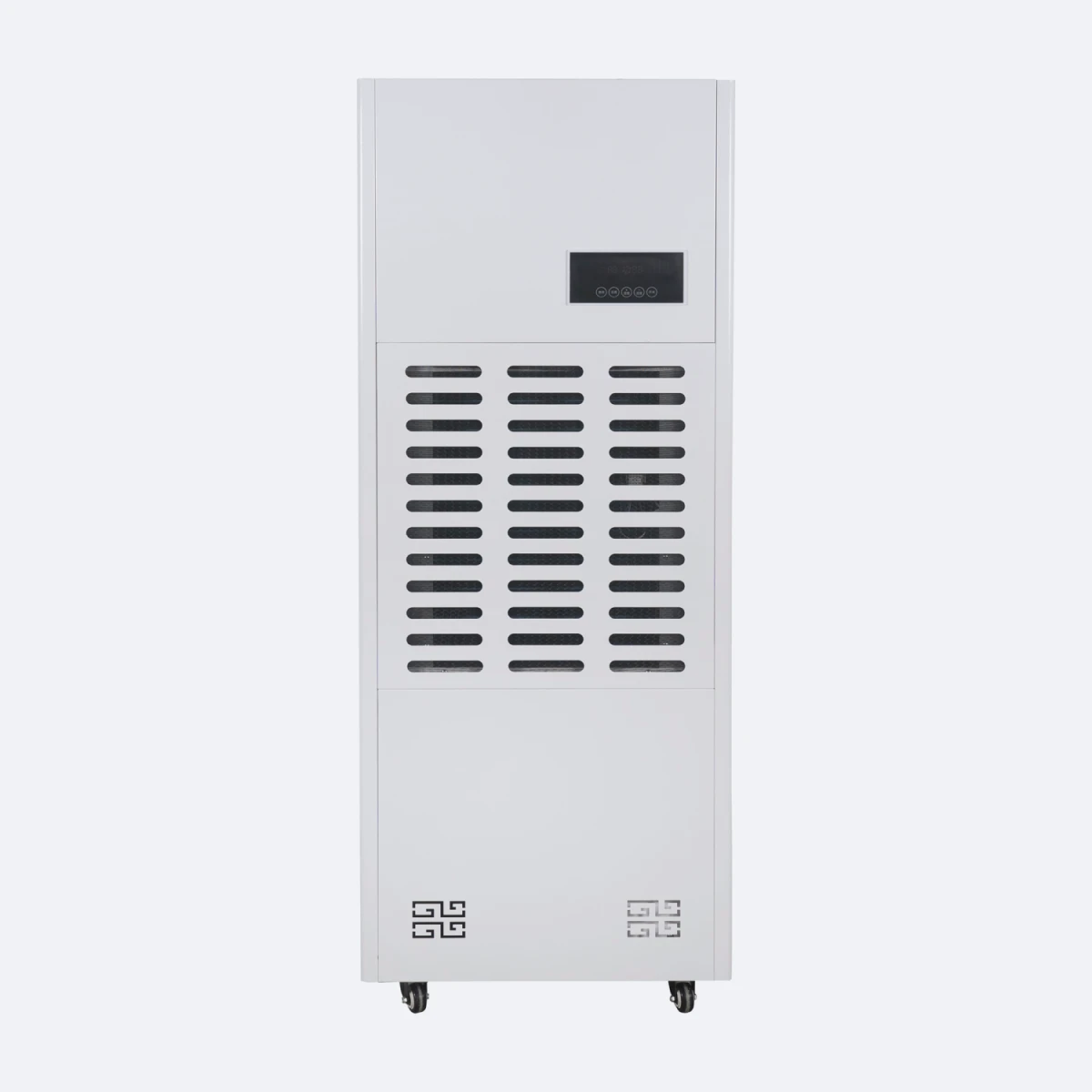
GDH industrial floor-standing units handle large storage areas and plant rooms in corrosive atmospheres. Epoxy-coated 100% copper condenser, stainless steel cabinet, R290/R32 refrigerant, continuous hose drainage.

GDH-380E

GDH-380E
Capacity (L/day):380
Coverage Area:350–500 m²
Power:380V / 50Hz

view details

GDH-480E

GDH-480E
Capacity (L/day):480
Coverage Area:450–600 m²
Power:380V / 50Hz

view details

GDH-600E

GDH-600E
Capacity (L/day):600
Coverage Area:500–700 m²
Power:380V / 50Hz

view details

Option 2 — GDH-CE Ceiling-Mounted Ducted Dehumidifier for Sealed Corrosive Enclosures

For sealed process enclosures, chemical rooms, and coastal facilities where floor space is at a premium and dry air needs distributing through ductwork:

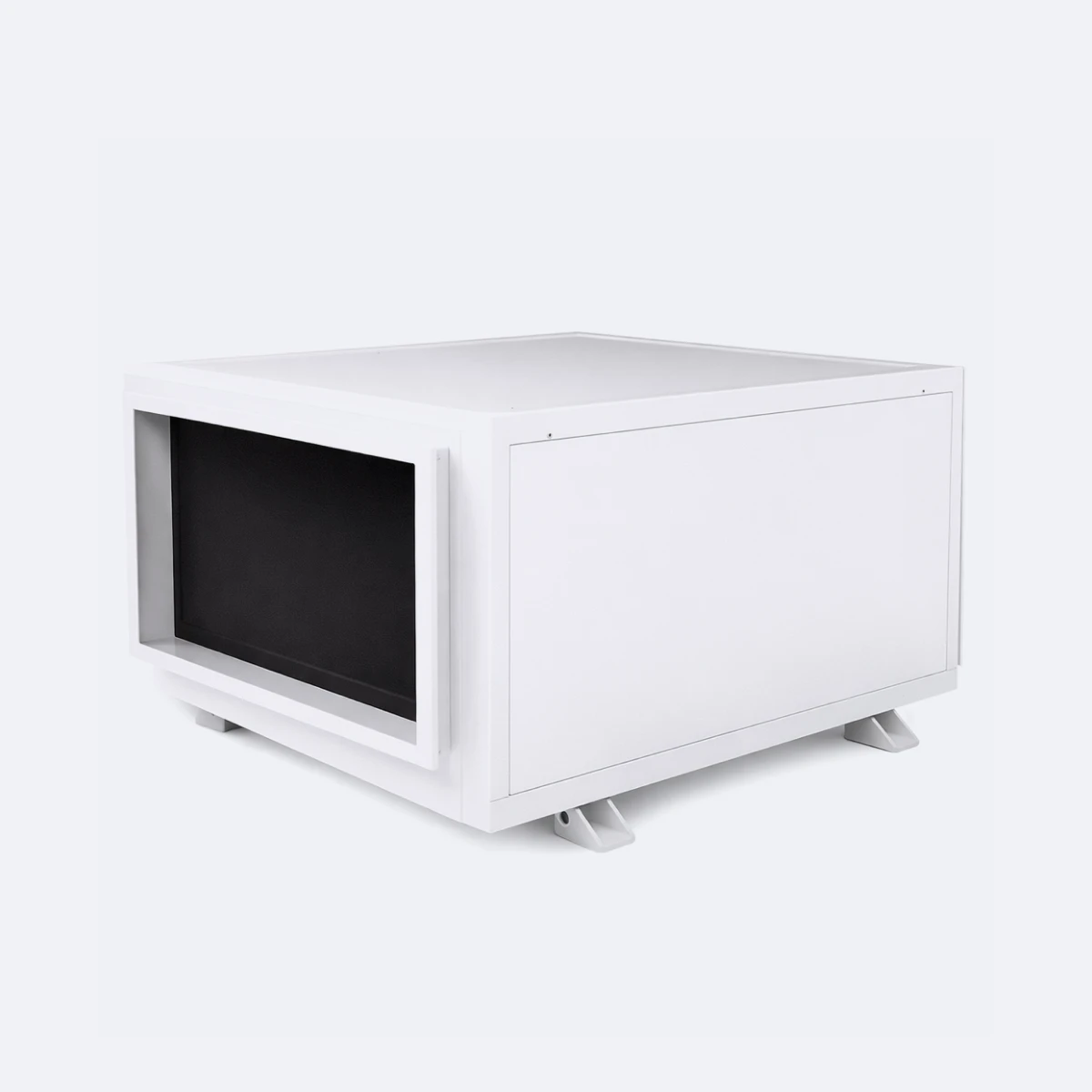
GDH-CE ceiling-mounted ducted units suit sealed enclosures where floor space is tight and distribute dry air through ductwork. Copper-and-titanium-foil coils resist chemical, chlorine, and salt-air corrosion; concealed ceiling installation preserves floor for operations.

GDH-CE380

GDH-CE380
Capacity (L/day):380
Coverage Area:350-500 m²
Power:380V/50Hz

view details

GDH-CE480

GDH-CE480
Capacity (L/day):480
Coverage Area:450-600 m²
Power:380V/50Hz

view details

GDH-CE600

GDH-CE600
Capacity (L/day):600
Coverage Area:500-700 m²
Power:380V/50Hz

view details

Option 3 — XR Commercial Desiccant Dehumidifier for Cool Corrosive Spaces

For cool corrosive spaces where compressor units struggle — chemical cold storage, battery enclosures, coastal cabinets — a desiccant maintains stable RH regardless of temperature:

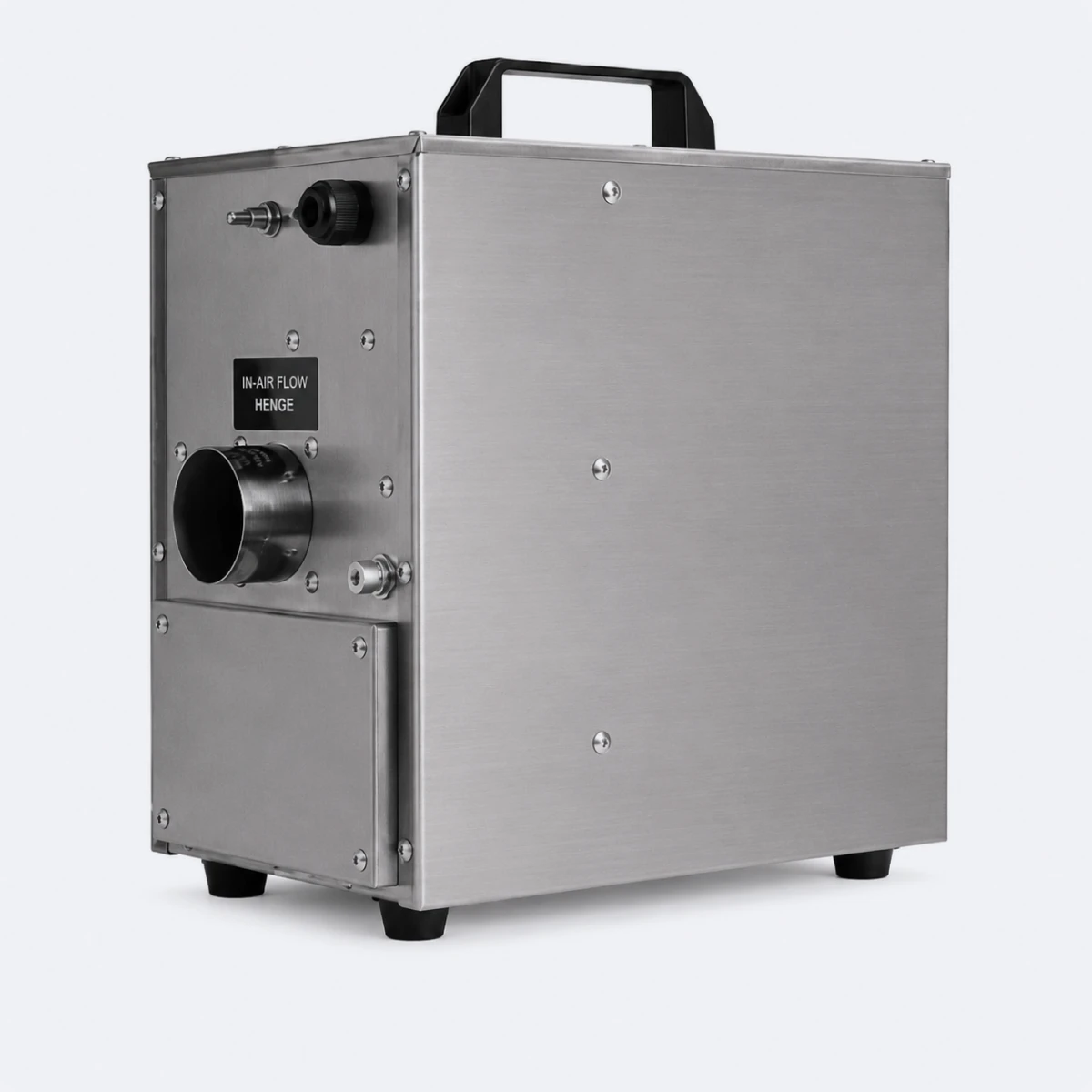
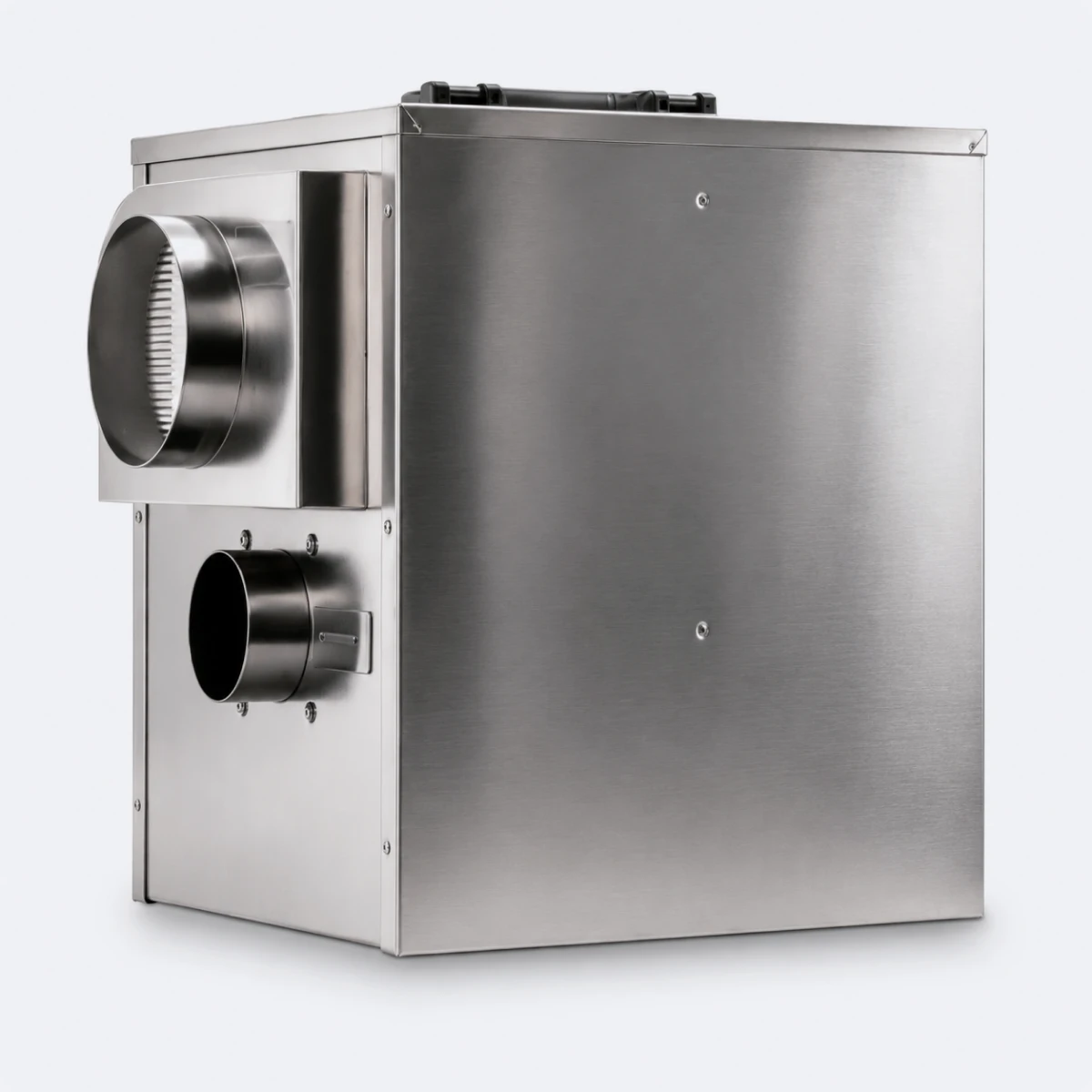
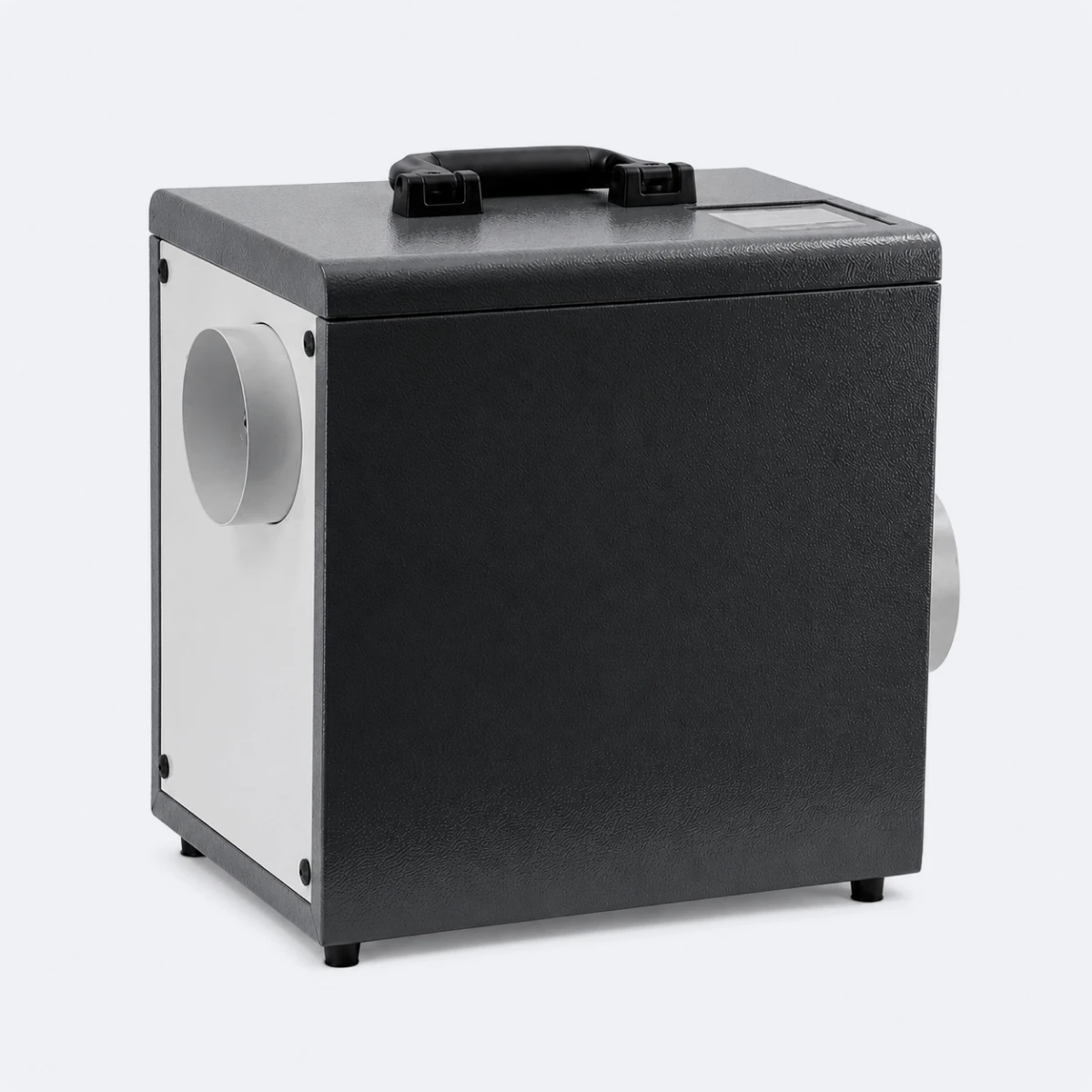
Rotary desiccant units hold low humidity in cold spaces where compressor units lose efficiency. Stainless-steel or powder-coated case resists corrosion in damp, aggressive air; 220V design allows relocation between enclosures.

XR-80XF-01

XR-80XF-01
Dehumidification Capacity:0.4 kg/h

Process Airflow:10–100 m³/h

Power Supply:220V/50Hz

view details

XR-100XF-01

XR-100XF-01
Dehumidification Capacity:0.45 kg/h

Process Airflow:10–120 m³/h

Power Supply:220V/50Hz

view details

XR-100XF-02

XR-100XF-02
Dehumidification Capacity:0.5 kg/h

Process Airflow:10–150 m³/h

Power Supply:220V/50Hz

view details

How to Choose the Right Dehumidifier for a Corrosive Environment

The right unit depends on the environment, its corrosive agent, and the humidity target. The matrix below maps common corrosion-control settings to a recommended platform and target RH. Where salt, chlorine, or chemical vapor is present, corrosion-resistant coil and cabinet protection is essential; where the space runs cold, desiccant technology holds a target that compressors cannot.


EnvironmentCorrosive Agent / ConditionTarget RHRecommended Platform
Steel parts & machinery storageAmbient moisture, seasonal humidity swings40–50% RHXR desiccant, corrosion-resistant configuration
Electronics, PCB & battery storageMoisture and condensation on cool components40–50% RHXR desiccant, corrosion-resistant configuration
Coastal, marine & offshore facilitySalt aerosol (airborne chloride)40% RH or lowerXR desiccant, corrosion-resistant configuration
Indoor pool & natatorium plant roomChlorine and chloramine vapor50–60% RHGDH-CE, corrosion-resistant coil and cabinet
Wastewater & water-treatment buildingHydrogen sulfide with high humidity45–50% RHXR desiccant, protected coil and cabinet
Chemical, plating & process facilityAcidic fumes and process vapor40–50% RHXR desiccant with protected coil
Cold store & low-temperature preservationLow temperature with moisture ingress40–50% RHXR rotary desiccant
Archive, document storageMoisture with combined mold50–55% RHGDH-CE ducted, tight stable control
metal-artifact storageMoisture with corrosion risk45–50% RHXR rotary desiccant


Sizing a Dehumidifier for Corrosion Control

Sizing for corrosion control is about holding a target RH against the moisture that leaks into the space, not pulling a fixed water load out of a process. The job is to remove ingress — through doors, walls, air changes, and any wet materials — fast enough to keep the room below its target. Tighten the target and the load rises: moving from 60% to 40% RH roughly doubles the dehumidification needed. The four cases below show how the target and the space set the model.
01

Sealed Storage Enclosure or Container

Small sealed enclosure or shipping container, tight RH target

A GDH-CE unit ducted into the sealed space holds 40–50% RH with low leakage. Seal the enclosure well so moisture ingress stays low and the unit cycles rather than running flat out.

02

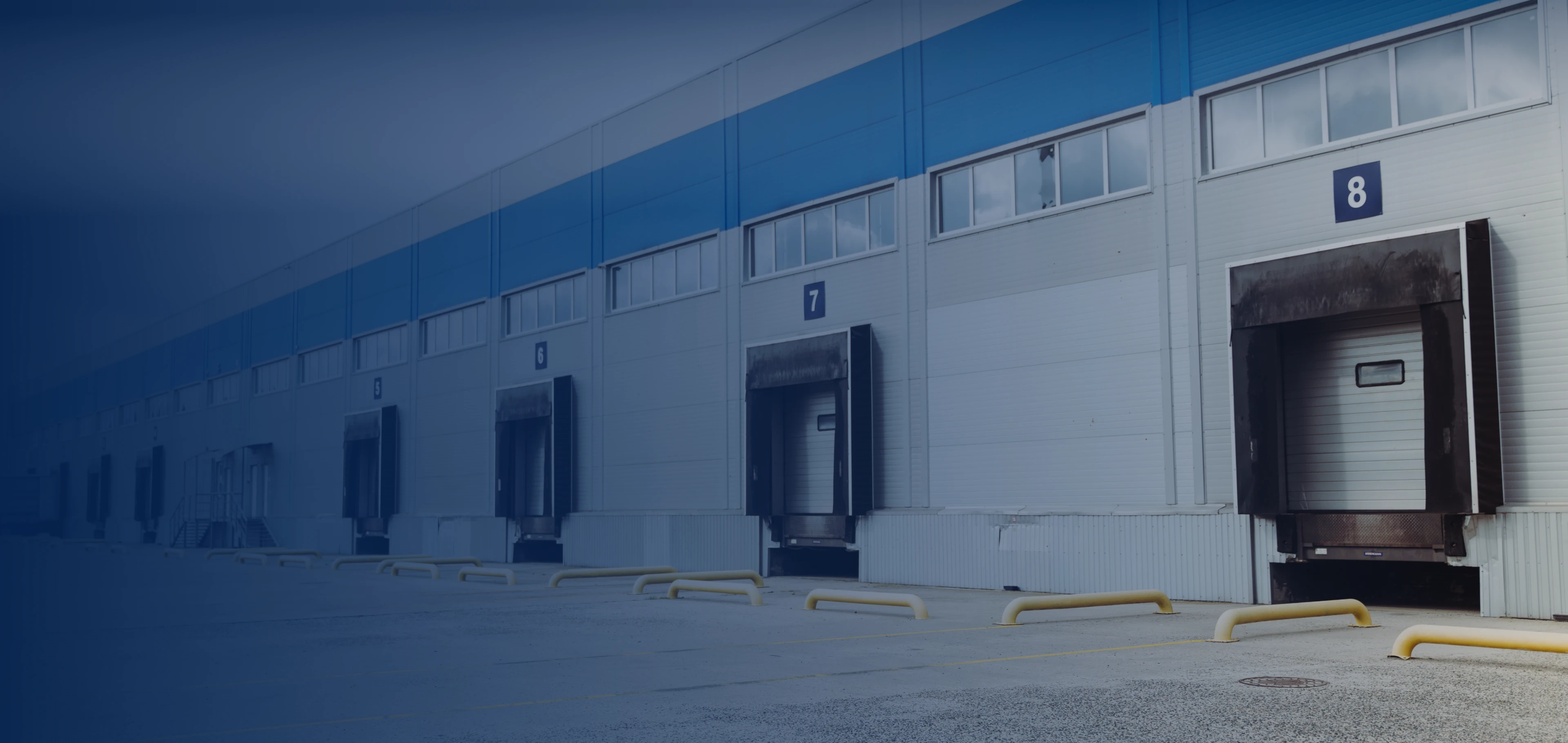
Warehouse or Open Storage Area

Warehouse or open storage area at 40–50% RH

GDH floor-standing units sized to the building's air changes and door traffic. Run several across a large floor for even humidity, and cut ingress with dock seals and vestibules to hold the load down.

03

Corrosive Plant Room or Wet Process Space

Corrosive plant room or wet process space

GDH-CE or GDH units with copper-titanium coils and moisture-proof cabinets, sized for the moisture load plus the corrosive exposure. Protected construction sets service life here, alongside capacity.

04

Cold Store or Low-Temperature Space

Cold store or low-temperature space below the compressor's efficient range

XR rotary desiccant units hold the RH target where refrigerant coils lose efficiency and frost, using desiccant adsorption instead of condensation.

Four Principles for Corrosion-Control Dehumidification

Four principles set the specification: control to the surface, hold it steady, protect the equipment, and match the technology to the temperature.
Control to the metal surface, not just the room — air right at a cool surface reads a few points higher than the room, so target around 50% RH in the space to keep surfaces under the 60% critical point, and lower where salt or pollution is present.
Hold humidity steady and avoid condensation — swings from warm and humid to cool cause water to form directly on metal, the fastest corrosion trigger; steady dehumidification and dew-point control matter more than a low average with big excursions.
Protect the equipment in aggressive air — in salt, chlorine, or chemical atmospheres, copper-and-titanium-foil coils and moisture-proof cabinets keep the dehumidifier itself from becoming the first thing to corrode.
Match the technology to the temperature — refrigerant units are efficient in warm and mild spaces; desiccant units hold the target in cold stores and low-temperature rooms where compressors lose ground.

Need a Sizing Calculation for Your Greenhouse?

Send us your greenhouse dimensions, cultivation stage, target humidity, and operating temperature. Our engineering team will recommend the right SHISHUO model and capacity.

Request Sizing Download Catalog amy@shishuodehu.com

Installation and Operation Notes for Corrosive-Environment Use

Sealing and Air Changes

Dehumidification only holds a target if moisture ingress is controlled. Seal gaps, weatherstrip doors, and add vestibules or air curtains at frequently used openings; every uncontrolled air change brings in outside moisture the unit then has to remove. A tighter space lets a smaller unit hold a lower RH and cuts running cost.

Drainage and Condensate Handling

All units support continuous gravity drainage or a condensate pump for unattended operation. In corrosive spaces, route condensate to a suitable drain and keep the line clear; in cold stores, protect the drain against freezing so it does not block and back up.

Placement and Air Distribution

Place units so dry air reaches the whole space and moves across the metal you are protecting — still corners hold humid air where corrosion starts. Ducted GDH-CE units distribute dry air evenly through an enclosure; floor-standing units serve open areas, and several in parallel give even coverage across a large footprint.

Maintenance in Aggressive Air

In salt, chlorine, or chemical air, service life depends on maintenance as much as construction. Clean coils on schedule to clear deposits, check the cabinet and drain for corrosion, and replace filters so airflow stays high. The copper-titanium coil and protected cabinet extend service life, and regular cleaning keeps them performing.

Frequently Asked Questions

What humidity level prevents rust and corrosion?

Hold relative humidity below about 60% and the atmospheric corrosion of steel slows dramatically; that 60% figure is the widely cited critical humidity for carbon steel. In practice, for storing steel parts, machinery, and moisture-sensitive goods, aim for 40–50% RH, which keeps metal surfaces safely under the threshold. Where salt or industrial pollution is in the air, target the lower end, around 40% RH, because chlorides and hygroscopic contaminants pull water onto the surface at lower humidity.

How does a dehumidifier stop metal from corroding?

Corrosion is an electrochemical reaction that needs a film of moisture on the metal to run. As humidity rises, that film thickens and spreads until, past the critical point, rust develops and keeps going. A dehumidifier removes water vapor from the air so the surface film never reaches the point where corrosion runs, and it prevents condensation — the acute case where liquid water forms on a surface that has dropped below the dew point. Take the moisture away and the reaction has nothing to work with.

What makes a dehumidifier corrosion-resistant?

Two things. First, the heat exchanger: SHISHUO corrosion-resistant units use dual pure copper tubes paired with titanium foil, and the titanium foil resists the chemically active air found around pools, coasts, and chemical processes. Second, the cabinet: moisture-proof, sealed construction that does not rust in humid, aggressive air. A standard unit with bare aluminum fins and a painted-steel cabinet corrodes at the coil and enclosure within a few years in that kind of atmosphere.

Can I use a standard dehumidifier in a coastal or pool environment?

It usually will not last. Coastal salt air and indoor-pool chlorine are among the most aggressive atmospheres for HVAC equipment, and a standard dehumidifier's aluminum coil and steel cabinet corrode quickly there, often failing at the coil within two to four years. For those settings, use a unit built for it: copper-and-titanium-foil coil, sealed moisture-proof cabinet, and drainage suited to continuous operation. That is what the corrosion-resistant construction on our GDH-CE units is for.

Refrigerant or desiccant dehumidifier for corrosion control?

It depends on temperature. Refrigerant (compressor) units are efficient in warm and mild spaces and are the usual choice for plant rooms, warehouses, and general storage. As temperature falls they lose efficiency, and near freezing their output drops off. Desiccant (rotary) units extract moisture by adsorption rather than condensation, so they hold a low RH target in cold stores, unheated warehouses, and low-temperature rooms where compressors struggle. For a space that runs cold, or needs a very low RH, desiccant is the answer.

How do I size a dehumidifier for a storage warehouse?

Size to the moisture that leaks into the building, not to a fixed process load. The dehumidifier has to remove ingress — through doors, air changes, walls, and any wet materials — fast enough to hold the target RH. A tighter target means more capacity: moving from 60% to 40% RH roughly doubles the load. Reduce ingress first with door seals and vestibules, then size the unit to the building's air changes and the target. Send your floor area, ceiling height, target RH, and door traffic and we can recommend a model or a multi-unit layout.

Do SHISHUO corrosion-resistant dehumidifiers support OEM and ODM customization?

Yes. We support OEM branding and ODM modifications, including voltage adaptation (220V/50Hz standard, 380V, and 110V/60Hz for North America), coil and cabinet protection specified to the atmosphere, duct and drainage configuration, control interface, and custom colors and labels. Units are built to CE, ETL, RoHS, and ISO 9001, and we export worldwide. Contact our team with your environment, conditions, and quantities for a specification and quotation.

Get the Right Climate Control
Solution for Your Application

We support industrial temperature and humidity control projects with clear specifications, stable equipment, and practical system advice. Share your application details and capacity requirements—our team will respond with a suitable solution and quotation.

Get a Quick Quote

Amy

General Manager