


Search
Enter keywords to search for products, blog posts, and more.
Enter keywords to search for products, blog posts, and more.
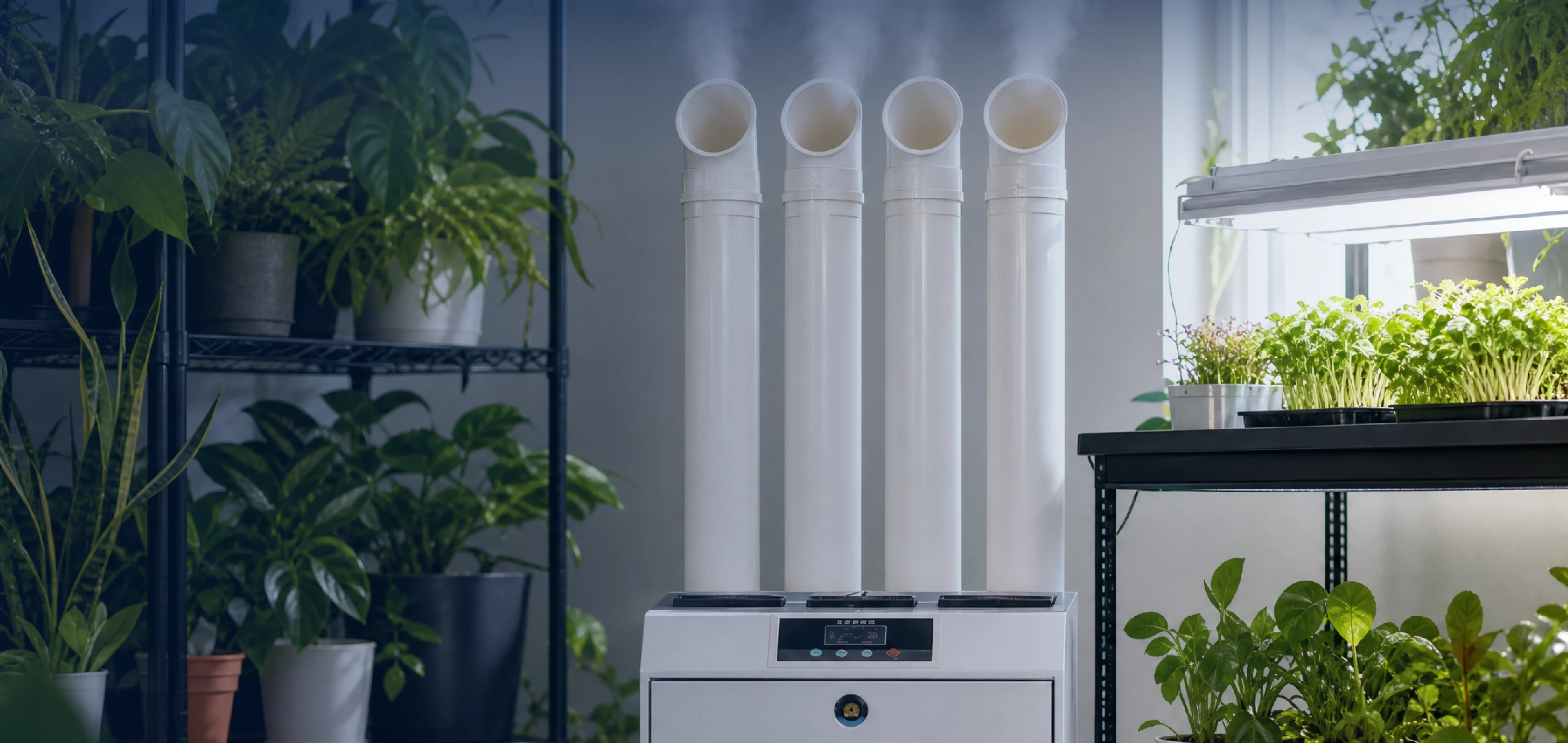




We manufacture the UH-DS ultrasonic humidifier series across four capacity and installation tiers, from compact units for small rooms to industrial output for large halls and multi-room facilities. All share the same sealed atomizing core, stainless cabinet, and 0.5–5 micron cool-mist output; the tiers differ in capacity and how they install. Click any tier below to view full model specifications.
Series
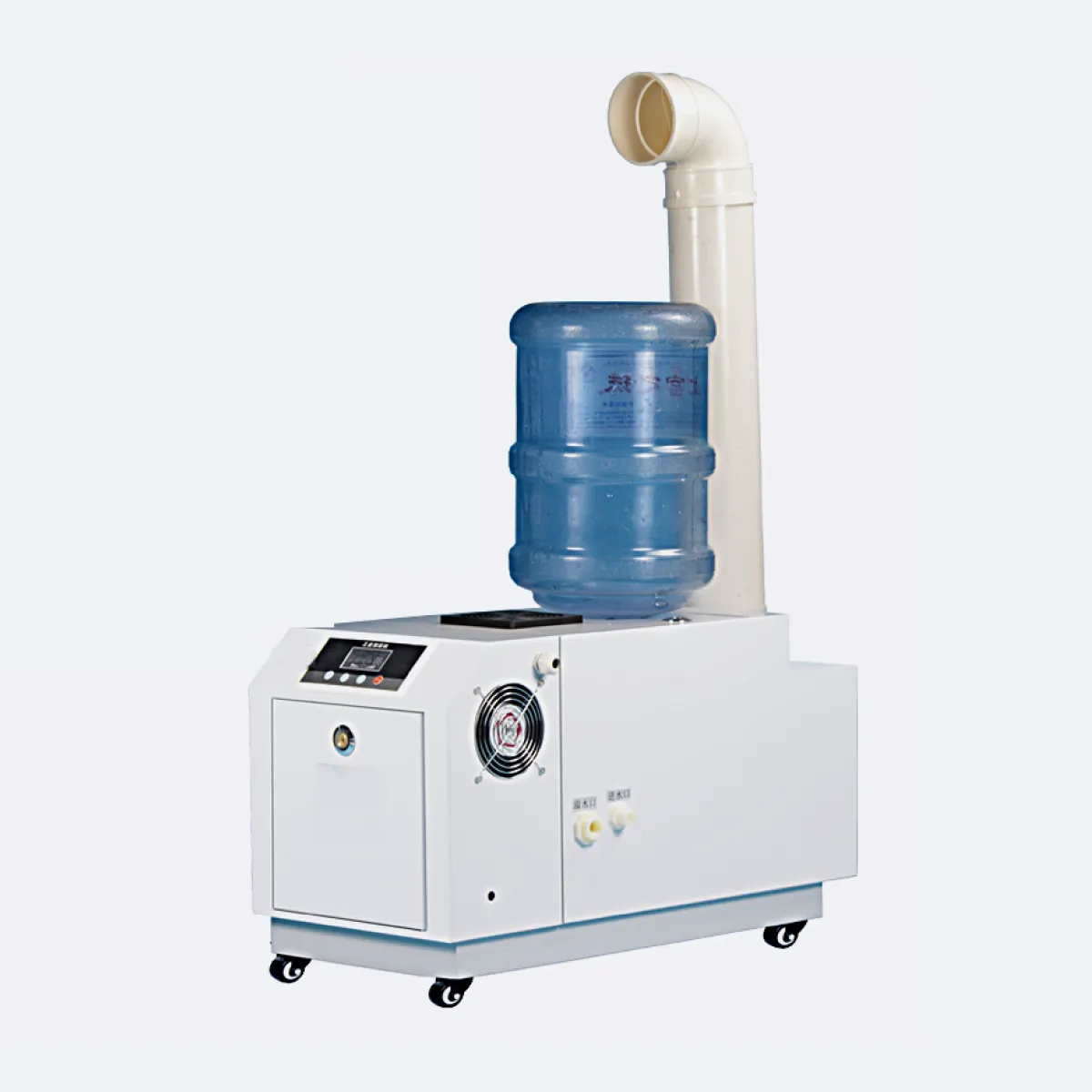
Capacity & Application
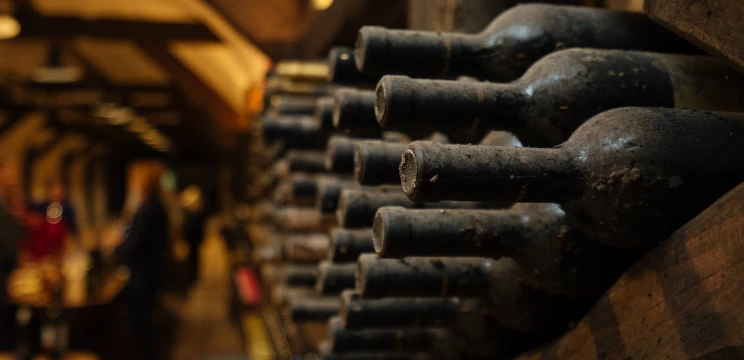
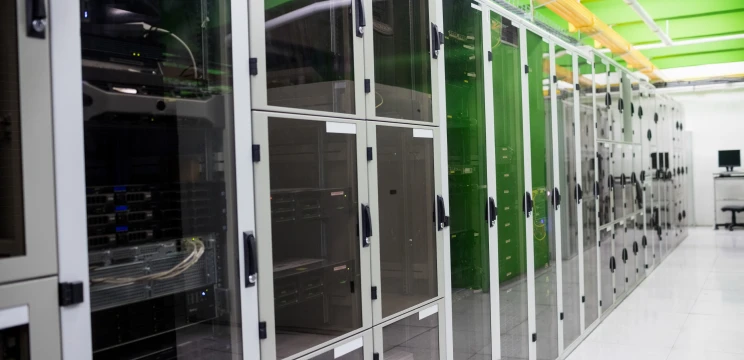
2–6 kg/h. 220V/50Hz. Compact ultrasonic units for small, controlled spaces — server and equipment rooms, boutique retail, wine and cigar rooms, small labs, and single grow tents. Fixed or mobile install, low noise, small footprint. Best fed with purified water where surfaces are visible. Models: UH-DS-02E, UH-DS-03E, UH-DS-06E.
Series
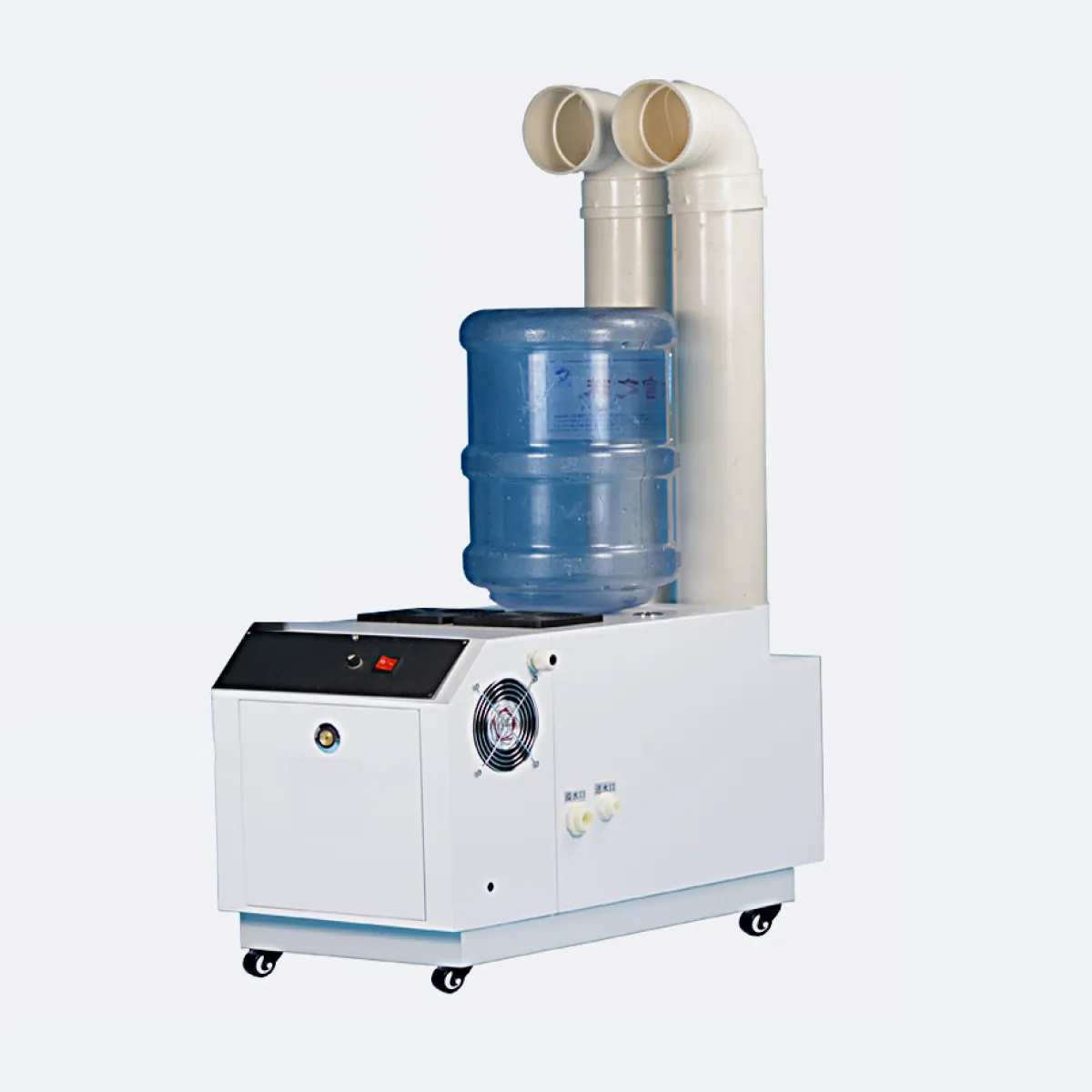
Capacity & Application
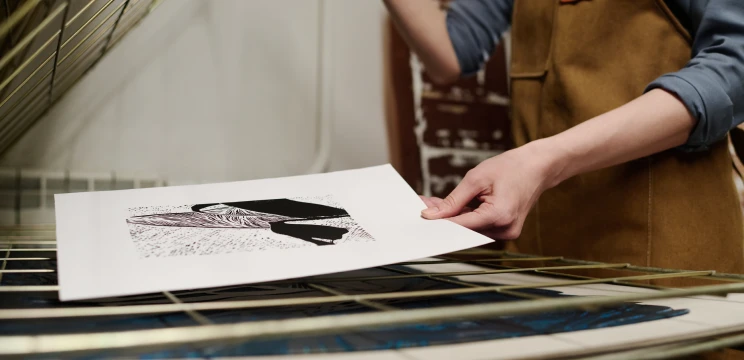
9–12 kg/h. 220V/50Hz. Industrial ultrasonic units for mid-sized commercial spaces — electronic workshops, printing lines, raw material storage, and agricultural greenhouses. Dual mist outlets, heavy-duty stainless steel cabinet, flexible fixed or mobile install. Features digital auto-control and dry-burning protection. Models: UH-DS-09E, UH-DS-12E.
Series
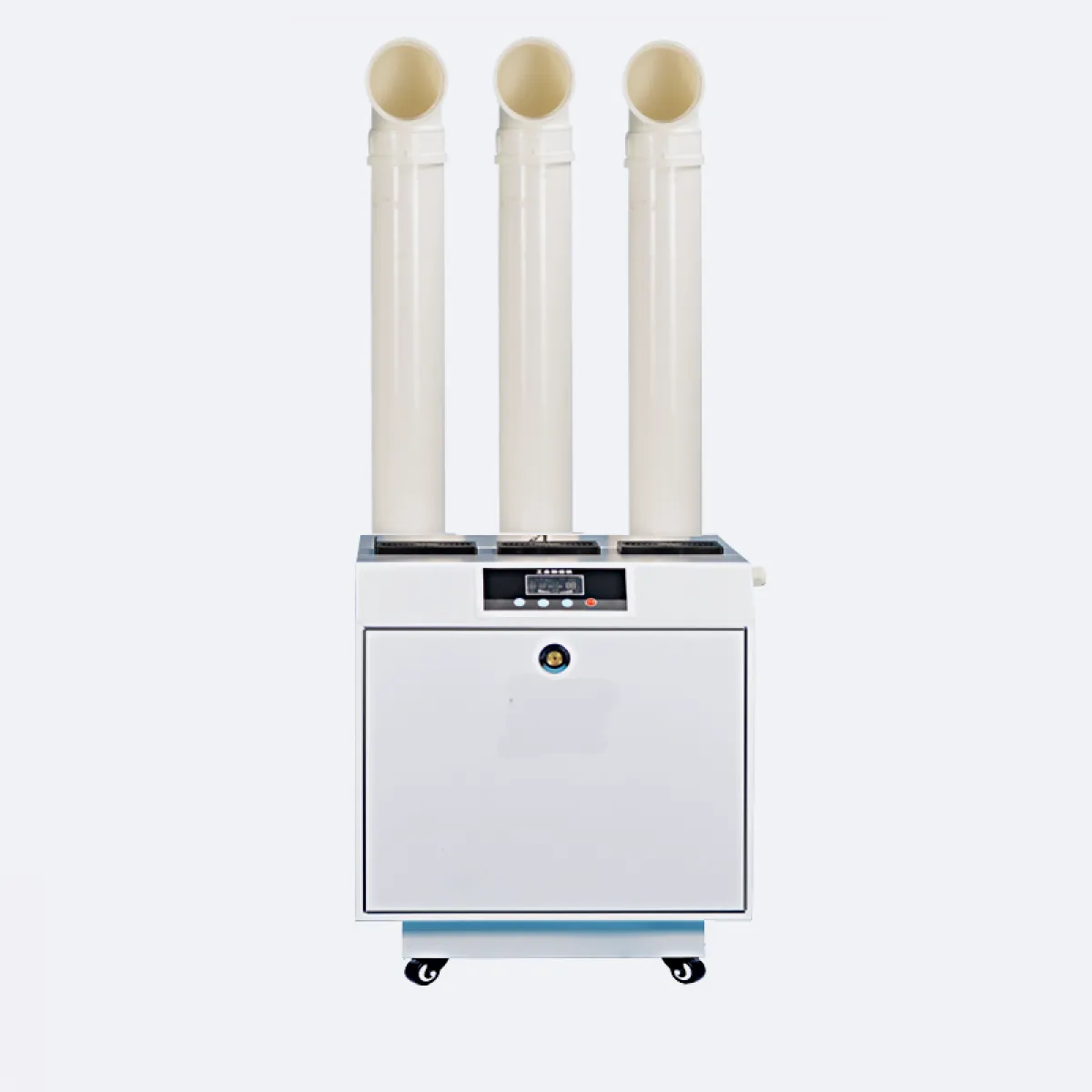
Capacity & Application
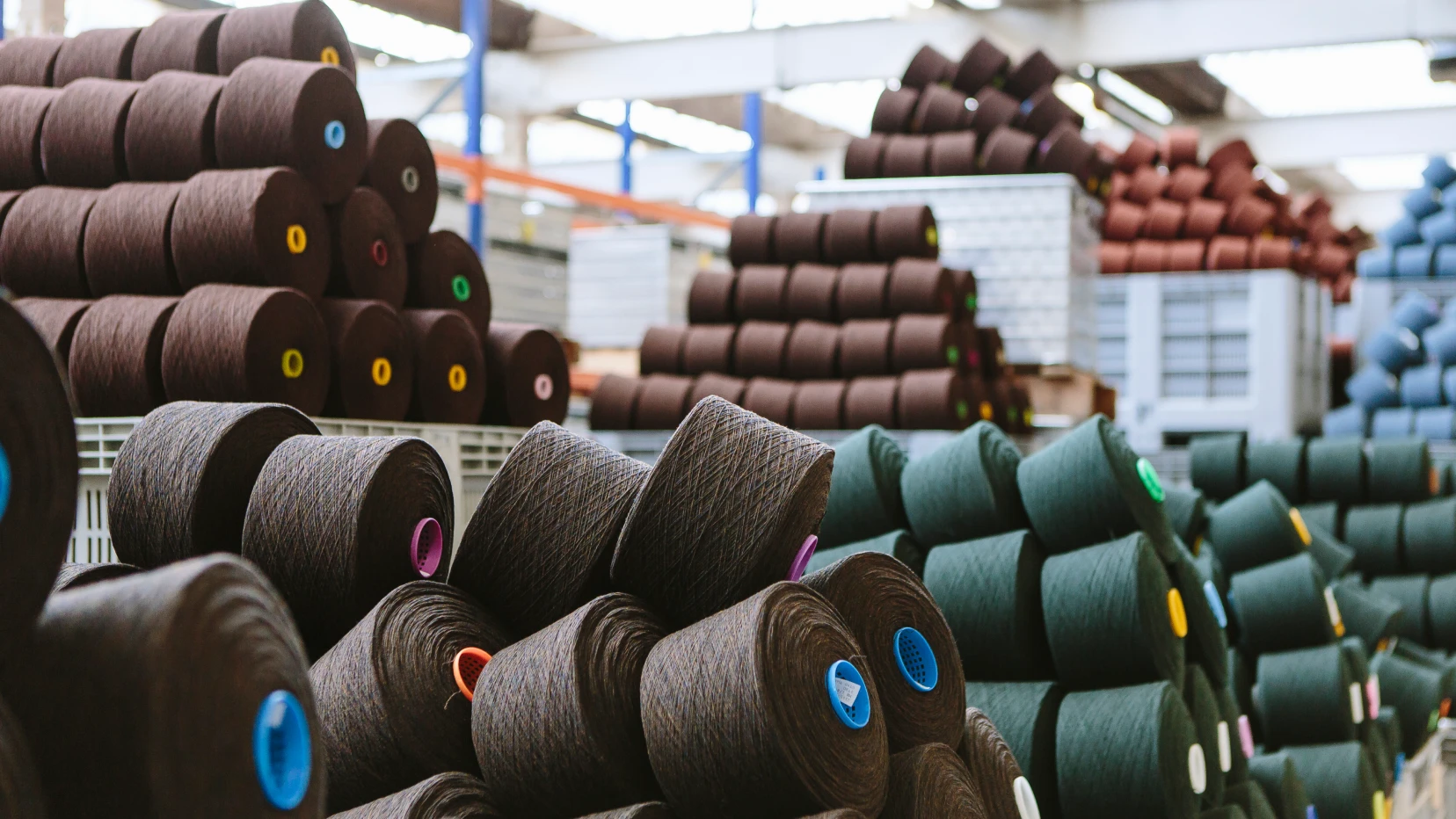
15–21 kg/h. 220V/50Hz. Heavy-duty industrial units for plant-wide moisture control — electronics cleanrooms, high-volume textile mills, automated paper manufacturing, and large pharmaceutical archives. Triple high-volume mist outlets, rugged stainless steel, anti-static dust suppression. Models: UH-DS-15E, UH-DS-18E, UH-DS-21E.
Series
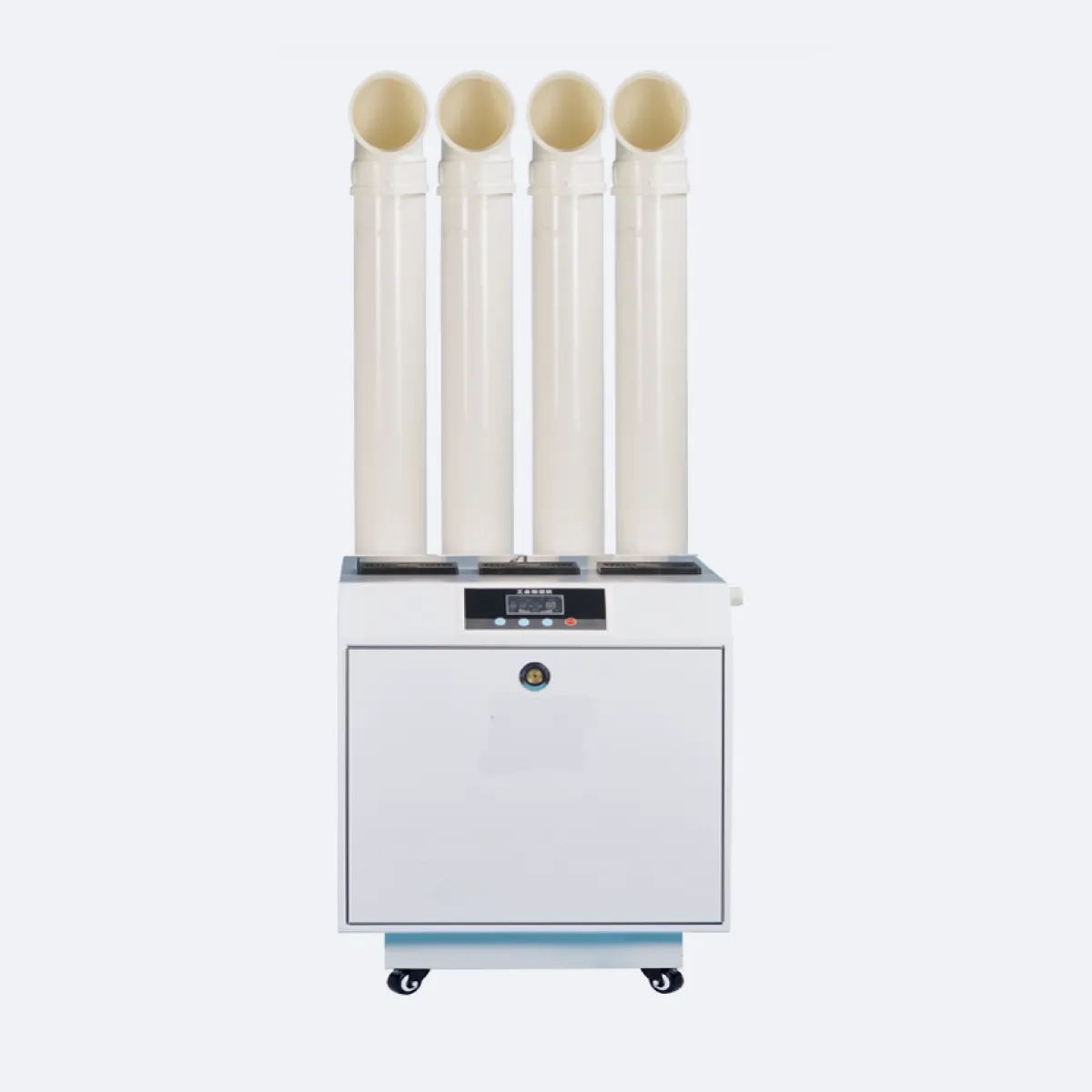
Capacity & Application
24–30 kg/h. 220V/50Hz. Ultra-large flagship units for massive-scale microclimates — widespread manufacturing plants, major textile operations, bulk packaging lines, and expansive storage complexes. Four independent mist outlets, multi-transducer core, maximum mist discharge for severe electrostatic hazards. Models: UH-DS-24E, UH-DS-27E, UH-DS-30E.
• GDH Dehumidifiers (50 L/day to 1,440 L/day) — commercial portable, industrial floor-standing, and ceiling-ducted units for moisture removal
• SSPAC Portable Air Conditioners (2,700 W to 5,000 W) — spot cooling for work zones, plant rooms, and equipment areas
• DS-HS Combination Units — integrated humidification, dehumidification, and air purification in one unit


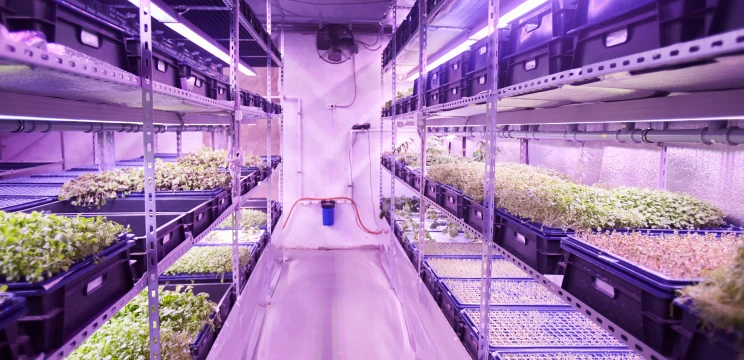


Send us your greenhouse dimensions, cultivation stage, target humidity, and operating temperature. Our engineering team will recommend the right SHISHUO model and capacity.
Request Sizing Download Catalog amy@shishuodehu.comSwitch between the tabs below to learn more. Each tab links to a dedicated page.
Company Overview
Founded 2015 ; Jiaxing production base 2023 (Zhejiang Shishuo); R&D, production, technical service integration; Shanghai-based international sales team
LEARN MORE
Quality Inspection
Functional testing and 100% final inspection before shipment (per catalog Step 5); workshop-level inspection at heat exchanger and assembly stages
LEARN MORE
OEM & ODM Solutions
6-step customization flow per catalog: requirement analysis → solution & model selection → specification confirmation → production & assembly → testing → packaging & shipping
LEARN MORE
Certifications
Quality, environmental, and occupational health management system certifications; product safety certifications (CCC and CE class) shown in catalog
LEARN MORE
An ultrasonic humidifier adds moisture as a cool mist without heat. A piezoelectric plate under the water vibrates at ultrasonic frequency, around 1.7 MHz — far above human hearing — and the vibration shatters the water surface into fine droplets of 0.5–5 microns. A quiet fan carries that mist out, and the tiny droplets evaporate into the air within a minute. Because nothing is boiled, it uses much less energy than a steam humidifier and gives fast, precise humidity control.
Ultrasonic output is rated in kilograms of water per hour, and the right size comes from the space and its target RH, not floor area alone. As a rough guide: 20–60 m² at 45–60% RH suits a 2 kg/h unit; a 120–250 m² produce section or mushroom room at 60–85% suits 6 kg/h; a 400–500 m² space at high RH suits 12 kg/h; and textile halls, cleanrooms, and large facilities move to the 18–30 kg/h industrial models. Step up one size for targets above 80%, frequent door openings, or 24/7 duty. Send your space size, target RH, and duty cycle for a model recommendation.
Targets are application-specific: office, hotel, and retail comfort 40–55% RH; electronics and cleanroom ESD control 45–55%; supermarket produce and cold storage 85–95%; mushroom fruiting 85–95%; grow rooms 55–75% by stage; wine and cigar rooms 60–75%; textile and printing to the process spec. Set the target a little below the top of the range so the unit is not running at full duty, and verify the built-in humidistat against a separate calibrated hygrometer in the first week.
White dust is the minerals in tap water, atomized along with the water and settling on nearby surfaces. Ultrasonic humidifiers mist whatever is in the water, so the fix is water treatment: feed the unit with reverse-osmosis (RO) water, under about 50 ppm dissolved solids, and the dust disappears. For customer-facing retail, restaurant dining, and clean spaces, RO is the standard. For back-of-house cultivation and industrial areas where some dust is acceptable, tap water works, but expect more frequent plate cleaning and replacement.
The atomizing plates are wear parts rated 3,500–5,000 service hours per set. At 12 hours a day, that is roughly 10–14 months; at 24 hours a day for cultivation or cold storage, roughly 5–7 months; hard tap water shortens it. On UH-DS units the plates are replaceable on site, so the unit does not go back to the factory for service. For continuous-duty lines, keep one spare plate set on hand so a swap takes minutes.
Yes. UH-DS units support fixed, mobile, and duct-mounted installation. For HVAC-integrated humidification, the unit injects mist into or near the duct run, and the fine 0.5–5 micron droplets evaporate fully before reaching the distribution outlets, so humidity spreads evenly through the existing ductwork. This is common in offices, hotels, and light commercial buildings on central air. Confirm the model and duct configuration at the inquiry stage.
Yes. Ultrasonic units are a common choice for commercial mushroom cultivation because they hold the high 85–95% RH fruiting rooms need and produce cool mist that suits low growing temperatures. The demanding part is the high setpoint plus frequent door openings and continuous duty, so most farms distribute several units on per-room humidistats rather than relying on one large unit. For multi-room farms, per-room control gives the most consistent flushes. Send your room count and sizes for a layout.
Yes. SHISHUO is a manufacturer, not a trading company. We support OEM (your branding on our standard hardware) and ODM (modified hardware — voltage, cabinet, mist outlet, control interface, water connection, packaging). Typical OEM/ODM customers include supermarket and restaurant chains, mushroom and grow operators, textile and electronics plants, and private-label brands. The process follows our six-step flow: requirement analysis, model selection, specification confirmation, production and assembly, testing and final inspection, packaging and shipping.
Ultrasonic Humidification: Technical Reference
Three humidification technologies serve commercial and industrial buildings, and they differ in mechanism, energy use, and control speed. Steam humidifiers boil water and inject vapor — accurate but energy-intensive, at roughly 750 W per kg/h of output. Evaporative units wick water through a wet medium — low energy, but slow to respond and dependent on airflow. Ultrasonic units atomize water mechanically at around 1.7 MHz, consuming roughly 60–80 W per kg/h — approximately one-tenth the energy of steam — with near-instant response to humidistat control. For continuous-duty commercial humidification, that energy gap is the deciding factor in most specifications.
Mist Quality Is a Water Quality Question
An ultrasonic core atomizes whatever is dissolved in the supply water. Fed with tap water, minerals settle as white dust on nearby surfaces and scale the atomizing plates, shortening their rated 3,500–5,000-hour service life. Fed with reverse-osmosis water below roughly 50 ppm dissolved solids, the mist evaporates residue-free. Customer-facing retail, dining, museum, and cleanroom installations should be specified with RO feed; back-of-house and industrial areas can run on tap water with a more frequent plate-cleaning interval.
Static Control Is the Largest Industrial Use Case
Holding 45–55% RH lets surface charge dissipate before it discharges through components or attracts dust to product. The mechanism and sector-specific targets are covered in our article on static and dust control in electronics and textile manufacturing, with application detail on the electronics manufacturing and textile industry pages. For cultivation and greenhouse humidification, where cool mist must not raise room temperature, see the greenhouse humidifier application page.
Manufacturing and Supply
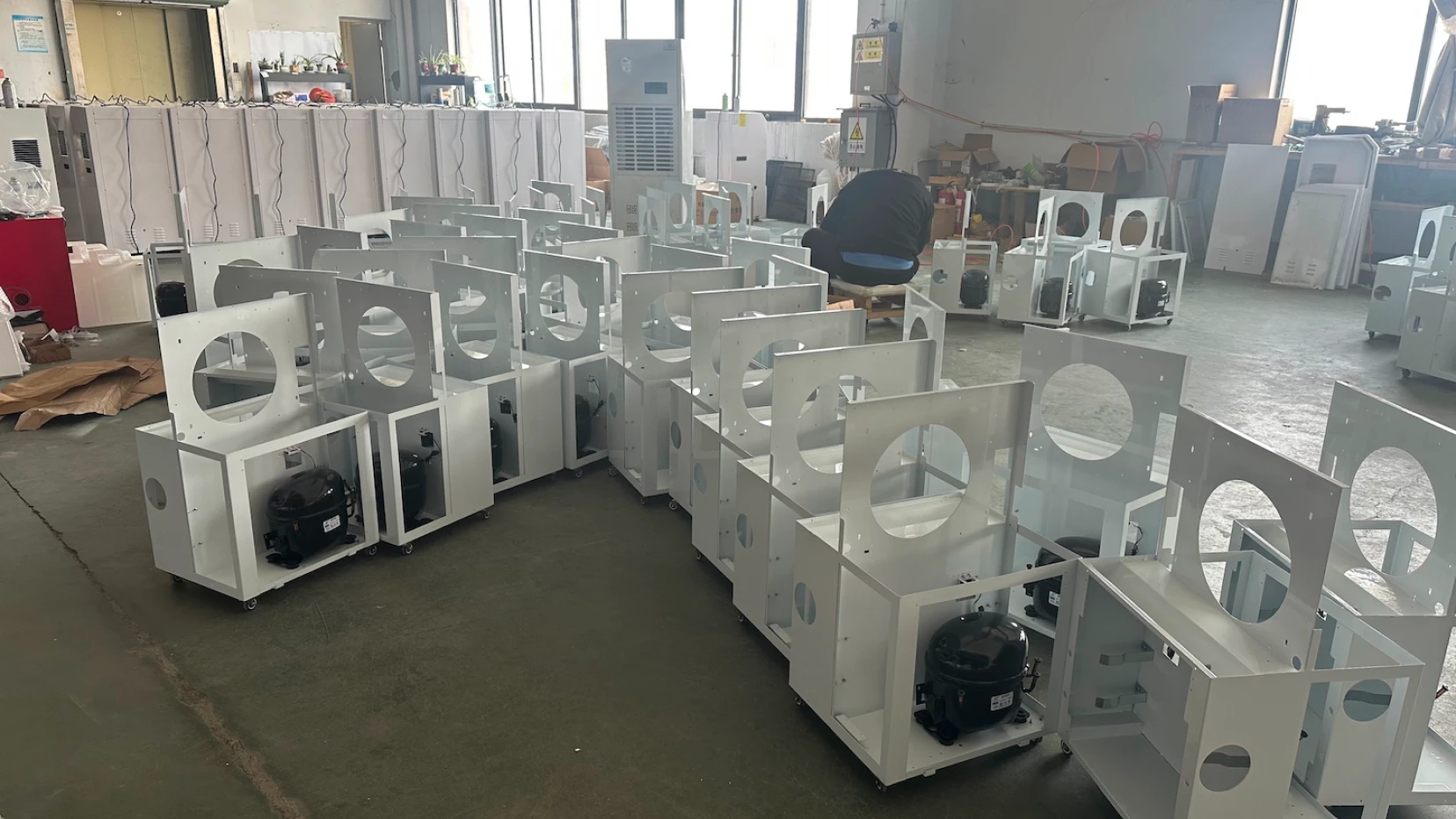
UH-DS units are assembled at our Jiaxing production base with stainless steel cabinets and sealed atomizing cores, and tested before export crating. Atomizing plates are stocked as spare parts. For model selection against your space size, target RH, and duty cycle, contact SHISHUO Engineering.
Sizing Matrix by Space and Target RH
Step up one model for targets above 80% RH, frequent door openings or high ventilation (add 30–50%), or 24/7 continuous duty. For large spaces, distributed units hold more even RH than one oversized unit.
| Application / Space | Typical Space Size | Target RH | Recommended Model |
| Server room, small retail, wine or cigar room | 20–60 m² | 45–60% | UH-DS-02E (2 kg/h) |
| Café, bakery prep, small lab, single grow tent | 60–120 m² | 50–65% | UH-DS-03E (3 kg/h) |
| Produce section, mid-size restaurant, small mushroom room | 120–250 m² | 60–85% | UH-DS-06E (6 kg/h) |
| Full retail floor, mid-size mushroom farm, hotel lobby | 250–400 m² | 50–80% | UH-DS-09E (9 kg/h) |
| Large mushroom cultivation, big-box produce | 400–500 m² | 70–95% | UH-DS-12E (12 kg/h) |
| Large retail floor, multi-zone grow, light industrial | 500–600 m² | 50–80% | UH-DS-15E (15 kg/h) |
| Textile hall, cleanroom, large warehouse, multi-room farm | 600 m² and up | By process | UH-DS-18E to UH-DS-30E |
We support industrial temperature and humidity control projects with clear specifications, stable equipment, and practical system advice. Share your application details and capacity requirements—our team will respond with a suitable solution and quotation.
Get a Quick QuoteHi! Click one of our member below to chat
on WhatsApp
General Manager
Business Development Manager