


Search
Enter keywords to search for products, blog posts, and more.
Enter keywords to search for products, blog posts, and more.




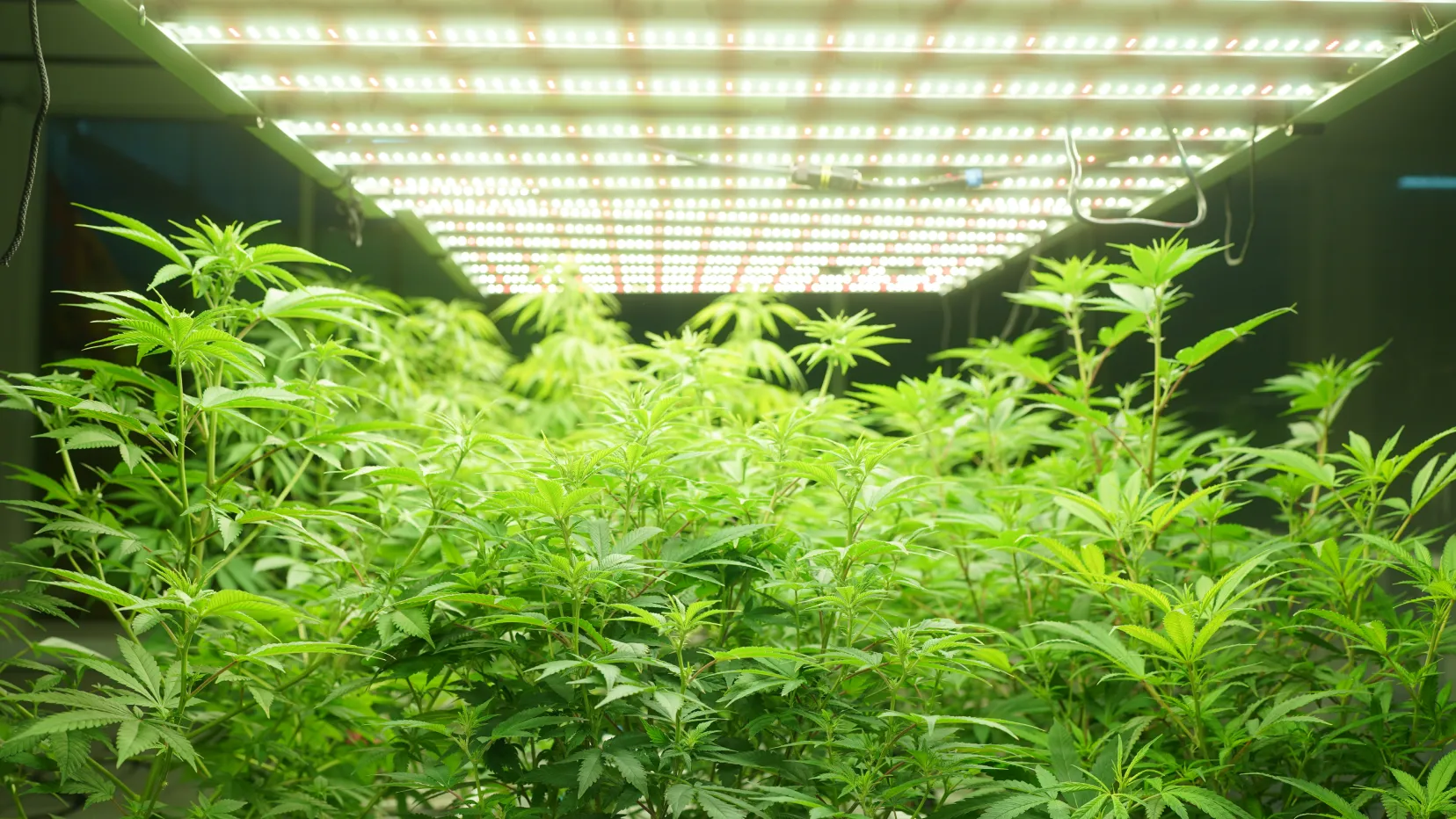
We manufacture four series of dehumidification equipment for greenhouses, nurseries, propagation houses, and indoor farms, organized by capacity and installation type. Click any series below to view full model specifications.
Series
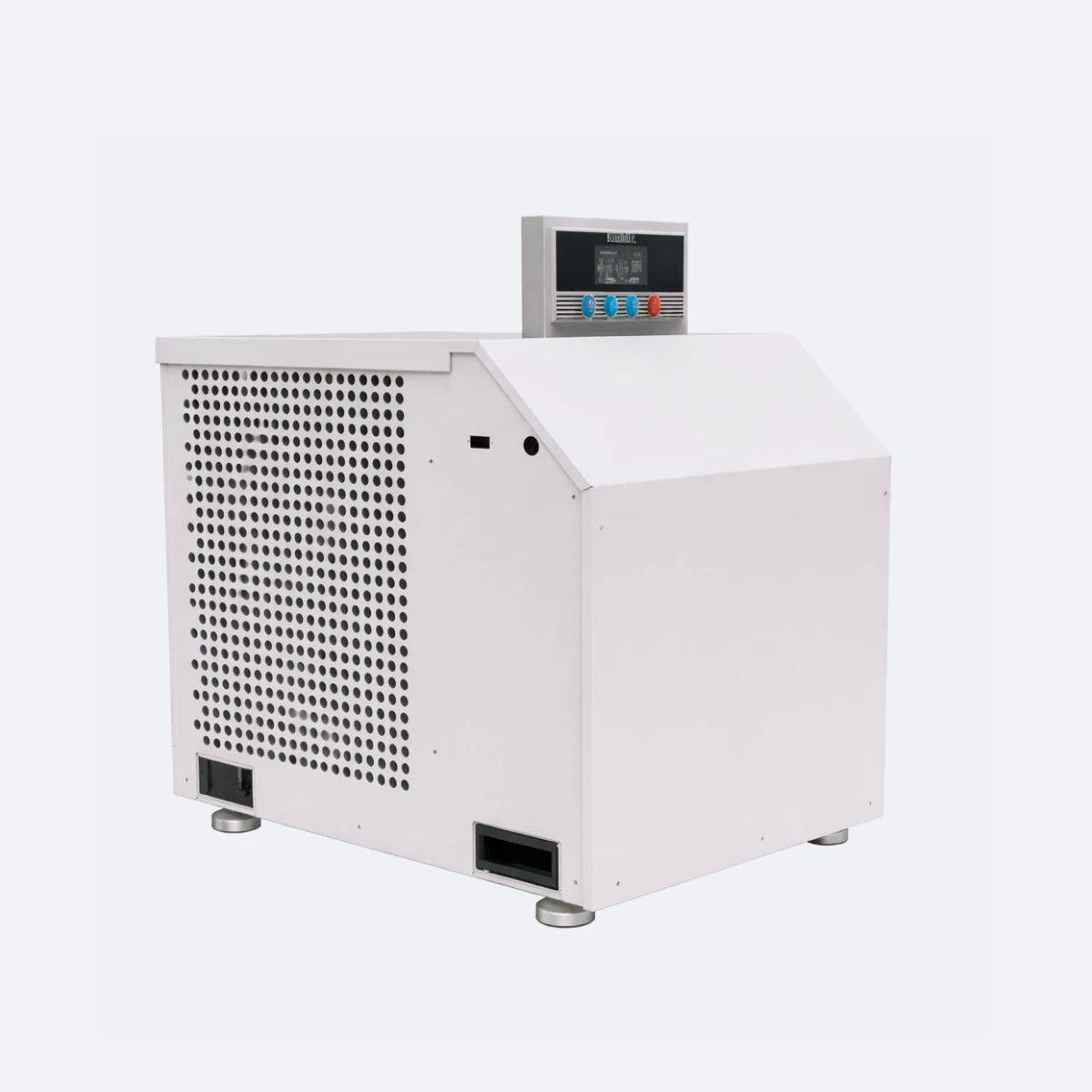
Capacity & Application
Capacity: 225–506 PPD. Power: 208–230V / 60Hz / 1Ph (US); 220V / 50Hz (international). Overhead installation with zero floor footprint for large-scale cultivation. MERV-13 filtration, wide operating envelope, and continuous drainage. Models: 225 PPD / 335 PPD / 506 PPD.
Series
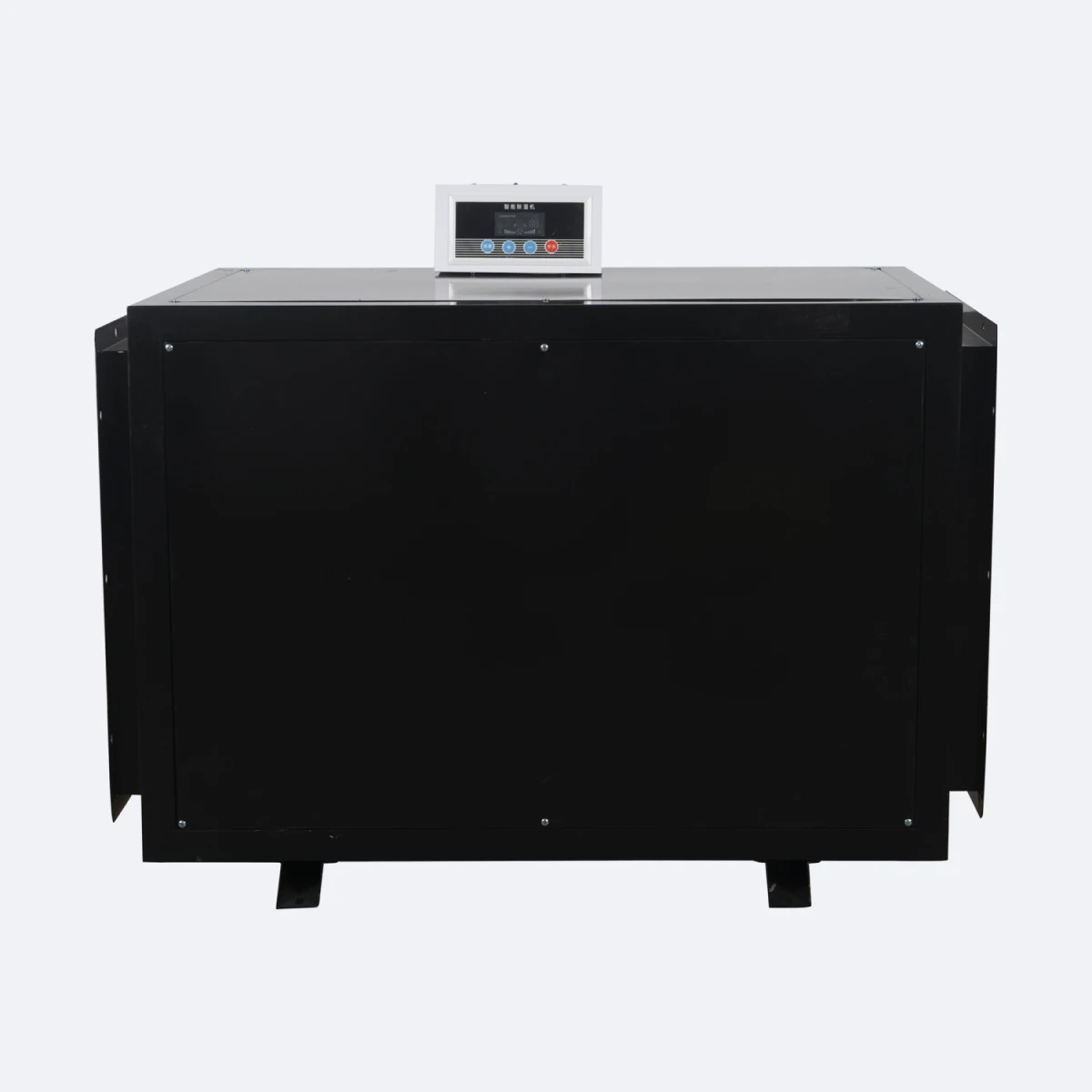
Capacity & Application
Extraction: 180–288 L/day (380V). Low-temperature ceiling-mounted unit rated to −3°C for unheated winter production houses. All-copper heat exchangers, continuous direct drainage, digital humidity sensing. Models: GDH-CE180 / CE240 / CE288.
Series
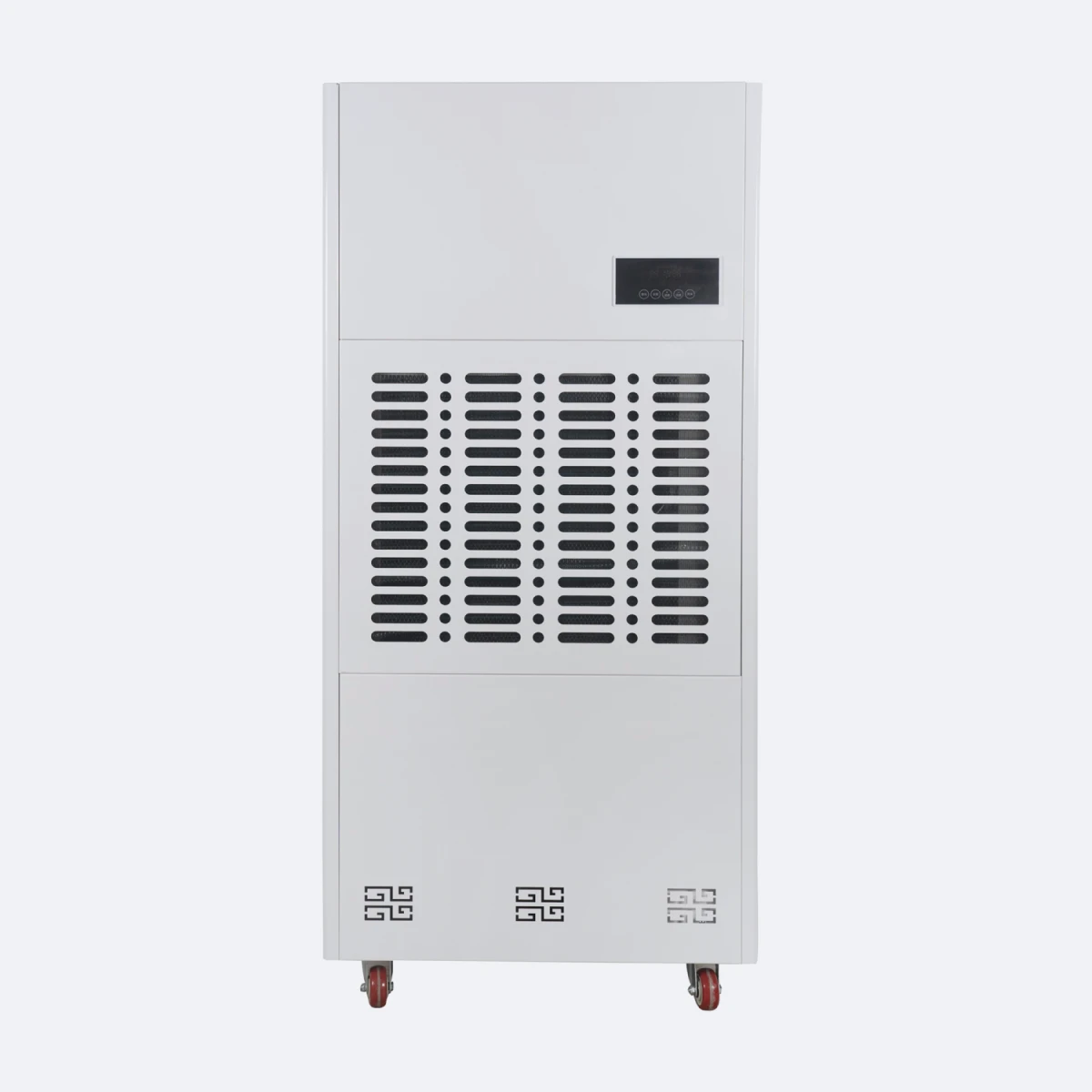
Capacity & Application
Extraction: 180–1,440 L/day (220V/380V), operating envelope −3°C to 60°C. Combines dehumidification with temperature control for houses that need heating support alongside moisture removal in cold-climate winter production. All-copper coils, continuous drainage. Models: GDH-180E to GDH-1440E.
Series
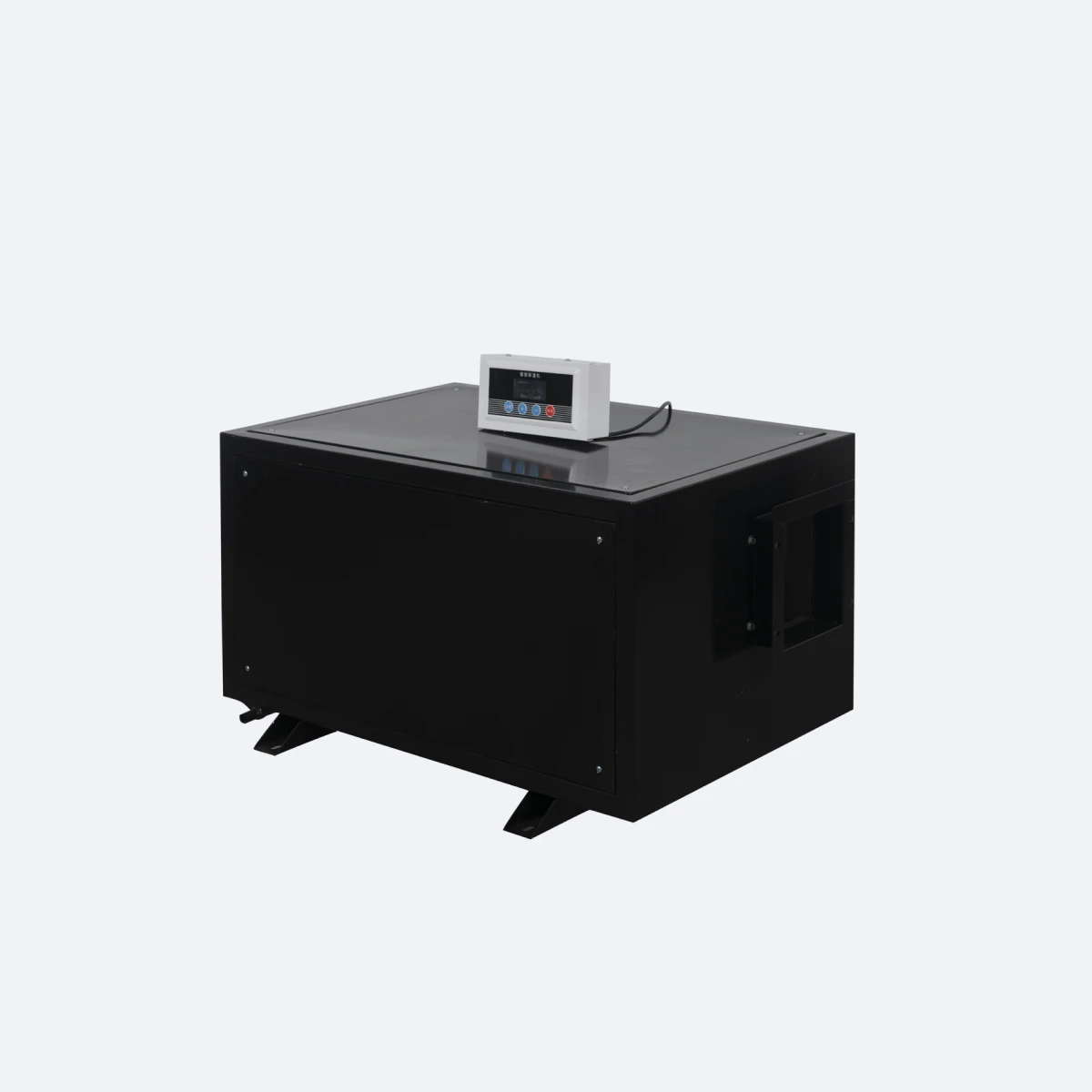
Capacity & Application
Extraction: 90–168 L/day (220V single-phase). Ducted ceiling units that integrate with the house's air distribution for even humidity across the canopy. LCD touch control, automatic direct drainage, titanium-foil fins. Models: GDH-CE90 / CE138 / CE156 / CE168.
• UH-DS Ultrasonic Humidifiers (2 kg/h to 30 kg/h) — for propagation and dry-season growing that needs moisture added rather than removed
• SSPAC Portable Air Conditioners (2,700 W to 5,000 W) — spot cooling for headhouses, service rooms, and equipment areas
• DS-HS Combination Units — integrated humidification, dehumidification, and air purification in one unit
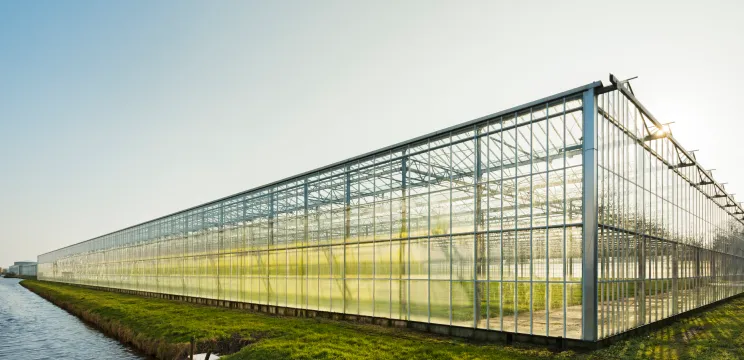
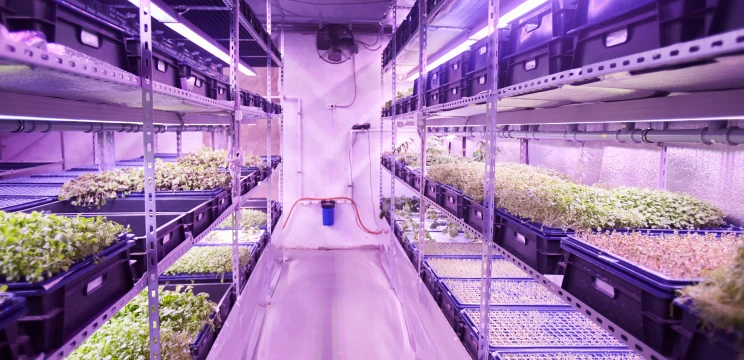

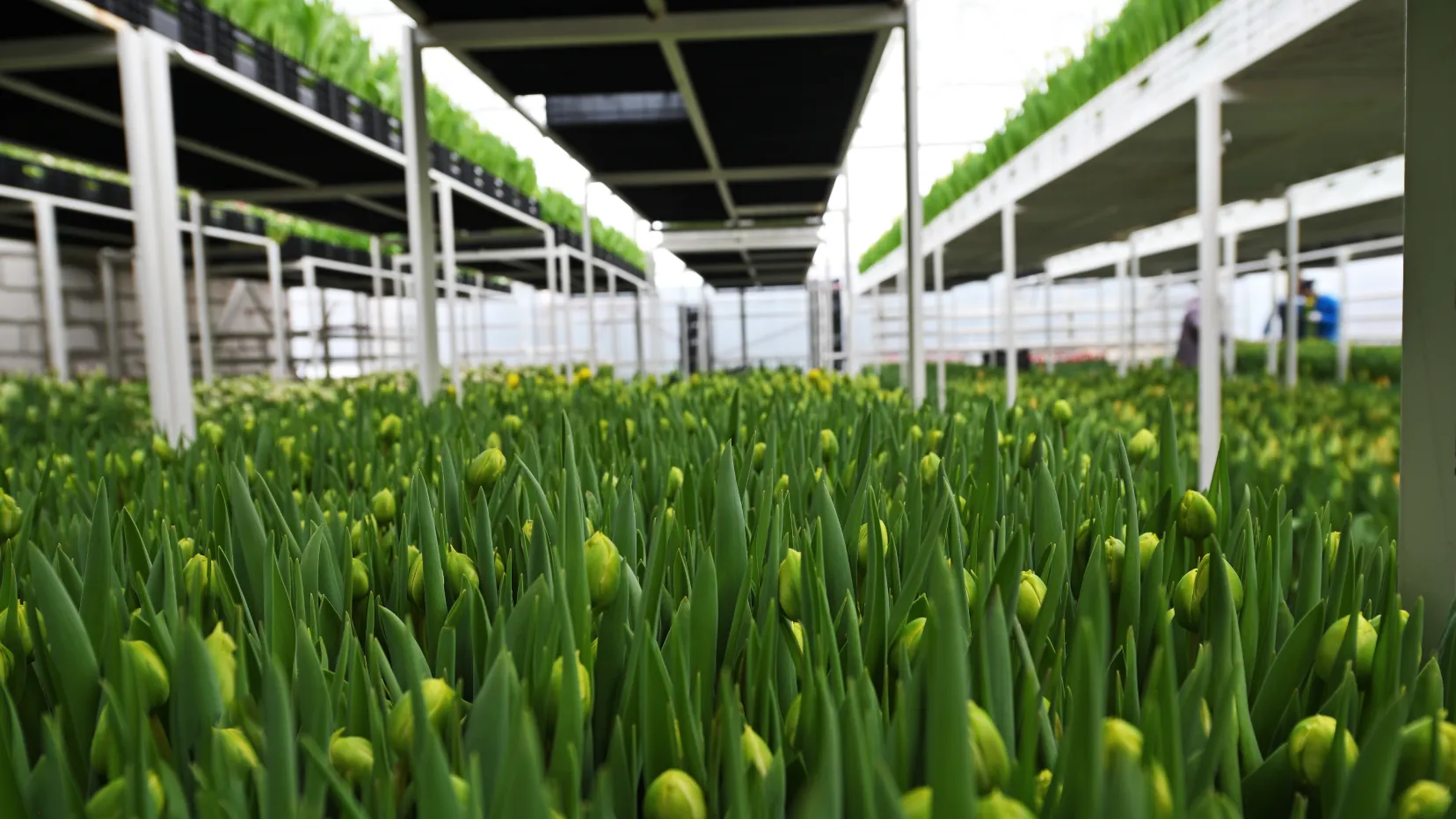

Send us your greenhouse dimensions, cultivation stage, target humidity, and operating temperature. Our engineering team will recommend the right SHISHUO model and capacity.
Request Sizing Download Catalog amy@shishuodehu.comSwitch between the tabs below to learn more. Each tab links to a dedicated page.
Company Overview
Founded 2015 ; Jiaxing production base 2023 (Zhejiang Shishuo); R&D, production, technical service integration; Shanghai-based international sales team
LEARN MORE
Quality Inspection
Functional testing and 100% final inspection before shipment (per catalog Step 5); workshop-level inspection at heat exchanger and assembly stages
LEARN MORE
OEM & ODM Solutions
6-step customization flow per catalog: requirement analysis → solution & model selection → specification confirmation → production & assembly → testing → packaging & shipping
LEARN MORE
Certifications
Quality, environmental, and occupational health management system certifications; product safety certifications (CCC and CE class) shown in catalog
LEARN MORE
Size by moisture load, not floor area. Plants put about 95% of their irrigation water back into the air, so in a sealed or semi-sealed house the water you remove roughly equals the water you irrigate. Start from daily irrigation in liters, multiply by 0.6–0.9 for the substrate, and add 20–30% headroom for peak transpiration. As rough planning figures: a propagation house up to 30 m² needs 30–90 L/day (GDH-50E to GDH-90E); a mid-size glasshouse of 100–300 m² needs 240–600 L/day (GDH-CE156 to CE380); a large range of 300–800 m² needs 600–1,440 L/day (GDH-CE480 to CE720, or floor-standing GDH). Send your irrigation volume, house size, and crop for an exact figure.
Most greenhouse crops sit well at 50–70% RH, but relative humidity on its own is misleading because it shifts with temperature. Growers increasingly control to vapor pressure deficit (VPD), roughly 0.4–1.6 kPa depending on crop and stage. Disease pressure climbs sharply above about 85% RH, so the practical rule is to hold RH below 70–75% during disease-susceptible stages while avoiding over-drying. Propagation is the exception — cuttings and seedlings root best in damp air around 65–80% RH.
Three differences. Sizing — a greenhouse unit is sized to transpiration load in liters per day, not to room area. Cold-weather performance — greenhouses run cold and wet, so units need automatic defrost, or a desiccant rotor, to keep removing water at low temperature, where many home units simply stop. Air distribution — greenhouse units are built to spread dry air across a planted house and hold conditions even, rather than drying one spot. A home dehumidifier dropped into a commercial house usually undersizes the load and frosts up in winter.
Often, yes. Fans move air and help stop condensation on leaves, but they do not take water out of the house. Vents remove moisture only when outside air is cooler and drier than inside; on cold, wet, or humid days, opening vents dumps heat and CO2 without fixing the humidity. A dehumidifier removes water by recirculating the air, so it holds humidity down with the vents shut and the heat and CO2 kept in. Fans and a dehumidifier work together: the fans keep air moving, the dehumidifier takes the water out.
Yes, and that is when it matters most, because condensation and disease pressure peak in cold, wet weather when venting is off the table. A compressor unit needs automatic defrost to keep working as coil temperatures fall — SHISHUO greenhouse units use M-CoRR heat-recovery defrost for steady removal down to 5°C. Below that range, the ROD desiccant series holds humidity down where compressor coils lose efficiency and frost up. For cold-climate houses, we match the technology to your winter conditions.
Yes. SHISHUO is a manufacturer, not a trading company — we build the GDH-CE, GDH, and ROD series at our Jiaxing facility and supply factory-direct. That means specification help from our engineering team, no distributor markup, and OEM/ODM options for growers, builders, and distributors.
Yes. The GDH-CE ducted range runs to CE720 and the GDH floor-standing range to GDH-1440E, covering large glasshouses, nursery complexes, vertical farms, and multi-bay ranges. Big footprints usually run several units in parallel for even humidity and maintenance redundancy, and we help plan multi-unit layouts so dry air reaches the whole house.
Yes. We support OEM (your branding on our hardware) and ODM (voltage, filtration level, controls, cabinet, and duct or drain configuration). Standard units are 220V/50Hz and 380V, with 110V/60Hz and 240V/50Hz on ODM. Units are built to CE, ETL, RoHS, and ISO 9001, and we export worldwide — send your destination market for the applicable certificates and a quotation.
Greenhouse Dehumidification: Engineering Reference
A greenhouse produces its own weather. A mature crop returns roughly 95% of its irrigation water to the air through transpiration, and that load runs 24 hours a day, peaking after watering. The grower's real control target is not relative humidity alone but vapor pressure deficit (VPD) — the gap between the moisture the air can hold and the moisture it currently holds — because VPD, not RH, drives both transpiration and nutrient uptake. The full VPD management method, including when to dehumidify versus ventilate, is covered in our article on greenhouse humidity control and VPD management, and the application-level configuration on the greenhouse humidity control page.
Target Humidity by Growth Stage
| Growth Stage | Typical Target RH | Control Priority |
|---|---|---|
| Propagation / cuttings / seedlings | 70–80% | Hold humidity high enough to prevent desiccation of unrooted cuttings; avoid over-drying |
| Vegetative growth | 60–70% | Balance transpiration-driven uptake against rising disease pressure as canopy closes |
| Flowering / fruiting | 40–60% | Disease prevention dominates; keep leaf surfaces above dew point, especially overnight |
| Drying / curing (post-harvest) | 50–60% | Steady moisture removal without temperature swings; continuous drainage required |
Overnight is the critical window: air temperature drops after lights-out, relative humidity climbs toward saturation, and condensation forms on glazing and leaf surfaces. A dehumidifier sized for daytime load but not for the overnight dew point excursion is the most common specification error.
Why Mechanical Dehumidification Beats Venting in Cold Weather
The traditional response to high humidity — heating and venting — expels the heat and the CO₂ the crop was given, then pulls in cold air that must be reheated. A mechanical dehumidifier recirculates the house air over a cold coil and removes the water while keeping the heat and CO₂ inside. In cold, wet weather this typically costs less per liter of water removed than the reheat penalty of venting. Winter operation is also where equipment selection matters: compressor units need heat-recovery defrost to hold output as coil temperatures fall — SHISHUO greenhouse units use M-CoRR defrost down to 5°C — and below that threshold the ROD rotary desiccant series holds extraction where compressor capacity declines.
Disease Control Is a Dew Point Calculation
Botrytis, powdery mildew, and downy mildew all require liquid water on the leaf to establish. Condensation forms when a surface falls below the air's dew point, so the engineering task is twofold: hold the house humidity low enough that the dew point stays below the coldest surface temperature, and keep air moving so no humid pocket forms against the glazing or inside a dense canopy. This is why capacity should be distributed across the house rather than concentrated in one large unit at one end.
Manufacturing and Project Support
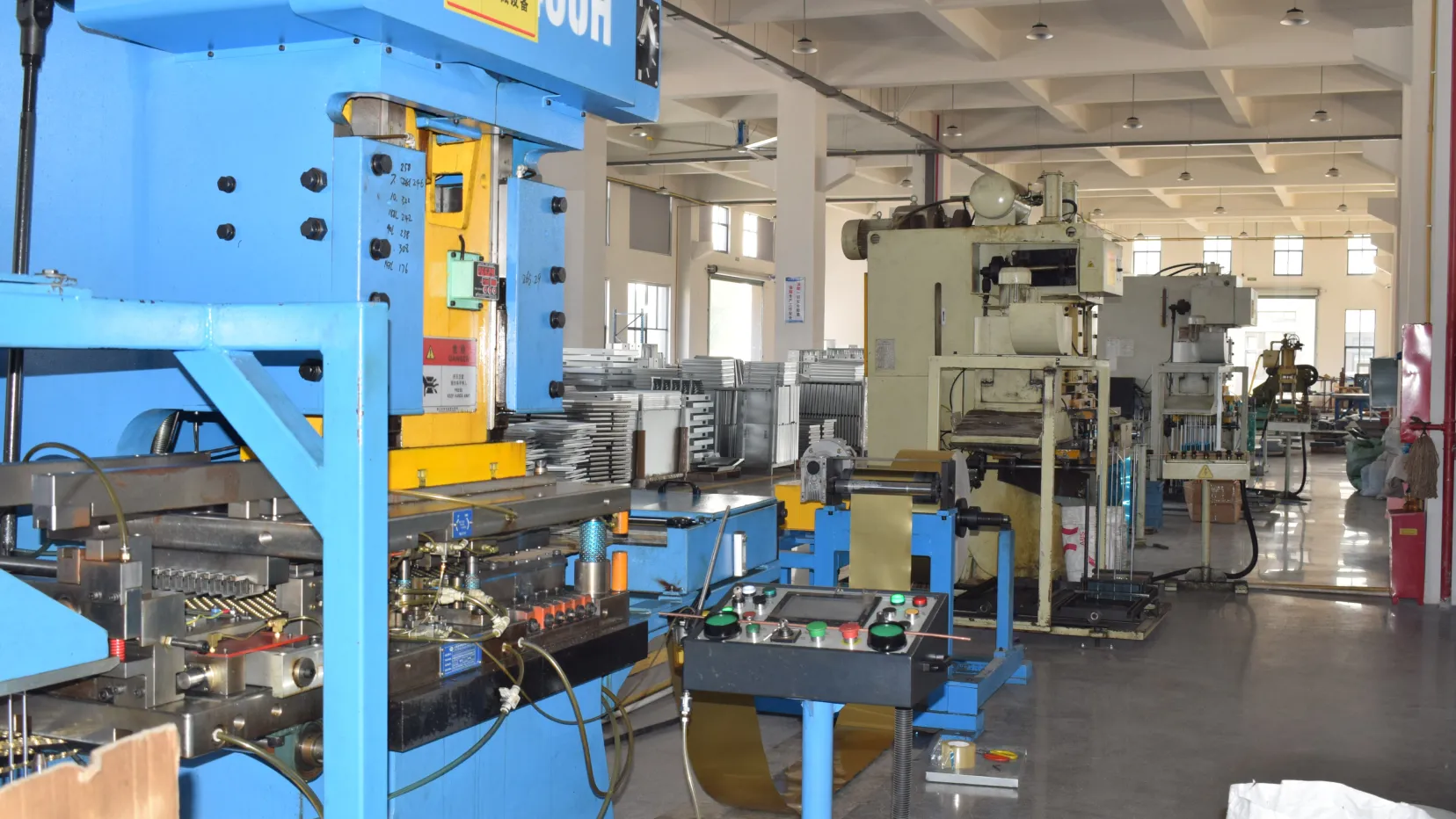
GDH, GDH-CE, and ROD greenhouse units are produced at our Jiaxing production base, built to CE, ETL, RoHS, and ISO 9001, with MERV-13/F7 filtration and continuous drainage as standard. For a load calculation based on your crop, irrigation rate, house volume, and climate zone, send the project data to SHISHUO Engineering.
Planning Moisture Load by House Size
Planning figures for a moderately planted house; the real load follows irrigation volume and crop. Step up for supplemental lighting, dense canopies or hydroponics, and cold-climate winter operation.
| Greenhouse / Grow Space | Approx. Floor Area | Planning Moisture Load | Recommended SHISHUO Series |
| Propagation / hobby house | Up to 30 m² | 30–90 L/day | GDH-50E to GDH-90E portable |
| Small tunnel / hoop house | 30–100 m² | 90–240 L/day | GDH-90E to GDH-156E, or GDH-CE90 to CE156 |
| Mid-size glasshouse | 100–300 m² | 240–600 L/day | GDH-CE156 to GDH-CE380 ducted |
| Large commercial range | 300–800 m² | 600–1,440 L/day | GDH-CE480 to CE720, or GDH-480E to GDH-1440E |
| Multi-bay nursery / indoor farm | Above 800 m² | 1,440 L/day and up | Multiple GDH-960E to GDH-1440E units |
| Cold-climate / winter operation | Any area, low temp | Load plus cold margin | ROD desiccant, or GDH-CE with M-CoRR defrost |
Refrigerant or Desiccant — the Split
Most greenhouses run compressor units; desiccant units earn their place in the cold.
| Refrigerant (compressor) | Desiccant (rotary) | |
| How it works | Cools air below its dew point so water condenses out | Adsorbs moisture onto a rotor, then purges it with heat |
| Best operating range | Warm to mild, roughly above 10–15°C | Cold and dry, holds output below 10°C |
| Energy use | Lower per liter in warm air | Higher, but works where compressors stall |
| Typical greenhouse fit | Main-season and heated commercial houses | Winter houses, low-temp curing, cold propagation |
| SHISHUO series | GDH-CE, GDH, portable GDH | ROD rotary desiccant |
We support industrial temperature and humidity control projects with clear specifications, stable equipment, and practical system advice. Share your application details and capacity requirements—our team will respond with a suitable solution and quotation.
Get a Quick QuoteHi! Click one of our member below to chat
on WhatsApp
General Manager
Business Development Manager