


Search
Enter keywords to search for products, blog posts, and more.
Enter keywords to search for products, blog posts, and more.





The SSPAC series is our portable spot cooler range — five models from roughly 0.75 to 1.4 tons of cooling. Every model has a directional cold-air outlet (120 mm), a hot-air exhaust duct (180–220 mm), a 24-hour timer, touch-screen automatic temperature control, high/low fan speed, R290 / R32 refrigerant, and heavy-duty casters. All run on 220V/50Hz single-phase power.
Series
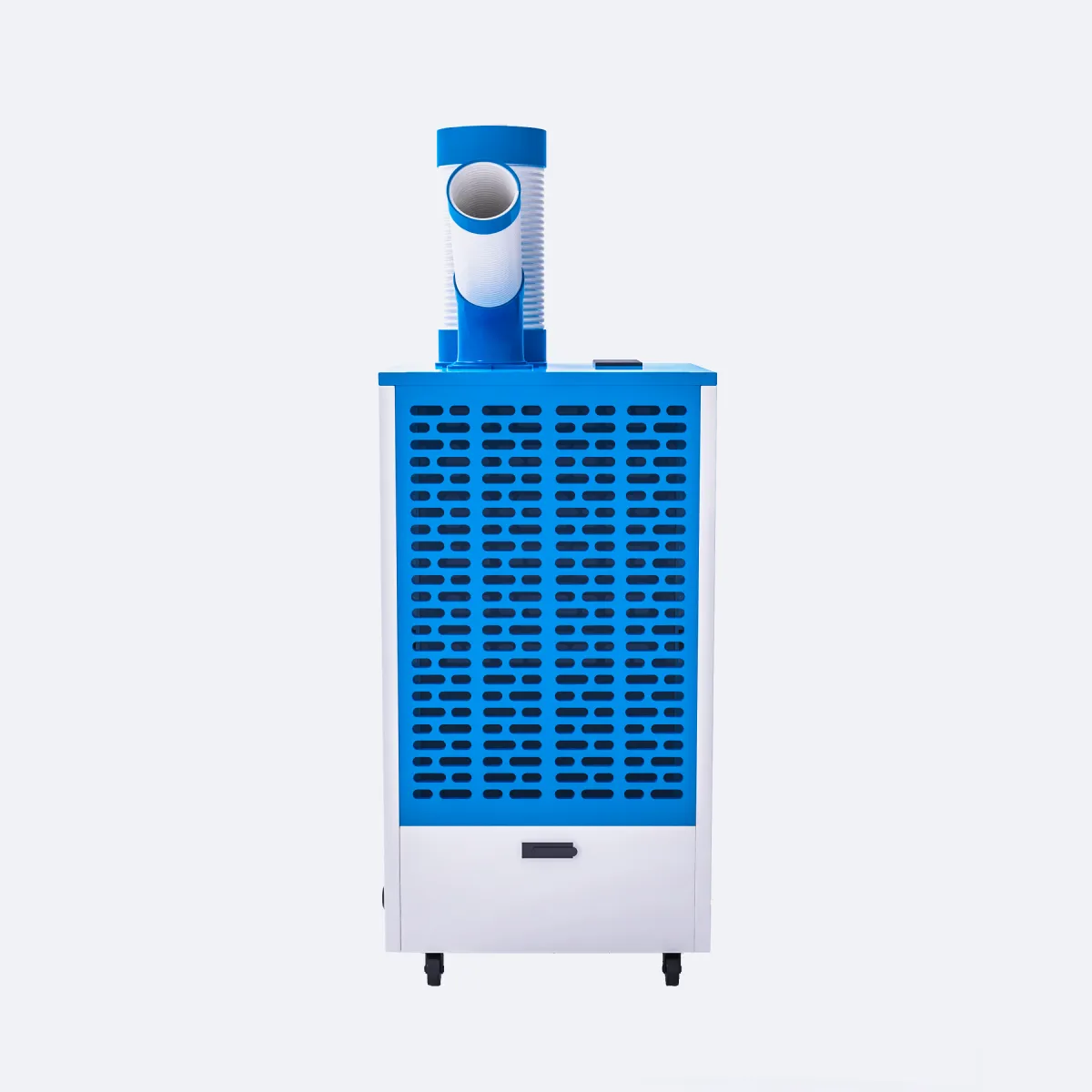
Capacity & Application
Cooling capacity: 2,700–5,000 W (220V). Portable spot cooler for localized heat relief at workstations, equipment, and process zones. Touchscreen control, air filtration, and wheeled chassis for deployment without installation. Models: SSPAC-27 to SSPAC-50.
Series
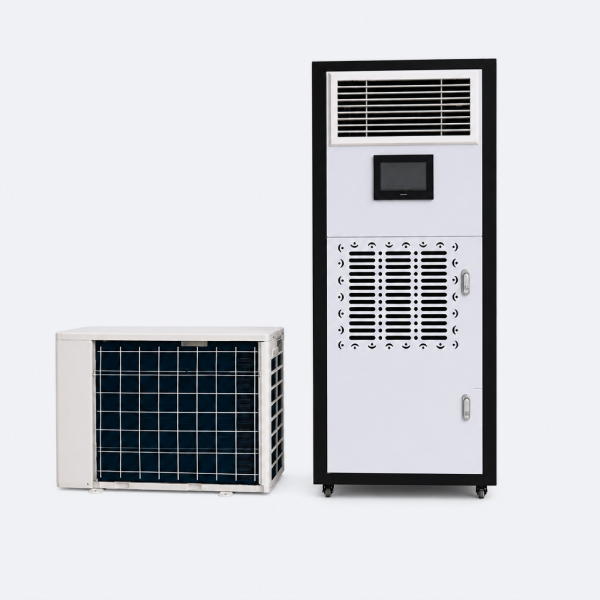
Capacity & Application
Humidification: 2–15 kg/h (220V/380V). Split precision air conditioner with heating, cooling, and dehumidification; PLC touchscreen control; rated for continuous data center and server room duty. Models: HSJ-03 to HSJ-60.
Series
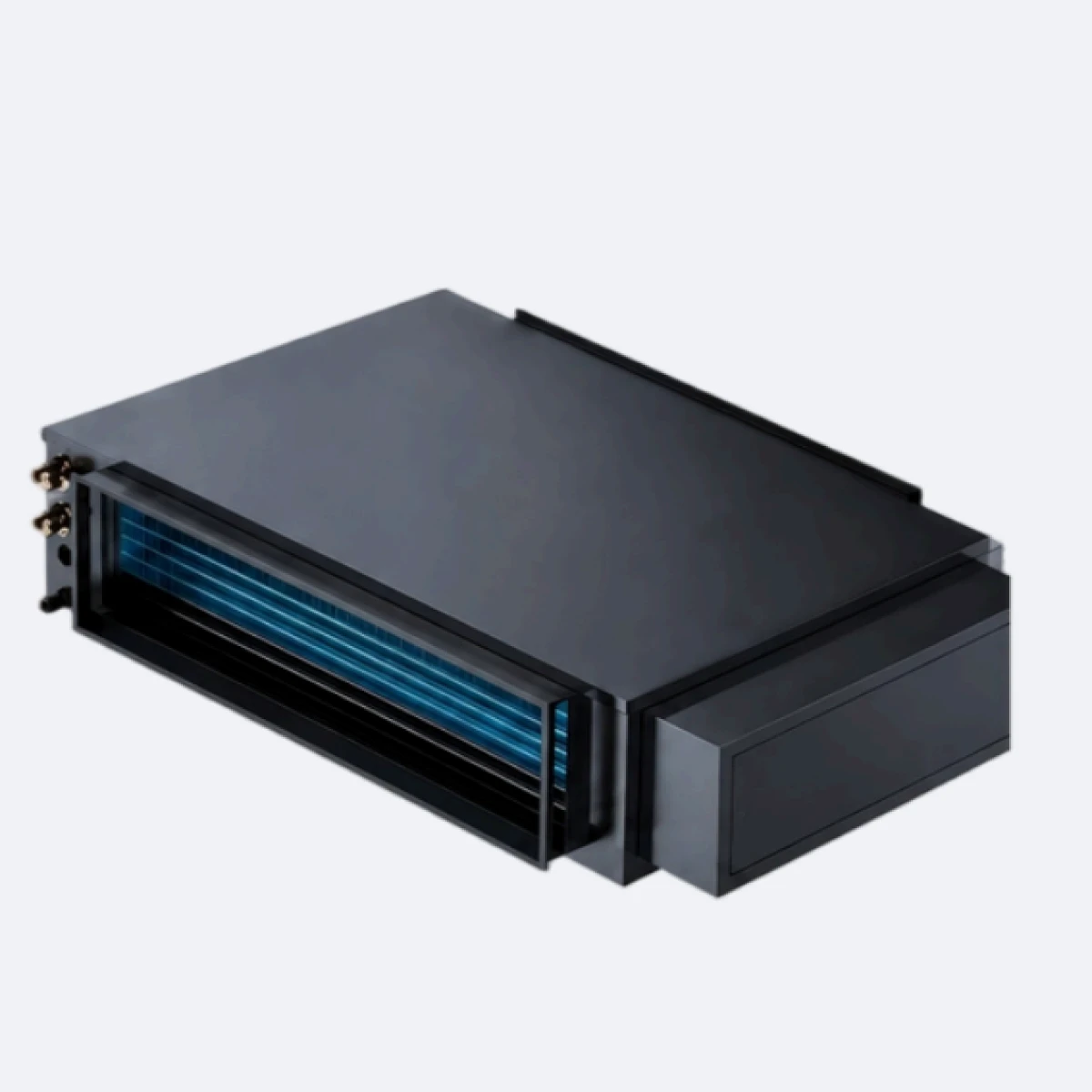
Capacity & Application
Cooling capacity: 3–68 kW. Concealed ceiling-ducted unit integrating cooling, heating, dehumidifying, and humidifying with zero floor footprint. Touch control interface and industrial-grade component protection. Models: DXHW-3 to DXHW-70.
Series
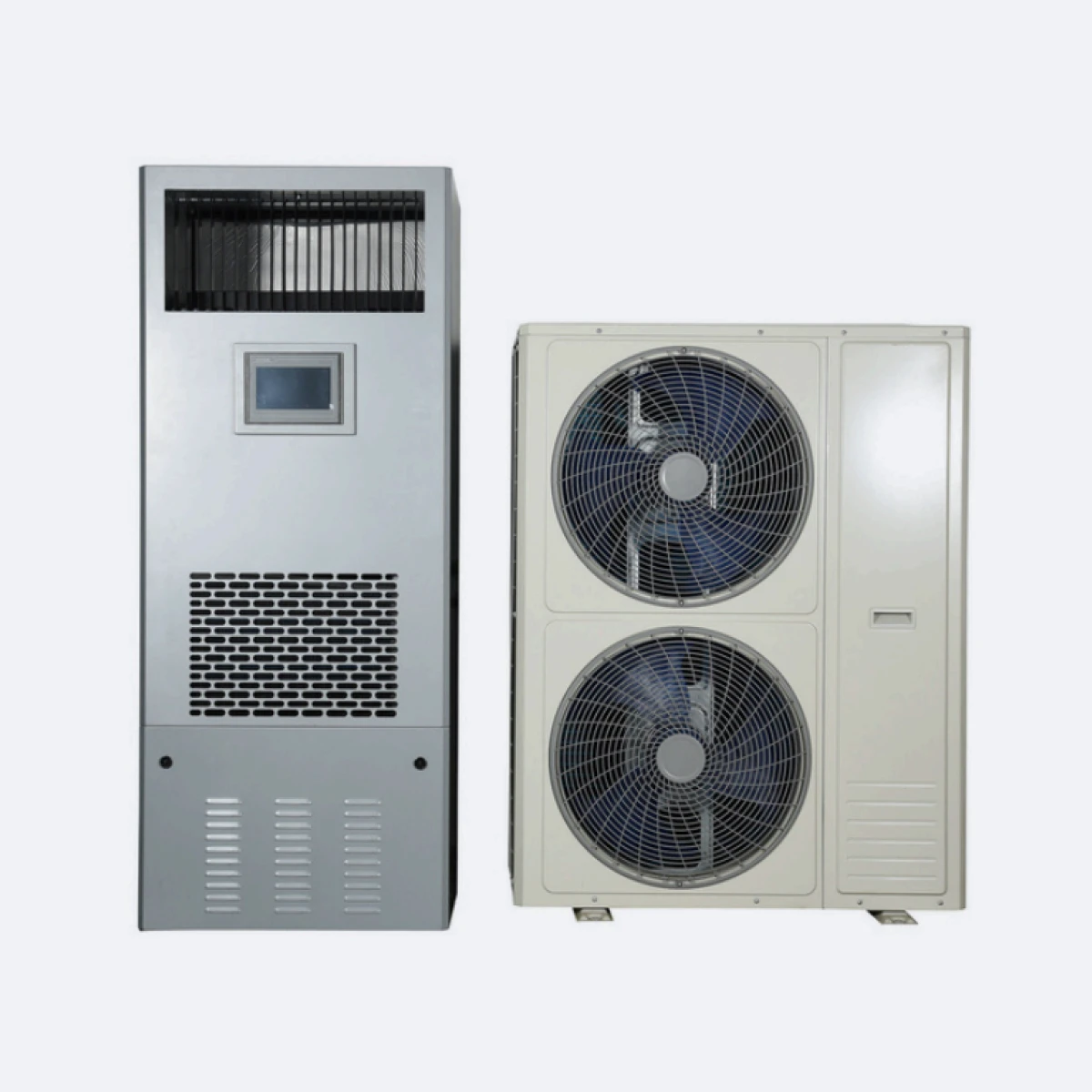
Capacity & Application
Cooling capacity: 3–68 kW. Holds ±1°C and ±5% RH for 24/7 commercial and industrial facilities. Powder-coated corrosion-resistant shell. Models: DXHW-3 to DXHW-70.
• GDH and GDH-CE Dehumidifiers (38–1,440 L/day) plus ROD Rotary Desiccant — moisture removal
• UH-DS Ultrasonic Humidifiers (2–30 kg/h) — humidification
• Constant Temperature and Humidity Units — when temperature and humidity must both be held to spec
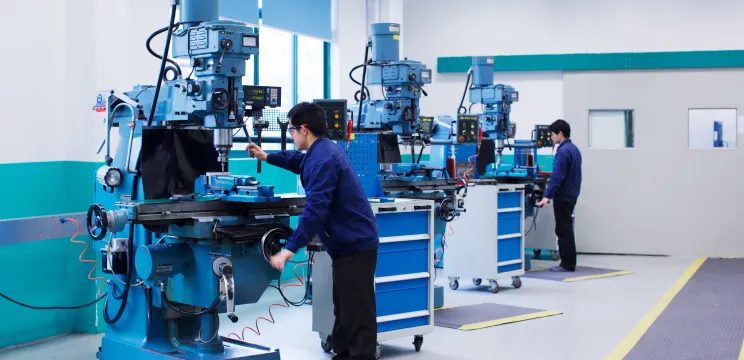
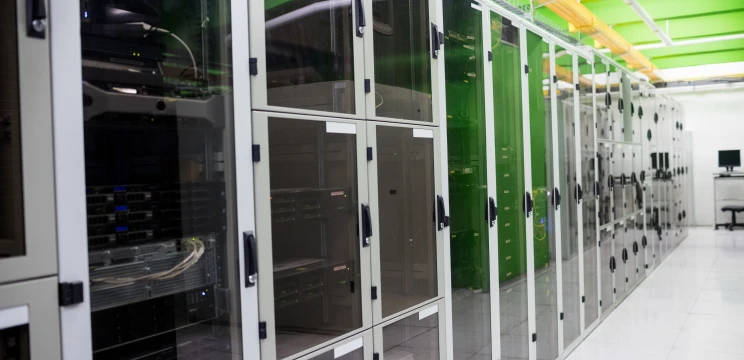
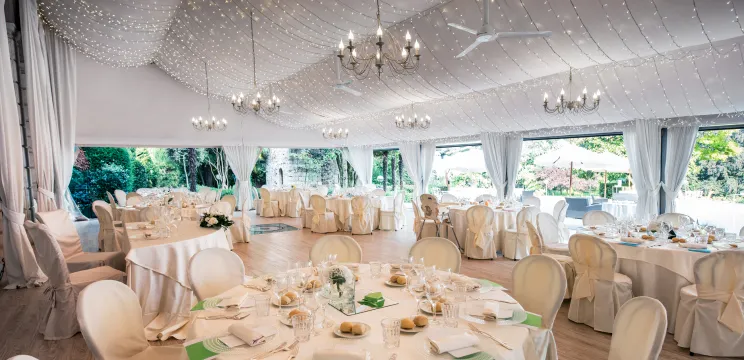

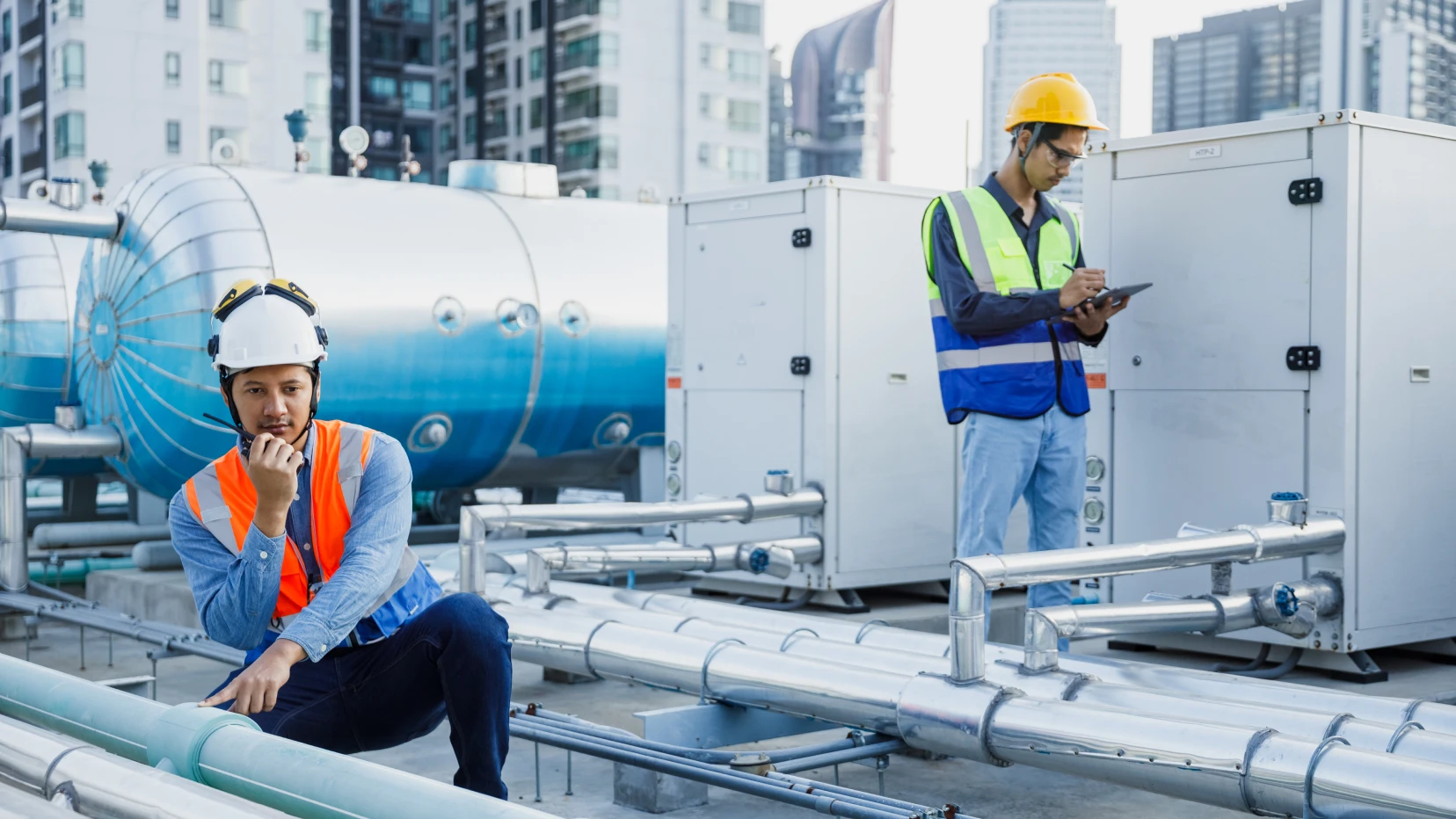
Send us your greenhouse dimensions, cultivation stage, target humidity, and operating temperature. Our engineering team will recommend the right SHISHUO model and capacity.
Request Sizing Download Catalog amy@shishuodehu.comSwitch between the tabs below to learn more. Each tab links to a dedicated page.
Company Overview
Founded 2015 ; Jiaxing production base 2023 (Zhejiang Shishuo); R&D, production, technical service integration; Shanghai-based international sales team
LEARN MORE
Quality Inspection
Functional testing and 100% final inspection before shipment (per catalog Step 5); workshop-level inspection at heat exchanger and assembly stages
LEARN MORE
OEM & ODM Solutions
6-step customization flow per catalog: requirement analysis → solution & model selection → specification confirmation → production & assembly → testing → packaging & shipping
LEARN MORE
Certifications
Quality, environmental, and occupational health management system certifications; product safety certifications (CCC and CE class) shown in catalog
LEARN MORE
A spot cooler is a portable, self-contained refrigeration unit that delivers cold air to a specific point — a worker, machine, or process zone — instead of cooling a whole room. It has a directional cold-air outlet and a hot-air exhaust duct, rolls on casters, and plugs into a standard outlet. It is the standard industrial and commercial solution for localized heat where central HVAC is impractical or too expensive.
They are the same type of product — 'spot cooler' is the industrial and commercial term, while 'portable air conditioner' is the more consumer-oriented term for the same self-contained, wheeled, exhaust-ducted unit. In professional cooling, 'spot cooler' specifically emphasizes targeted, directional cooling of a point rather than a whole room. The SHISHUO SSPAC is a portable spot cooler in this sense.
Size by the heat load at the point of use, in tons or BTU/h, not by room area. As a guide: a single workstation or server closet typically needs 0.75–1 ton (SSPAC-27 to SSPAC-35); a welding bay, dock, or small group 1.1–1.3 ton (SSPAC-40 to SSPAC-45); a high radiant-heat station like injection molding 1.4 ton (SSPAC-50). For higher tonnage or several hot spots, deploy multiple units. Send us the heat sources and station layout for an exact recommendation.
Not uniformly — that is not its job. A spot cooler creates a cooled microclimate within about 3–5 meters of the outlet, typically 5–10°C below ambient, exactly where it is aimed. For uniform whole-room temperature you need central HVAC; for targeted relief at the people and equipment that actually need it, a spot cooler does it far more cheaply and flexibly.
Out of the cooled area. Each unit has a hot-air exhaust duct that must be routed away from the target — through a wall, window, or ceiling plenum to the exterior, or simply aimed toward an uninhabited area in a large open space. Discharging the exhaust back into the same small space gives no net cooling, so plan the exhaust route before positioning the unit.
Yes. Spot coolers are widely used in server rooms and network closets for emergency backup when building HVAC fails, off-hours cooling, and hot-spot relief. Aim the cold outlet at the rack inlets, route the exhaust out of the room, and use the 24-hour timer and continuous drain for unattended operation. Match the model to the room's heat load.
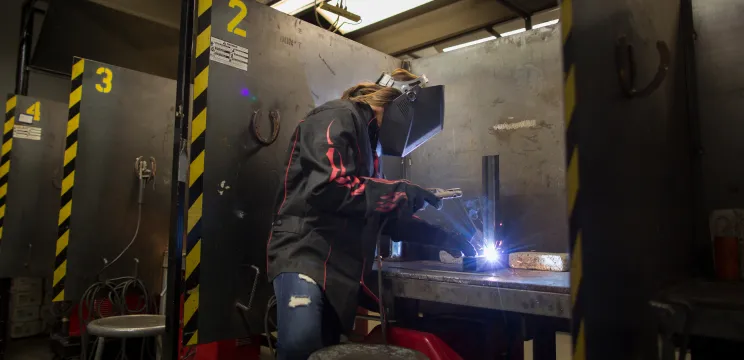
Yes, with the right setup. For outdoor and construction use, route the exhaust away and provide power (a generator where needed). For welding, aim the cold air at the operator's body — never at the arc, which would disturb the shielding gas — and keep the unit out of the spatter zone. For high radiant-heat stations (molding, forging), use the higher-output SSPAC-45 or SSPAC-50.
Yes. SHISHUO is an export manufacturer — we sell spot coolers factory-direct worldwide and support OEM (your branding on our hardware, common for rental fleets) and ODM (voltage, duct configuration, control interface, cabinet, packaging). Standard units are 220V/50Hz; 110V/60Hz and 240V/50Hz on ODM. Contact us with your heat load, quantity, and destination market for a recommendation, certificates where applicable, and a quotation.
Spot Cooling: Engineering Reference
Spot cooling inverts the logic of central HVAC. Instead of conditioning an entire building volume — most of which is empty air near the ceiling — a spot cooler delivers its full capacity to the point where heat or people actually are. In a high-bay factory, cooling the whole volume to comfort conditions is rarely economical; cooling the twelve workstations where operators stand is. The trade-off is inherent to the technology: expect a strong temperature drop within 3–5 meters of the directional outlet, not a uniform room temperature.
Typical Heat Loads at the Point of Use
| Heat Source | Typical Load | Application Reference |
|---|---|---|
| Worker (moderate activity) | 150–250 W sensible per person | Assembly stations, inspection lines — see factory spot cooling |
| Server rack / IT cabinet | 3–5 kW per rack | Server closets, edge rooms — see server room spot cooling |
| Welding bay | 2–6 kW radiant + process heat | Fabrication and repair shops |
| Electric motor / drive | 3–5% of rated power as local heat | Process equipment enclosures |
| Tent or temporary structure | Solar gain dominates; size by floor area and occupancy | Events and exhibitions — see tent and event cooling |
Where the load exceeds a single unit's 0.75–1.4 ton capacity, deploy multiple units across the hot spots rather than oversizing one — distributed placement also removes the single point of failure.
Exhaust Routing: the Step That Decides Whether Cooling Works
A spot cooler is a complete refrigeration system in one cabinet, which means the heat removed from the target zone — plus the compressor's own heat — leaves through the hot-air exhaust duct. If that exhaust discharges back into the same enclosed space, net cooling is zero or negative. Route the exhaust through a wall opening, window panel, or ceiling plenum before the unit is positioned. Condensate collects in an internal tank on standard models, with a continuous-drain option for unattended operation.
Power, Refrigerant, and Duty
All SSPAC models run on standard 220V/50Hz single-phase power — no special electrical work — and use R290 or R32 refrigerant. The 24-hour timer and automatic temperature control support unattended operation for overnight process cooling and server room duty.
Manufacturing and Rental-Fleet Supply
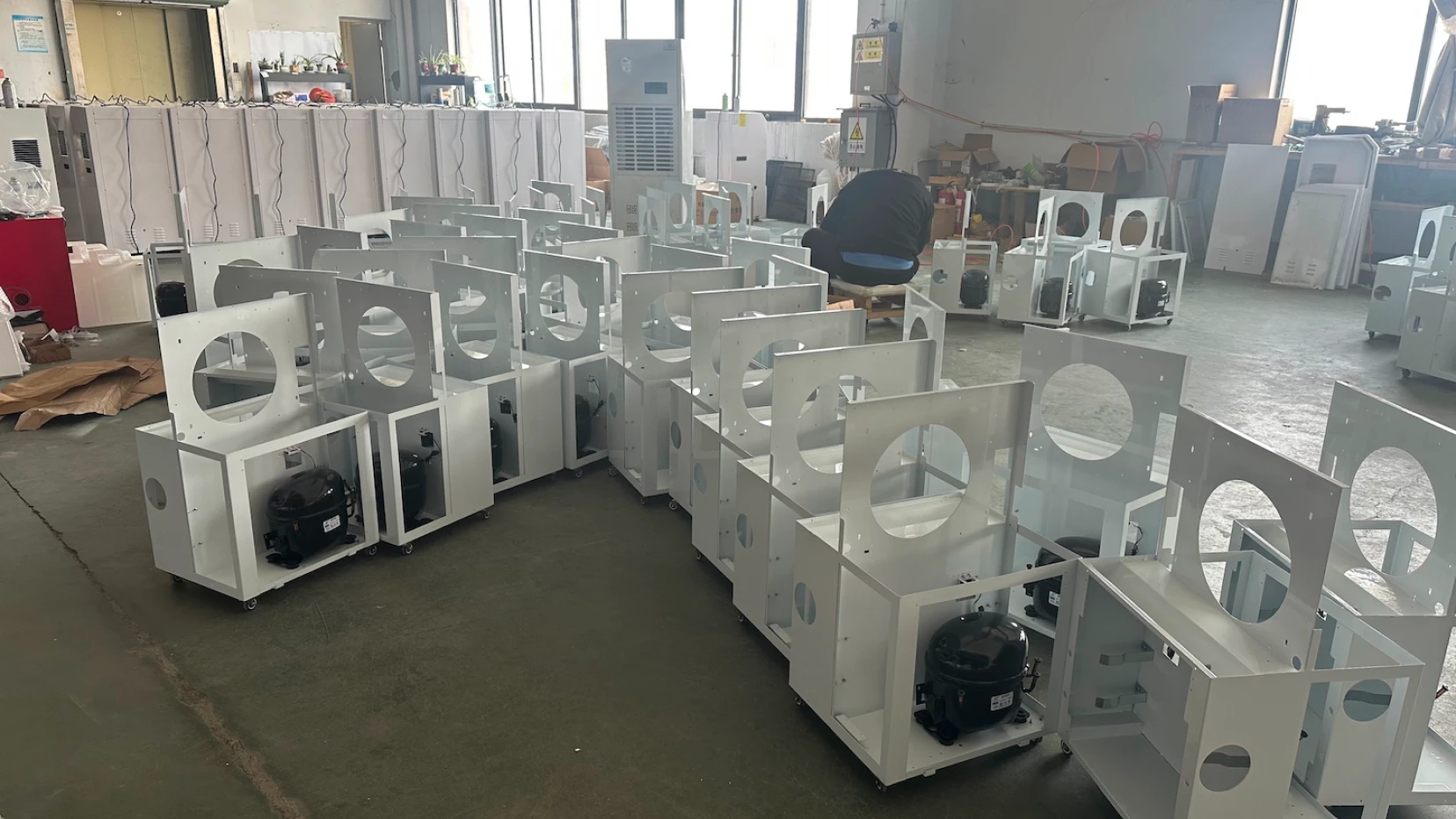
SSPAC units are produced at our Jiaxing production base and are supplied factory-direct to industrial end users, event contractors, and rental fleets — rental operators are a significant OEM customer group for this product line, with cabinet branding, voltage, and control configurations adjusted at the project level. For sizing against your heat load, contact SHISHUO Engineering.
Scenario-to-Model Matrix
Step up to SSPAC-45/50 for high radiant heat (molding, forging, welding); a semi-enclosed zone can hold a controlled local temperature, while open zones give a 5–10°C drop rather than a setpoint; for several hot spots, deploy multiple units — directional cooling reaches 3–5 m.
| Scenario | Cooling Need | Heat Factor | Recommended Model |
| Single workstation / server closet | 0.75–1 ton | 1–2 workers, low heat | SSPAC-27 to SSPAC-35 |
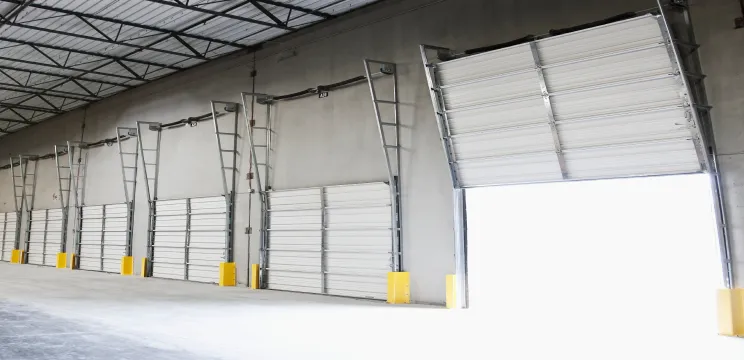
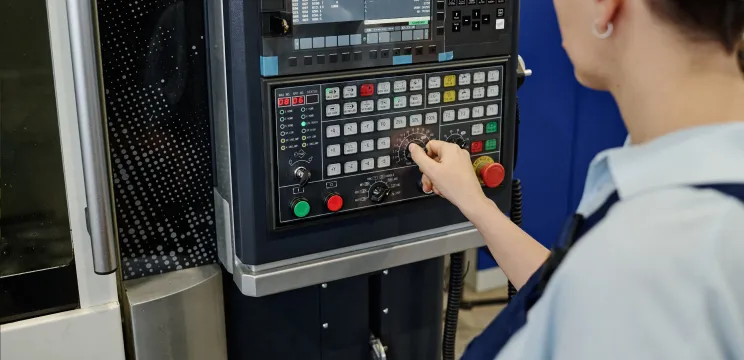
| Assembly line / CNC operator | 1.0 ton | Continuous activity | SSPAC-35, one per station |
| Welding bay / dock / small group | 1.1–1.3 ton | Higher radiant or infiltration | SSPAC-40 to SSPAC-45 |
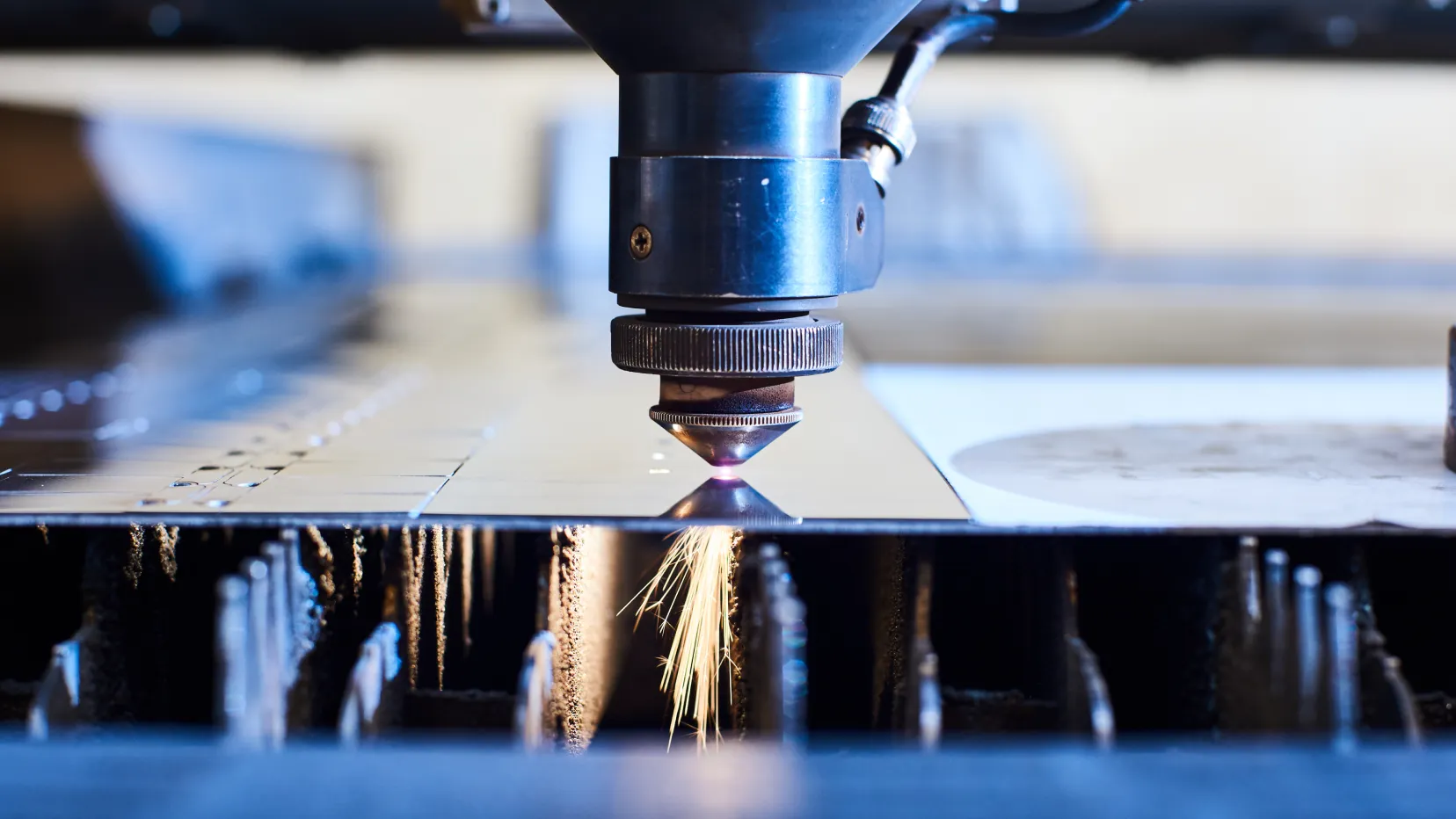
| Injection molding / high radiant heat | 1.4 ton | Intense localized heat | SSPAC-50 |
| Higher tonnage / multiple zones | 2 ton+ | Large or multi-point | Multiple SSPAC units, deployed per zone |
We support industrial temperature and humidity control projects with clear specifications, stable equipment, and practical system advice. Share your application details and capacity requirements—our team will respond with a suitable solution and quotation.
Get a Quick QuoteHi! Click one of our member below to chat
on WhatsApp
General Manager
Business Development Manager