


Search
Enter keywords to search for products, blog posts, and more.
Enter keywords to search for products, blog posts, and more.
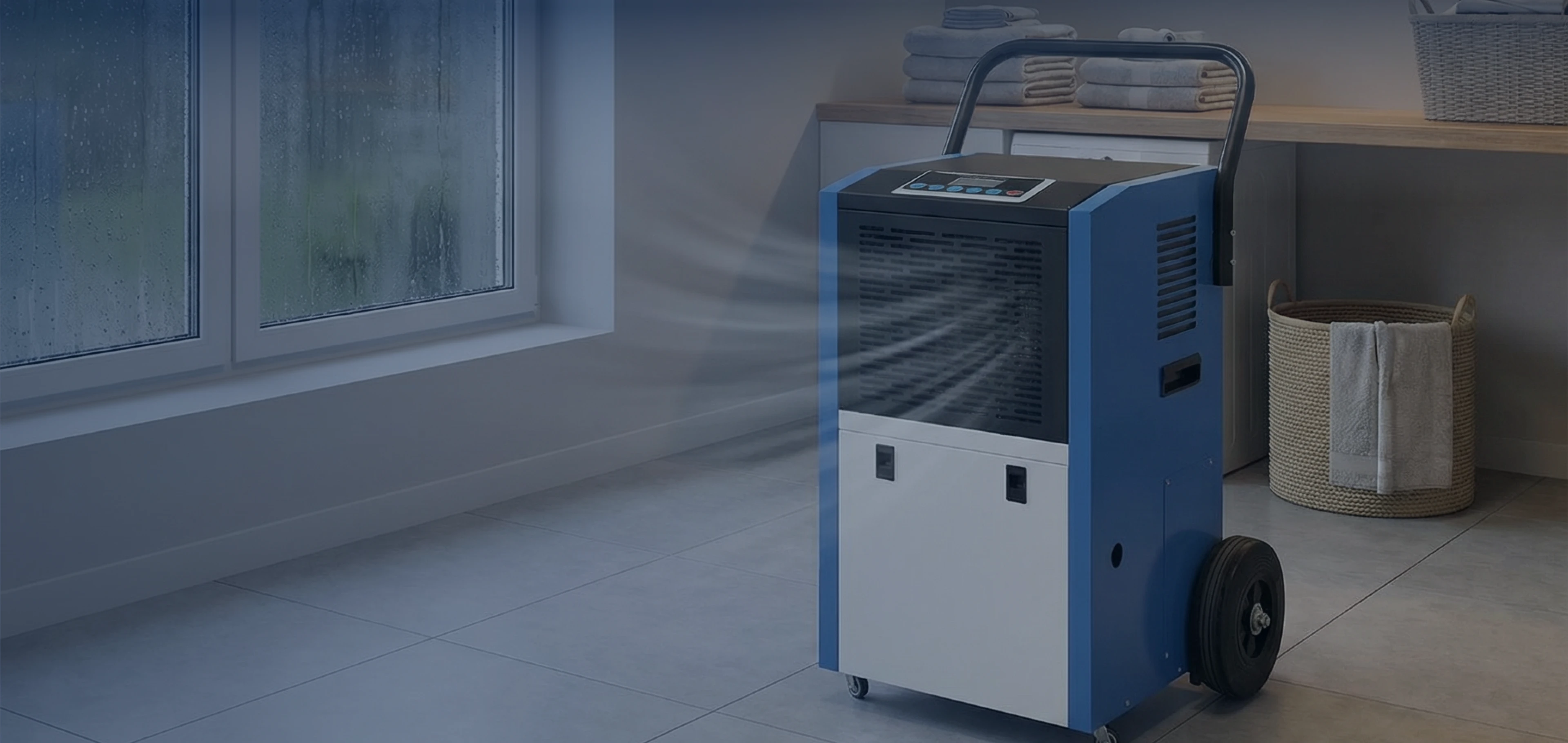




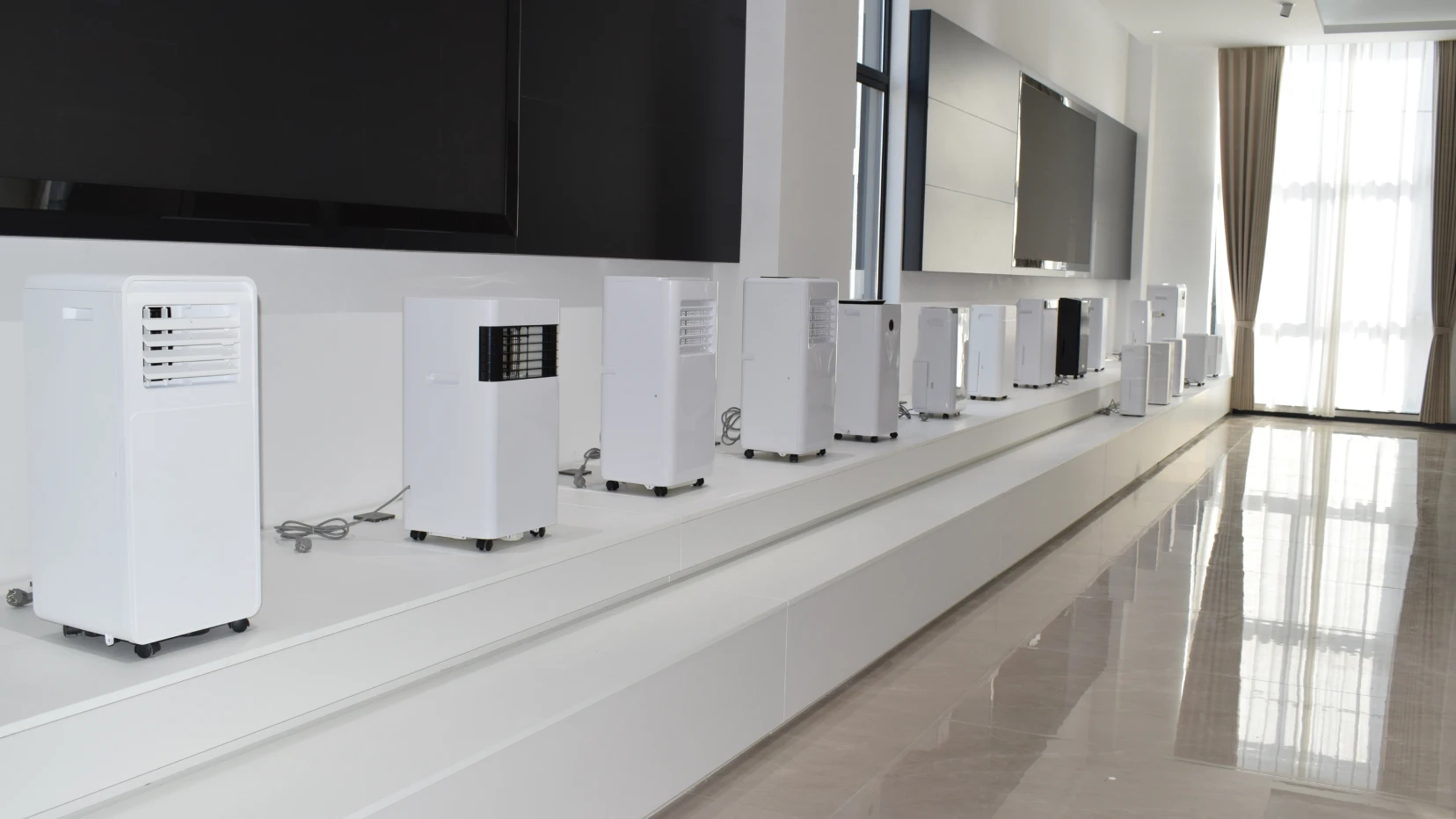
We manufacture four series of dehumidification equipment, organized by application and installation type. Click any series below to view full model specifications.
Series
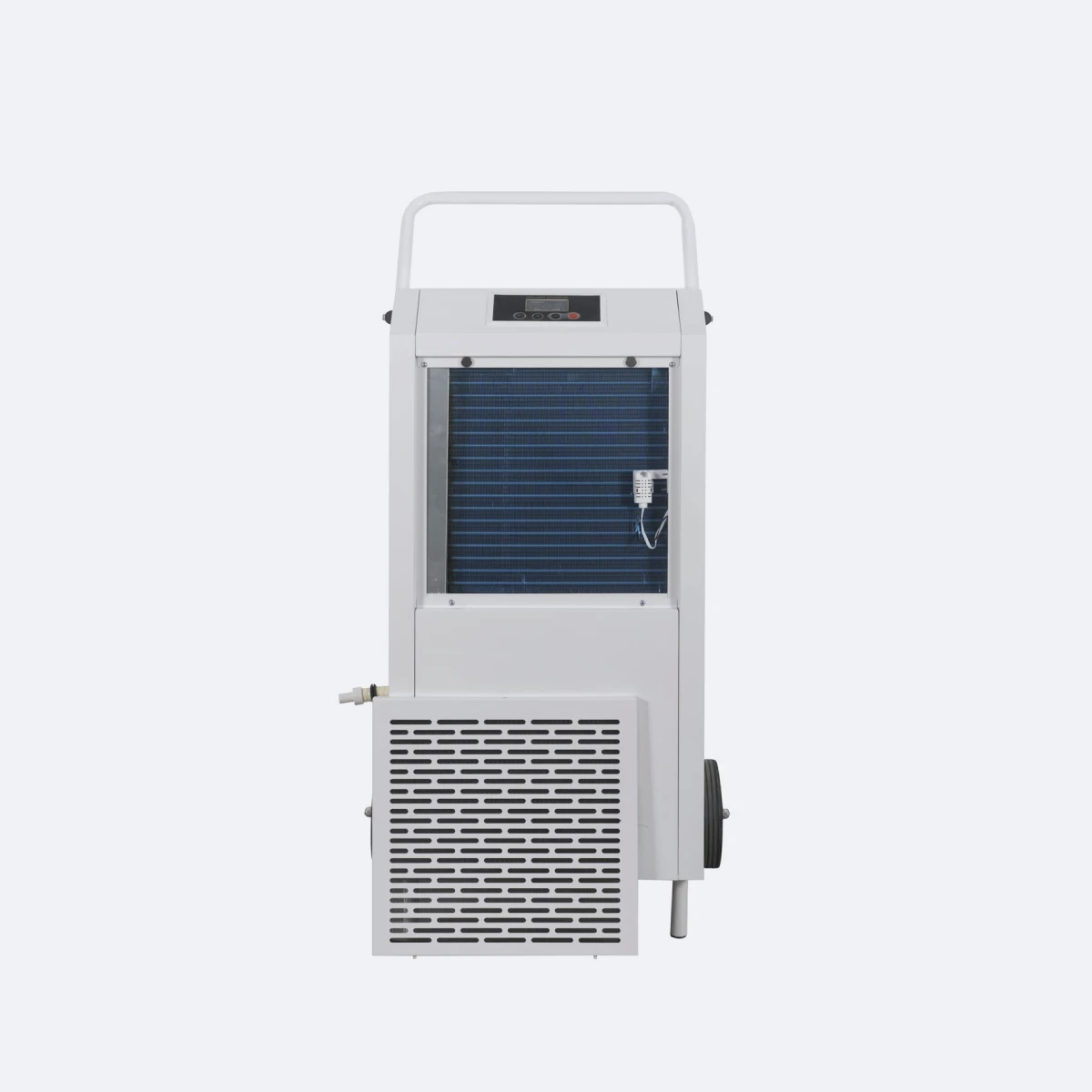
Capacity & Application
The GDH-156E is a high-capacity dehumidifier delivering 156 L/day extraction in a two-wheel handle-cart format. 49 kg net weight, 520 × 630 × 1260 mm cabinet, 1800 W rated power, 1200 m³/h airflow, and recommended coverage of 140–160 m².
Series
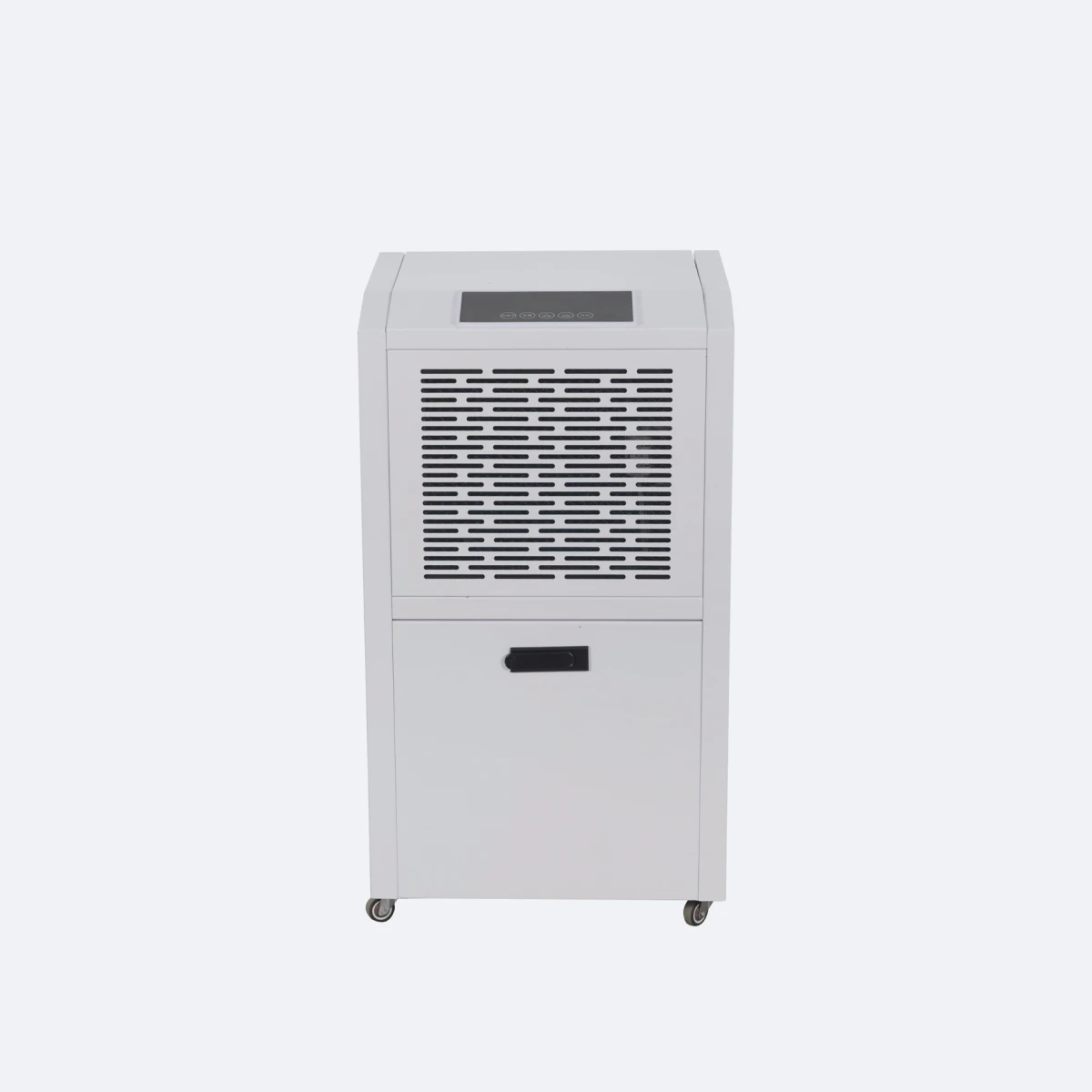
Capacity & Application
The GDH-60E delivers 60 L/day (220V/50Hz) in a compact wheeled cabinet for smaller commercial spaces — storage rooms, archives, utility areas, and garages up to about 60–80 m². Water tank with optional drain hose connection, automatic defrost, and LCD humidity control as standard.
Series
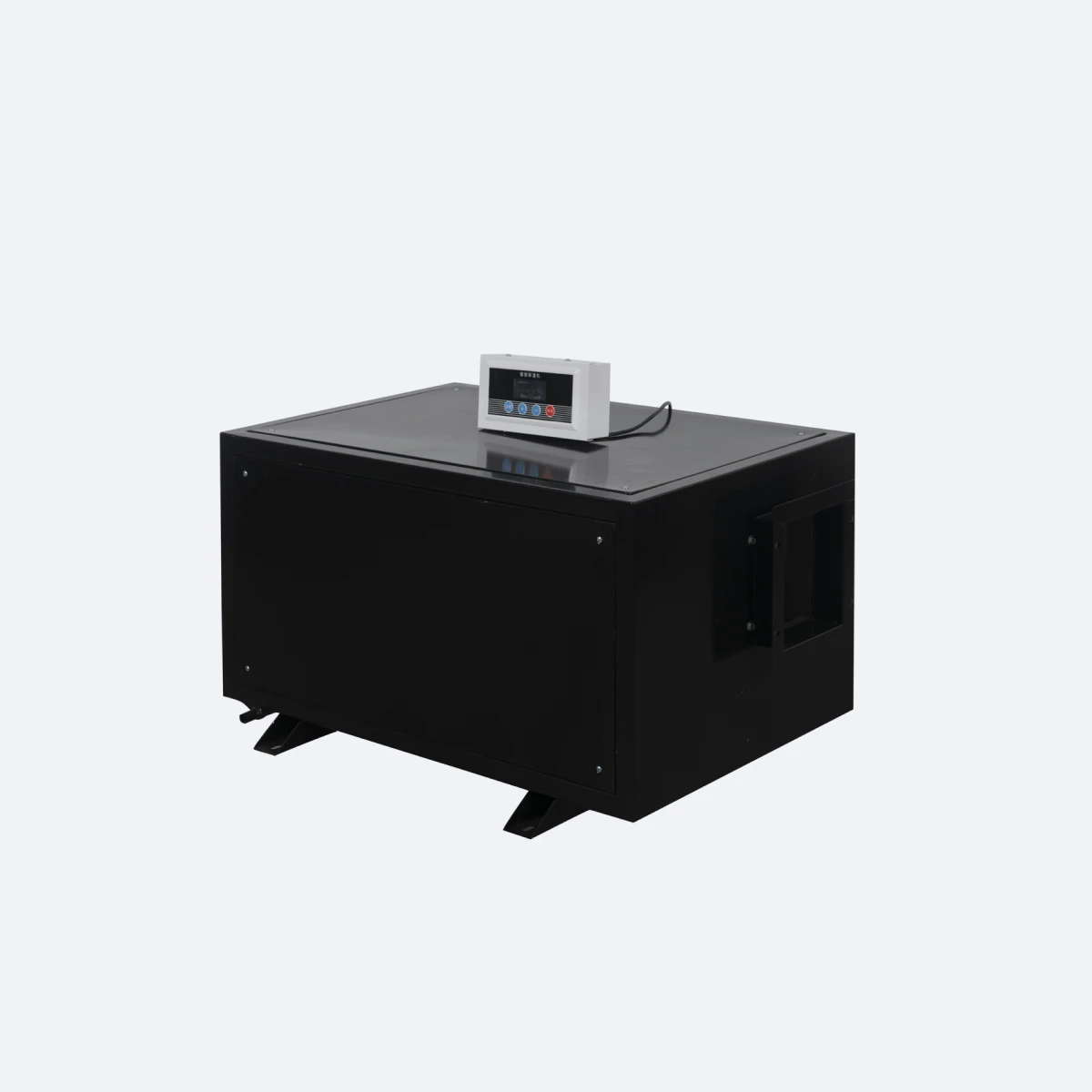
Capacity & Application
Extraction: 90–168 L/day (220V/50Hz). Concealed ceiling installation for facilities where floor space is occupied. Direct hose drainage for continuous unattended operation. Models: GDH-CE90 / GDH-CE138 / GDH-CE156 / GDH-CE168.
Series
Capacity & Application
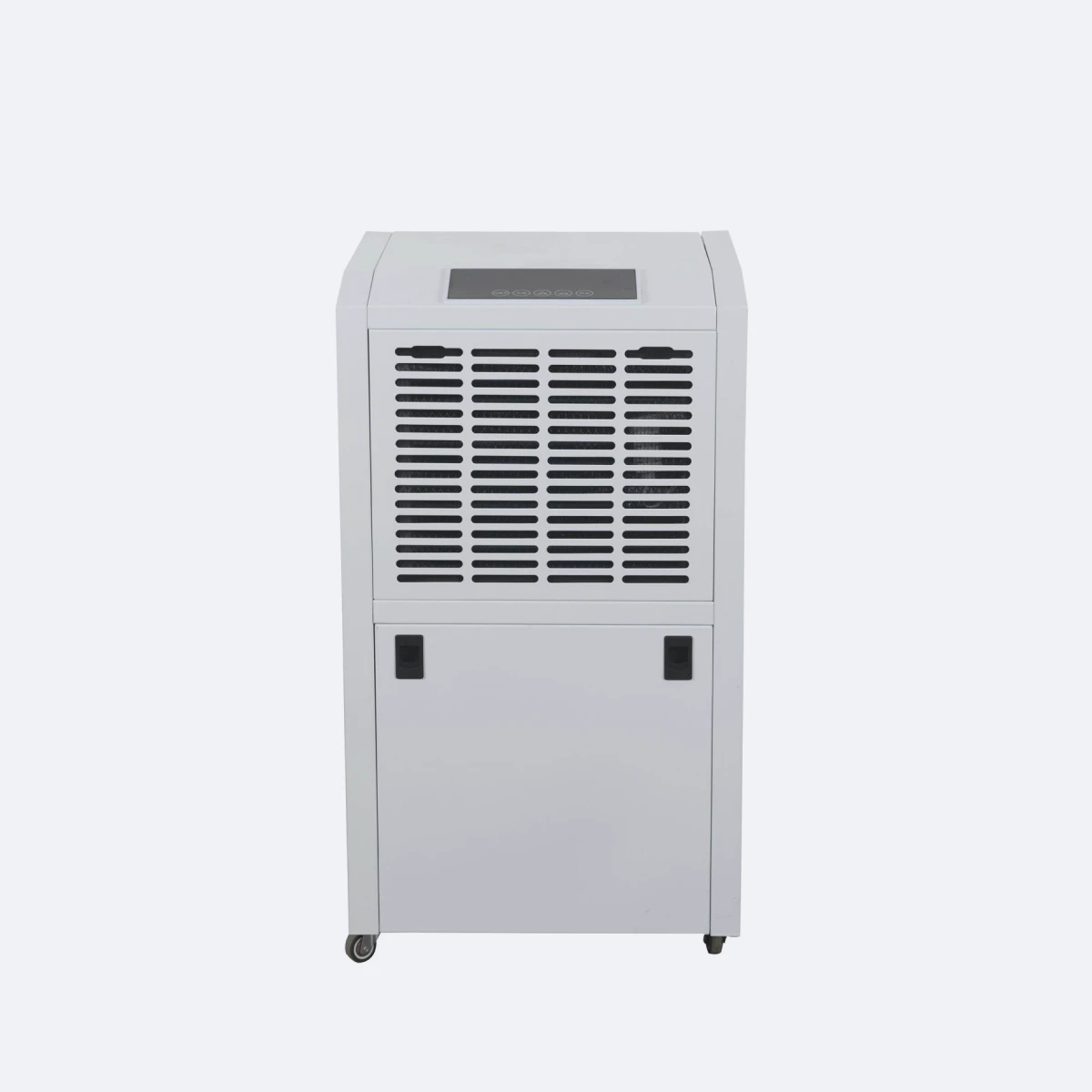
50–58 L/day (220V/50Hz). Heavy-duty cabinet with transport handle and casters for commercial and residential applications: warehouses, workshops, basements, storage rooms, archives, and garages. Dual drainage (water tank + drain hose), low-noise operation, R290/R134a refrigerant. Models: GDH-50E and GDH-58E.
• UH-DS Ultrasonic Humidifiers (2 kg/h to 30 kg/h) — UH-DS-02E through UH-DS-30E
• DXHW Floor-Standing Temperature & Humidity Control Unit (2 kg/h to 20 kg/h) — DXHW-3 through DXHW-70
• DXSL Integrated Humidifier & Dehumidifier Units (3 kg/h to 40 kg/h) — DXSL-60 through DXSL-480

Send us your greenhouse dimensions, cultivation stage, target humidity, and operating temperature. Our engineering team will recommend the right SHISHUO model and capacity.
Request Sizing Download Catalog amy@shishuodehu.comSwitch between the tabs below to learn more. Each tab links to a dedicated page.
Company Overview
Founded 2015 ; Jiaxing production base 2023 (Zhejiang Shishuo); R&D, production, technical service integration; Shanghai-based international sales team
LEARN MORE
Quality Inspection
Functional testing and 100% final inspection before shipment (per catalog Step 5); workshop-level inspection at heat exchanger and assembly stages
LEARN MORE
OEM & ODM Solutions
6-step customization flow per catalog: requirement analysis → solution & model selection → specification confirmation → production & assembly → testing → packaging & shipping
LEARN MORE
Certifications
Quality, environmental, and occupational health management system certifications; product safety certifications (CCC and CE class) shown in catalog
LEARN MORE
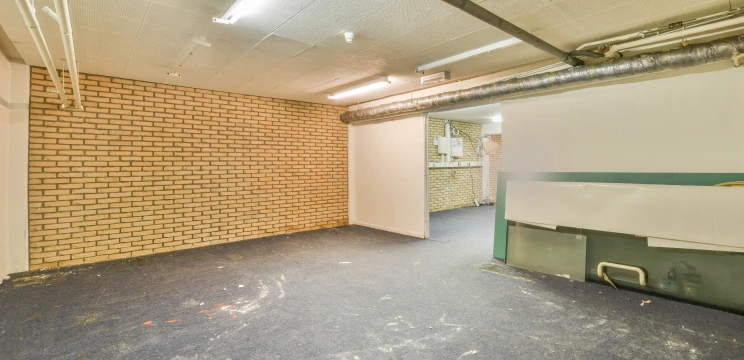
For a standard 100 m² commercial basement with a 2.8–3.0 m ceiling and normal infiltration, the GDH-58E (58 L/day) or GDH-90E (90 L/day) is the typical specification. Choose GDH-58E if the basement is dry-sealed with low moisture infiltration; choose GDH-90E if there are foundation moisture issues, frequent door openings to outside, or internal moisture sources (laundry, water utility). For ducted installation through HVAC, GDH-CE56 or GDH-CE90 from our ceiling-mounted line is the equivalent.
Yes. Crawl space dehumidifier installation is a major application for our portable GDH series — GDH-50E or GDH-58E handles encapsulated crawl spaces up to about 100 m². For installation in a non-encapsulated crawl space (no 6-mil vapor barrier on the ground), size up by one model because moisture infiltration from the soil will be continuous. Direct the unit's drain hose to a sump pump or exterior gravity drain — do not leave condensate to accumulate in the crawl space.
Three differences: (1) Duty cycle — commercial units run continuously through the moisture season; residential cycle on/off through the day; (2) Power — commercial uses 220V single-phase (in some markets 110V/60Hz for OEM); residential uses standard household 110V/240V at lower current draw; (3) Drainage — commercial offers continuous drain hose connection for unattended operation; residential uses a tank you empty. SHISHUO commercial units are built for the first specification — continuous duty with continuous drainage.
Our catalog publishes capacity in L/day at 30°C / 80% RH test conditions, which is a warmer and more humid condition than the AHAM standard (80°F / 60% RH = 26.7°C / 60% RH) used by most North American brands. To convert: multiply our L/day figure by approximately 0.62 to get the equivalent AHAM L/day, then by 2.11 to get PPD. For example, GDH-60E rated 60 L/day in our catalog corresponds to about 37 L/day or 78 PPD at AHAM conditions. Under the cooler DOE 2019 standard (65°F / 60% RH), the figure drops further to about 23 L/day. We publish both numbers in our product matrix tables so you can compare directly with AHAM-rated competitors. This temperature-dependence applies to all compressor refrigerant dehumidifiers — not just ours.
Yes. SHISHUO is a manufacturer of commercial dehumidifiers, not a trading company. We support OEM (your branding, packaging, manual on our standard hardware) and ODM (modified hardware to your specification). The OEM/ODM process follows our standard 6-step flow: requirement analysis, solution and model selection, specification confirmation, production and assembly, testing and 100% final inspection, packaging and shipping. Voltage, refrigerant, color, controls, and packaging are all adjustable at the project level.
Three refrigerants are used across the range, depending on model and market: R290 (propane, low GWP, preferred for EU), R134a (used in some lower-capacity models), and R32 (newer EU and Asia-Pacific standard). For OEM projects to specific markets, we can specify the refrigerant to match local regulation.
All compressor refrigerant commercial dehumidifiers in the GDH and GDH-CE range operate between 5°C and 38°C ambient. Below 5°C, the evaporator coil cannot stay above frost point even with automatic defrost, so capacity falls off sharply. If you need extraction below 5°C — cold storage rooms, unheated winter garages, refrigerated logistics — choose a desiccant unit from our ROD series instead, which extracts moisture by adsorption rather than condensation and is not temperature-limited the same way.
Our GDH-CE ceiling-mounted models are designed for concealed overhead or in-plenum installation, ducted to the conditioned space. They are not designed for wall surface mounting in the way some North American residential dehumidifiers are configured. If your project requires wall-mounted dehumidifier installation specifically (for example, a slim profile mounted to a wall in a corridor), discuss this with us at the inquiry stage — wall-mounted enclosures can be designed under ODM.
Yes. Our DS-HS series is a humidifier + dehumidifier combo unit with integrated air filtration (activated carbon and ion sterilization). It serves applications that need bidirectional humidity control — archives, data rooms, GMP cleanrooms, museums, precision electronics manufacturing. Capacity range covers humidification 98–480 L/day and dehumidification 72–300 L/day. See our temperature and humidity control page for full specifications.
Commercial Dehumidifier Selection Reference
The commercial range sits between residential appliances and industrial systems: 50–168 L/day, 220V single-phase, continuous-duty rated. The boundary cases matter more than the middle — when a space outgrows commercial capacity, the next step is the industrial floor-standing range (180 L/day and up); when the space is a sealed sub-grade cavity, refer to the crawl space and low-profile range instead.
Portable (GDH) vs. Ceiling-Mounted (GDH-CE)
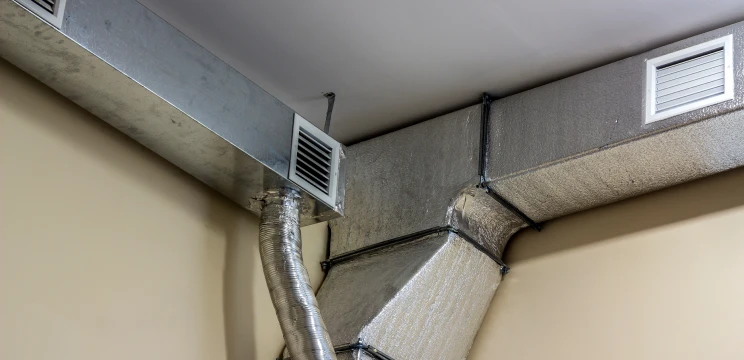
Portable GDH units suit applications where the equipment location changes, the space is unoccupied, or the building is rented — no installation work, water tank or drain hose, immediate deployment. Ceiling-mounted GDH-CE units suit occupied commercial space where the machine must be invisible and silent: concealed above a suspended ceiling, ducted to the conditioned zone, draining continuously by hose. Filter access and condensate routing differ between the two formats; the ceiling format requires a one-time installation but eliminates daily tank handling.
Refrigerant by Destination Market
Three refrigerants are used across the GDH and GDH-CE range. R290 (propane, GWP = 3) is the default for EU-bound equipment under F-gas regulation. R32 serves newer Asia-Pacific and EU specifications. R134a remains available for markets where it is still compliant. For OEM projects, refrigerant is fixed at the specification stage to match destination-market regulation — see the OEM/ODM process for how this is handled.
Reading the Capacity Numbers
Our catalog publishes capacity at 30°C / 80% RH. North American brands typically publish at AHAM conditions (80°F / 60% RH). The same machine posts a smaller number under the cooler, drier AHAM test — multiply our L/day figure by 0.62 for the AHAM-equivalent, then by 2.11 for PPD. This is compressor physics, not a specification discrepancy, and it applies to every brand in this product class.
Manufacturing Basis
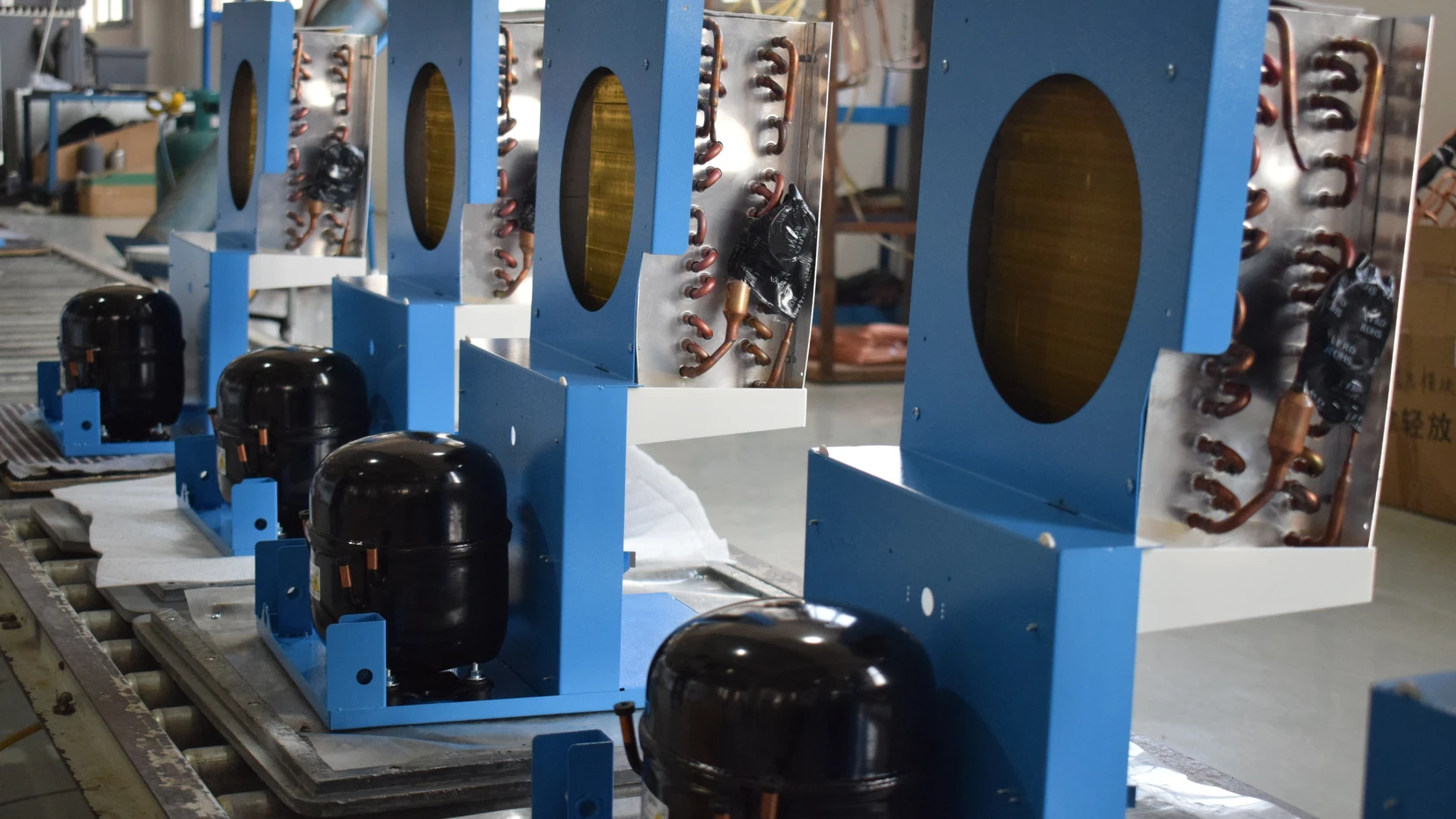
Commercial units share the same component standard as our industrial range: copper condenser and evaporator, moisture-treated sheet-metal cabinet, and full functional testing before crating. Sheet-metal fabrication, heat-exchanger production, and assembly are completed at our Jiaxing production base. For project pricing, private-label specifications, or sizing support, contact SHISHUO Engineering.
Quick Sizing Table by Space Type
Assumes a standard 2.8–3.2 m ceiling and normal infiltration. Step up one model for ceilings above 3.5 m, frequent door openings or dock traffic, internal water sources (laundry, kitchen, pool), targets below 50% RH, or operating temperatures below 18°C.
| Space Type | Floor Area | Recommended SHISHUO Model |
| Small commercial basement, encapsulated crawl space | Up to 60 m² (~650 sq ft) | GDH-50E or GDH-CE38 |
| Standard commercial basement, retail back-of-house | 60–100 m² (650–1,080 sq ft) | GDH-58E / GDH-60E or GDH-CE56 |
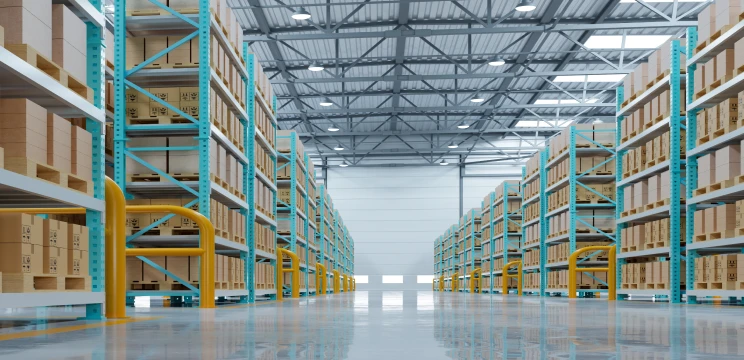
| Mid-size warehouse, workshop, gym storage | 100–140 m² (1,080–1,500 sq ft) | GDH-90E or GDH-CE90 |
| Large commercial space, small production area | 140–200 m² (1,500–2,150 sq ft) | GDH-138E / GDH-156E or GDH-CE138 / CE156 |
| Open commercial floor up to ~220 m² | Up to 220 m² (2,400 sq ft) | GDH-CE168 (ducted) or two portable units |
We support industrial temperature and humidity control projects with clear specifications, stable equipment, and practical system advice. Share your application details and capacity requirements—our team will respond with a suitable solution and quotation.
Get a Quick QuoteHi! Click one of our member below to chat
on WhatsApp
General Manager
Business Development Manager