Search

Enter keywords to search for products, blog posts, and more.

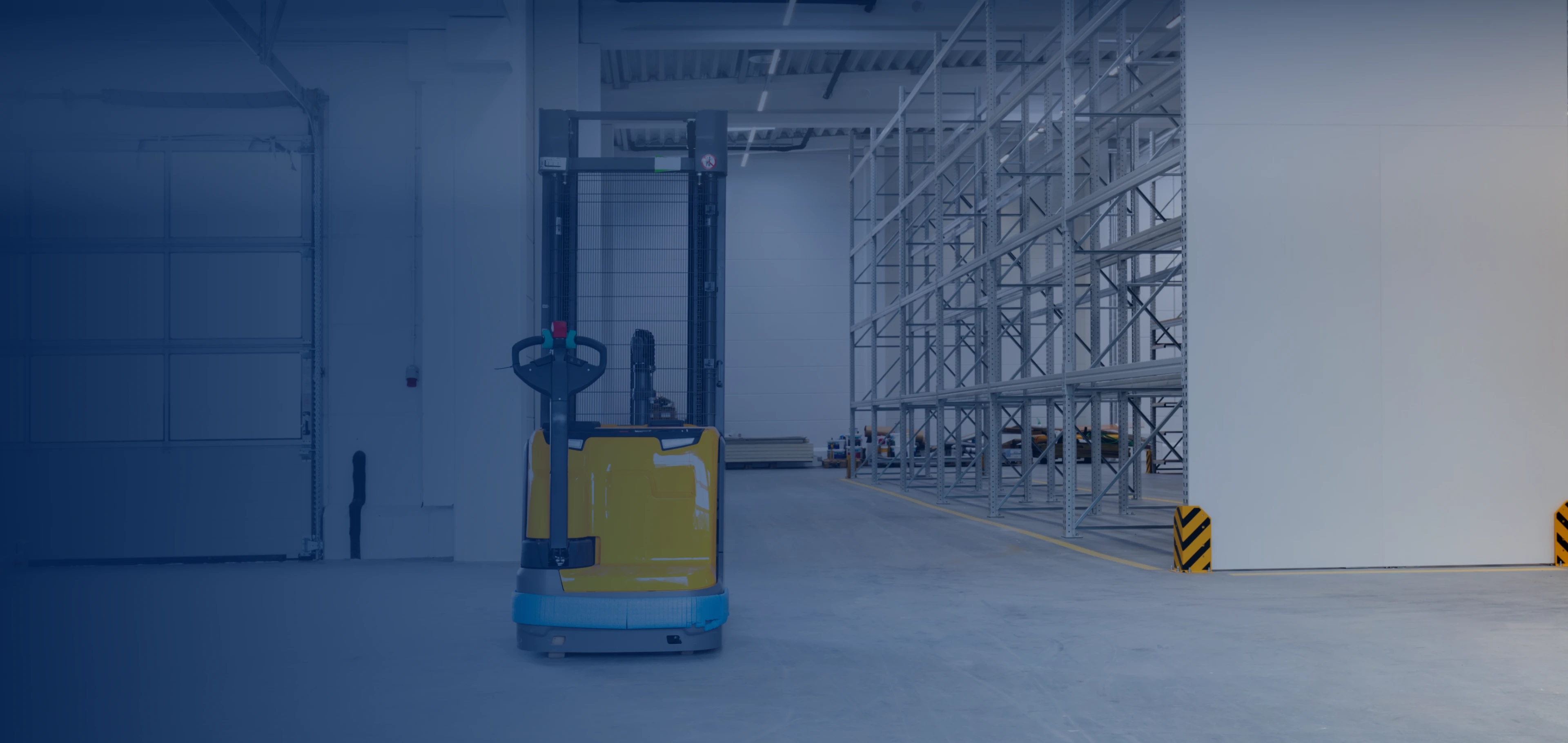
Warehouse Humidifier — Static Control, Dust Suppression, and Material Protection for Dry Storage Environments

Warehouse Humidifier — Static Control, Dust Suppression, and Material Protection for Dry Storage Environments


Three Problems Caused by Dry Air in Warehouses

Before specifying any humidity equipment, answer one question: does your warehouse need a humidifier or a dehumidifier? Log RH for two weeks — consistently below 40% calls for a humidifier, above 60% for a dehumidifier, and a seasonal swing (dry winter, humid summer) may call for both. This page addresses the dry-air condition. When the air is too dry, three problems arise simultaneously:

Static electricity — invisible, expensive, and occasionally dangerous

Below 40% RH, surface moisture evaporates, electrical resistance rises, and triboelectric charge accumulates with every contact — a person walking the floor can build 10,000–15,000 volts. For electronics storage, ESD as low as 25–100 V causes latent semiconductor damage; for flammable materials, powders, or solvents, static discharge is an ignition source. OSHA and NFPA 77 both name humidity control as a recognized engineering control; holding RH above 40–45% lets the surface moisture film bleed charge away.

Airborne dust and particulates persist longer in dry air

Dry air is dusty air. At low humidity, fine particles from cardboard, pallets, and packing stay airborne longer because no moisture droplets capture them — workers breathe more particulates, air filters clog faster, and dust settles on inventory. Ultrasonic sub-10-micron droplets collide with airborne particles (PM10 and smaller), form heavier aggregates, and pull them to the floor. This is physics, not filtration.

Hygroscopic materials lose moisture, dimensions, and weight

Many warehouse materials are hygroscopic. Kiln-dried lumber at 6–11% moisture needs 40–60% RH; below 40% it shrinks unevenly, warps, and splits. Paper curls, becomes brittle, and generates static below 45%. Textiles stiffen and cling; leather dries and cracks. Products with breathable packaging lose weight to dry air. Holding the right RH keeps stored goods at their moisture equilibrium so they reach the customer in specification.

SHISHUO Ultrasonic Humidifiers for Warehouse Environments

The UH-DS series produces 0.5–5 micron droplets that evaporate in the air without wetting stored goods, racking, packaging, or floors. The sub-10-micron droplet size serves both humidity control and dust suppression — the fine droplets collide with airborne particles and bring them down, cleaning the air as a side benefit. For warehouses above 600 m², deploy multiple distributed units rather than one large unit in a corner, where the mist would dissipate before reaching the far side.

Option 1 — UH-DS Industrial Humidifier for Mid-Size Warehouses

For warehouses storing moisture-sensitive goods, our 9-12 kg/h industrial ultrasonic humidifiers maintain stable humidity across mid-size floor areas:

Atomized droplets of 0.5-5 microns for rapid vaporization, sealed waterproof atomization core (3,500-5,000 hr replaceable plates), automatic dry-burn protection.

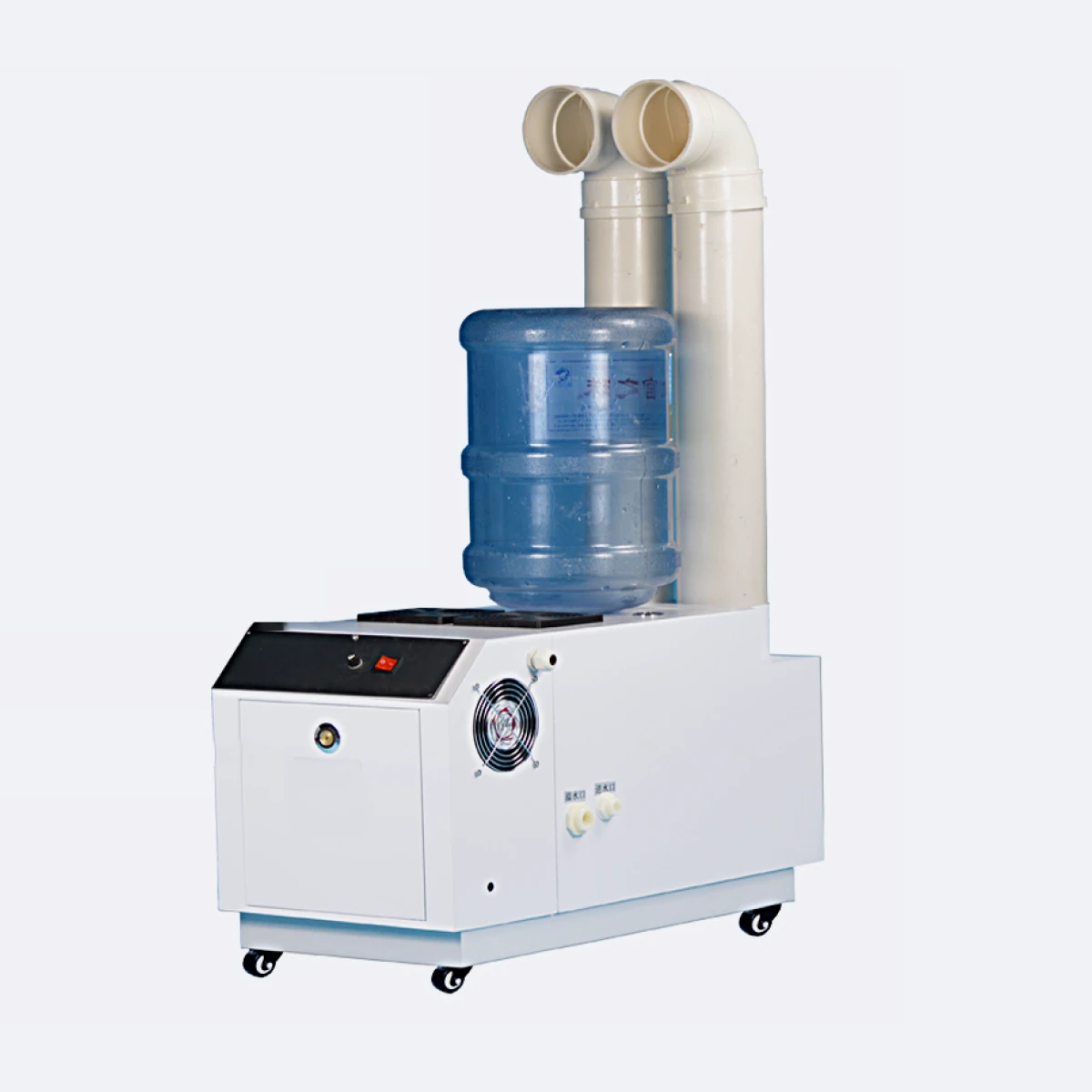
UH-DS-09E

UH-DS-09E
Humidification Capacity (kg/h):9
Atomizing Particles (μm): 0.5–5
Power:220V / 50Hz

view details

UH-DS-12E

UH-DS-12E
Humidification Capacity (kg/h):12
Atomizing Particles (μm): 0.5–5
Power:220V / 50Hz

view details

Option 2 — UH-DS Heavy-Duty Humidifier for Large Warehouses

Scaling up to 15-21 kg/h, this heavy-duty tier covers larger warehouse floors and distribution centers:

Quiet operation with flexible fixed, mobile, or pipeline installation; manual, timed, and automatic control modes with overload and dry-burn protection.

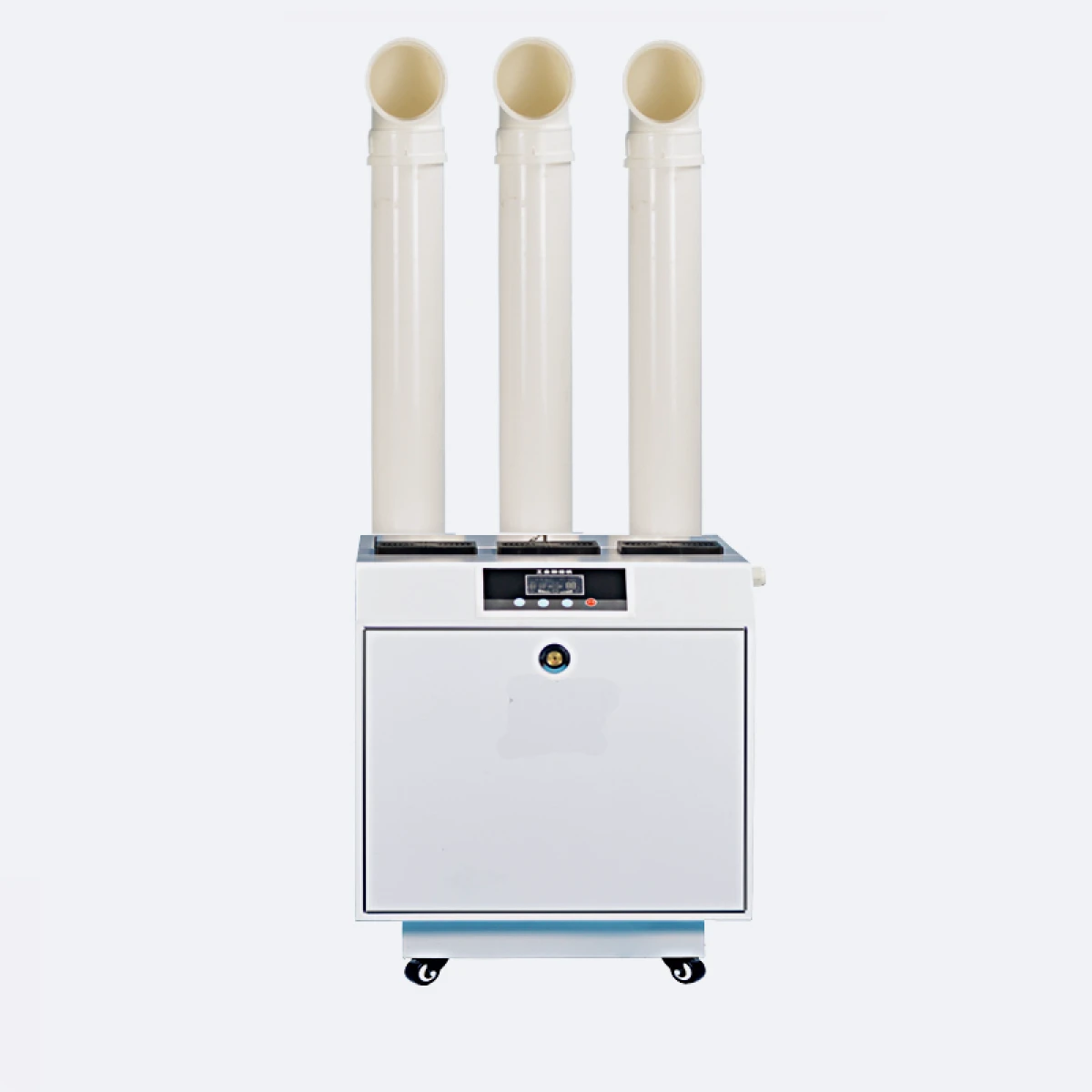
UH-DS-15E

UH-DS-15E
Capacity (Kg/h):15
Atomizing Particles (μm): 0.5–5
Power:220V/50Hz

view details

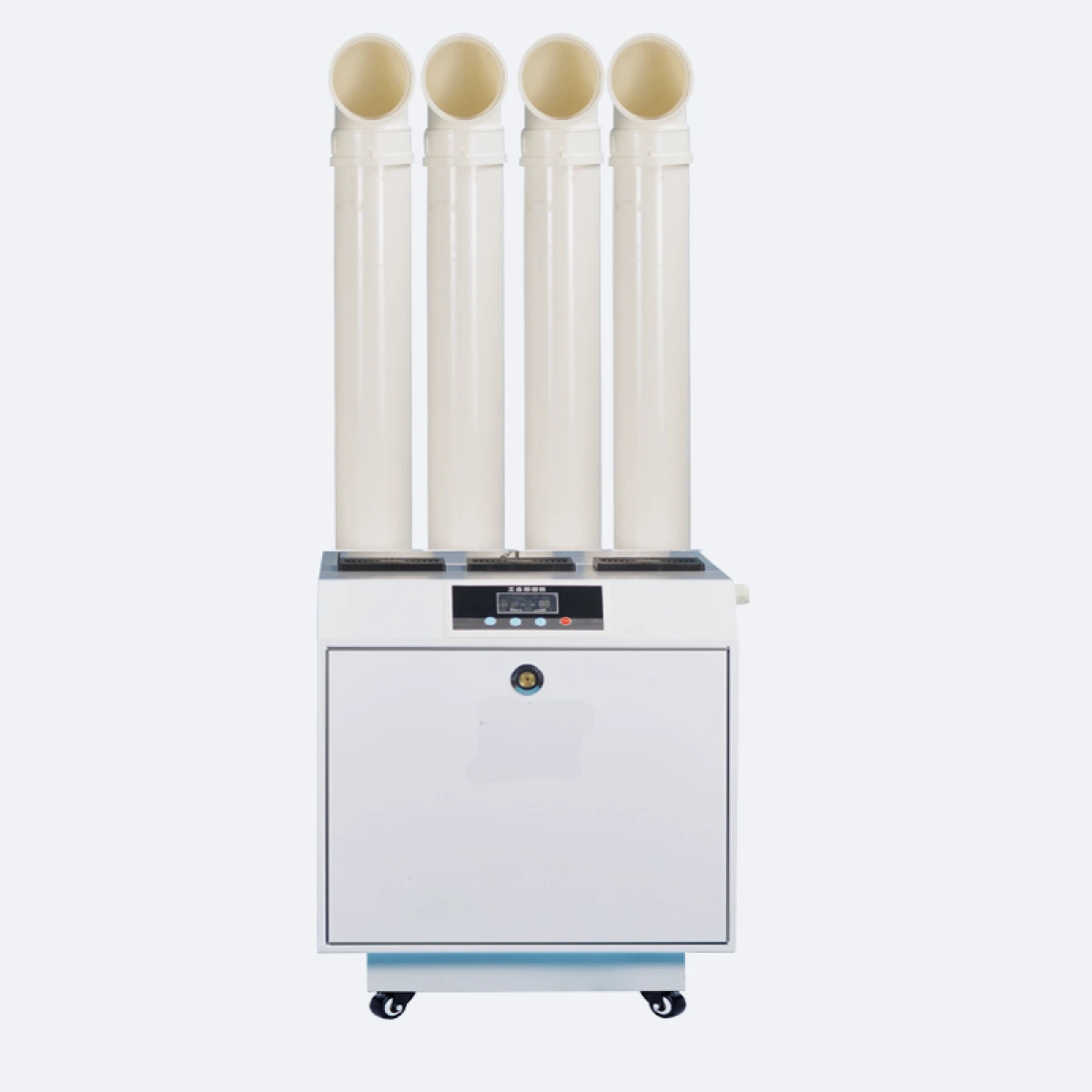
UH-DS-18E

UH-DS-18E
Capacity (Kg/h):18
Atomizing Particles (μm): 0.5–5
Power:220V/50Hz

view details

UH-DS-21E

UH-DS-21E
Capacity (Kg/h):21
Atomizing Particles (μm): 0.5–5
Power:220V/50Hz

view details

Option 3 — UH-DS Ultra-Large Humidifier for Distribution Centers

For the largest warehouse and logistics facilities, our 24-30 kg/h ultra-large units deliver whole-building humidity coverage:

Highest-capacity ultrasonic atomization in the range, low energy consumption per kg of output, intelligent control with overload/dry-burn protection.

UH-DS-24E

UH-DS-24E
Humidification Capacity (kg/h):24
Atomizing Particles (μm): 0.5–5
Power:220V / 50Hz

view details

UH-DS-27E

UH-DS-27E
Humidification Capacity (kg/h):27
Atomizing Particles (μm): 0.5–5
Power:220V/50Hz

view details

UH-DS-30E

UH-DS-30E
Humidification Capacity (kg/h):30
Atomizing Particles (μm): 0.5–5
Power:220V/50Hz

view details

Recommended Warehouse Humidity by Stored Material

Each stored material has its own humidity window, and the table below shows the recommended RH plus the consequences of both too-dry and too-wet air. Note that metals favor lower humidity (to prevent corrosion) while wood, paper, and textiles favor moderate-to-higher humidity — a warehouse storing both may need zone-based control, humidifying the wood zone while keeping the metal zone drier.


Stored MaterialRecommended RHConsequence of Dry Air (Below Range)Consequence of Wet Air (Above Range)
Electronics, semiconductors, PCBs40–55%ESD damage to componentsCorrosion, solder oxidation
Wood, lumber, furniture, flooring40–60%Warping, splitting, shrinkageSwelling, mold, joint failure
Paper, cardboard, printed materials45–60%Curling, brittleness, static, dimensional changeWrinkling, mold, ink bleed
Textiles, garments, fabrics45–65%Static cling, stiffness, loss of drapeMold, mildew, odor
Leather goods45–55%Cracking, drying, loss of flexibilityMold, discoloration
Pharmaceuticals (general storage)30–60%Capsule cracking, powder cakingMoisture absorption, degradation
Metal parts, machinery40–50%Static during handling; generally safeCorrosion above 55% (keep dry)
General mixed goods40–60%Static, dust, packaging damageCondensation, mold
Flammable materials, powders, solventsAbove 40–45%Static discharge = ignition riskGenerally safe within normal range


Matching Humidifier Capacity to Warehouse Size and Climate

Capacity depends on the air volume (floor area × ceiling height), the ventilation/air exchange rate, the gap between outdoor humidity and the target RH, and envelope quality — a well-sealed warehouse needs far less than a high-traffic distribution center. The four size bands below show typical model selection, with higher figures for very dry or high-air-exchange conditions.
01

100–300 m² (moderate dry)

3–6 kg/h (6–9 kg/h if heated winter / <25% RH)

UH-DS-03E to UH-DS-06E

02

300–600 m² (moderate dry)

6–12 kg/h (12–18 kg/h if very dry / high dock traffic)

UH-DS-06E to UH-DS-12E

03

600–1,500 m² (moderate dry)

12–21 kg/h (21–30 kg/h if high air exchange)

UH-DS-12E to UH-DS-18E or multiple units

04

1,500+ m² (any dry condition)

Multiple units, zone-based deployment

UH-DS-15E to UH-DS-30E × quantity

Key considerations for warehouse humidification:

Four factors guide a warehouse humidification decision: confirming the direction (humidify vs dehumidify), static control, the dust-suppression bonus, and zone-based control for mixed inventory.
First decide humidifier vs dehumidifier — log RH for two weeks: consistently below 40% needs a humidifier, above 60% needs a dehumidifier, seasonal swings may need both.
Hold RH above 40–45% for static control (NFPA 77) — it reduces facility-wide charge generation but does not replace grounding and bonding where required.
Sub-10-micron mist suppresses dust by colliding with airborne PM10 and settling it — a side benefit of humidification, not a substitute for filtration.
Use zone-based control for mixed inventory — a wood zone wants 50–60% RH while an adjacent metal zone may need the opposite (kept dry to prevent corrosion).

Need a Sizing Calculation for Your Greenhouse?

Send us your greenhouse dimensions, cultivation stage, target humidity, and operating temperature. Our engineering team will recommend the right SHISHUO model and capacity.

Request Sizing Download Catalog amy@shishuodehu.com

Deployment Notes for Warehouse Humidification

Placement Strategy for Large Spaces

Warehouses combine large air volumes, high ceilings (8–15 m), frequent dock air exchange, and equipment heat that creates dry spots. Place units at the points of greatest moisture deficit: near the interior side of loading docks (which lose humidity on every door cycle), where HVAC supply registers deliver dry conditioned air, and in the airflow path of circulation fans so the mist distributes mechanically across a wider area.

Zone-Based Approach for Mixed Inventory

Different materials need different RH, so deploy separate units per zone with independent sensors and set-points: an electronics zone at 40–55%, a wood zone at 50–60%, and a metal zone that may need no humidification (or even dehumidification to prevent corrosion). Physical barriers — curtain walls, strip curtains, partitions — help maintain different humidity levels in adjacent areas.

Winter Heating & Dock Door Management

Winter is the driest season: outdoor air at 0°C/80% RH heated to 20°C falls to ~20–25% RH, below the safe threshold for any stored material, so plan for maximum demand in mid-winter. Dock doors compound this — each opening swaps conditioned interior air for dry outside air. Dock seals, high-speed roll-up doors, air curtains, and shorter door-open times all cut the humidification load; a unit sized for a sealed warehouse will be undersized with poor dock management.

Water Quality

Use softened or purified water to prevent mineral dust settling on stored goods; for electronics storage use deionized water to avoid conductive residue. Hard water shortens atomization plate life and deposits visible white dust on dark packaging, shelving, and finished goods. Clean the basin regularly and replace plates proactively at the rated 3,500–5,000 hours.

Frequently Asked Questions

What is the ideal humidity for a warehouse?

40–60% RH for most stored materials, per ASHRAE Standard 55 and general storage guidelines. The specific target depends on what is stored: wood and paper need the upper half of this range (50–60%), electronics need the lower half (40–55%), and general mixed goods do well at 45–55%. Below 40%, static and dust become significant operational problems. Above 60%, condensation and mold risk increases.

Does humidity really control static electricity in a warehouse?

Yes. Above approximately 40–45% RH, a thin moisture film forms on all surfaces, providing a conductive path that dissipates electrostatic charges before they accumulate to hazardous or damaging levels. This is one of the recognized engineering controls for static management, referenced in NFPA 77. It does not replace grounding and bonding where required, but it reduces the rate of charge generation facility-wide.

Will the humidifier wet inventory or packaging?

No. The SHISHUO UH-DS produces 0.5–5 micron droplets that evaporate in the air before settling on surfaces. The humidifier raises the moisture level of the air, not of the product. Maintain 1.5+ meters of clearance between the mist outlet and the nearest stored goods. Use softened or purified water to prevent mineral residue.

How does humidification suppress dust?

Fine water droplets (sub-10 micron) collide with airborne dust particles in the air, forming heavier aggregates that settle to the floor. This is a physics-based mechanism, not filtration. Research shows that humidifiers producing droplets under 10 microns can achieve near-complete suppression of PM10 and smaller particles. The SHISHUO UH-DS produces 0.5–5 micron droplets, within this effective range.

My warehouse is humid in summer but dry in winter. What do I need?

You need both a humidifier and a dehumidifier, operated seasonally. Use the SHISHUO UH-DS humidifier during the dry heating season (typically October through March in northern climates) and a SHISHUO GDH dehumidifier during the humid summer months. Some facilities with strict RH requirements run both systems year-round on a dual-setpoint controller: the humidifier activates when RH drops below the low limit, and the dehumidifier activates when RH rises above the high limit.

How do I know if my warehouse needs a humidifier or a dehumidifier?

Measure the relative humidity in your warehouse over a two-week period using a data-logging hygrometer. If RH is consistently below 40%, you need a humidifier. If consistently above 60%, you need a dehumidifier. If it swings between extremes seasonally, you may need both. The type of stored goods determines how tight your humidity window needs to be — see the material-specific table above.

Can a humidifier protect wood products stored in my warehouse?

Yes. Wood is hygroscopic and stabilizes at a moisture content determined by ambient RH. Kiln-dried lumber at 6–11% moisture content requires 40–60% RH to maintain dimensional stability. Below 40%, wood loses moisture, shrinks unevenly, warps, and may develop splits. Maintaining the warehouse at 50–60% RH prevents these defects during storage and ensures the wood arrives at the customer in specification.

Do SHISHUO humidifiers support OEM and ODM?

Yes. We manufacture all units at our Jiaxing production base and support OEM branding and ODM modifications including capacity changes, voltage adaptation, pipeline distribution for multi-zone warehouses, and control system integration. Contact our team with your specifications.

Get the Right Climate Control
Solution for Your Application

We support industrial temperature and humidity control projects with clear specifications, stable equipment, and practical system advice. Share your application details and capacity requirements—our team will respond with a suitable solution and quotation.

Get a Quick Quote

Amy

General Manager