Search

Enter keywords to search for products, blog posts, and more.

Industrial Dehumidifiers — Manufacturer of Commercial and Industrial Dehumidification Equipment

Industrial Dehumidifiers — Manufacturer of Commercial and Industrial Dehumidification Equipment


Core Engineering Features Across Our Dehumidifier Range

The four features below are standard across our compressor dehumidifier series. Specifications vary by model — refer to each product page for the exact configuration.

All-Copper Condenser and Evaporator in Thickened Sheet Metal Housing

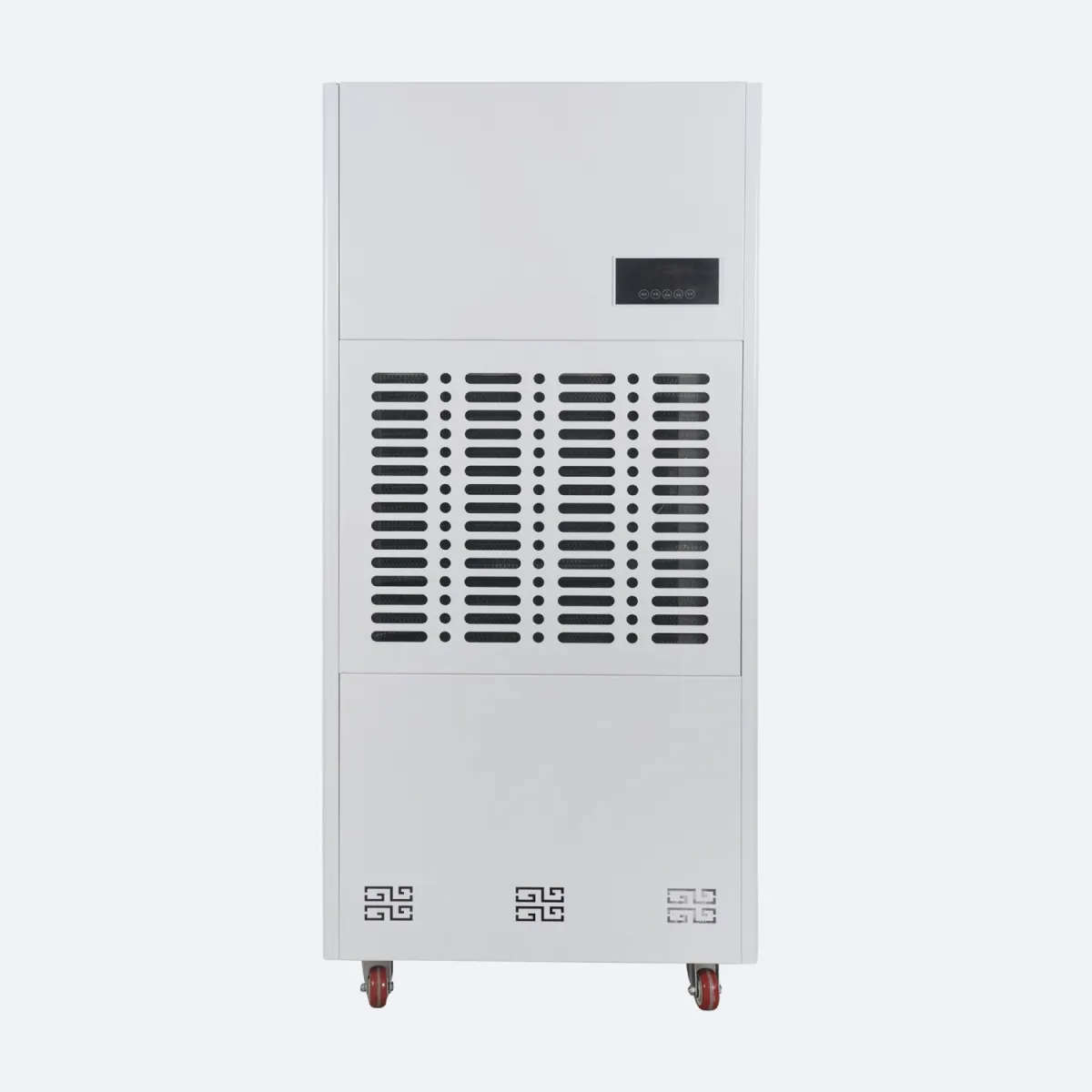
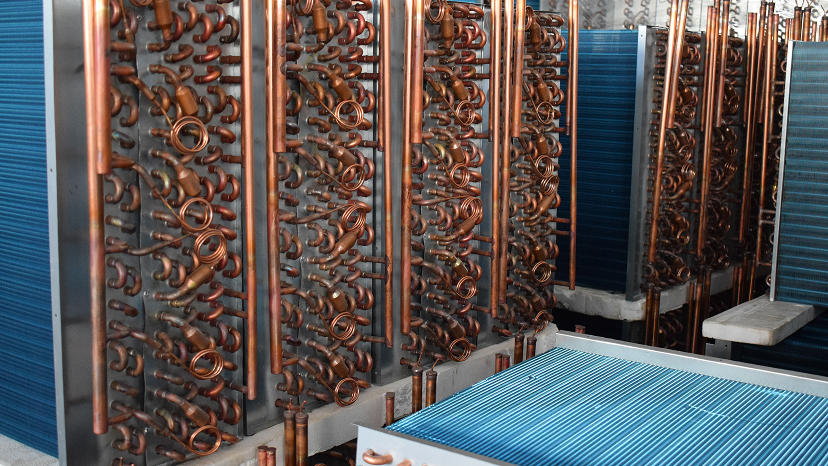
Heat exchangers in our dehumidifiers use copper tubes for both the condenser and evaporator. The outer cabinet is built from thickened sheet metal with moisture-proof treatment, designed for the high-humidity environments these units operate in. This construction is standard across the GDH commercial, GDH industrial, and GDH-CE ceiling-mounted series.
+

LCD Touchscreen Control with Intelligent Humidity Sensing

Our compressor dehumidifiers ship with LCD touchscreen panels and built-in humidity sensors for real-time monitoring and target humidity setting. Operators can set humidity, mode, and timer functions directly on the panel. Rotary desiccant ROD models offer adjustable humidity differential between 1% and 5%.
+

Automatic Defrosting and Continuous Drainage

All compressor dehumidifiers in our range include automatic defrosting to prevent frost buildup on the evaporator coil during low-temperature operation. Drainage is provided through a water tank with drain hose option on smaller portable units, and direct continuous drainage on industrial floor-standing and ceiling-mounted models.
+

Fault Self-Protection

Each unit includes fault self-protection circuitry. Rotary desiccant ROD models add rotor rotation-stop protection and electrical leakage protection (per product catalog feature list).
+

Our Industrial Dehumidifier Range

We manufacture four series of dehumidification equipment, organized by application and installation type. Click any series below to view full model specifications.


Series
GDH Industrial Swimming Pool

GDH Industrial Swimming Pool

Capacity & Application

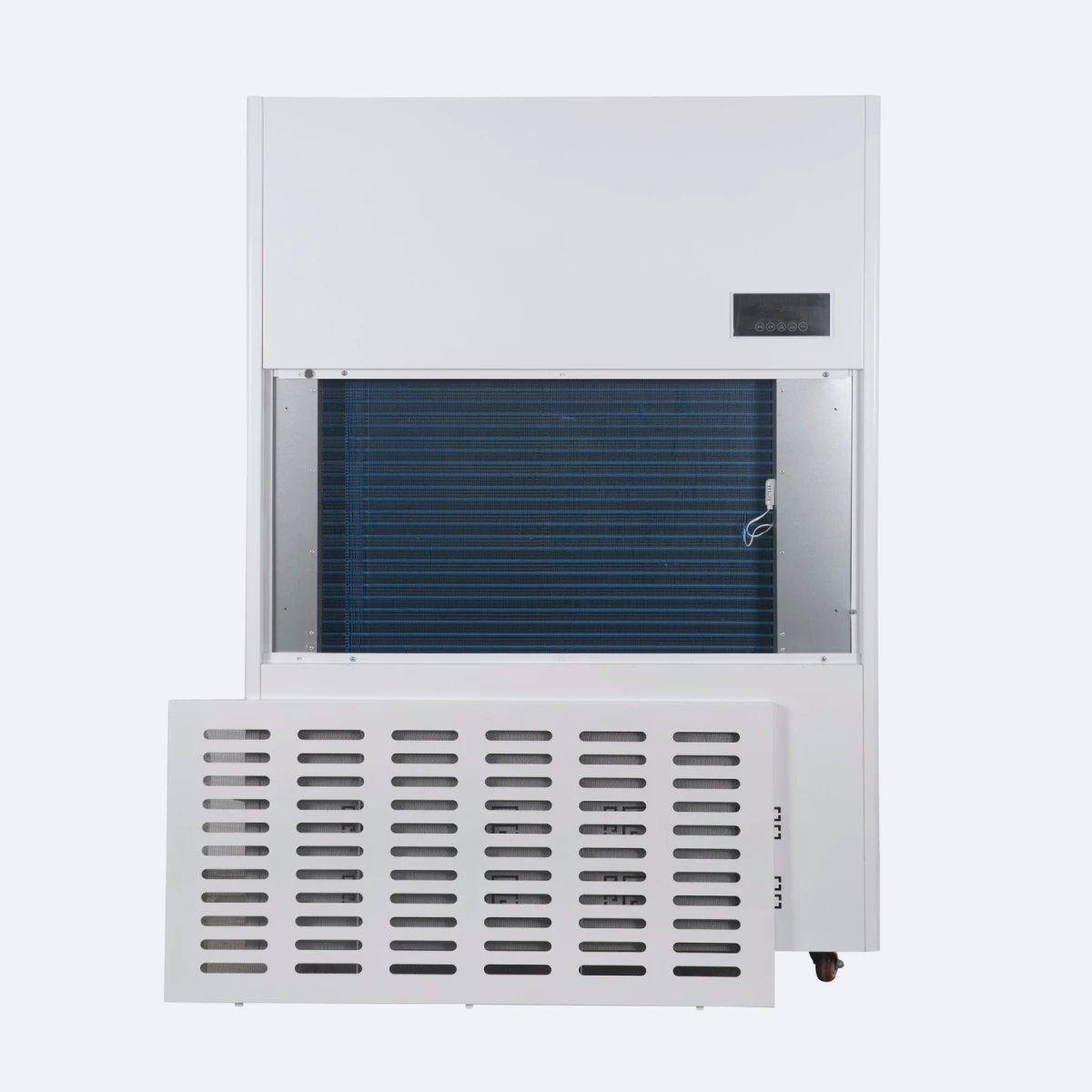
380-1440L /day. 380V / 50Hz. It features a hassle-free direct drain and a premium, chlorine-resistant stainless steel cabinet with a 100% copper condenser for ultimate rust protection. Enjoy smart, zero-maintenance humidity control for heavy-duty spaces. Model: GDH-380E to GDH-1440E.


Series

GDH Industrial Floor-Standing

GDH Industrial Floor-Standing

Capacity & Application

180–1,440 L/day. 220V/380V. For larger industrial spaces. Continuous hose drainage. Models: GDH-180E, 240E, 288E, 380E, 480E, 600E, 720E, 960E, 1200E, 1440E.


Series

GDH-CE Ceiling-Mounted Ducted

GDH-CE Ceiling-Mounted Ducted

Capacity & Application

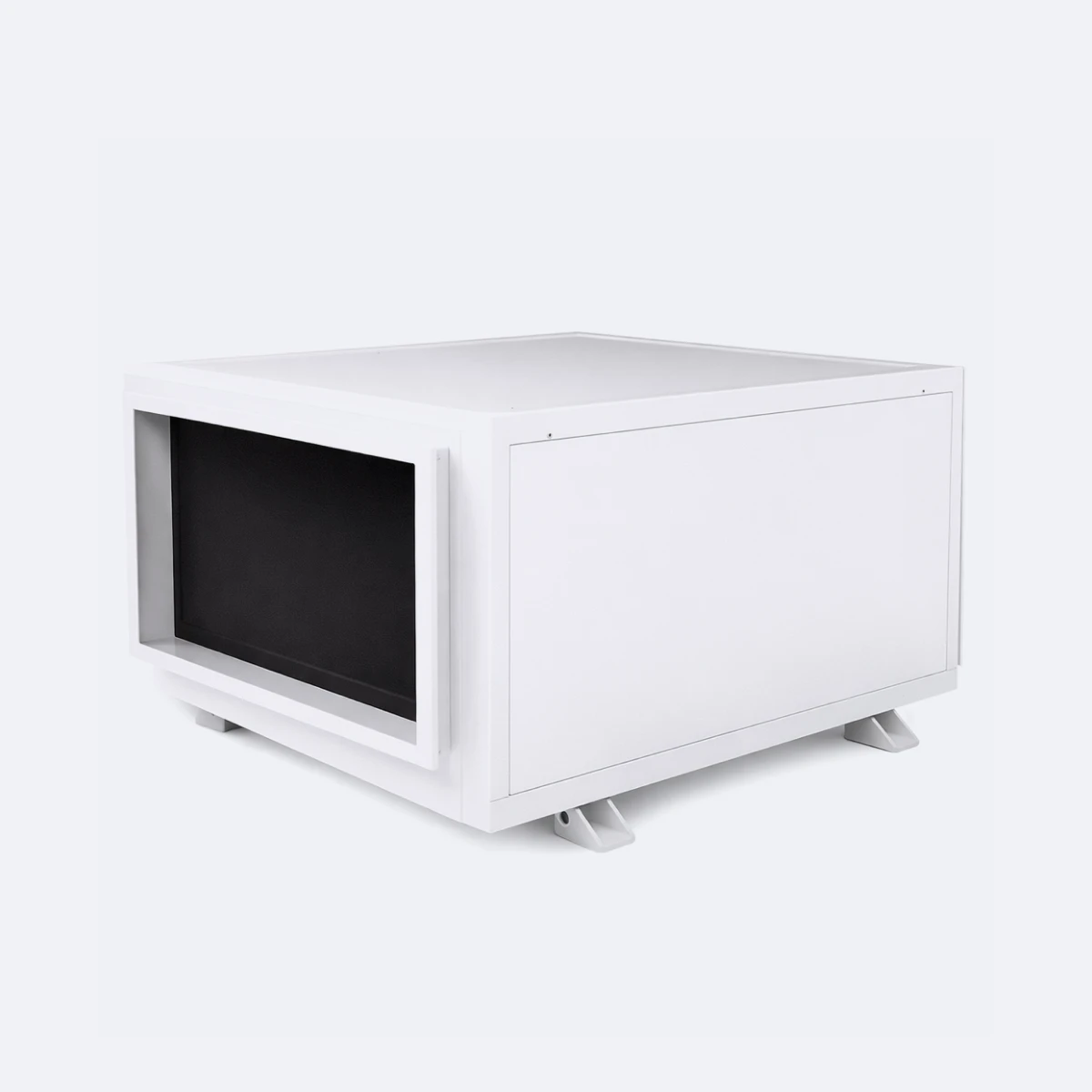
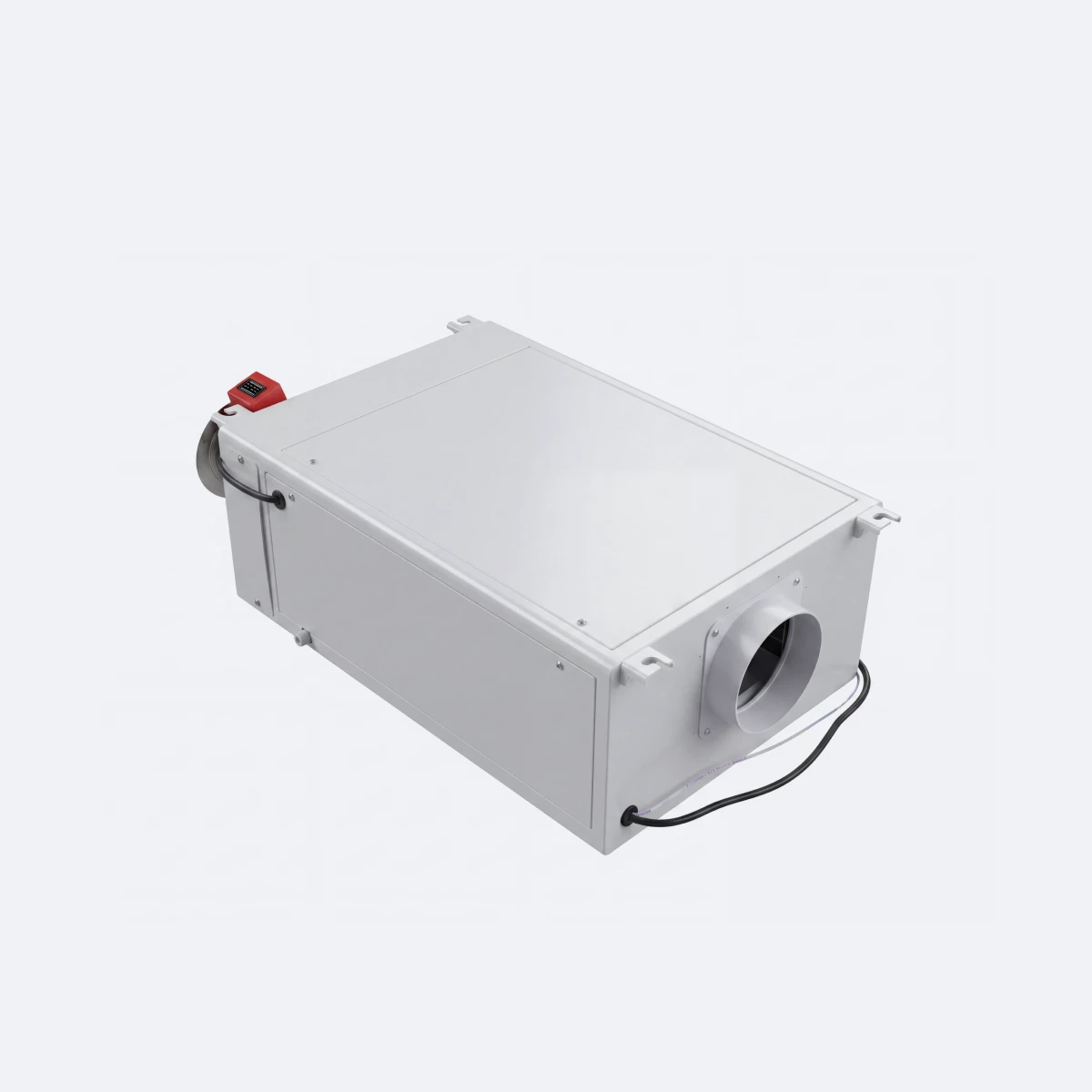
380–720 L/day.380V / 50Hz. Concealed ceiling installation; ideal where floor space is limited. Direct hose drainage. Models: GDH-CE380 / CE480 / CE600 / CE720


Series

Industrial Desiccant Dehumidifier

Industrial Desiccant Dehumidifier

Capacity & Application

Capacity 2.5-8 kg/h. Voltage 220V/380V. Target Low-humidity process rooms. Engineered for advanced manufacturing like lithium batteries and pharmaceuticals, this industrial desiccant dehumidifier delivers reliable deep drying down to 5% RH with continuous-duty operation. Models: XR-350-02 / XR-600XF-01 / XR-1000XF-01.


In addition to dehumidifiers, we also manufacture:

• UH-DS Ultrasonic Humidifiers (2 kg/h to 30 kg/h) — UH-DS-02E through UH-DS-30E

• DXHW Floor-Standing Temperature & Humidity Control Unit (2 kg/h to 20 kg/h) — DXHW-3 through DXHW-70

• DXSL Integrated Humidifier & Dehumidifier Units (3 kg/h to 40 kg/h) — DXSL-60 through DXSL-480


READ MORE

Applications We Serve

Warehouse Dehumidifier

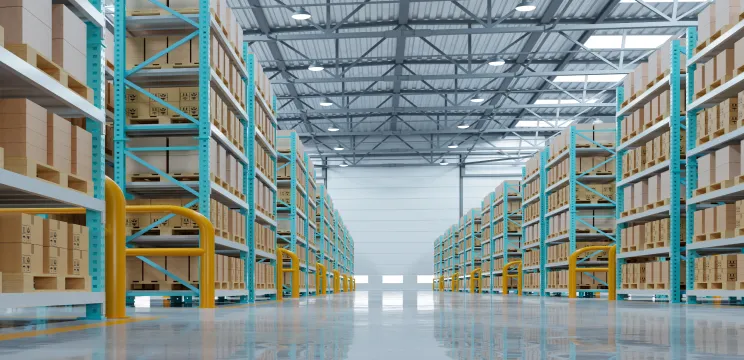
Steel stock, packaged goods, and cardboard all degrade as humidity climbs. Holding a large warehouse near 50% RH keeps rust off metal inventory and stops packaging from softening. GDH industrial floor-standing units cover open floors; GDH-CE ducted units seal enclosed bays.
+

Manufacturing Workshop

Machine tools, dies, and finished parts rust when workshop air runs damp, and condensation on cold metal ruins tolerances and finishes. Steady humidity control protects tooling and work-in-progress across the shift. GDH industrial and GDH-CE units hold the floor stable through day–night temperature swings.
+

Archive & Vault

Documents, films, and records need tight, stable humidity — too damp brings mold and foxing, swings warp and embrittle paper. A controlled 45–55% RH protects the collection and any metal fittings together. GDH commercial and GDH-CE units hold the set point quietly and continuously.
+

Basement & Garage

Below-grade spaces trap moisture through walls and floors, leaving damp air, musty odor, and rust on stored equipment. A dehumidifier holds the space dry without opening it to outside humidity. GDH commercial units suit smaller basements; GDH industrial units handle large underground garages.
+

Switchgear & Power Equipment Room

Moisture on switchgear, busbars, and terminals causes corrosion, tracking, and insulation faults that risk unplanned outages. Keeping the room below 50% RH protects electrical assets and prevents condensation on cool metal. GDH commercial and GDH-CE ducted units hold conditions stable around the clock.
+

Indoor Pool

Water evaporating off the pool and deck loads the air continuously, and the resulting humidity corrodes steel, soaks insulation, and fogs glazing. Pool-rated units hold the hall in range and duct dry air along the windows. GDH-CE ceiling-mounted units use copper-and-titanium-foil coils built for chlorine-rich air.
+

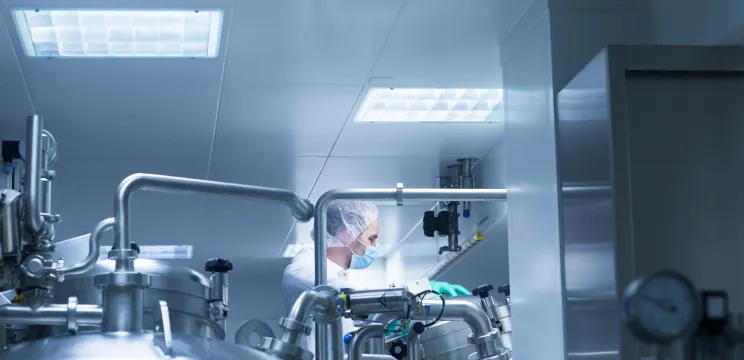
Pharmaceutical & GMP Cleanroom

GMP production needs documented, repeatable low humidity for powder handling, coating, packaging, and product stability. Precise control protects both process and product, down to low temperature where compressors fall short. ROD rotary desiccant units hold deep-dry setpoints; DS-HS combination units add integrated humidity and air treatment.
+

Cold Storage / Low Temperature

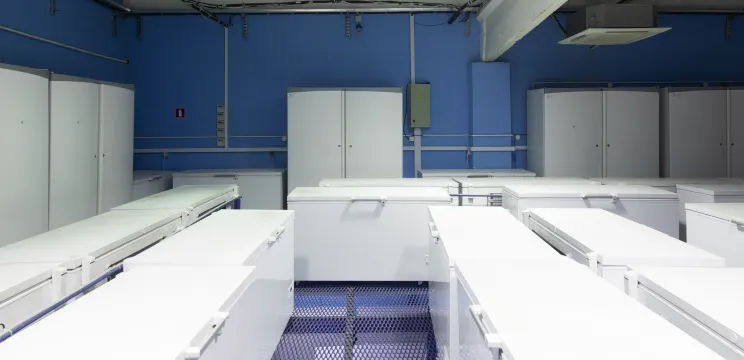
Below about 5°C, compressor dehumidifiers lose efficiency and frost, yet cold rooms still need moisture removed to stop condensation, frost buildup, and ice on floors and coils. Desiccant technology extracts moisture by adsorption at low temperature. ROD rotary desiccant units hold the target where refrigerant units cannot.
+


How Our Dehumidifiers Are Built

Our dehumidifier construction follows the same core configuration across the GDH and GDH-CE compressor series. Refrigeration coils use all-copper tubing for both condenser and evaporator. Cabinets are fabricated from thickened sheet metal with moisture-proof surface treatment. Each unit ships with automatic defrosting, fault self-protection circuitry, LCD touchscreen control, and intelligent humidity sensing.
The GDH-CE ceiling-mounted series uses dual pure copper tubes paired with titanium foil for the heat exchanger, suitable for ducted concealed installation in indoor pools, workshops, basements, and drying rooms. The ROD rotary desiccant series uses a desiccant rotor with sealed independent air ducts (process and regeneration airflows do not mix), pre-filter for dust capture, an insulated heating chamber, SCR temperature control, and PTC heating elements.


How to Select the Right Dehumidifier for Your Facility

Capacity selection depends on three facility parameters: floor area and ceiling height, target humidity vs. ambient humidity, and operating temperature range. Our product catalog publishes recommended coverage area for each model — for example, GDH-60E covers 40–80 m², GDH-138E covers 120–140 m², GDH-1440E covers up to 1,600 m² — but actual sizing also depends on air infiltration, internal moisture load, and target RH.
As a general guide:
1. For operating temperatures between 5°C and 38°C, choose a compressor dehumidifier from the GDH or GDH-CE series.
2. For operating temperatures below 5°C, or where target humidity must stay below 30% RH, choose a ROD rotary desiccant dehumidifier.
3. For spaces where floor footprint is limited, or where HVAC integration is needed, choose the GDH-CE ceiling-mounted series.
4. For combined humidity control with air filtration and sterilization, consider the DS-HS combo unit (used in archives, data rooms, GMP cleanrooms, museums, and precision manufacturing per catalog reference).
If you can share your facility dimensions or construction drawings, our engineering team will recommend a model and configuration. This is also the standard process for OEM/ODM projects, where we adjust specifications such as voltage, refrigerant type, dimensions, or branding to match your requirements.


In-House Manufacturing and Production Workshops

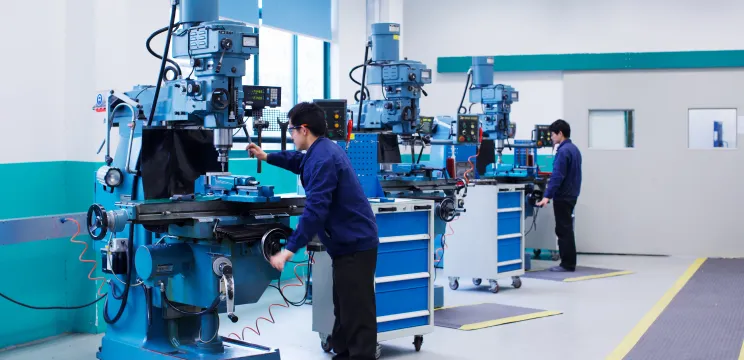
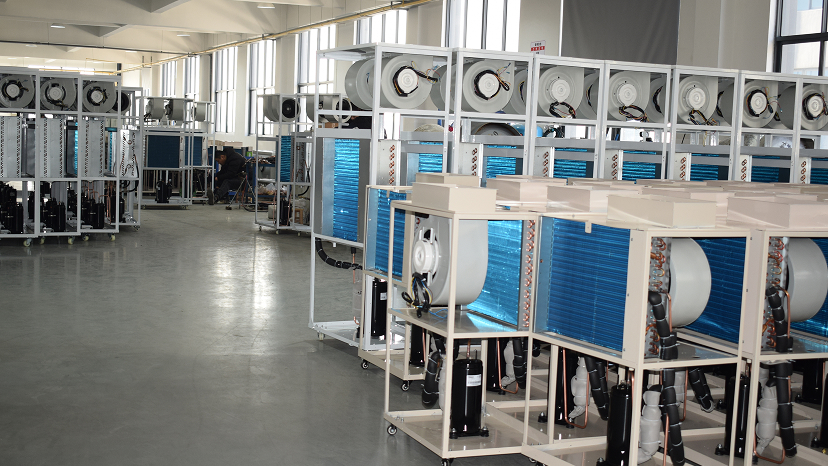
All production takes place at our Jiaxing facility under Zhejiang Shishuo Electric Appliance Co., Ltd. Our catalog identifies three workshops:
• Production Workshop — CNC sheet metal cutting, CNC punching and bending, metal plate rolling and forming, mechanical press forming
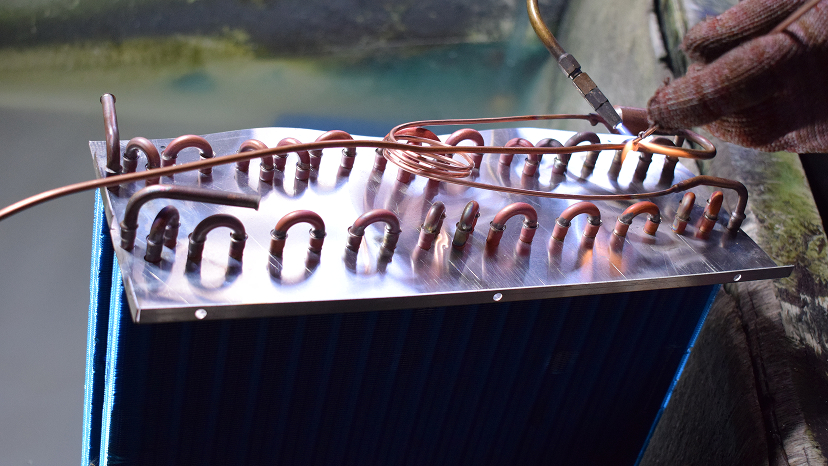
• Condenser Production Workshop — fin pressing, copper tube brazing, condenser assembly and inspection
• Assembly Workshop — main unit assembly line, component installation, refrigeration system assembly
Standard process steps published in our catalog: requirement analysis, solution and model selection, specification confirmation, production and assembly, testing and quality inspection (functional testing and final inspection before shipment), packaging and shipping with export-standard crating.

Need a Sizing Calculation for Your Greenhouse?

Send us your greenhouse dimensions, cultivation stage, target humidity, and operating temperature. Our engineering team will recommend the right SHISHUO model and capacity.

Request Sizing Download Catalog amy@shishuodehu.com

About SHISHUO

Switch between the tabs below to learn more. Each tab links to a dedicated page.

Company Overview

About

Founded 2015 ; Jiaxing production base 2023 (Zhejiang Shishuo); R&D, production, technical service integration; Shanghai-based international sales team

LEARN MORE
Company Overview

Quality Inspection

Quality-Control

Functional testing and 100% final inspection before shipment (per catalog Step 5); workshop-level inspection at heat exchanger and assembly stages

LEARN MORE
Quality Inspection

Global Shipping

Shipping

Export-standard crating for safe transport (per catalog Step 6)

LEARN MORE
Shipping

OEM & ODM Solutions

Oem-Odm

 6-step customization flow per catalog: requirement analysis → solution & model selection → specification confirmation → production & assembly → testing → packaging & shipping

LEARN MORE
OEM & ODM Solutions

Certifications

Certifications

Quality, environmental, and occupational health management system certifications; product safety certifications (CCC and CE class) shown in catalog

LEARN MORE
Certifications

Frequently Asked Questions

What refrigerants do SHISHUO dehumidifiers use?

Our dehumidifiers use R290, R134a, or R32 depending on the model and capacity. Smaller commercial units (GDH-50E, GDH-58E) use R290 or R134a; mid-range and industrial models (GDH-60E and above) typically use R290; some industrial models also support R32. The exact refrigerant for each model is listed on its product page. For OEM projects, we can adjust the refrigerant choice to match destination market regulations (for example, R290 or R32 for EU markets to meet F-gas requirements).

When should I choose a rotary desiccant dehumidifier instead of a compressor unit?

Compressor dehumidifiers (GDH and GDH-CE series) operate efficiently between 5°C and 38°C. For environments below 5°C — including cold storage, pharmaceutical low-temperature warehousing, and electronics drying rooms — or for applications requiring relative humidity below 30%, the ROD rotary desiccant series is the appropriate choice. ROD units use a desiccant rotor with PTC regeneration heating, so they don't rely on condensation and maintain extraction performance at low temperatures. Catalog applications include defense, aerospace, electronics manufacturing, chemical industry, pharmaceutical storage, cold storage, textile, artwork drying, and specialized drying rooms.

What is the operating temperature and humidity range of your dehumidifiers?

Compressor dehumidifiers in our catalog operate between 5°C and 38°C (some models 5–35°C or 5–30°C — check the specific product page) at 30%–80% relative humidity. Rotary desiccant ROD units extend operation to lower temperatures and lower target humidity. Each product page lists the verified working temperature and humidity range for that model.

What humidity control precision do your units provide?

Compressor dehumidifiers ship with LCD touchscreen control and built-in humidity sensors that allow operators to set a target humidity level. Rotary desiccant ROD models offer adjustable humidity differential between 1% and 5%, allowing tighter control for applications such as pharmaceutical storage and electronics manufacturing where ambient humidity must remain within a narrow band.

Do your industrial dehumidifiers support continuous drainage?

Compressor dehumidifiers ship with LCD touchscreen control and built-in humidity sensors that allow operators to set a target humidity level. Rotary desiccant ROD models offer adjustable humidity differential between 1% and 5%, allowing tighter control for applications such as pharmaceutical storage and electronics manufacturing where ambient humidity must remain within a narrow band.

What heat exchanger material do you use, and why copper?

Yes. Smaller commercial units (GDH-50E to GDH-138E) include a water tank with optional drain hose. Industrial floor-standing models (GDH-180E and above) and ceiling-mounted GDH-CE models use direct continuous drainage through a drain hose, suitable for unattended 24-hour operation. Drainage method for each model is listed on its product page.

What safety protections are built into your dehumidifiers?

Both the condenser and the evaporator in our dehumidifiers use copper tubing. Copper provides higher thermal conductivity than aluminum and better resistance to corrosion under continuous high-humidity operation. The GDH-CE ceiling-mounted series additionally uses titanium foil for the fin material, which helps in chemically aggressive environments such as indoor pools.

Do you support OEM and ODM projects?

Standard protections across the range include automatic defrosting (prevents ice buildup on the evaporator) and fault self-protection circuitry. The ROD rotary desiccant series adds rotor rotation-stop protection (prevents rotor damage if rotation fails) and electrical leakage protection. Specific protections for each model are shown in its product specification.

What humidifiers do you manufacture, and where are they used?

Yes. Our catalog publishes a 6-step customization process: (1) requirement analysis — including review of customer construction drawings if available; (2) solution and model selection; (3) specification confirmation before production; (4) production and in-house assembly; (5) functional testing and 100% final inspection; (6) export-standard crate packaging and shipping. We can adjust specifications such as voltage, refrigerant, dimensions, branding, and packaging.

Technical Resources
Switch between the tabs below to learn more. Each tab links to a dedicated page.
How to Read Dehumidifier Capacity Ratings — 30°C/80% RH and Other Test Conditions
Why our catalog uses 30°C / 80% RH as the rating condition, and how extraction capacity (L/day) changes when ambient temperature and humidity drop below the test point.
Compressor vs. Rotary Desiccant Dehumidifiers — Selection Guide
Detailed comparison of GDH compressor series (5–38°C operation) and ROD desiccant series (low-temperature, low-humidity operation). Includes operating cost considerations and application matching.
Ceiling-Mounted vs. Portable Dehumidifiers — Installation and Drainage
When to specify the GDH-CE ducted ceiling-mounted series versus a wheeled portable GDH unit. Covers installation footprint, drainage routing, and noise considerations.
Refrigerant Choice in Industrial Dehumidifiers — R290, R32, R134a
Practical comparison of the four refrigerants used across our catalog: GWP impact, regional regulatory status, charge size, and which models in our range use which refrigerant.

Get the Right Climate Control
Solution for Your Application

We support industrial temperature and humidity control projects with clear specifications, stable equipment, and practical system advice. Share your application details and capacity requirements—our team will respond with a suitable solution and quotation.

Get a Quick Quote

Amy

General Manager