


Search
Enter keywords to search for products, blog posts, and more.
Enter keywords to search for products, blog posts, and more.




We manufacture four series of dehumidification equipment used in indoor pools, natatoriums, spa rooms, and wet leisure facilities, organized by capacity and installation type. Click any series below to view full model specifications.
Series
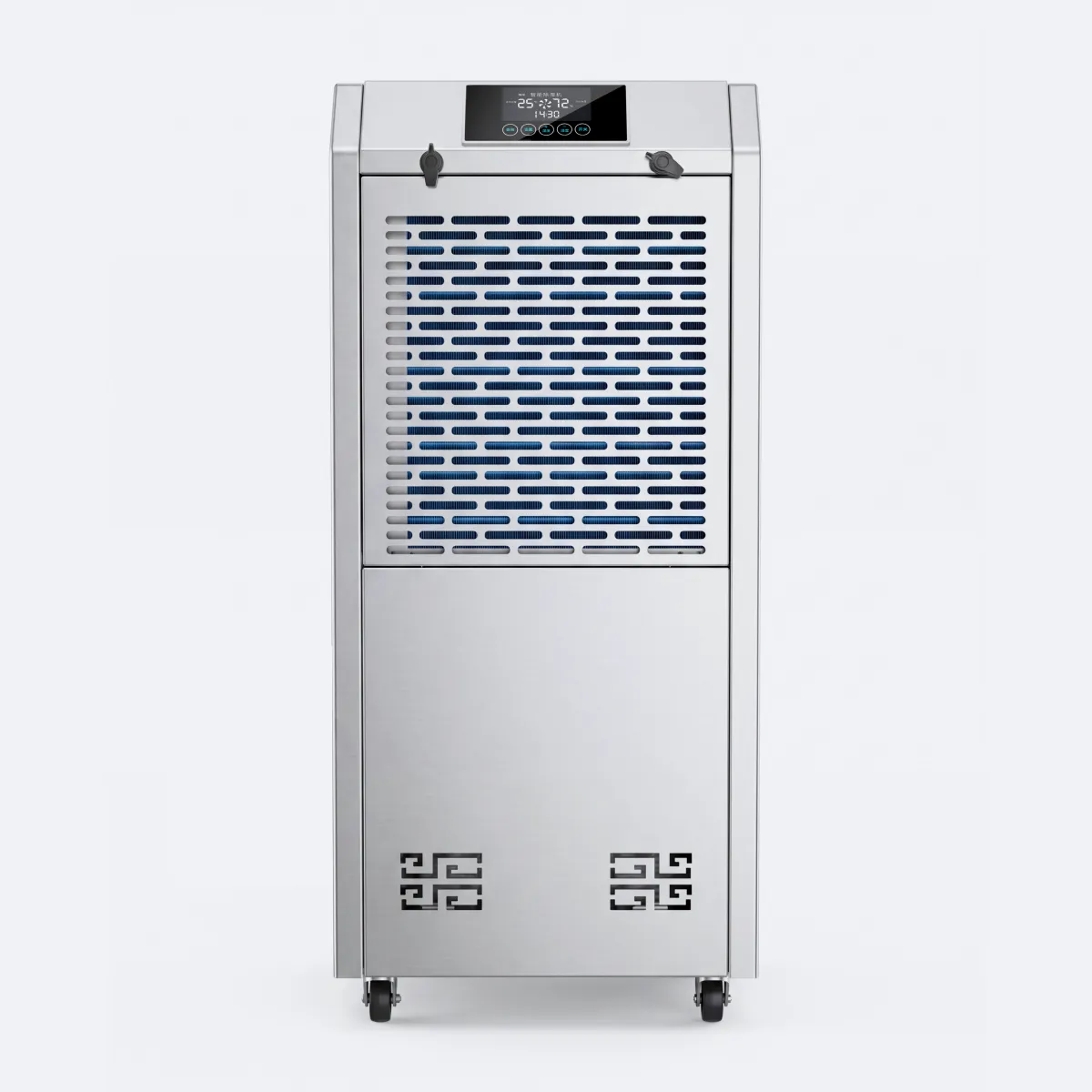
Capacity & Application
Extraction: 60–156 L/day (220V single-phase). Stainless steel cabinet with epoxy-coated copper coils for chlorinated and salt-laden pool air. LCD touch panel and continuous drainage as standard. Models: GDH-60E / 90E / 138E / 156E Anti-Corrosion.
Series
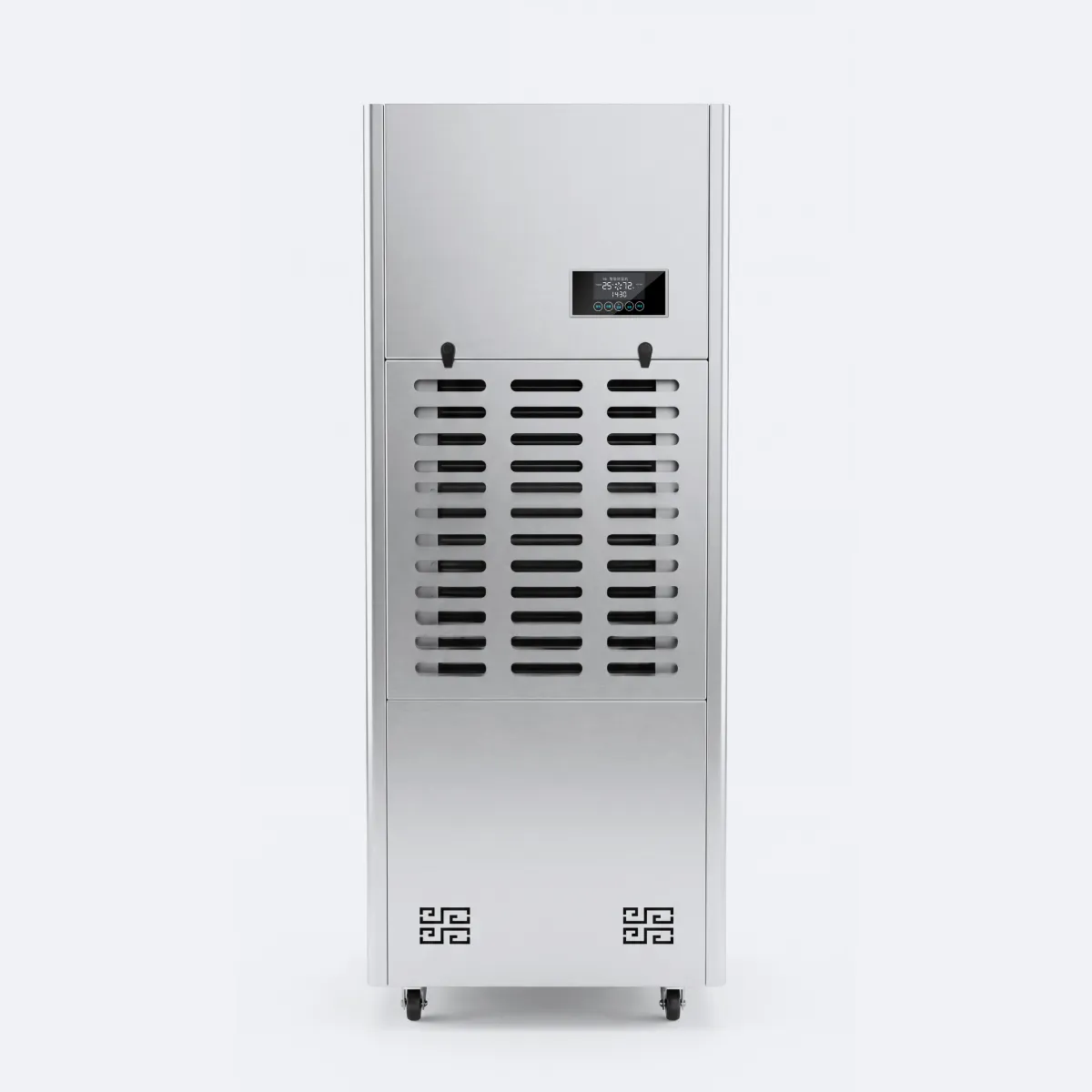
Capacity & Application
Extraction: 180–288 L/day (220V/380V). For commercial pools and aquatic facilities with high chloramine loads. Chloride-resistant stainless steel cabinet, epoxy-coated copper coils, continuous hose drainage. Models: GDH-180E / 240E / 280E Anti-Corrosion.
Series
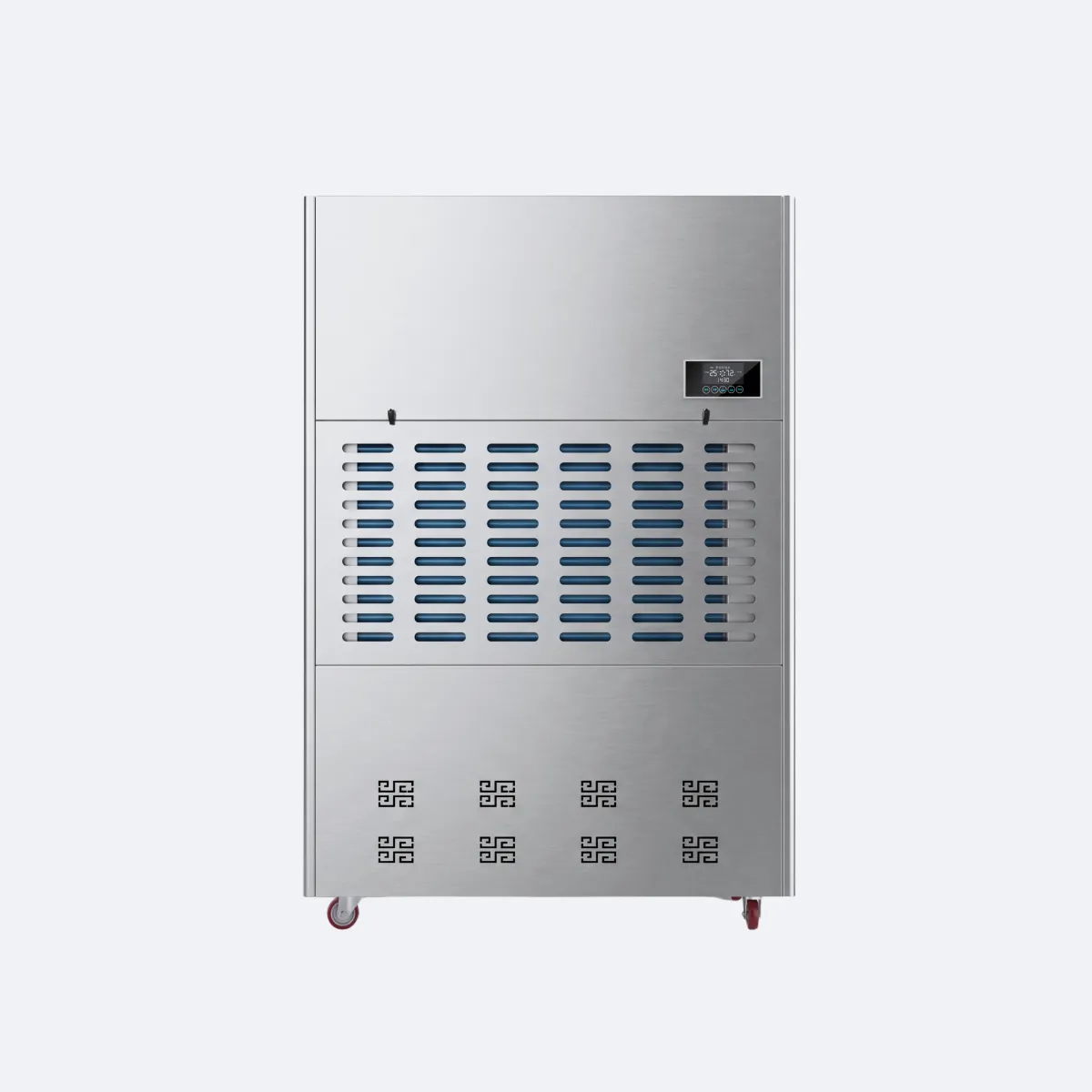
Capacity & Application
Extraction: 380–1,440 L/day (380V three-phase). For natatoriums, aquatic centers, and water parks, typically installed in parallel in a mechanical room. Stainless steel cabinet, epoxy-coated copper coils, continuous hose drainage. Models: GDH-380E to GDH-1440E Anti-Corrosion.
Series
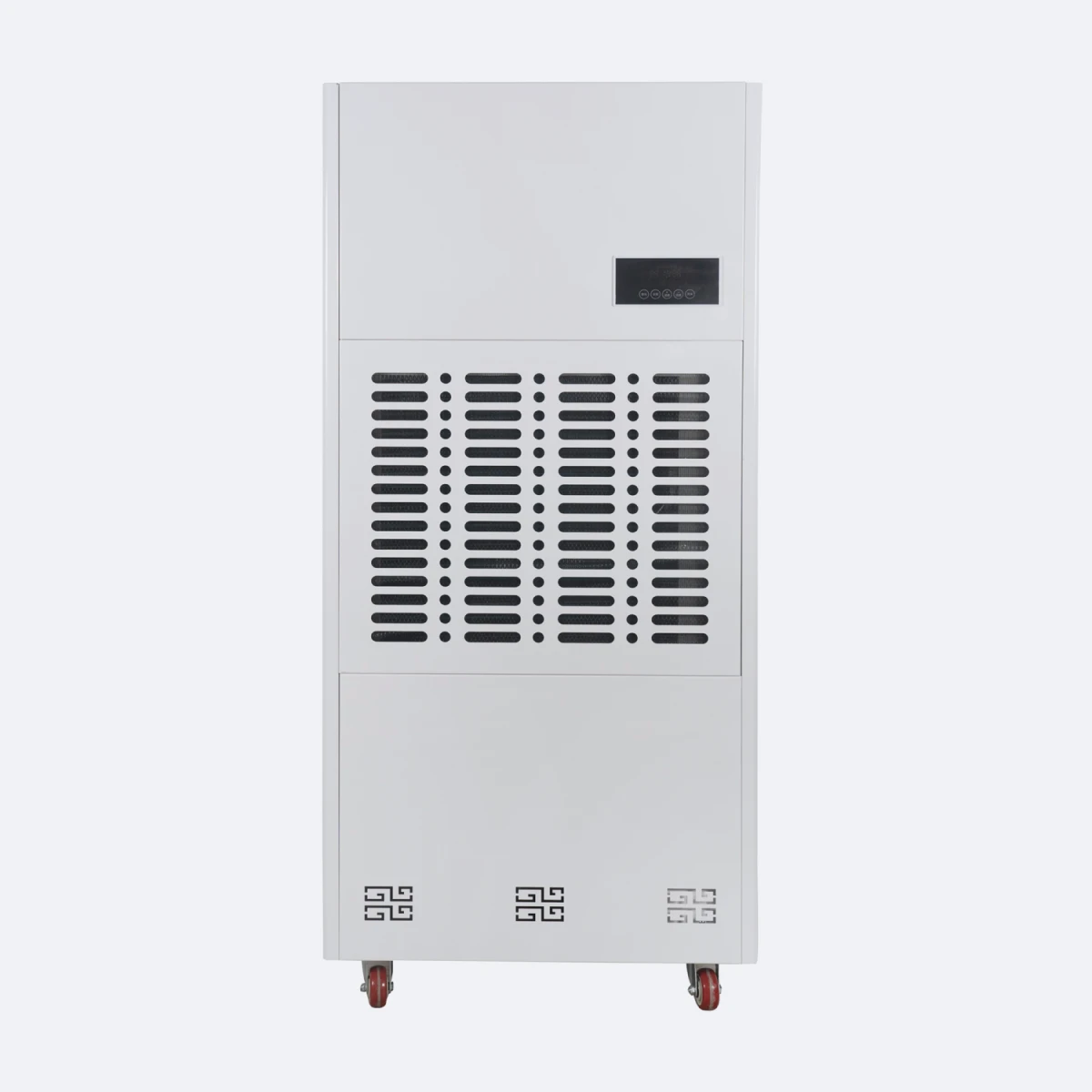
Capacity & Application
Extraction: 90–720 L/day (220V/380V). Concealed ceiling installation with ducted supply along the glazing line — the standard configuration for hotel, school, and municipal pools where floor space and architecture must be preserved. Epoxy-coated copper coils, titanium-foil fins, continuous hose drainage. Models: GDH-CE56 to GDH-CE720.
• UH-DS Ultrasonic Humidifiers (2 kg/h to 30 kg/h) — for environments that need added moisture rather than removal
• SSPAC Portable Air Conditioners (2,700 W to 5,000 W) — spot cooling for plant rooms, lifeguard stations, and equipment areas
• DS-HS Combination Units — integrated humidification, dehumidification, and air purification
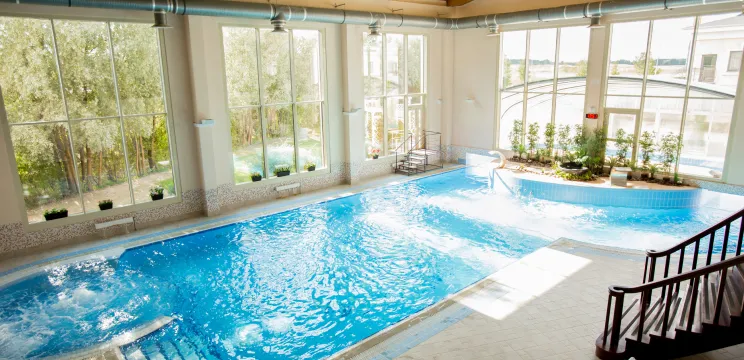
Send us your greenhouse dimensions, cultivation stage, target humidity, and operating temperature. Our engineering team will recommend the right SHISHUO model and capacity.
Request Sizing Download Catalog amy@shishuodehu.comSwitch between the tabs below to learn more. Each tab links to a dedicated page.
Company Overview
Founded 2015 ; Jiaxing production base 2023 (Zhejiang Shishuo); R&D, production, technical service integration; Shanghai-based international sales team
LEARN MORE
Quality Inspection
Functional testing and 100% final inspection before shipment (per catalog Step 5); workshop-level inspection at heat exchanger and assembly stages
LEARN MORE
OEM & ODM Solutions
6-step customization flow per catalog: requirement analysis → solution & model selection → specification confirmation → production & assembly → testing → packaging & shipping
LEARN MORE
Certifications
Quality, environmental, and occupational health management system certifications; product safety certifications (CCC and CE class) shown in catalog
LEARN MORE
Size by pool surface area and water temperature, which set the evaporation rate — not by room volume. Starting points: residential pool up to 50 m² → GDH-50E to GDH-90E or GDH-CE56; hotel/spa pool 50–150 m² → GDH-CE56 to CE156; school/community pool 150–300 m² → GDH-CE156 to CE288; natatorium 300–600 m² → GDH-CE380 to CE720 or GDH-380E+. Step up for water above 30°C, water features, or single-pane glazing. Send your pool dimensions, water and target air temperature, and target RH for an exact ASHRAE-based calculation.
Three differences. (1) Sizing — a pool unit is sized to water-surface evaporation (L/day), not room volume. (2) Corrosion — pool air is full of chloramines and acids, so pool units need copper/titanium-foil coils and moisture-proof cabinets that a standard unit lacks. (3) Air distribution — pool units are built to duct dry air along the glazing and pull return from the ceiling, the pattern that prevents window condensation. A standard dehumidifier put in a pool room typically corrodes within 2–4 years.
Direct supply air along the glazing line and any cold exterior wall, and pull return air from the warm, humid ceiling zone above the deep end — 'wash the windows, pull from the ceiling.' Ceiling-ducted GDH-CE units distribute this way directly; floor-standing units sit in a mechanical room and duct supply and return into the hall. Avoid drawing intake directly off the wet deck, which shortens coil life.
Ceiling-mounted ducted units (GDH-CE) are preferred for most commercial pools — they preserve floor space and architecture and duct air to the glazing. Floor-standing units (GDH industrial) suit large natatoriums and aquatic centers where the load fits a dedicated mechanical room. Residential pools often use a single portable or a small GDH-CE56. The right answer depends on pool size, ceiling space, and whether the building has a plant room.
Cost scales with pool surface area, target conditions, and configuration (ceiling-ducted vs. floor-standing). The most expensive mistake is buying an oversized off-the-shelf unit or an undersized one that lets the building corrode. As a factory-direct manufacturer with no distributor markup, we quote against your actual pool dimensions and water temperature so the system matches the calculated evaporation load. Send your project details for a model recommendation and price.
Yes. SHISHUO is a manufacturer, not a trading company — we produce the GDH-CE, GDH, and ROD series at our Jiaxing facility and supply factory-direct. That means specification support from our engineering team, no distributor markup, and OEM/ODM options for builders, leisure groups, and distributors.
Yes. The GDH-CE ducted range extends to CE720, and the GDH industrial floor-standing range to GDH-1440E, covering school, municipal, and competition pools, aquatic centers, and water parks. Large halls typically use multiple paralleled units in a mechanical room for capacity and maintenance redundancy. We help plan multi-unit natatorium layouts.
Yes. We support OEM (your branding on our hardware) and ODM (voltage, cabinet, duct/drain configuration, control interface, coil protection level). Standard units are 220V/50Hz and 380V; 110V/60Hz and 240V/50Hz on ODM. We are an export manufacturer and ship internationally — contact us with your destination market for certificates (CE/RoHS where applicable) and a quotation.
Pool Dehumidification: Technical Reference
Pool dehumidifier specification starts from the evaporation load of the water surface, which depends on water temperature, air temperature, relative humidity, pool surface area, and an activity factor for bather load and water features. The full calculation method, with worked examples, is documented in our article on pool dehumidifier sizing and condensation control; the application-level humidity targets are covered on the indoor pool dehumidification page.
Why Corrosion Protection Determines Service Life
Pool air carries chloramines, hypochlorous acid, and trace HCl. Standard aluminum-fin coils and galvanized cabinets in this atmosphere typically fail at the heat exchanger within 2–4 years. Pool-rated construction uses copper tubing with epoxy-coated or titanium-foil fins and a stainless or moisture-treated cabinet. Two installation practices extend service life further: ducting return air from the hall rather than drawing directly off the wet deck, and routing condensate to a drain continuously so the cabinet interior stays dry.
Dew Point Is the Control Target
Structural damage in a pool hall is a dew point event. At 28°C air and 60% RH, the dew point is approximately 19.5°C — any surface colder than that (glazing, steel framing, fasteners) condenses. Holding 50–56% RH keeps the dew point below the temperature of the coldest exposed surface in most climates; single-pane glazing in cold climates is the exception and requires either higher capacity or double glazing.
When Compressor Units Reach Their Limit
Spa and hydrotherapy rooms run 35–40°C water, where evaporation per square meter rises sharply and the target dew point tightens. Where compressor capacity is no longer stable against the load, the rotary desiccant series holds the dew point by adsorption rather than condensation.
Factory-Direct Supply
GDH, GDH-CE, and ROD pool-suitable units are produced at our Jiaxing production base and supplied without distributor markup. For an ASHRAE-based load calculation against your pool dimensions and water temperature, send the project details to SHISHUO Engineering.
Sizing Matrix by Pool Type
Baseline assumes standard activity. Step up for water above 30°C (every 1°C raises evaporation roughly 8–10%), water features or splash surfaces, and single-pane glazing in cold climates (add 20–30%).
| Pool Type | Pool Surface Area | Recommended Model |
| Residential indoor pool / pool house | Up to 50 m² | GDH-50E to GDH-90E, or GDH-CE56 |
| Hotel / spa pool | 50–150 m² | GDH-CE56 to GDH-CE156 |
| School / community pool | 150–300 m² | GDH-CE156 to GDH-CE288 |
| Municipal natatorium / competition pool | 300–600 m² | GDH-CE380 to CE720, or GDH-380E to 720E floor-standing |
| Aquatic center / water park | Above 600 m² | GDH-960E to GDH-1440E (multiple units) |
| Spa / hydrotherapy / hot-tub room | 10–30 m² (35–40°C water) | GDH-50E to GDH-138E, or ROD desiccant — size up one step |
We support industrial temperature and humidity control projects with clear specifications, stable equipment, and practical system advice. Share your application details and capacity requirements—our team will respond with a suitable solution and quotation.
Get a Quick QuoteHi! Click one of our member below to chat
on WhatsApp
General Manager
Business Development Manager