The Asia Pacific dehumidifier market is on track to roughly double over the next decade. According to a new industry outlook from Transparency Market Research published this week, the regional market was valued at US$770.8 million in 2023 and is projected to reach US$1.5 billion by the end of 2034, a compound annual growth rate of 6.0% from 2024 to 2034.
In brief: the report attributes the growth to rising humidity levels, rapid urbanization and construction, wider awareness of indoor air quality, and, increasingly, industrial demand for precise humidity control in sectors such as electronics, food processing, and pharmaceuticals.
The Key Numbers
| Metric | Value |
|---|---|
| Market size, 2023 | US$770.8 million |
| Projected market size, 2034 | US$1.5 billion |
| CAGR, 2024–2034 | 6.0% |
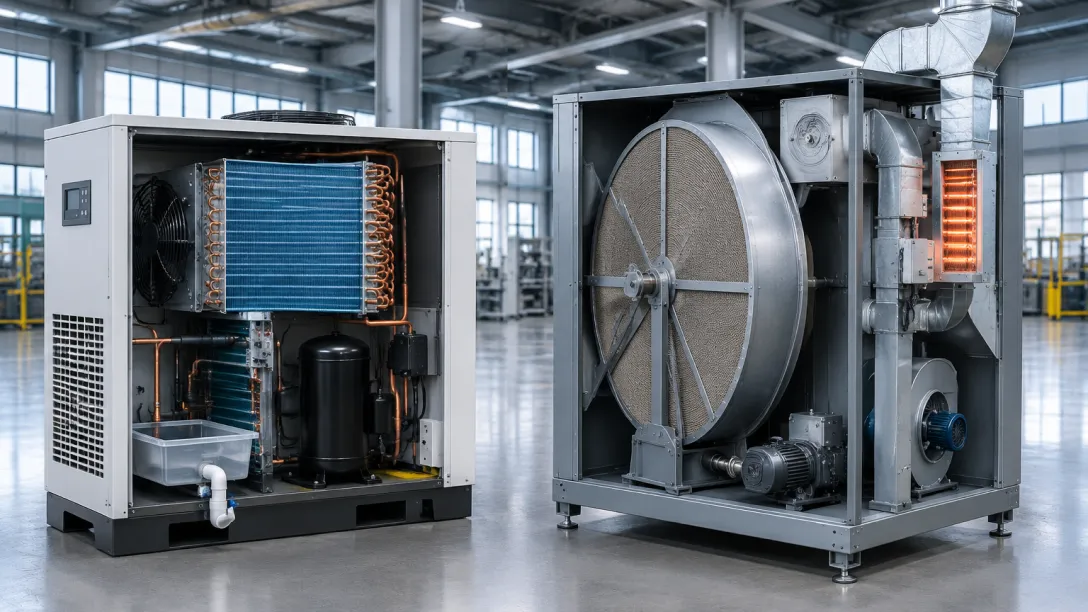
| Product segments | Refrigerant/condensation, desiccant, Peltier (thermo-electric) |
| Capacity segments | Up to 30 pints/day through above 500 pints/day |
What Is Driving Demand
The report points to two demand engines running at the same time. On the consumer side, awareness of mold, allergens, and moisture-related health problems is pushing residential and commercial adoption, supported by smart features such as IoT connectivity, humidity sensors, and automated controls. On the industrial side, the driver is process control: manufacturing in food, pharmaceuticals, and electronics depends on holding humidity within tight bands, and the report notes that manufacturers are prioritizing lower power consumption alongside performance to meet sustainability targets.
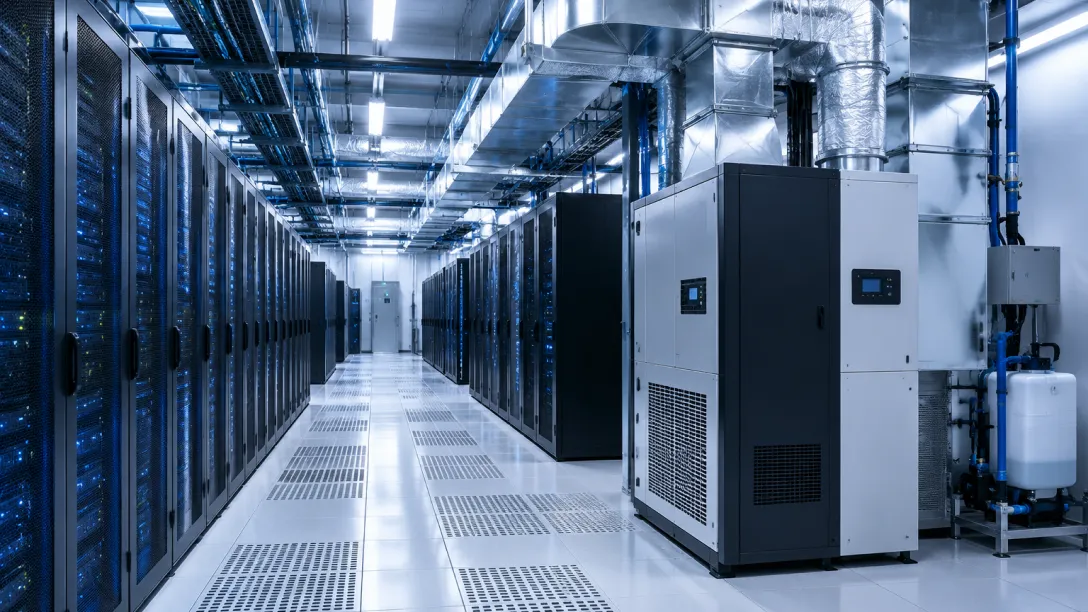
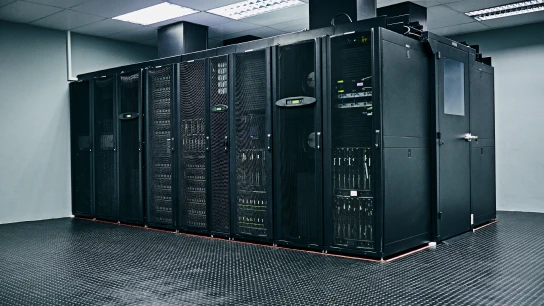
The report's opportunity list reads like a map of where industrial humidity control is heading: manufacturing, pharmaceutical, food processing, and logistics expansion, plus data center construction, which is creating fresh demand for precise environmental and humidity control across the region.
Where Industrial Demand Concentrates
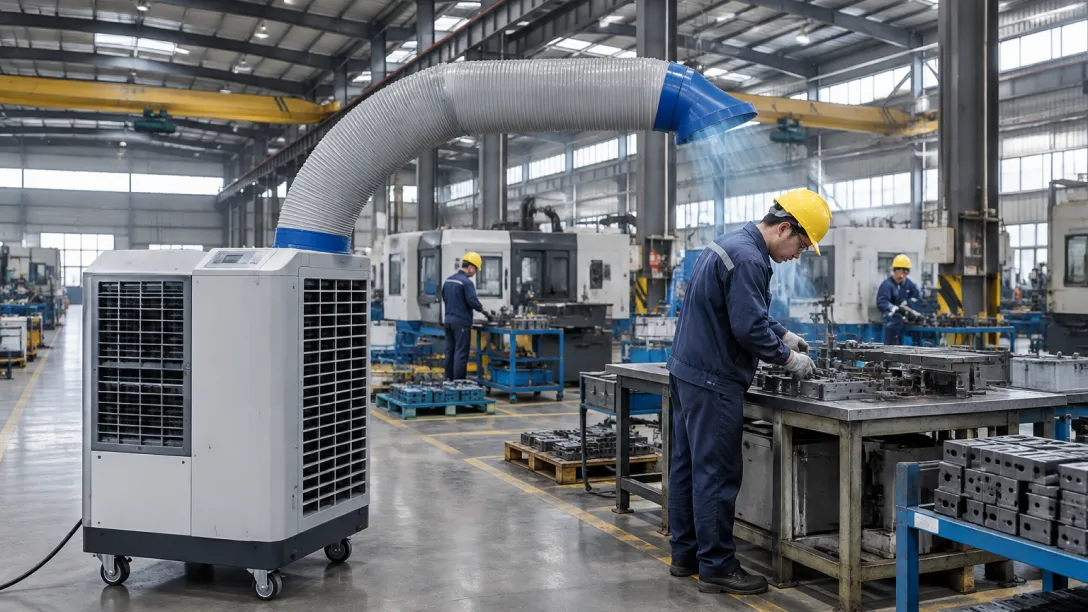
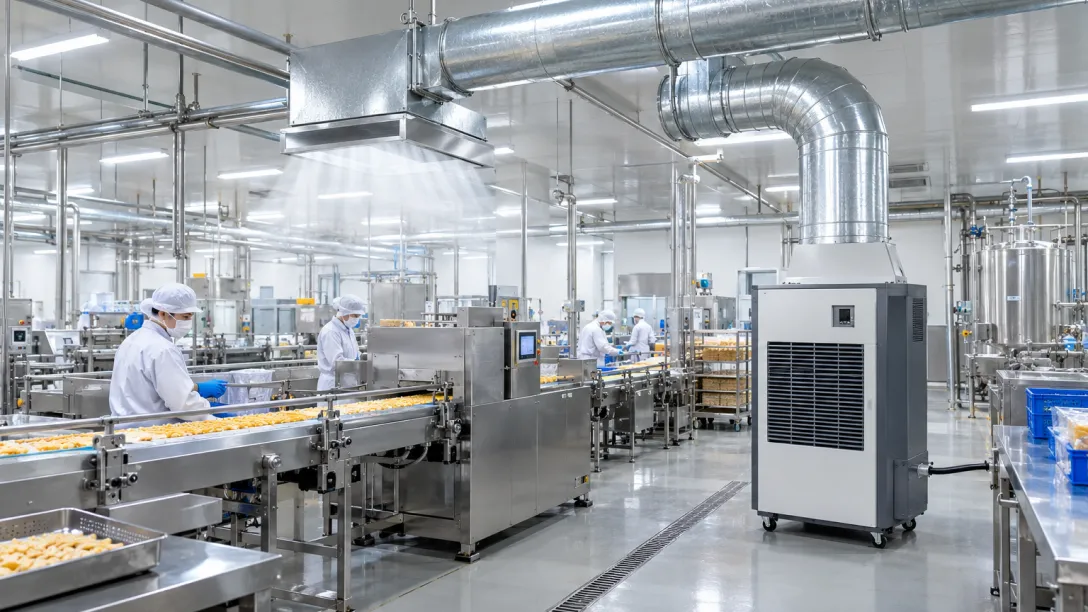
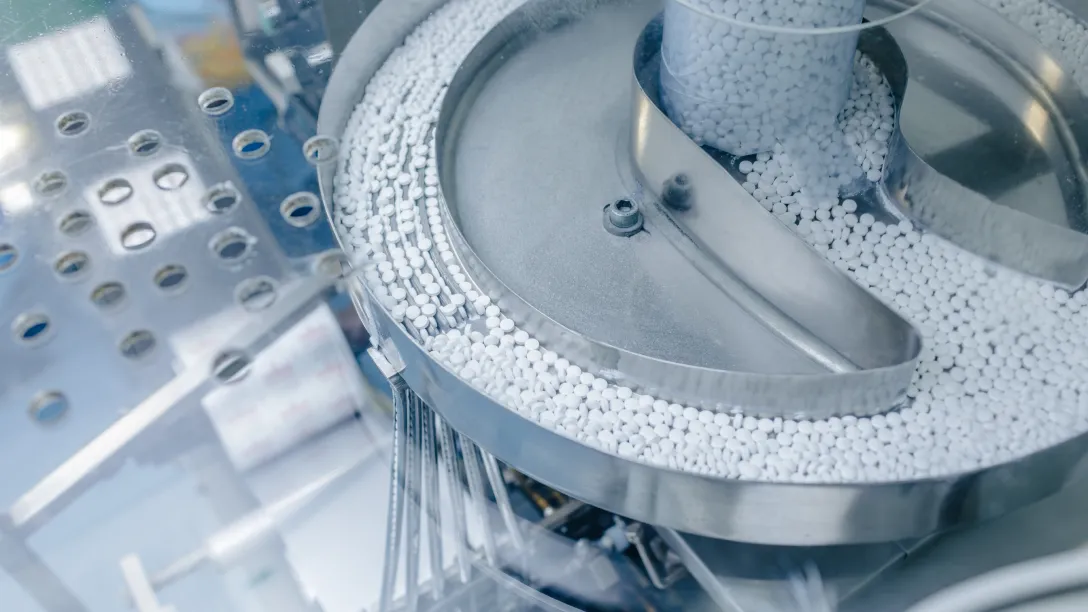
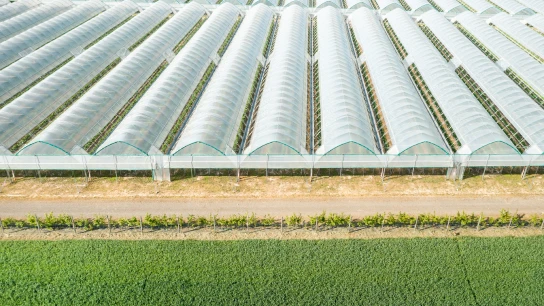
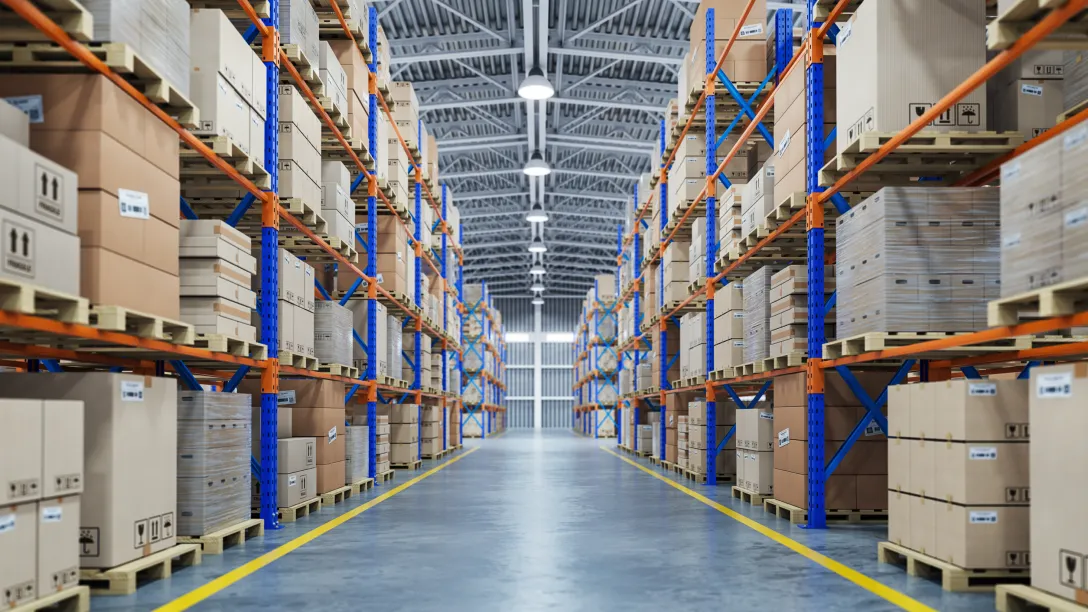
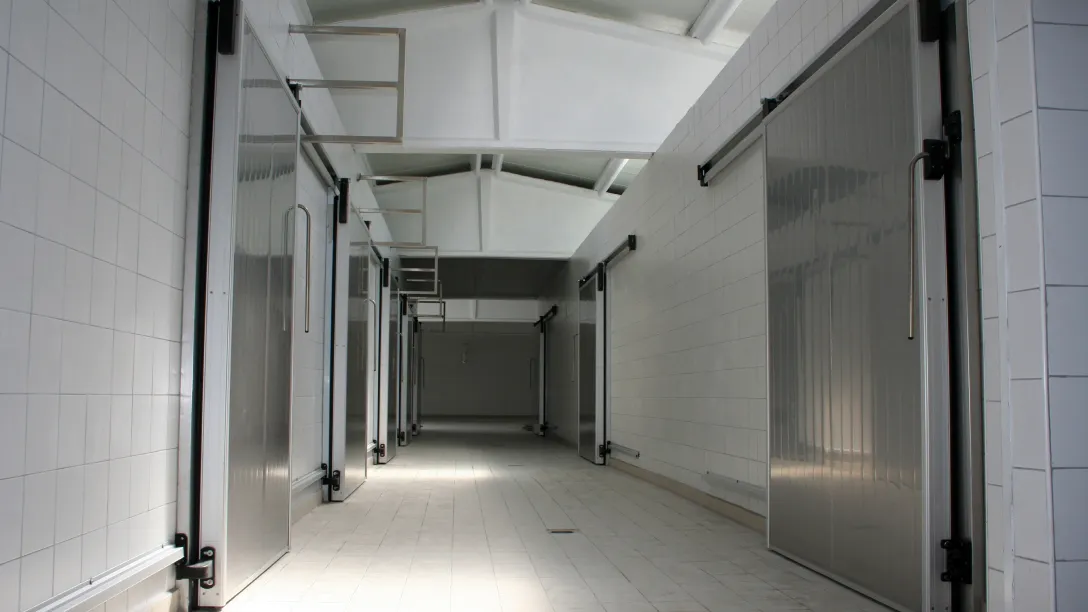
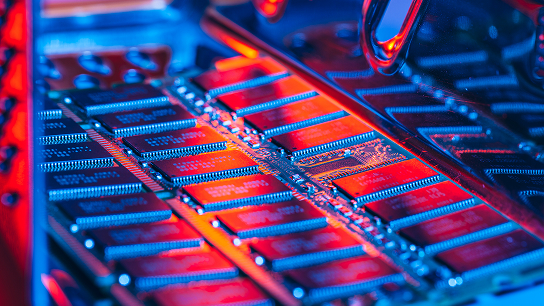
The segmentation detail is useful for anyone specifying equipment. The report breaks industrial applications down to lithium battery production, IT and data centers, semiconductor and PCB assembly, cold stores and warehouses, food and seafood processing, seed drying and storage, and automotive environments such as engine testing rooms and powder coating areas. Capacity demand spans from sub-30-pint units to systems above 500 pints per day, which covers everything from control rooms to full-scale industrial dehumidifier installations.
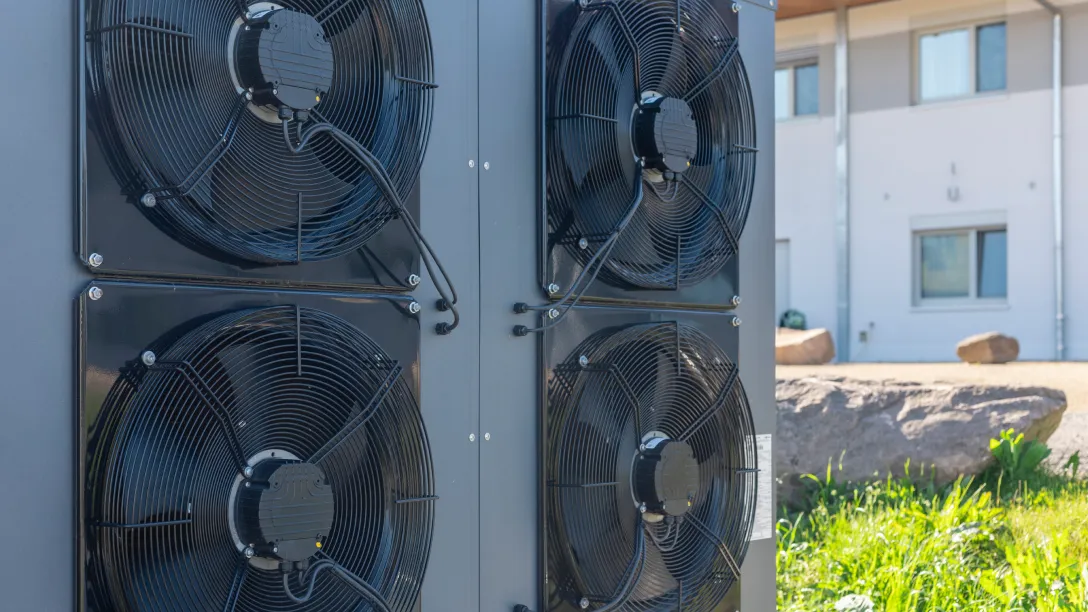
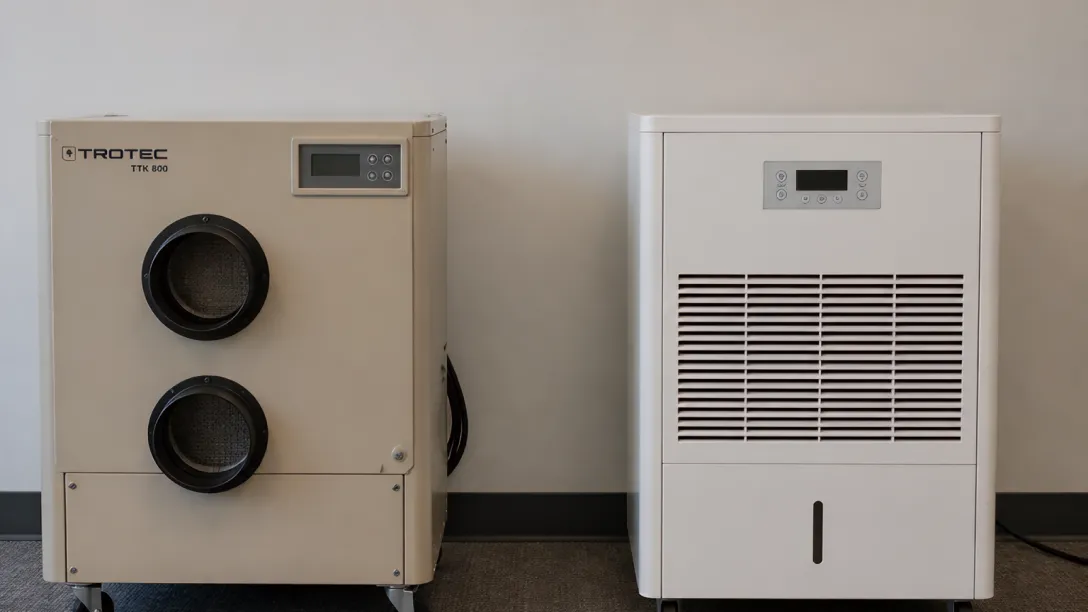
On the technology side, refrigerant and condensation units remain the volume segment, while desiccant dehumidification serves the low-temperature and low-dew-point processes where refrigerant systems cannot perform, including lithium battery dry rooms and cold storage.
Competitive Landscape
Transparency Market Research lists the leading companies active in the regional market, including Atlas Copco Group, Bry-Air, Condair Group, De'Longhi Group, Desiccant Technologies Group, Electrolux Group, Haier Group, Josem Group, LG Corp., Munters, Seibu Giken DST AB, Whirlpool Corporation, and Zhejiang-based Preair Electrical Appliance Industry. The report describes competition as centered on energy-efficient product development, smart features, broader portfolios, and regional distribution networks. The presence of Zhejiang manufacturers on that list reflects what export buyers already know: China is a core production base for the region's dehumidification equipment.
What This Means for Buyers and Specifiers
For facility planners and procurement teams, the practical takeaway is that humidity control is moving from optional utility to specified process infrastructure across Asia Pacific industry. Projects in electronics, food, pharma, logistics, and data centers increasingly budget dehumidification at the design stage rather than retrofitting it after moisture damage appears. Suppliers with industrial-grade product depth, energy-efficient designs, and export-ready technical support are positioned to capture that shift.