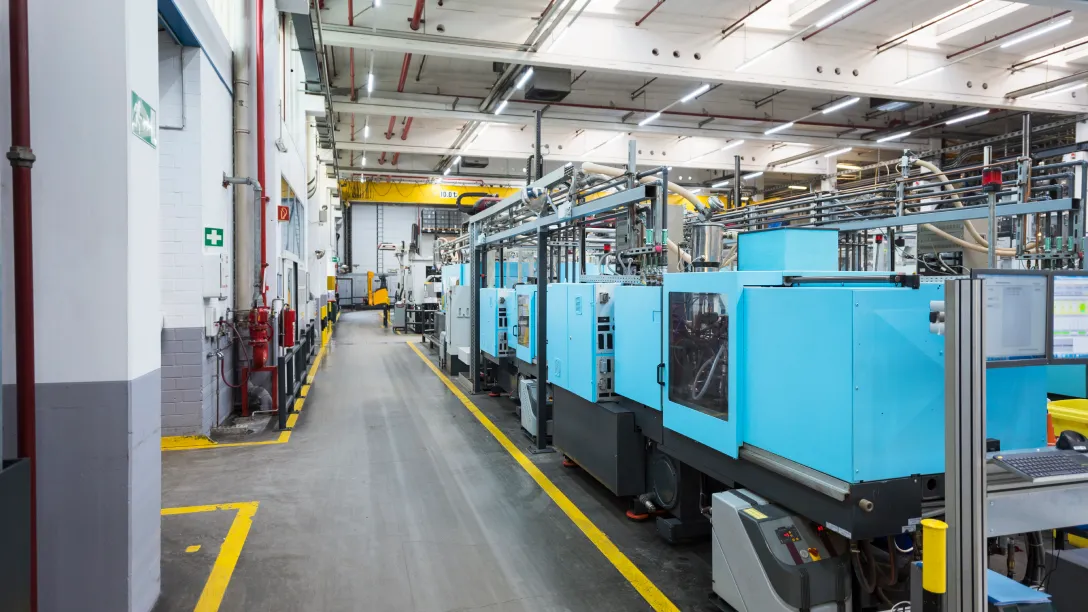
Profitability in commercial plastic injection molding and extrusion is strictly governed by two metrics: cycle time reduction and zero-defect cosmetic yields. Atmospheric moisture actively degrades both. In the processing of engineering polymers, water vapor introduces severe thermodynamic and chemical barriers. When hygroscopic raw materials absorb ambient humidity, they undergo catastrophic structural degradation during the melting phase. Simultaneously, the physical ambient moisture in the manufacturing hall dictates the absolute thermal limit to which steel molds can be cooled, directly bottlenecking production speeds.
Standard facility air conditioning operates at a dew point too high to mitigate these industrial failure modes. Resolving resin degradation and accelerating cycle times requires severing the process from ambient weather conditions entirely. This engineering guide details the chemical mechanics of polymer hydrolysis, the physics of mold condensation (mold sweating), and the application of active chemical adsorption to maximize plastic manufacturing throughput.
Hygroscopic Polymers and the Mechanics of Hydrolysis
Engineering plastics such as Polyethylene Terephthalate (PET), Polyamides (Nylon), Polycarbonate (PC), and Acrylonitrile Butadiene Styrene (ABS) are inherently hygroscopic. Their molecular structures possess a strong thermodynamic affinity for water. When stored in standard warehouse conditions, these polymer pellets absorb water molecules directly from the air. This moisture does not merely sit on the surface; it penetrates the molecular chains of the plastic.
If these moisture-laden pellets are fed into the heated barrel of an injection molding machine, the trapped water is instantly superheated into high-pressure steam. This steam physically reacts with the polymer in a process known as hydrolysis. Hydrolysis cleaves the covalent bonds of the polymer chains, reducing the material's molecular weight. In practical manufacturing terms, this chemical severing destroys the mechanical tensile strength and impact resistance of the final part. Cosmetically, the expanding steam creates voids, bubbles, and a highly visible surface defect known as splay, or silver streaking. Parts suffering from hydrolysis-induced splay face immediate quality control rejection.
Vapor Pressure Deficits in Resin Drying Hoppers
Blowing heated ambient air over hygroscopic pellets fails to remove deep molecular moisture because warm ambient air still contains significant water vapor. To dry engineering resins to their required processing specifications (often below 0.02% moisture content), facility engineers utilize closed-loop drying hoppers integrated with a dedicated desiccant dehumidifier.
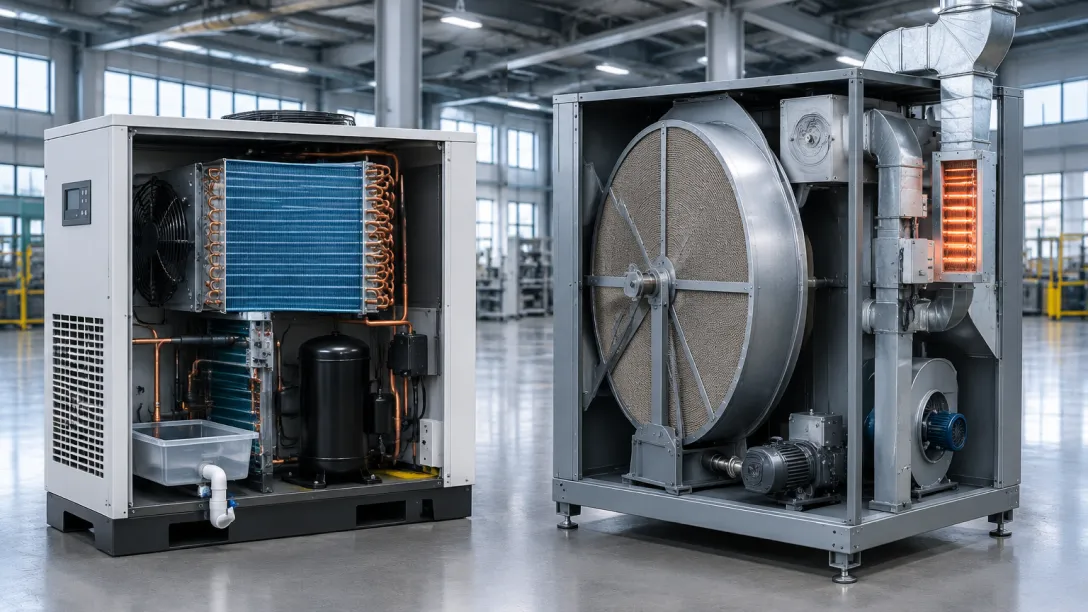
This system operates on the principle of vapor pressure differentials. The desiccant rotor processes the drying air, stripping its moisture content to achieve an ultra-low dew point of -40°C (-40°F) or colder. This bone-dry air is heated and forced upward through the resin hopper. Because the air contains virtually zero moisture, it creates an extreme vapor pressure deficit relative to the wet plastic pellets. The moisture is drawn out of the polymer chains, into the airstream, and carried back to the desiccant wheel for removal. Supplying consistently dry resin to the feed throat eliminates hydrolysis, stabilizes melt viscosity, and guarantees defect-free mechanical properties.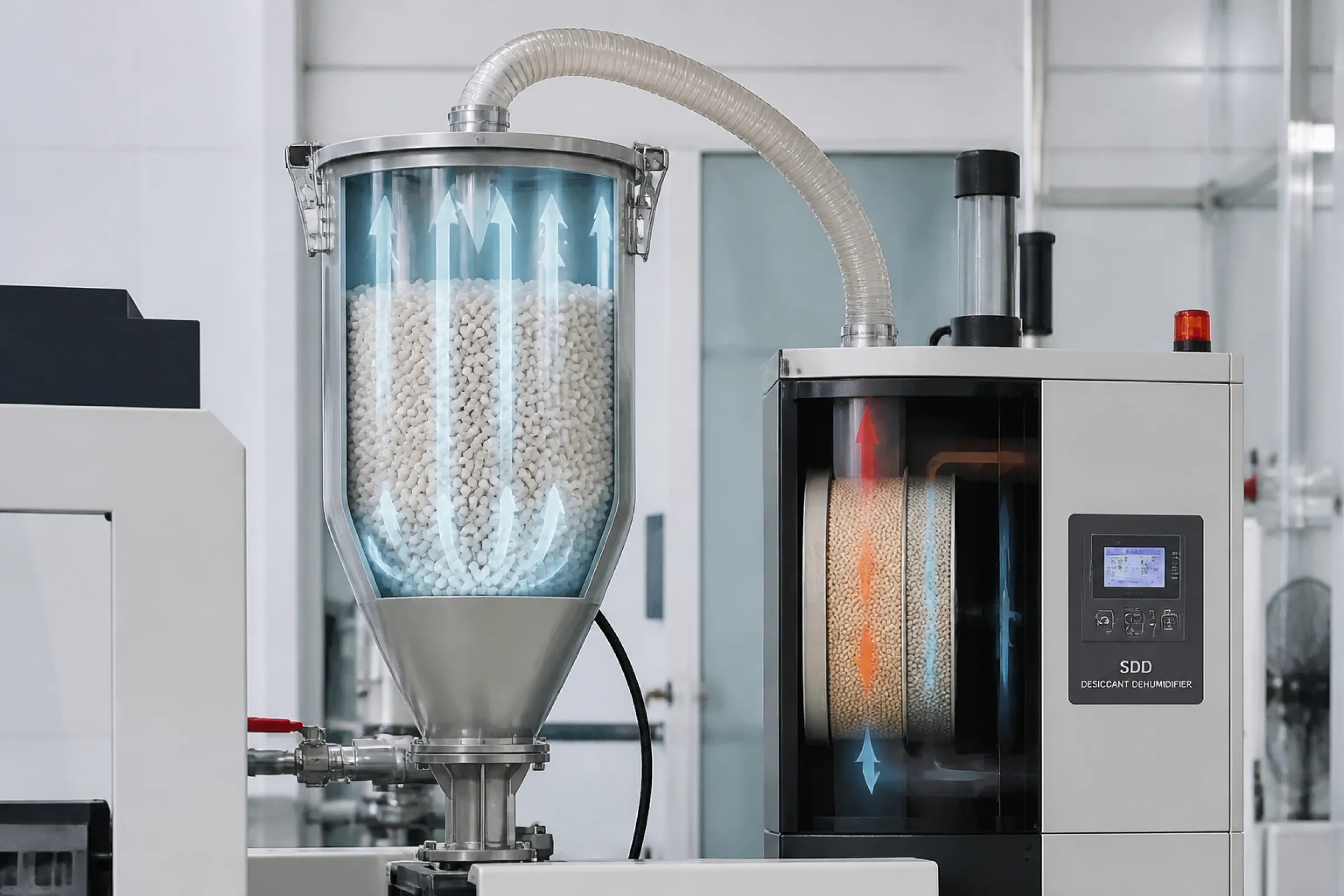
The Physics of Mold Sweating
The injection molding cycle consists of injection, packing, cooling, and ejection. The cooling phase consumes up to 80% of the entire cycle time. To increase daily production output, process engineers aggressively lower the temperature of the chilled water circulating through the mold's cooling channels. Colder water solidifies the molten plastic faster, allowing the machine to eject the part and begin the next cycle sooner.
However, lowering the chilled water temperature is strictly limited by the ambient dew point of the factory floor. If the surface temperature of the heavy steel mold drops below the room's dew point, atmospheric moisture instantly condenses on the cold steel. This phenomenon is universally known as "mold sweating."
Mold sweating causes severe operational failures. When liquid water forms inside the mold cavities, it vaporizes upon contact with the next shot of 250°C molten plastic, leaving permanent watermarks and surface blemishes on the finished product. Furthermore, condensation causes rapid oxidation and rusting of expensive H13 tool steel molds, destroying highly polished core pins and precision-machined parting lines.
Dew Point Suppression for Cycle Time Economics
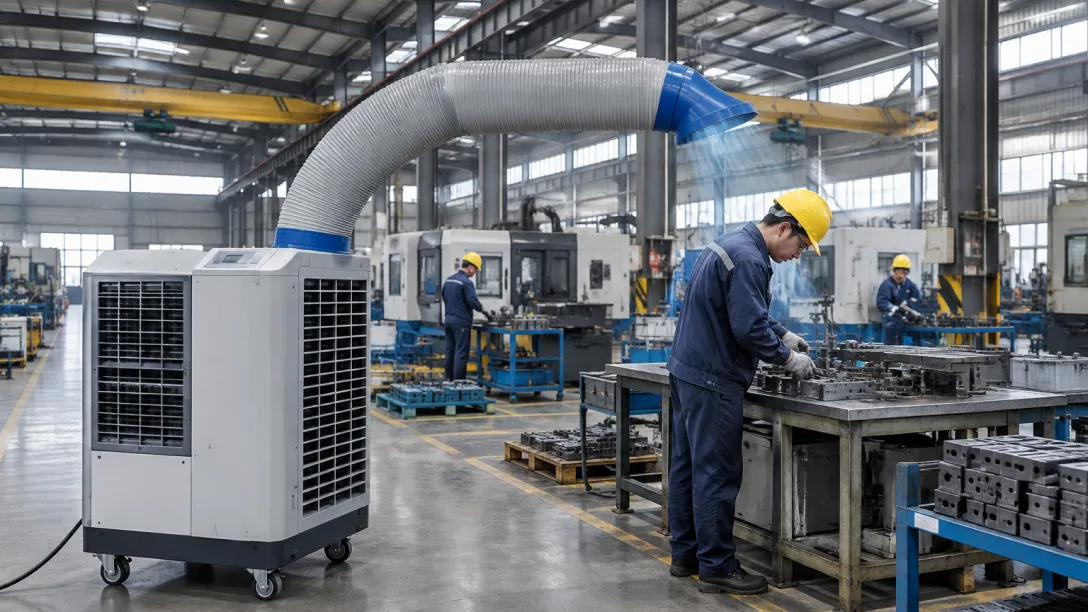
To break the condensation bottleneck, facilities deploy active environmental enclosures around the molding machines. By utilizing a high-capacity industrial desiccant dehumidifier, engineers flood the mold envelope with aggressively dried air. This massive injection of dry air displaces the humid factory atmosphere, crushing the localized dew point surrounding the machine down to 5°C (41°F) or lower.
With the ambient dew point artificially suppressed, process engineers can safely drop the chilled water temperature to 6°C without any risk of condensation forming on the mold surfaces. Accelerating the thermal transfer from the plastic to the ultra-cold mold physically shortens the required cooling phase. Field data consistently demonstrates that suppressing the dew point and lowering chilled water temperatures reduces total injection cycle times by 15% to 30%. In high-volume manufacturing, shaving just three seconds off a 20-second cycle yields massive annual throughput increases, completely altering the financial ROI of the production line.
Cleanroom Extrusion and Medical Device Molding
Manufacturing medical grade tubing, catheters, and optical lenses requires ISO Class 7 or Class 8 cleanroom environments. To maintain the positive pressure required to keep airborne particulates out, cleanroom HVAC systems must continuously introduce large volumes of outside make-up air. During summer months, this outside air carries a massive latent moisture load.
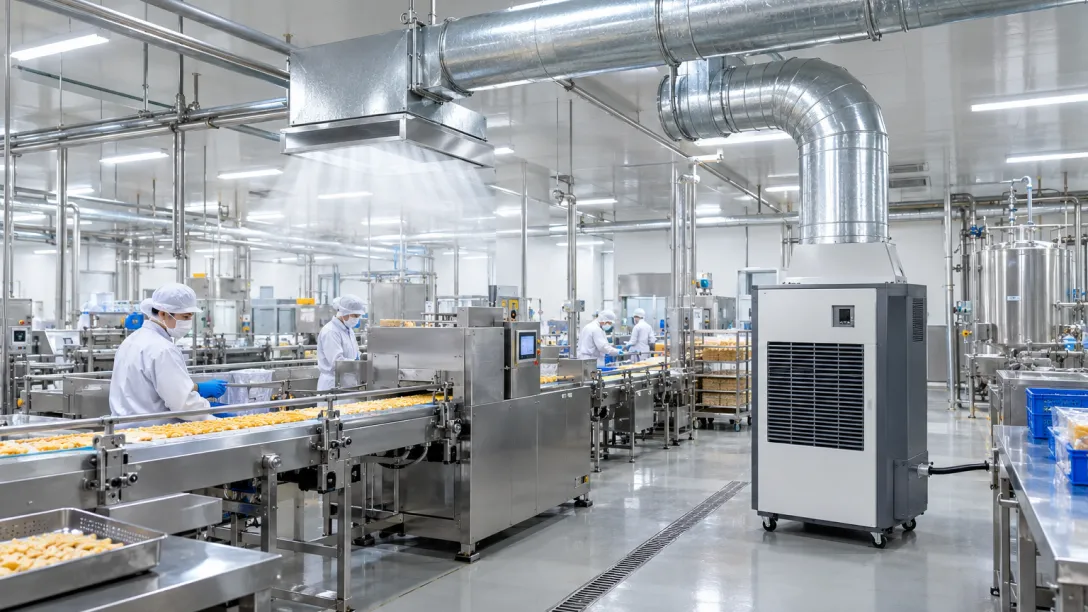
Routing this humid air directly into a standard cooling coil results in severe relative humidity spikes inside the cleanroom, leading to immediate condensation on the chilled extrusion baths and molding platens. Integrating a heavy-duty rotary desiccant dehumidifier into the cleanroom make-up air unit intercepts this moisture. The silica gel matrix strips the latent load from the fresh air before it mixes with the cleanroom circulation system. This decoupling of latent and sensible cooling ensures that the cleanroom remains strictly at 40% relative humidity, eliminating mold sweat and ensuring total compliance with medical manufacturing specifications.
Integrate Active Moisture Control in Plastics Processing
Maximizing the efficiency of heavy plastic manufacturing requires treating atmospheric moisture as a critical process variable. Deploying adsorption technology eliminates the chemical threat of polymer hydrolysis, prevents costly mold corrosion, and safely allows the ultra-low chilled water temperatures necessary for maximum cycle time reduction. For psychrometric evaluations, hopper drying integration, and mold enclosure design, consult our specialized engineering team to stabilize your injection molding environment.
Frequently Asked Questions
What causes splay (silver streaking) in injection molded parts?
Splay is a cosmetic and structural defect caused by moisture trapped inside hygroscopic polymer pellets. When the wet plastic is heated in the machine's barrel, the internal moisture boils and turns into high-pressure steam. As the plastic is injected into the mold, this steam expands, dragging across the surface of the part and leaving highly visible silver streaks or bubbles.
Why do hygroscopic polymers require desiccant drying instead of hot air?
Hot ambient air still contains significant water vapor. Hygroscopic plastics like PET and Nylon hold moisture at the molecular level. Extracting this moisture requires a massive vapor pressure deficit. Desiccant dryers supply air with a dew point of -40°C, meaning it is completely devoid of moisture. This ultra-dry air acts like a vacuum, forcefully pulling the water molecules out of the polymer chains.
What is "mold sweat" and why does it occur?
Mold sweat is the physical condensation of atmospheric moisture onto the surface of an injection mold. It occurs automatically when the surface temperature of the chilled steel mold drops below the ambient dew point of the factory air. The cold steel removes heat from the surrounding air, forcing the invisible water vapor to condense into liquid droplets on the mold cavities.
How does lowering the room's dew point reduce injection cycle times?
The cooling phase is the longest part of an injection cycle. Colder chilled water cools the plastic faster, shortening the cycle. However, cold water causes mold sweat if the mold temperature is below the room's dew point. By using a desiccant system to lower the localized dew point to 5°C, engineers can safely run 6°C chilled water without causing condensation, reducing cycle times by up to 30%.
Can standard HVAC systems prevent mold condensation?
No. Standard vapor-compression HVAC systems remove moisture by cooling air across a cold coil, typically bottoming out at a dew point of around 10°C to 12°C. High-speed injection molding often requires chilled water temperatures of 5°C to 8°C. Standard HVAC cannot suppress the dew point low enough to prevent condensation at these aggressive cooling temperatures.
How does moisture degrade polycarbonate and PET during processing?
When wet polycarbonate or PET is subjected to the intense heat and shear stress of the injection barrel, the water chemically reacts with the plastic in a process called hydrolysis. This chemical reaction breaks the long covalent bonds of the polymer chains. The resulting plastic suffers a severe drop in molecular weight, leading to brittle parts that fail impact testing and exhibit poor optical clarity.