Advanced manufacturing sectors, particularly energy storage and biopharmaceuticals, operate under strict atmospheric constraints where ambient moisture is classified as a critical chemical contaminant. In these environments, standard relative humidity (RH) metrics are insufficient; atmospheric moisture is instead quantified by its dew point, often requiring continuous suppression below -40°C, and in highly sensitive applications, down to -70°C. At these ultra-low parameters, atmospheric water vapor exists in single-digit parts per million (ppm). Achieving and sustaining this microclimate is impossible with standard mechanical refrigeration. It strictly dictates the implementation of advanced chemical adsorption technologies.
The structural integrity of solid dosage pharmaceuticals and the electrochemical stability of lithium-ion cells are fundamentally dictated by the psychrometric parameters of their surrounding production environments. Failure to engineer a compliant "dry room" results in catastrophic material degradation, volatile chemical reactions, and complete batch failures. This technical paper analyzes the kinetics of moisture contamination in high-value manufacturing, the physical limitations of mechanical cooling, and the precise engineering of industrial rotary desiccant systems required to sustain ultra-low dew point specifications.
The Kinetics of Moisture Contamination in Lithium-Ion Cell Assembly
The manufacturing of lithium-ion batteries requires total atmospheric isolation. Lithium, an alkali metal, exhibits violent reactivity when exposed to water. If atmospheric moisture infiltrates the cell assembly process—specifically during electrode coating, electrolyte filling, and cell sealing—the water molecules immediately react with the lithium hexafluorophosphate (LiPF6) conductive salt present in the electrolyte.
This hydrolysis reaction produces highly corrosive hydrofluoric acid (HF). The generation of HF within the cell initiates a catastrophic sequence of internal degradation. It corrodes the aluminum current collectors, destroys the precisely engineered Solid Electrolyte Interphase (SEI) layer on the anode, and leads to rapid capacity fading. Furthermore, the reaction generates gaseous byproducts, causing the cell casing to swell and significantly increasing the risk of thermal runaway during operation.
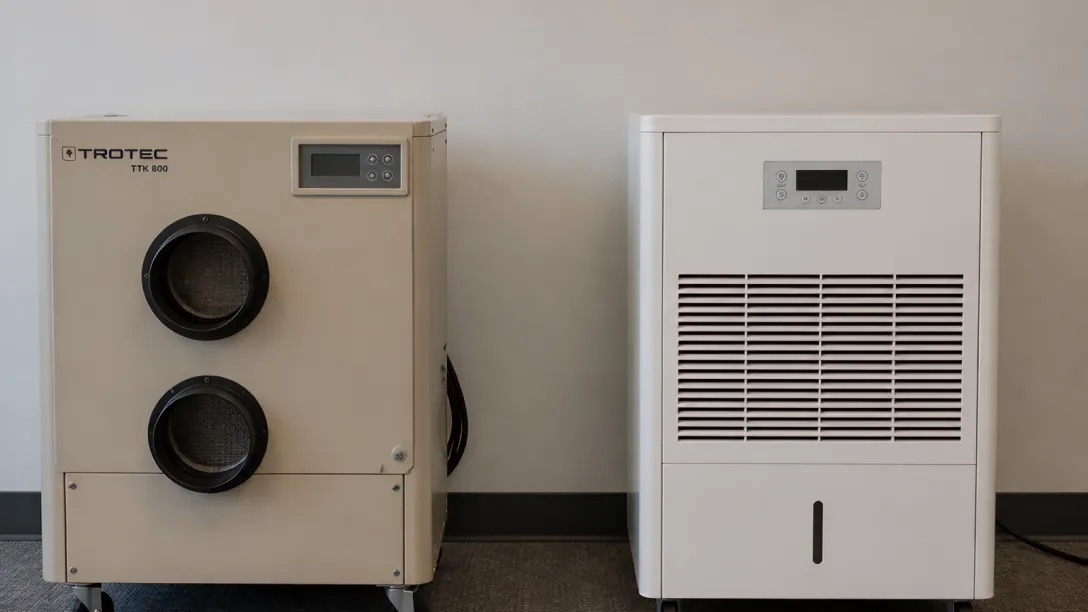
To guarantee electrochemical stability, battery manufacturers mandate dry room environments with a dew point of -40°C (equivalent to roughly 0.5% RH at 20°C) for general assembly, and -50°C to -70°C for advanced solid-state or pure lithium metal applications. Sustaining these extreme conditions against the continuous latent load generated by human operators and fresh make-up air requires the deployment of a specialized industrial desiccant dehumidifier equipped with molecular sieve technology capable of stripping moisture down to fractional parts per million.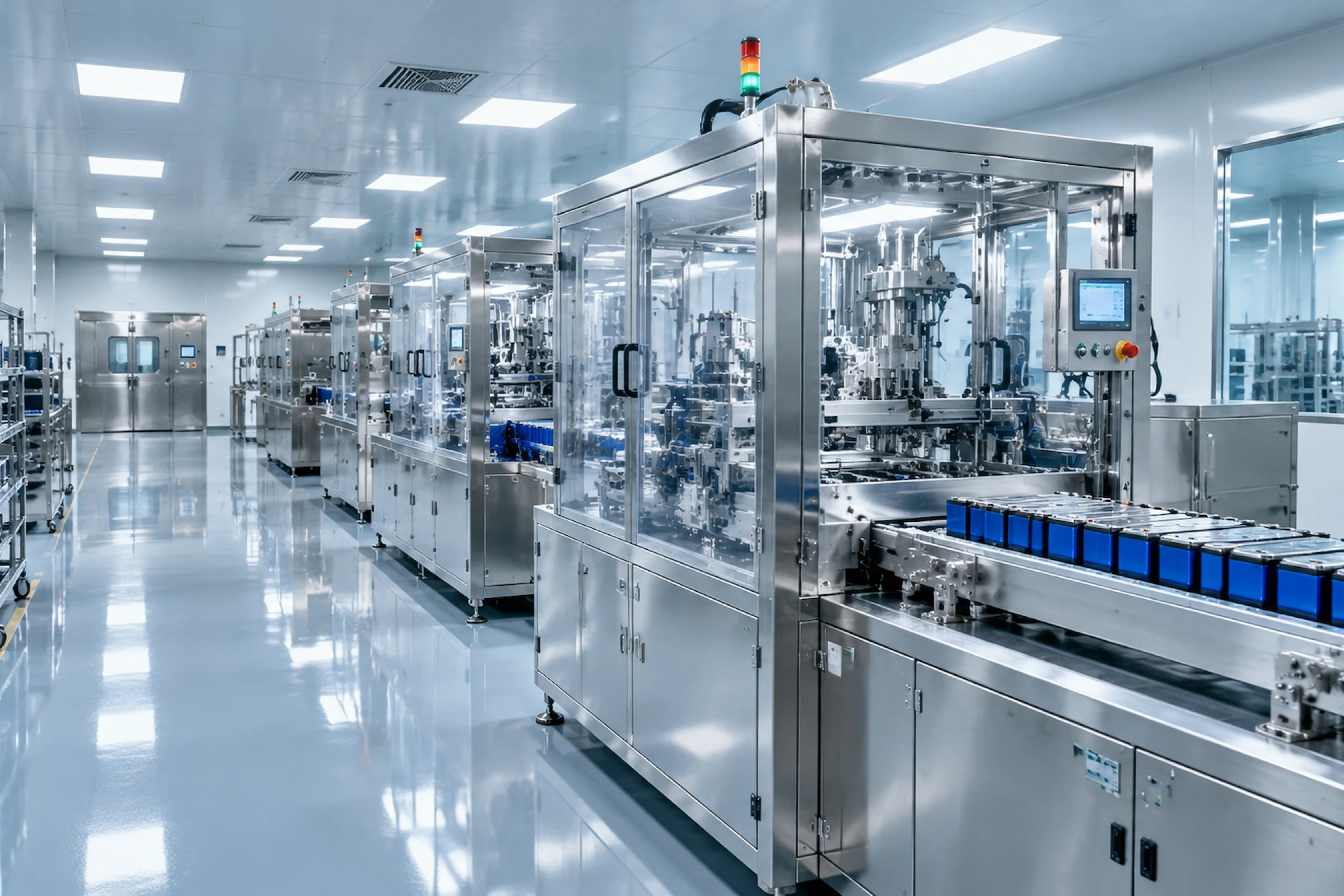
Psychrometrics in Pharmaceutical Solid Dosage Manufacturing
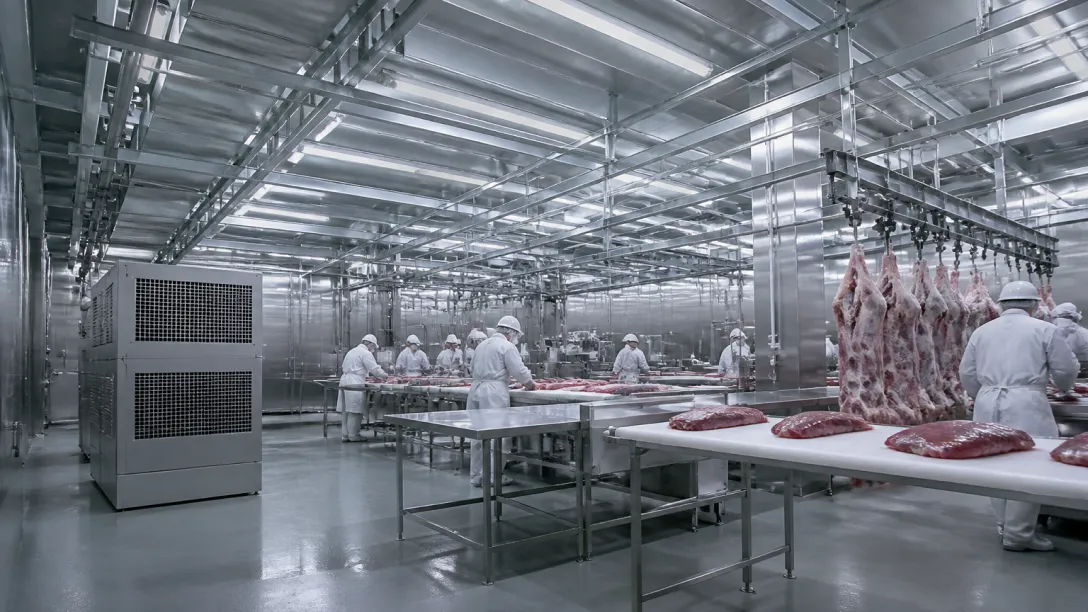
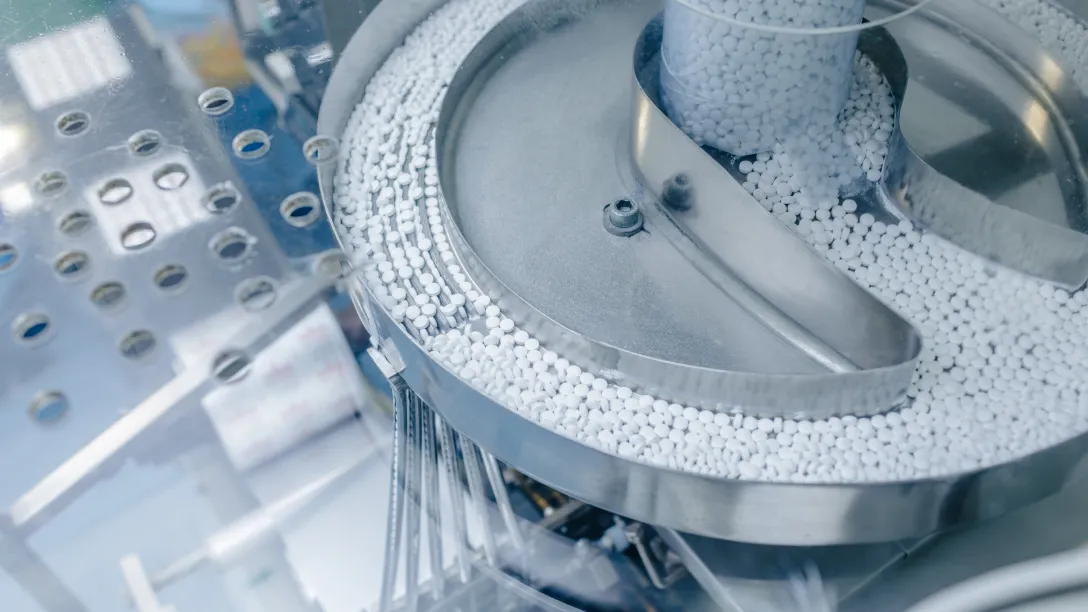
The pharmaceutical industry faces parallel, albeit distinct, psychrometric challenges. Active Pharmaceutical Ingredients (APIs) and the excipients used in solid dosage forms are highly hygroscopic. During critical processing phases such as milling, blending, fluid bed drying, and tableting, these powders actively adsorb atmospheric moisture. This alters the morphological structure of the powder, severely impacting its flowability through high-speed tablet presses.
When moisture content exceeds strict formulation tolerances, powder particles begin to agglomerate and stick to the tooling, a phenomenon known as "caking" or "punch sticking." This physical disruption forces production halts and damages expensive compression tooling. More critically, excessive moisture accelerates the chemical degradation of the API, drastically reducing the drug's shelf life and violating strict FDA and cGMP compliance standards.
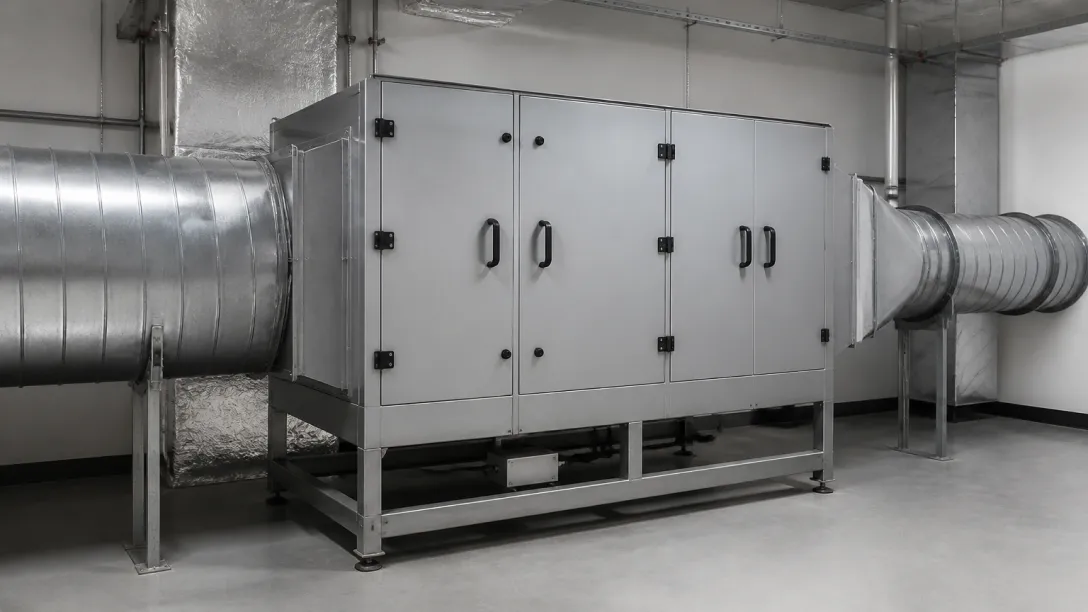
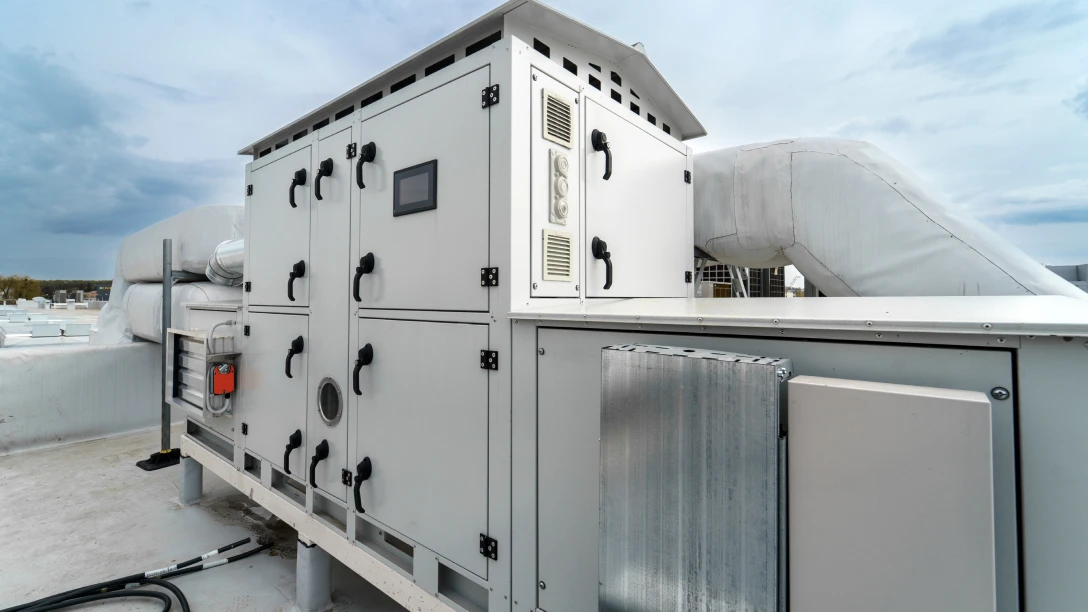
Effervescent tablets and lyophilized (freeze-dried) injectables represent the extreme end of this spectrum, requiring manufacturing and packaging environments maintained at 10% to 15% RH at 20°C. Standard HVAC systems lack the vapor pressure leverage to achieve these conditions efficiently. Facility engineers overcome this bottleneck by integrating a rotary desiccant dehumidifier into the cleanroom air handling unit. This decouples the sensible cooling load from the latent moisture load, allowing precise, independent control of the cleanroom's humidity without over-chilling the space.
The Physics of Desiccant Rotor Adsorption vs. Mechanical Refrigeration
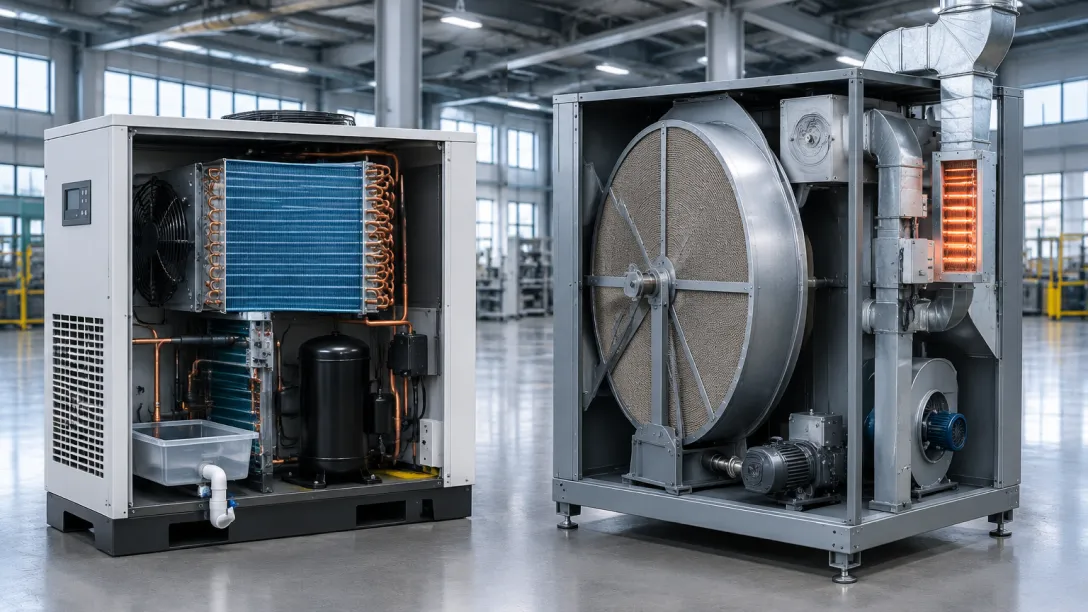
Standard air conditioning extracts moisture via mechanical refrigeration—chilling the air until it falls below its dew point, forcing water vapor to condense on a cold coil. This thermodynamic process encounters a hard physical limit at 0°C. To achieve dew points below freezing, the cooling coil must operate at sub-zero temperatures. At this stage, extracted moisture bypasses the liquid phase and sublimates directly into solid ice on the coil fins, instantly obstructing airflow and halting the dehumidification process.
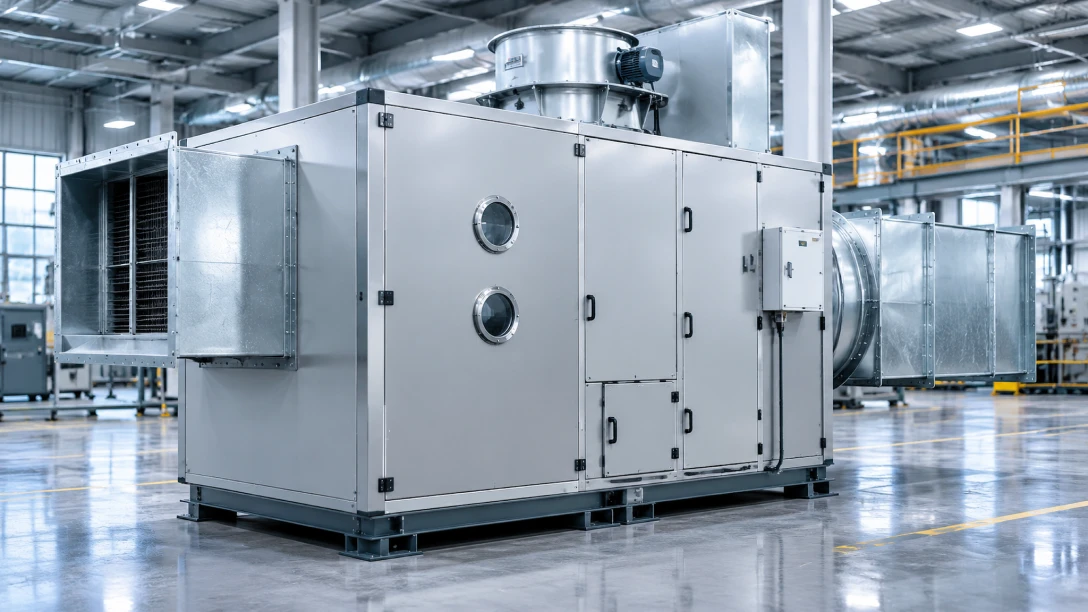
Attaining ultra-low dew points requires abandoning condensation in favor of chemical adsorption. A desiccant rotor utilizes a continuously revolving matrix constructed from alternating corrugated and flat layers, forming thousands of microscopic air channels. This matrix is impregnated with a high-affinity desiccant, typically synthesized silica gel or crystalline molecular sieve (zeolite).
As process air flows through these channels, the desiccant material traps water vapor molecules within its highly porous microscopic structure based on extreme vapor pressure differentials. Because adsorption is a chemical bonding process rather than a thermal phase change, a low temperature desiccant dehumidifier operates flawlessly regardless of the ambient air temperature, capable of extracting moisture effectively even from air that is already below freezing.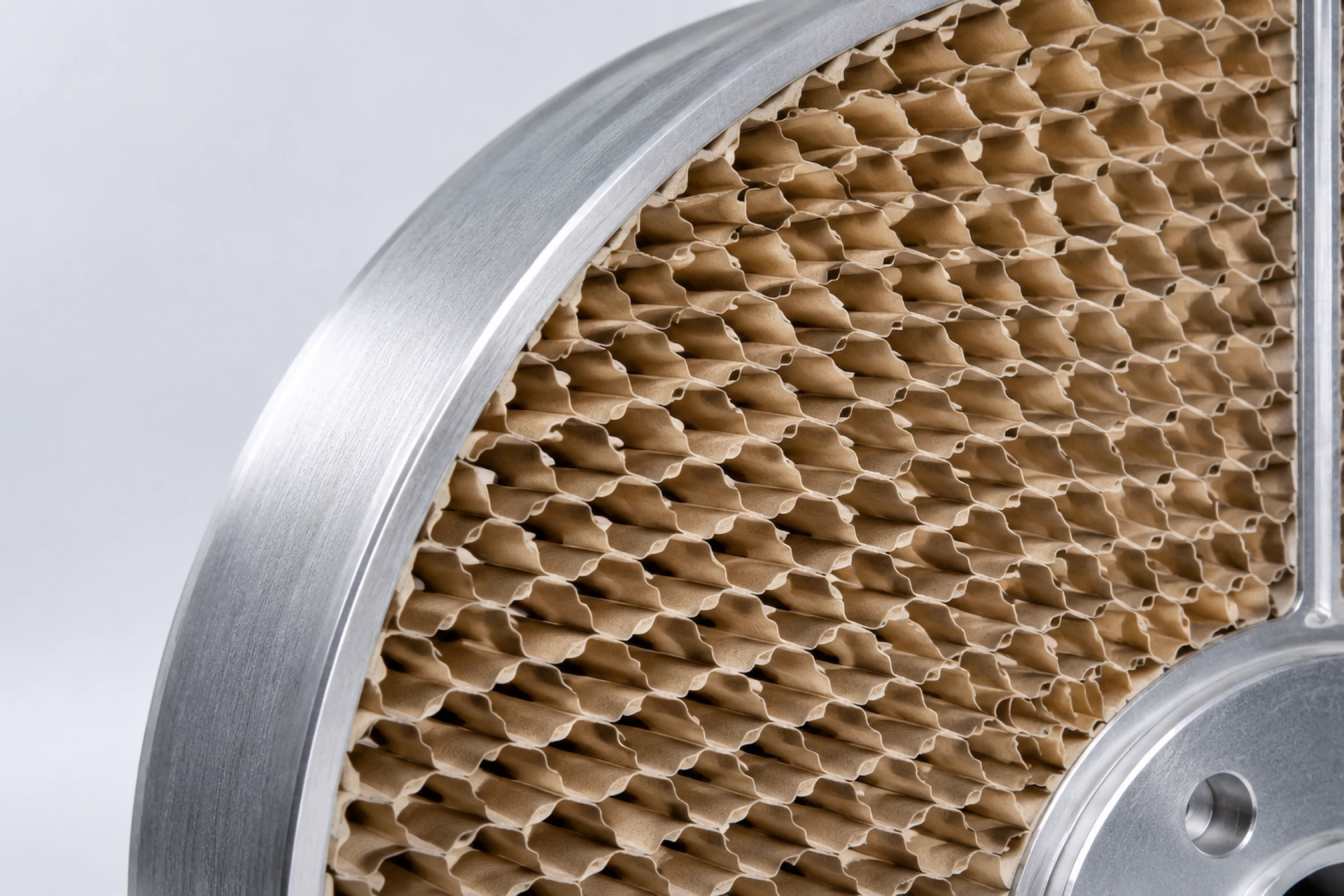
Engineering Multi-Stage Desiccant Systems for -70°C Dew Points
Pushing atmospheric moisture down to a -70°C dew point requires highly complex psychrometric engineering. A single pass through a standard desiccant rotor is mathematically insufficient to achieve this level of extreme dryness due to the adsorption isotherms of the desiccant material. Lithium battery dry rooms typically utilize advanced, multi-stage cascading systems.
In a multi-stage architecture, the fresh make-up air is first mechanically pre-cooled to roughly 5°C to wring out the bulk of the ambient moisture via condensation. This pre-treated air is then blended with the return air from the dry room. The mixed airstream passes through a primary desiccant rotor, which drops the dew point to approximately -20°C. Finally, the air passes through a secondary, deeply reactivated molecular sieve rotor, which strips the remaining trace water molecules, achieving the final -70°C dew point target before sensible cooling coils adjust the air to the required supply temperature.
Reactivation Thermodynamics and Energy Optimization
Desiccant rotors operate continuously because they are divided into two isolated airstreams: the process sector and the reactivation sector. As the rotor slowly turns (typically 8 to 20 revolutions per hour), the moisture-saturated desiccant moves out of the process airstream and into the reactivation sector. Here, a secondary stream of highly heated air (often between 120°C and 160°C) is driven through the rotor. This thermal energy breaks the chemical bonds between the desiccant and the water molecules, vaporizing the moisture and exhausting it outside the facility, thereby regenerating the rotor's adsorption capacity.
The primary operational expenditure of ultra-low dew point systems lies in the thermal energy required for this continuous reactivation. To mitigate exorbitant utility costs and reduce the facility's Power Usage Effectiveness (PUE) metric, modern systems incorporate extensive heat recovery engineering. Incorporating an integrated purge sector within the rotor cassette allows the system to recapture sensible heat from the hot, newly reactivated desiccant mass and recycle it into the incoming reactivation airstream. Furthermore, hyperscale facilities increasingly deploy high capacity rotary desiccant dehumidifiers that are engineered to utilize low-grade waste heat harvested directly from factory air compressors or localized combined heat and power (CHP) turbines, drastically lowering the net carbon footprint of the dry room.
Implement Ultra-Low Dew Point Climate Engineering
Relying on inadequate HVAC infrastructure in high-value manufacturing directly jeopardizes product viability and compromises facility output. Implementing precision desiccant adsorption technology is the fundamental requirement for isolating lithium-ion cells and hygroscopic pharmaceuticals from atmospheric degradation. To calculate dry room latent loads, evaluate multi-stage rotor psychrometrics, and specify custom-engineered desiccant systems for your highly regulated manufacturing environment, consult our specialized climate engineering team.
Frequently Asked Questions
Why is moisture strictly prohibited in lithium-ion battery manufacturing?
Moisture is a highly reactive contaminant in battery production. If water molecules enter the cell during assembly, they react violently with the electrolyte's conductive lithium salts (such as LiPF6) to form hydrofluoric acid. This acid actively corrodes internal components, degrades the battery's capacity, generates dangerous internal gases, and drastically increases the risk of thermal runaway and battery fires.
What is a "dry room" and what dew point does it require?
A dry room is a highly specialized manufacturing environment sealed against external humidity and continuously purged with ultra-dry air. For standard lithium-ion battery production, the ambient air must be maintained at a dew point of -40°C. For next-generation solid-state batteries or pure lithium metal applications, the requirement drops even further, necessitating a continuous dew point between -50°C and -70°C.
How does atmospheric humidity impact pharmaceutical manufacturing?
Many Active Pharmaceutical Ingredients (APIs) and excipient powders are highly hygroscopic, meaning they naturally absorb water from the air. If processing areas are not strictly dehumidified, these powders absorb moisture, become sticky, and clump together. This ruins their flowability through high-speed tablet presses, causes tooling jams, and rapidly accelerates the chemical degradation of the drug, shortening its shelf life.
Why cannot standard air conditioning achieve a -40°C dew point?
Standard refrigeration removes moisture by chilling air until water condenses on a cold coil. This physical process hits a limit at 0°C. To extract moisture below a freezing dew point, the cooling coil must drop below freezing, which causes the extracted water to instantly turn to solid ice on the coil. This ice blocks airflow and stops the machine from working. Desiccant systems use chemical adsorption, entirely bypassing the freezing problem.
What is the difference between silica gel and molecular sieve desiccants?
Silica gel is a highly effective, generalized desiccant used in standard industrial applications to achieve low humidity. However, its adsorption efficiency drops as the air gets extremely dry. Molecular sieves (zeolites) possess a highly uniform, crystalline pore structure that maintains an extreme affinity for water molecules even when the surrounding air is already bone-dry, making them strictly necessary for achieving ultra-low -70°C dew points.
How is a rotary desiccant dehumidifier regenerated during operation?
The core of the dehumidifier is a slowly rotating wheel impregnated with desiccant material. The wheel is divided into two sections. In the "process" section, it absorbs moisture from the room air. As the wheel rotates, the wet portion moves into a separate "reactivation" section. Here, highly heated air (up to 160°C) is blown through the wheel, vaporizing the trapped water and exhausting it outside, completely restoring the wheel's capacity to absorb more moisture.