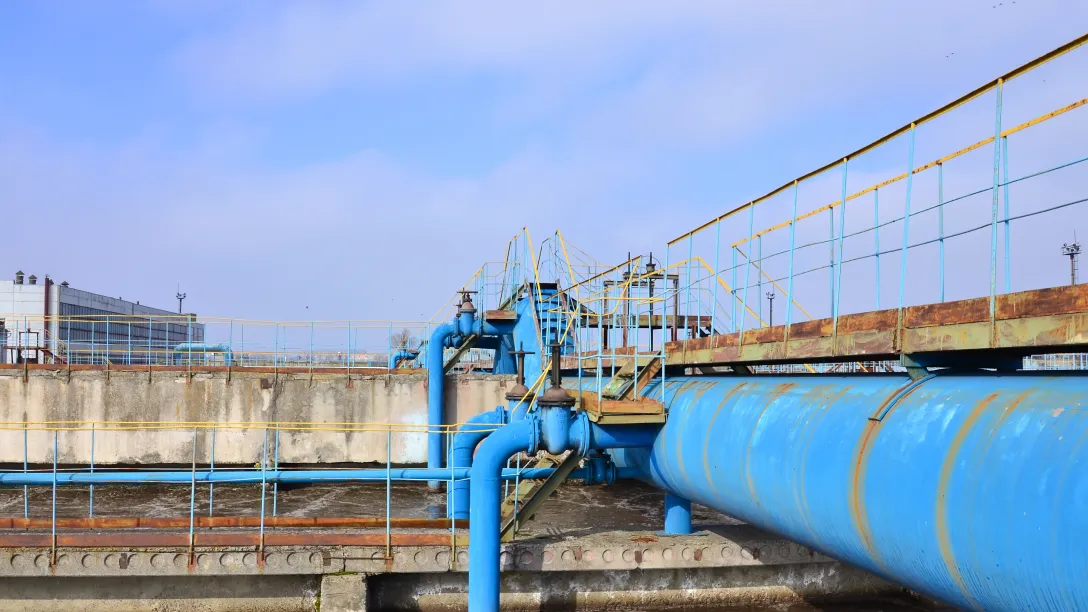
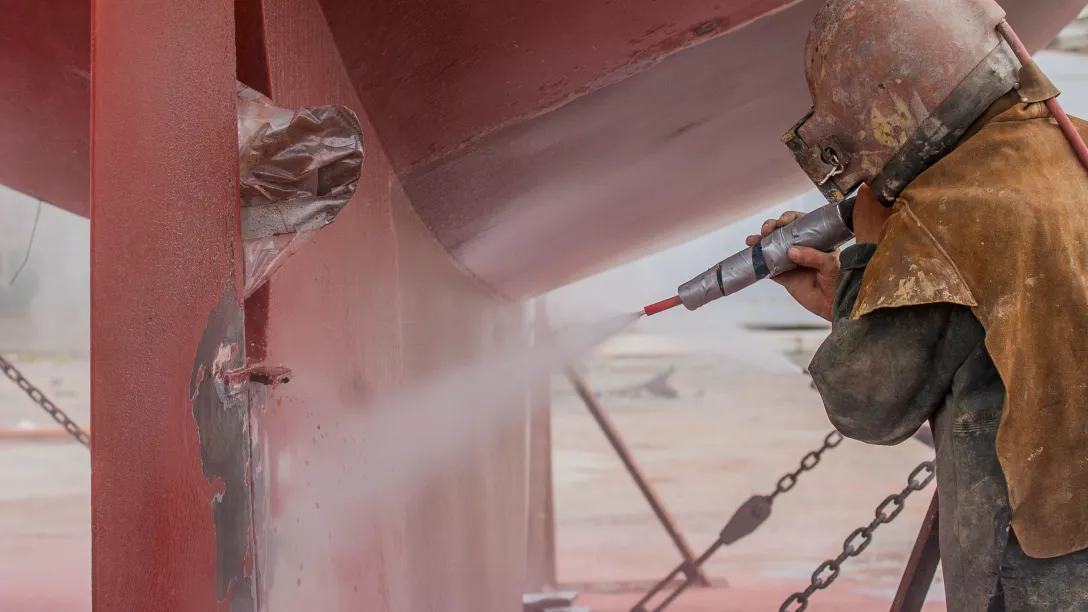
The battle against industrial corrosion begins long before the first layer of paint is applied. In shipyards, petrochemical tank farms, and bridge rehabilitation projects, abrasive blasting is utilized to strip away mill scale, marine growth, and degraded coatings. This process exposes raw, highly reactive steel to the ambient atmosphere. If the surrounding air contains elevated moisture, an oxidation reaction occurs almost immediately, generating a layer of flash rust across the newly prepared substrate. Applying expensive marine epoxies or polyurethanes over flash rust guarantees premature coating failure, blistering, and catastrophic delamination.
Protecting the blasted steel requires strict manipulation of the micro-climate inside the work area. Heavy-duty climate control is mandated by international coating standards such as NACE (National Association of Corrosion Engineers) and SSPC (Society for Protective Coatings). Standard refrigeration cooling cannot handle the massive air volumes, heavy dust loads, and continuous ventilation requirements of an active blasting site. Active chemical adsorption provides the necessary psychrometric leverage. This guide details how industrial desiccant dehumidifiers secure coating integrity, prevent amine blush in epoxies, and transform the economics of surface preparation through a practice known as holding the blast.
The Thermodynamics of Flash Rust and Dew Point Margins
Corrosion requires three elements: an anode, a cathode, and an electrolyte. On a freshly blasted steel surface, the steel itself acts as both the anode and cathode. The moisture in the ambient air provides the electrolyte. When the relative humidity inside a containment area or storage tank rises above 50%, the microscopic layer of water vapor on the steel surface becomes thick enough to conduct ions, initiating rapid oxidation.
To prevent this, coating inspectors monitor a critical thermodynamic relationship: the temperature of the steel substrate versus the dew point of the surrounding air. NACE and SSPC standards universally dictate that the steel surface temperature must remain a minimum of 5°F (3°C) above the air's dew point during all phases of blasting, cleaning, and coating application. If the steel temperature approaches the dew point, invisible condensation forms on the peaks of the blasted surface profile.
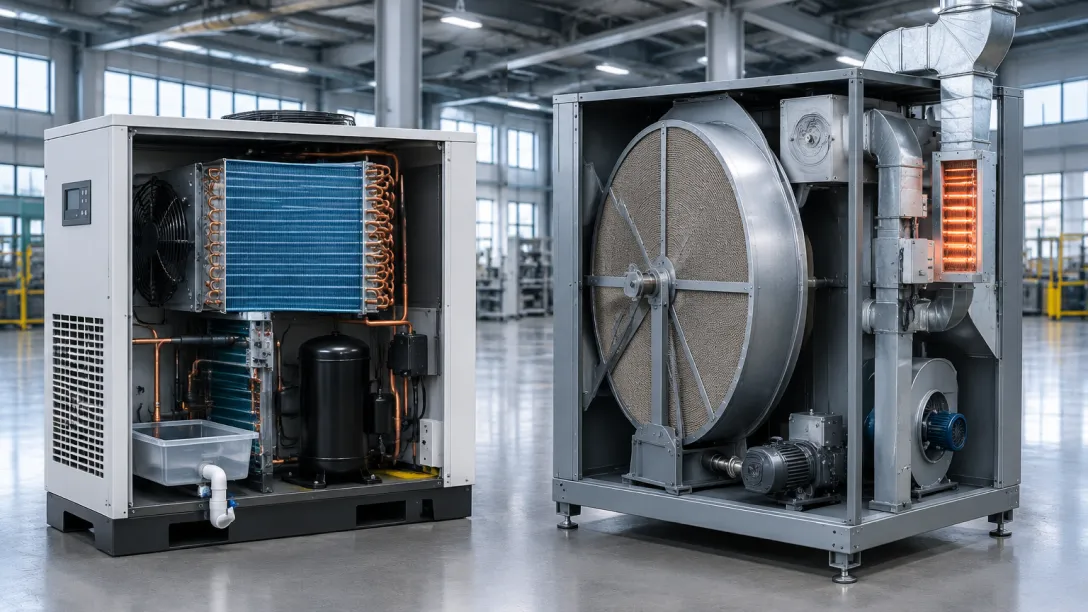
Industrial desiccant dehumidifiers manipulate this relationship by artificially crushing the room's dew point. By forcing high volumes of ambient air through a continuously rotating silica gel rotor, the system extracts the latent moisture and discharges bone-dry air into the containment zone. This massive injection of dry air displaces the humid atmosphere, lowering the internal dew point so drastically that the steel temperature remains safely above the condensation threshold, even during sudden overnight temperature drops.
Holding the Blast: Transforming Operational Economics
In traditional surface preparation without environmental control, contractors are forced into a highly inefficient "blast and paint" daily cycle. A crew can only abrasive-blast an area size that they can safely clean and prime before the shift ends or before evening humidity causes the steel to turn brown with rust. This daily changeover requires shutting down blasting pots, clearing grit, mixing hazardous primers, and purging paint lines—a process that consumes up to 30% of the daily labor hours.
Integrating a high-capacity desiccant dehumidifier fundamentally changes this workflow by enabling a process called "holding the blast." By continuously supplying ultra-dry air and maintaining the containment zone below 40% relative humidity, the raw steel remains completely unoxidized and pristine, often for days or weeks at a time.
This allows the contractor to deploy the entire crew to blast the complete interior of a massive storage tank or ship hull in one continuous operation. Once the blasting is 100% complete and the spent garnet or steel grit is vacuumed out, the entire crew shifts to the coating phase. Eliminating the daily equipment changeover slashes the total project timeline, drastically reduces equipment rental costs, and ensures a uniform, monolithic coating application without cold joints between daily paint sections.
Preventing Amine Blush in Advanced Epoxy Coatings
High-performance protective coatings, particularly amine-cured epoxies used in marine ballasts and chemical linings, are highly sensitive to moisture during their curing phase. If the relative humidity in the tank is too high, or if microscopic condensation forms on the wet film, the moisture reacts chemically with the amine curing agent rising to the surface of the coating.
This reaction forms a carbamate compound on the surface, universally known in the industry as "amine blush." It appears as a cloudy, greasy, or waxy exudate over the freshly painted surface. Amine blush is catastrophic for multi-coat systems. If a second coat of paint is applied over a blushed surface, the layers will not cross-link. The topcoat will eventually peel away in large sheets.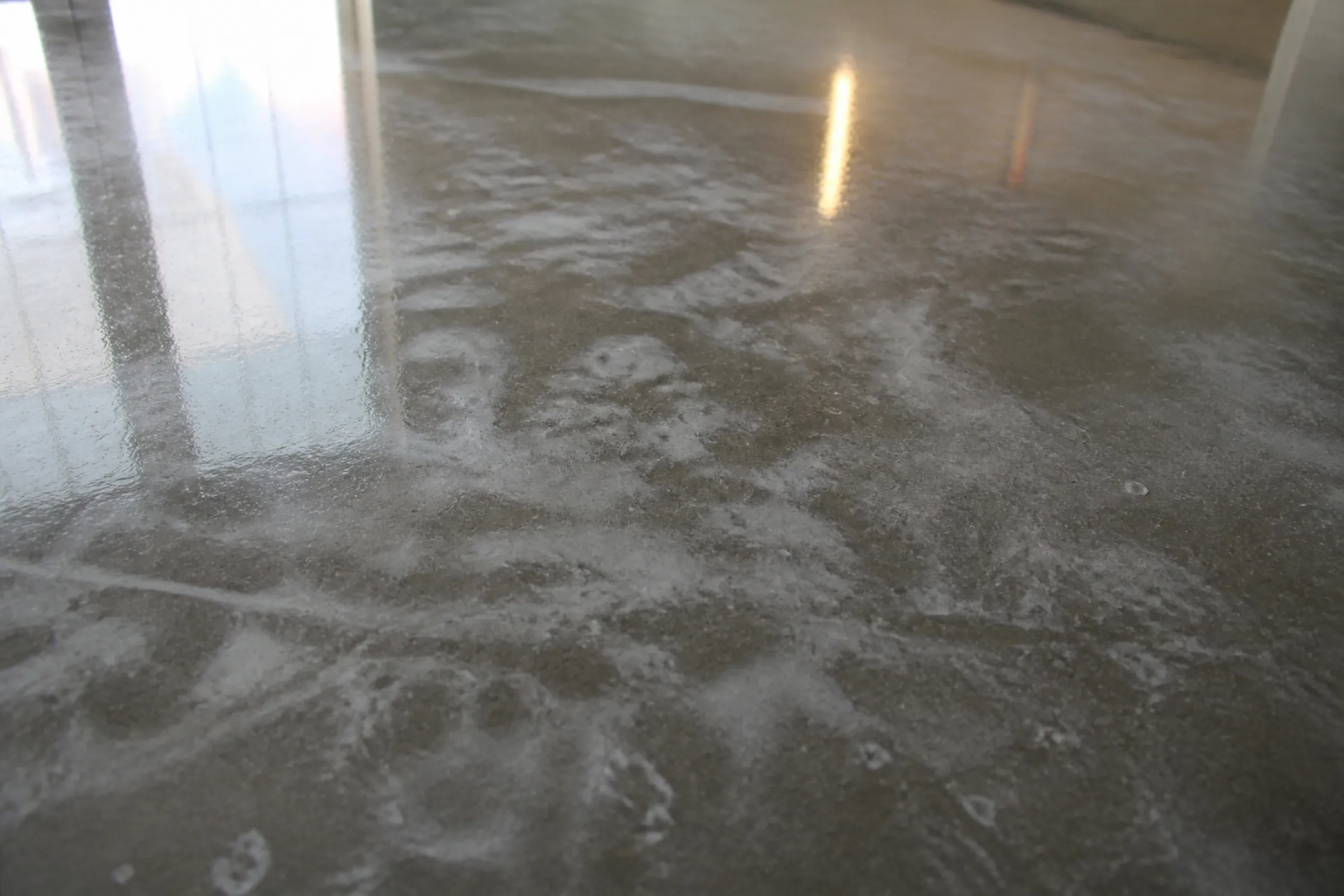
Correcting amine blush requires physically washing the entire structure with warm water and detergents, drying it, and lightly abrading the surface before recoating—a devastating blow to project profitability. Desiccant dehumidifiers eliminate the risk of amine blush entirely. By maintaining a strict, dry micro-climate throughout the entire 24-to-48-hour chemical curing window, the epoxy cross-links perfectly, ensuring maximum adhesion and long-term corrosion resistance.
Confined Space Ventilation and VOC Removal
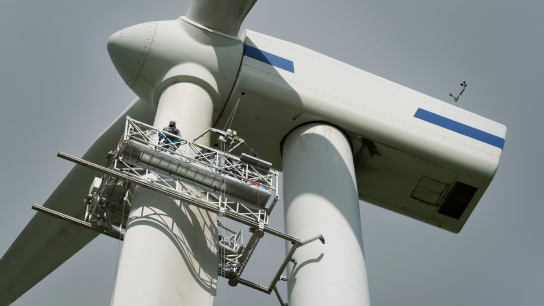
Applying industrial coatings inside confined spaces—such as rail tank cars, wind turbine towers, and ship double-bottoms—introduces severe inhalation and explosion hazards. As the liquid paint is atomized and applied, it releases massive volumes of Volatile Organic Compounds (VOCs) and highly flammable solvents into the air. These heavy solvent vapors pool at the bottom of the structure.
OSHA and international safety regulations require massive ventilation rates to maintain the Lower Explosive Limit (LEL) of the atmosphere at safe levels, and to provide breathable air for the application technicians. This requires pushing thousands of Cubic Feet per Minute (CFM) of fresh outside make-up air into the tank.
If contractors simply blow untreated outside air into a cold steel tank, the ambient moisture will instantly condense on the freshly painted walls, ruining the coating. Desiccant dehumidifiers solve this by acting as an active environmental pre-conditioner. The system intercepts the necessary volume of outside air, strips its moisture load completely through the adsorption rotor, and pushes it into the confined space. This provides the massive Air Changes Per Hour (ACH) required to safely evacuate the toxic VOCs, while simultaneously maintaining the strict dew point margins required for coating perfection.
Equipment Engineering for the Shipyard Environment
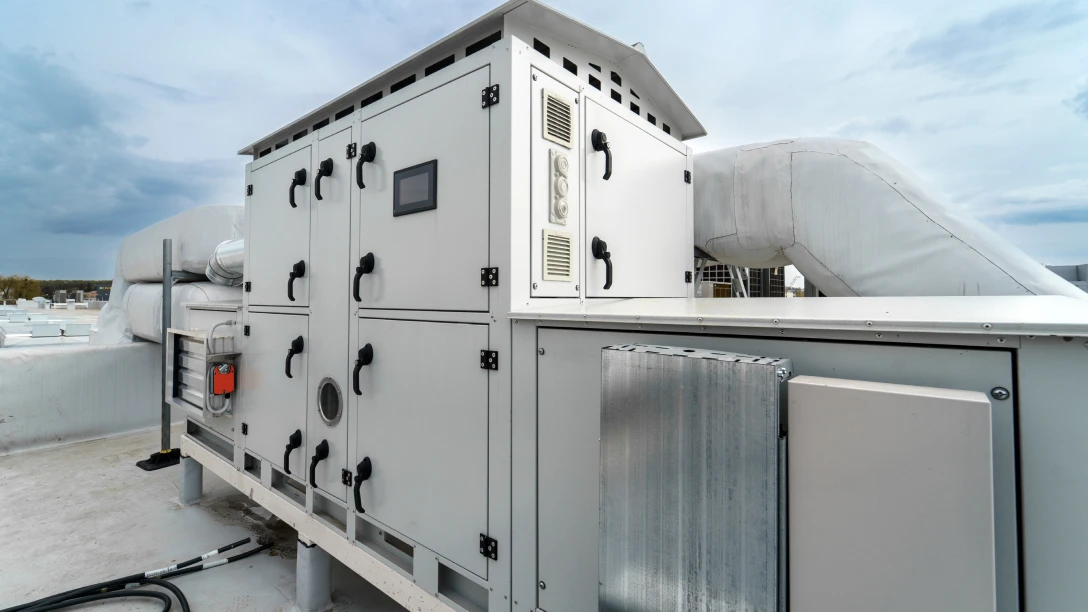
Surface preparation sites are incredibly hostile environments for mechanical equipment. Standard HVAC units fail quickly due to abrasive airborne dust, rough crane handling, and fluctuating power supplies. Dehumidifiers built for the coating industry must be heavily ruggedized.
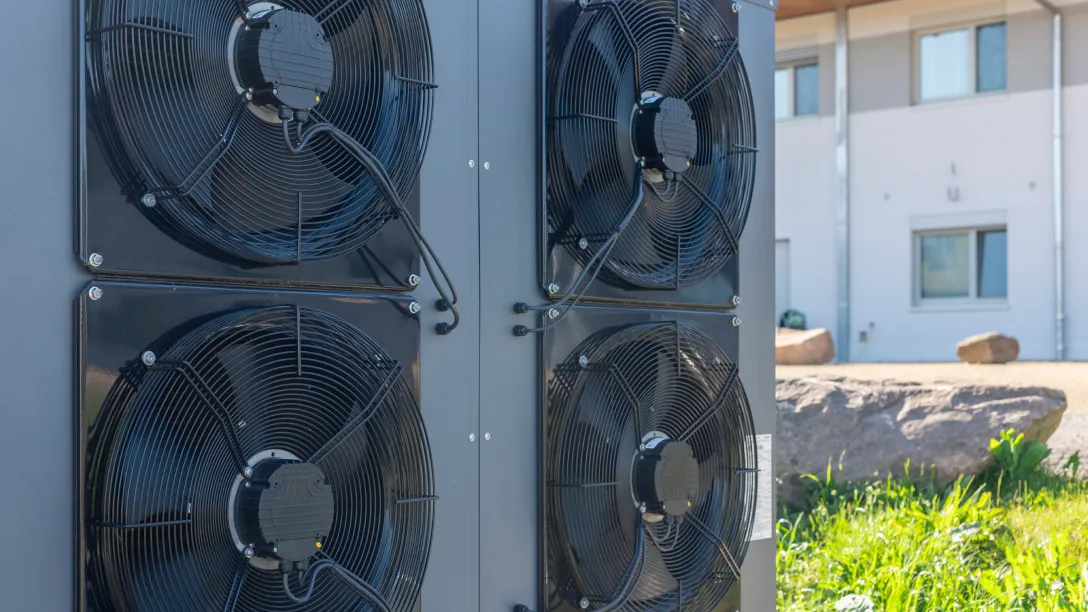
These units are typically skid-mounted in heavy-gauge steel crash frames with integrated lifting eyes and forklift pockets. Because they must force air through hundreds of feet of temporary flexible ducting and deep into complex ship structures, they are equipped with high-static centrifugal blowers capable of overcoming immense backpressure. Furthermore, the reactivation heating circuits (which dry out the silica gel rotor) are often engineered to run on direct-fired diesel or facility steam, bypassing the need for massive electrical generator capacity on remote job sites.
Integrate Moisture Control for Coating Success
Coating failure on critical infrastructure is not an option. Guaranteeing the design life of advanced marine and industrial coatings requires total control over the psychrometric environment. Eliminating flash rust, preventing amine blush, and securing safe confined-space ventilation demands specialized active adsorption technology. For high-static pressure blowers, ruggedized skid configurations, and precise moisture removal capacities engineered for the blasting yard, explore our comprehensive desiccant dehumidifier systems built for professional surface preparation.
Frequently Asked Questions
What does "holding the blast" mean in surface preparation?
Holding the blast refers to the practice of using a desiccant dehumidifier to maintain the relative humidity inside a containment area below 40%. This ultra-dry environment prevents newly blasted, raw steel from oxidizing and rusting. It allows contractors to continuously abrasive-blast an entire large structure over several days or weeks without having to stop daily to apply primer, drastically improving project efficiency.
Why must the steel temperature be 5°F (3°C) above the dew point?
NACE and SSPC coating standards require this safety margin to prevent invisible condensation. The dew point is the temperature at which moisture in the air condenses into liquid water. If the steel substrate temperature drops to the dew point, microscopic water droplets form on the surface. Applying paint over this moisture causes blistering and immediate coating failure. Desiccant dehumidifiers artificially lower the room's dew point to maintain this critical gap.
Why do standard refrigerant dehumidifiers fail in shipyards?
Refrigerant dehumidifiers rely on chilling coils to extract moisture. In cooler marine environments, especially overnight or in early spring, these coils freeze solid, stopping moisture extraction entirely. Furthermore, surface preparation generates massive amounts of abrasive dust, which quickly clogs the wet evaporator coils of a standard AC unit. Desiccant systems use dry chemical adsorption, operating flawlessly in cold weather without wet coils to trap dust.
What causes amine blush on epoxy coatings?
Amine blush is a chemical reaction that occurs when the amine curing agents in an epoxy coating react with moisture and carbon dioxide in the air. It creates a waxy, greasy film on the surface of the curing paint. If a second coat is applied over this blush, it will not adhere and will peel off. Maintaining a strict, low-humidity environment with a desiccant system during the curing phase prevents this chemical reaction.
How do dehumidifiers improve safety in confined space painting?
Painting inside confined spaces like storage tanks releases dangerous, flammable Volatile Organic Compounds (VOCs). Safety regulations mandate continuous high-volume ventilation to prevent explosions and protect workers. Desiccant dehumidifiers process this massive required volume of outside make-up air, stripping it of moisture before it enters the tank. This safely ventilates the toxic fumes without introducing weather-related humidity that would ruin the paint.
Can heating the air prevent flash rust instead of dehumidifying it?
Using indirect-fired heaters can warm the steel above the dew point, but it does not physically remove water vapor from the confined space. In fact, burning fossil fuels introduces massive amounts of water vapor into the air as a byproduct of combustion. As the tank cools at night, that trapped moisture will cause aggressive flash rust. Desiccant dehumidifiers physically extract the moisture from the air and exhaust it outside, providing a permanent solution.