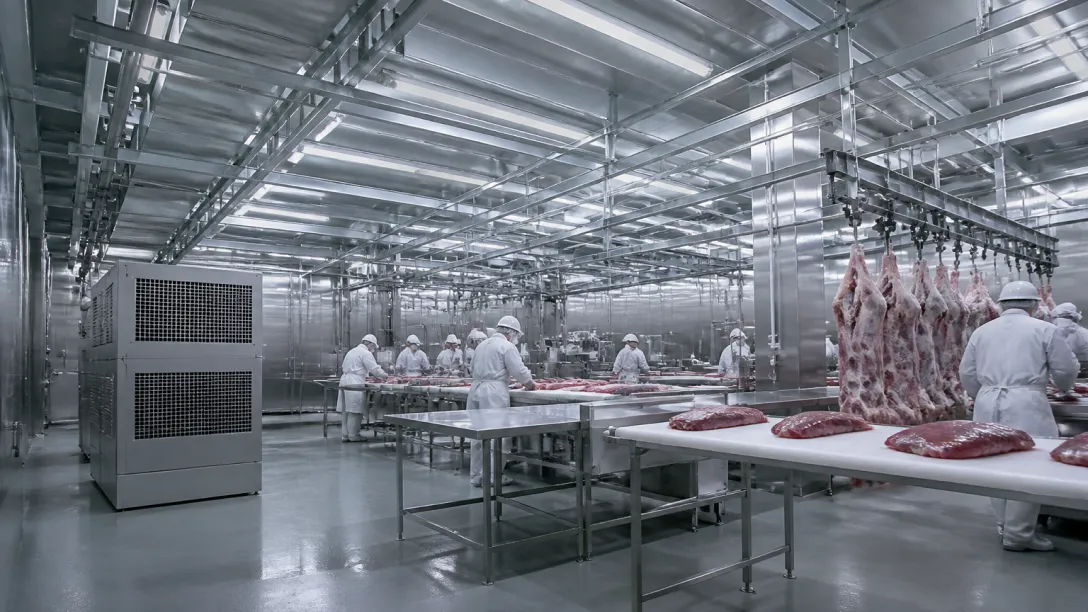
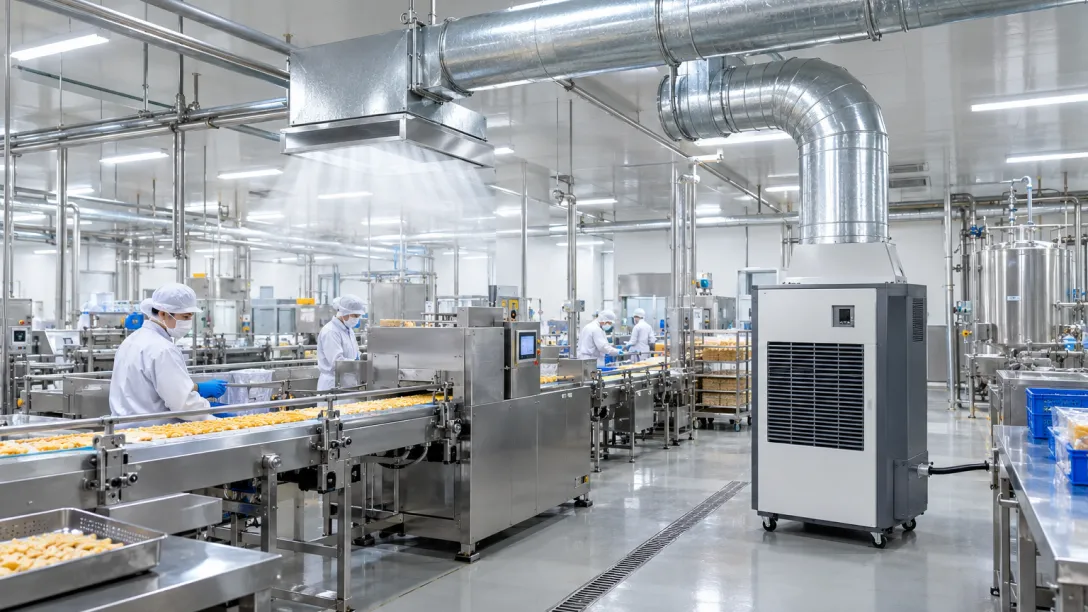
Meat and poultry processing facilities operate under the most stringent environmental and sanitation regulations in the global food industry. To suppress microbial proliferation, processing halls must maintain strict low-temperature parameters, typically between 2°C and 4°C (35°F to 39°F). Concurrently, facility sanitation standard operating procedures (SSOPs) require the daily use of high-pressure, high-temperature water to clean equipment and structural surfaces. This collision of freezing ambient air and boiling washdown water creates a severe psychrometric imbalance. The resulting atmospheric moisture condenses rapidly on cold ceiling structures, piping, and overhead fixtures.
Overhead condensation is a critical violation of Hazard Analysis and Critical Control Point (HACCP) protocols. When liquid water forms above exposed food products, it acts as a transport mechanism for lethal pathogens, specifically Listeria monocytogenes and Salmonella. A single drop of contaminated condensation falling onto a processing line immediately adulterates the product, triggering mandatory production halts, extensive product recalls, and severe regulatory penalties. Eliminating this risk requires precise atmospheric moisture extraction. This technical guide examines the thermodynamics of cold room condensation, the microbiological risks of uncontrolled humidity, and the application of industrial desiccant dehumidification to secure HACCP compliance in meat and poultry processing plants.
The Psychrometrics of Meat Plant Condensation
Condensation is a direct function of the dew point—the specific temperature at which air becomes 100% saturated and water vapor undergoes a phase change into liquid water. In a meat processing plant, the structural elements of the ceiling (steel beams, refrigeration piping, and HVAC ductwork) are continuously chilled by the room's ambient refrigeration. Because cold air is denser, it naturally sinks, leaving the upper stratifications of the room slightly warmer but highly saturated with moisture generated by processing activities.
When this moisture-laden air contacts the chilled overhead surfaces, the localized air temperature instantly drops below its dew point. Micro-droplets of water begin to form, eventually coalescing into large droplets that succumb to gravity. Managing this thermodynamic reaction requires artificially suppressing the dew point of the entire processing hall. The ambient air must be maintained at a moisture level so low that its dew point remains permanently below the surface temperature of the coldest pipe or structural beam in the facility.
HACCP Compliance and Microbial Contamination Risks
Regulatory agencies, including the USDA Food Safety and Inspection Service (FSIS) and international equivalents, enforce zero-tolerance policies regarding overhead condensation in areas where raw or ready-to-eat (RTE) meat is exposed. Under HACCP guidelines, condensation is classified as a direct physical and biological hazard.
Listeria monocytogenes is uniquely adapted to survive and multiply in cold, damp environments. It colonizes the microscopic abrasions in stainless steel piping and concrete ceilings. When condensation forms, the water droplet absorbs these bacteria. The moment the droplet falls onto a conveyor belt, a cutting table, or directly onto a poultry carcass, the entire batch is contaminated. Facility quality assurance (QA) managers are legally required to document condensation events and execute immediate corrective actions. Relying on manual wiping of ceilings or deploying makeshift drip pans is fundamentally unacceptable under modern food safety audits. Structural elimination of the moisture via active dehumidification is the only recognized method for long-term compliance.
Washdown Shifts: The Peak Moisture Load
The most extreme psychrometric event in a meat processing plant occurs during the third-shift sanitation process. Cleaning crews utilize massive volumes of water heated to 60°C (140°F) or higher, mixed with foaming caustic detergents, to strip animal fats and proteins from processing equipment. Pumping thousands of gallons of hot water into a 2°C room instantly generates a dense, blinding fog.
This fog is pure atmospheric water vapor. It aggressively migrates upward, supersaturating the ceiling plenum. If the HVAC system cannot rapidly extract this massive latent moisture load, the water remains trapped in the room. When the refrigeration system kicks back into high gear to prepare the room for the morning production shift, this trapped moisture instantly condenses, leaving the facility dripping wet just as raw product enters the room. A high-capacity industrial desiccant dehumidifier is engineered specifically to manage this exact variable load, actively stripping the fog from the air during the washdown cycle and ensuring the room is completely dry before production resumes.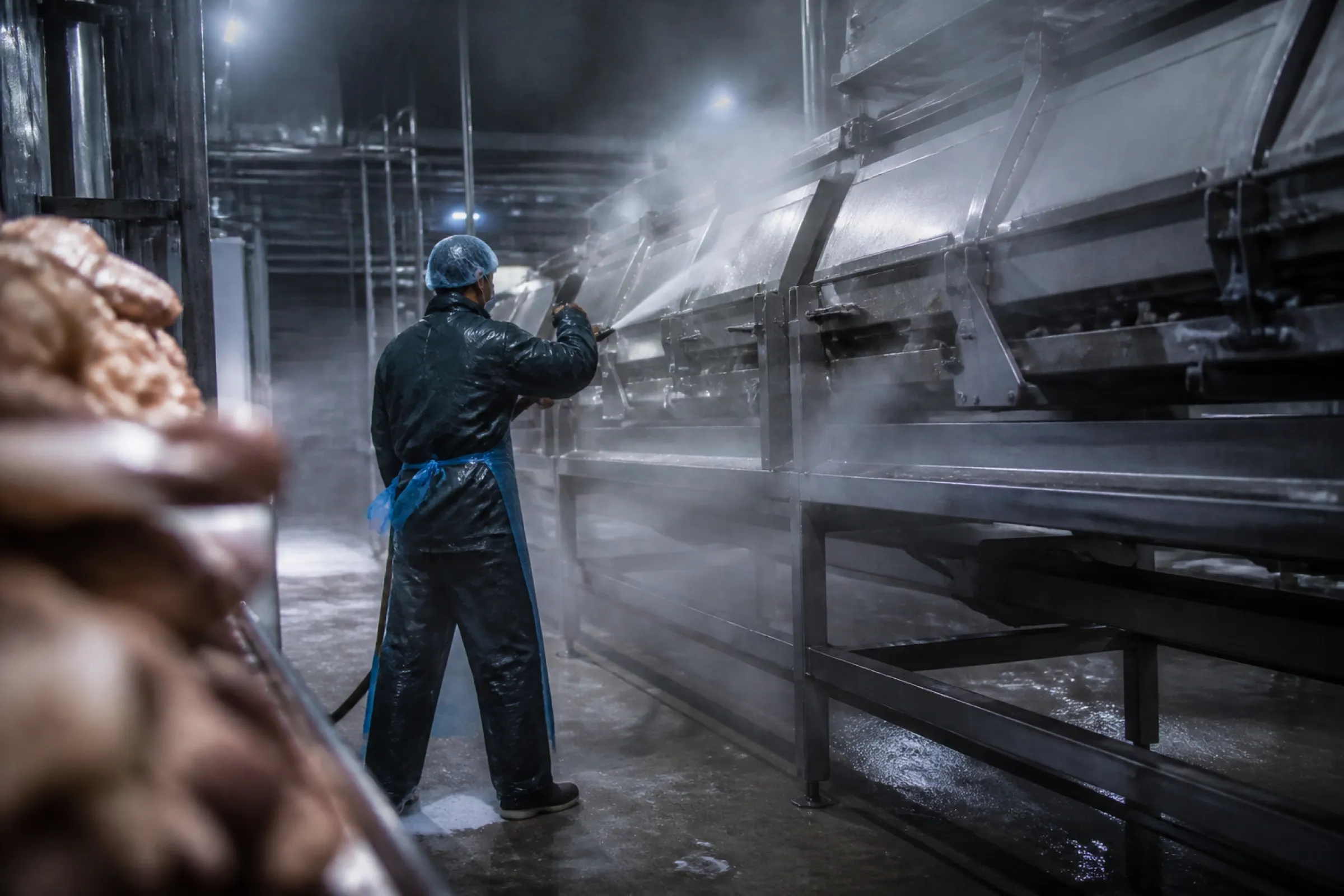
Why Standard Refrigeration Fails in Cold Processing Rooms
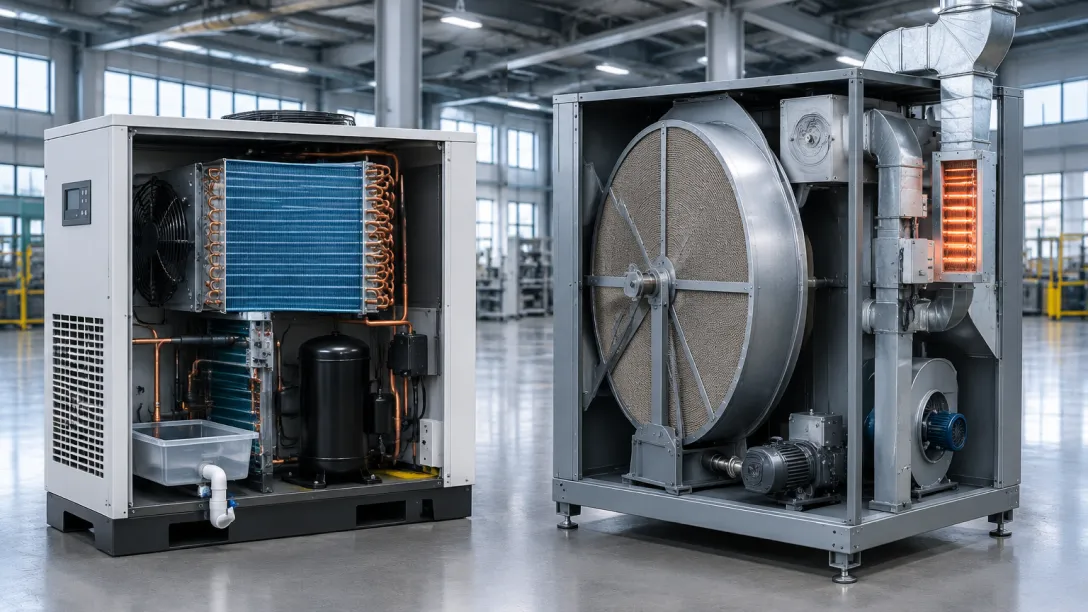
Facility engineers often mistakenly attempt to use the existing direct expansion (DX) or ammonia refrigeration systems to dehumidify the air. While cold coils do extract moisture via condensation, this mechanical cooling process suffers catastrophic efficiency loss at low temperatures. In a 2°C processing room, the evaporator coils must operate well below freezing to extract further moisture.
The extracted water vapor bypasses the liquid state and sublimates directly into solid ice on the aluminum fins of the evaporator. This rapid frost accumulation chokes off the airflow, rendering the refrigeration unit useless. To clear the ice, the system must initiate a defrost cycle—using hot gas or electric heaters to melt the frost. This defrosting process physically introduces heat and moisture directly back into the cold processing room, completely defeating the purpose of the dehumidification effort and causing extreme temperature fluctuations that violate food safety storage parameters.
Active Desiccant Dehumidification: Decoupling Moisture from Cooling
Preventing overhead condensation requires decoupling the latent load (moisture) from the sensible load (temperature). Chemical adsorption achieves this independently of the room's temperature. Desiccant rotors, typically constructed from a fluted silica gel matrix, chemically bind water molecules to their highly porous surface based on vapor pressure differentials.
Because the desiccant wheel does not rely on chilling the air to extract moisture, it operates flawlessly in freezing meat plant environments. The system continuously draws the damp, cold air from the processing hall, chemically strips the water vapor, and returns ultra-dry air to the space. This artificially depresses the room's dew point below the temperature of the ceiling structures, making the formation of condensation physically impossible.
Equipment Engineering for Harsh Washdown Environments
Installing standard commercial HVAC equipment inside a meat processing facility guarantees rapid equipment failure. The sanitation chemicals utilized—including peracetic acid, chlorinated caustics, and quaternary ammonium compounds—are highly corrosive to standard galvanized steel and copper.
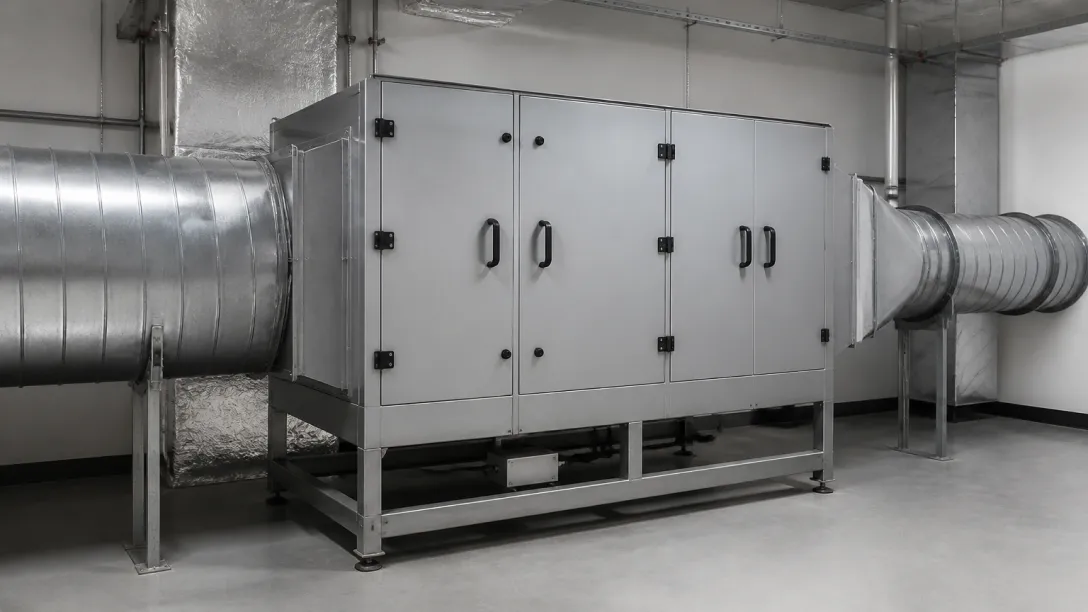
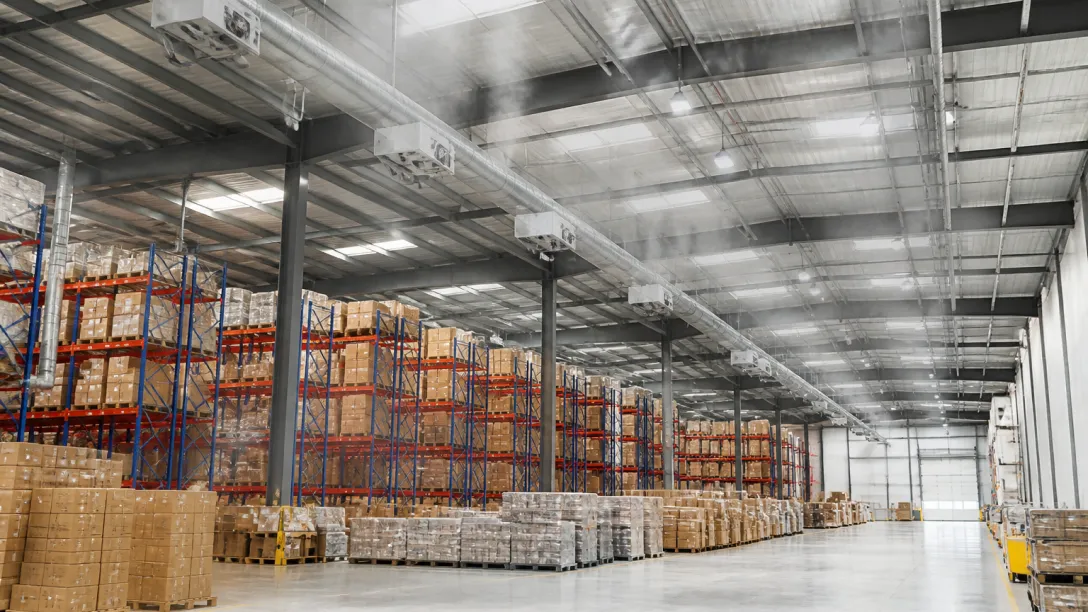
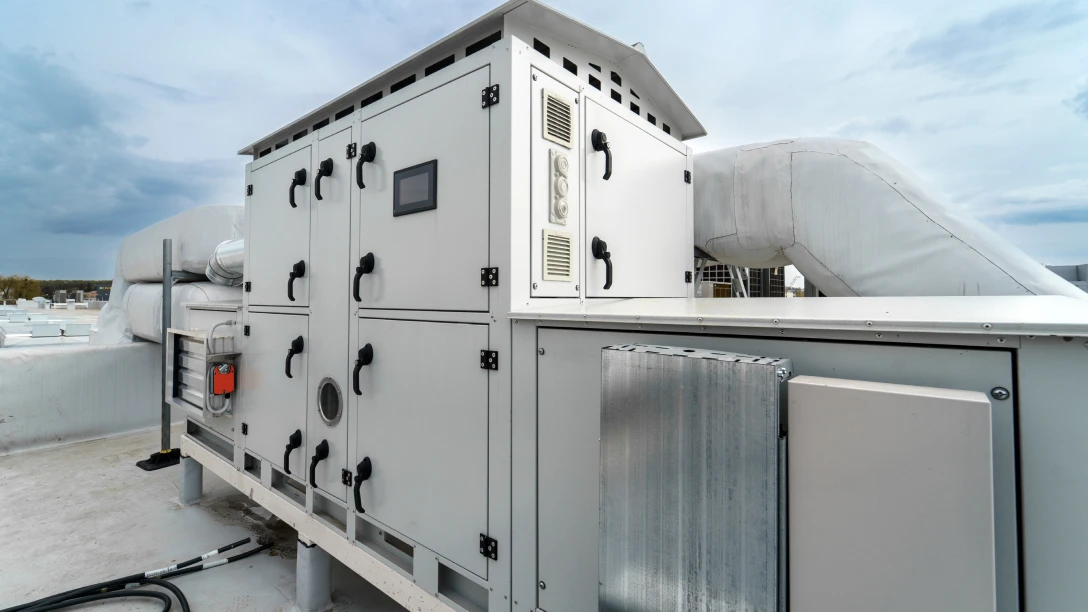
Dehumidification systems deployed in these zones must be engineered to withstand daily chemical washdowns. Utilizing a corrosion-resistant dehumidifier constructed entirely from 304 or 316 stainless steel, featuring fully welded seams and NEMA 4X rated electrical enclosures, ensures the equipment survives the aggressive sanitation cycle. Furthermore, to maximize valuable floor space for production lines, facility managers frequently deploy a ceiling-mounted dehumidifier. This configuration allows engineers to route high-velocity dry air directly across the ceiling deck, creating a protective boundary layer of dry air that immediately absorbs any rising moisture before it can contact the cold steel structure.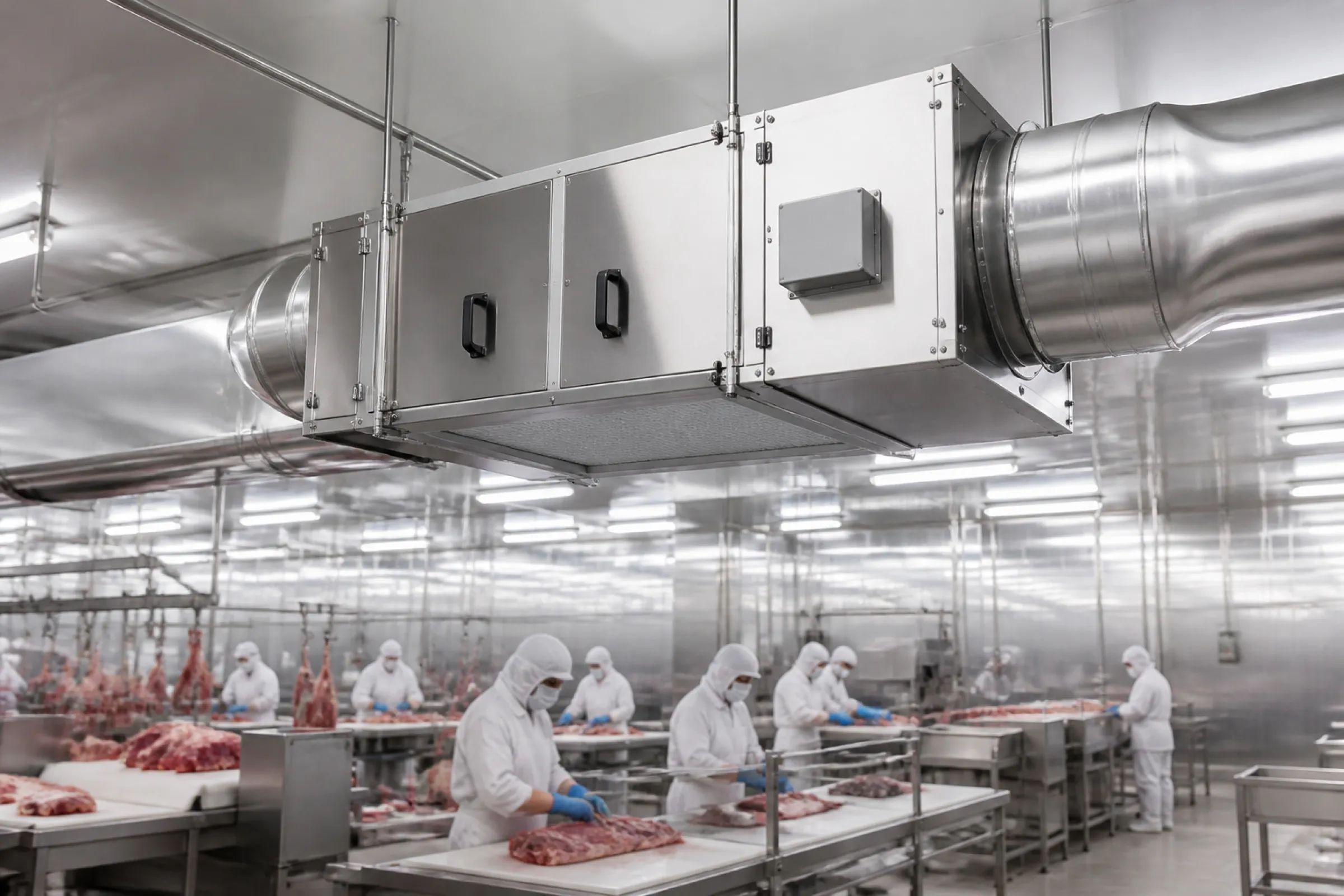
Implement Food-Safe Climate Engineering
Tolerating overhead condensation is a severe liability that threatens food safety, compromises brand integrity, and guarantees regulatory action. Standard refrigeration cannot overcome the psychrometric extremes of cold processing and hot washdown cycles. Integrating industrial desiccant dehumidification provides the absolute moisture control required to maintain HACCP compliance, eliminate Listeria vectors, and ensure uninterrupted production. To calculate your facility's peak latent washdown loads and engineer a customized, stainless-steel desiccant architecture, consult our technical climate engineering team.
Frequently Asked Questions
What causes overhead condensation in meat processing plants?
Condensation occurs when warm, moisture-laden air contacts surfaces that are colder than the air's dew point. In meat plants, the ambient air is chilled, but the ceiling structures (steel beams, pipes) are often even colder. When moisture generated by meat processing, employee respiration, or hot water washdowns rises to the ceiling, it instantly cools and condenses into liquid water droplets.
Why is overhead condensation a critical HACCP violation?
Under Hazard Analysis and Critical Control Point (HACCP) regulations, condensation is a severe biological hazard. Liquid water on ceilings absorbs bacteria like Listeria and Salmonella. If a droplet falls onto exposed meat, poultry, or food-contact surfaces, it immediately contaminates the product, leading to mandatory production shutdowns, massive product recalls, and legal liabilities.
How does the daily washdown shift affect plant humidity?
Sanitation crews use massive amounts of high-temperature water (often above 60°C) and foaming chemicals to clean the processing equipment. Introducing boiling water into a 2°C refrigerated room creates a massive cloud of pure water vapor. If this dense fog is not immediately extracted by industrial dehumidifiers, it saturates the room and causes heavy condensation when the refrigeration system cools the room back down for production.
Why can't standard refrigeration systems eliminate plant condensation?
Standard refrigeration extracts moisture by chilling air until water condenses on the cold coils. In a cold meat plant (2°C), the cooling coils must operate below freezing. Extracted moisture instantly turns to solid ice, blocking the coils. The system must then run a defrost cycle to melt the ice, which dumps heat and moisture right back into the processing room, failing to solve the condensation issue.
How do desiccant dehumidifiers prevent moisture in freezing environments?
Desiccant dehumidifiers do not use cold coils to remove moisture. They utilize a rotating wheel made of silica gel that chemically adsorbs water vapor directly from the air. Because this is a chemical reaction based on vapor pressure, the machine can efficiently extract massive amounts of moisture even in sub-zero environments without ever freezing up.
Why do food processing dehumidifiers require stainless steel construction?
Meat and poultry plants are cleaned daily using highly aggressive, corrosive chemicals like peracetic acid and chlorinated caustics. Standard galvanized steel or painted HVAC equipment will rapidly corrode, rust, and fail in this environment. Dehumidifiers must be built with 304 or 316 stainless steel and feature NEMA 4X electrical enclosures to survive the harsh chemical washdown process.