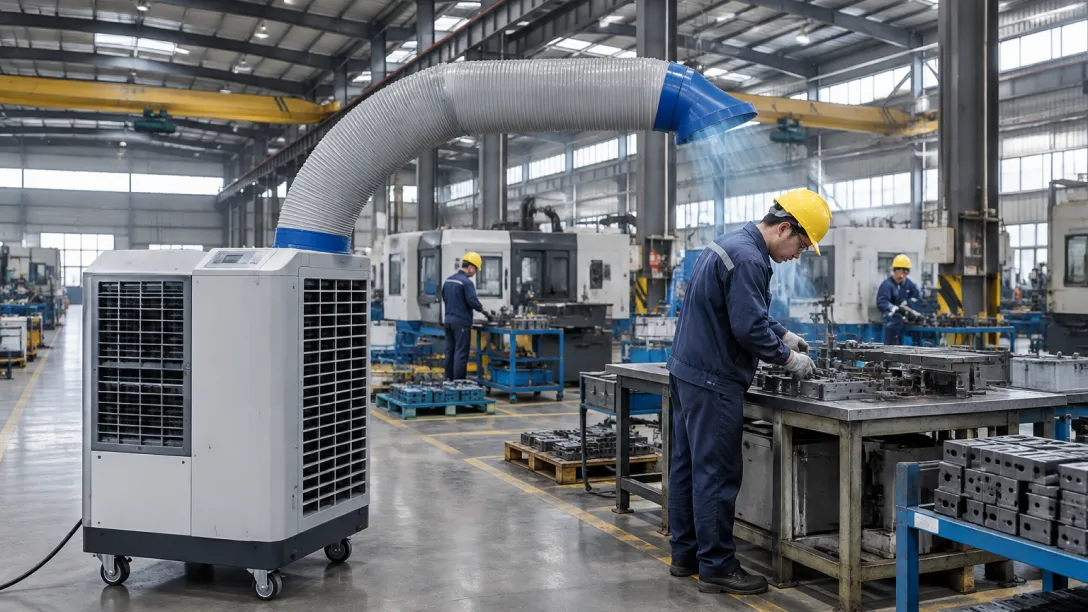
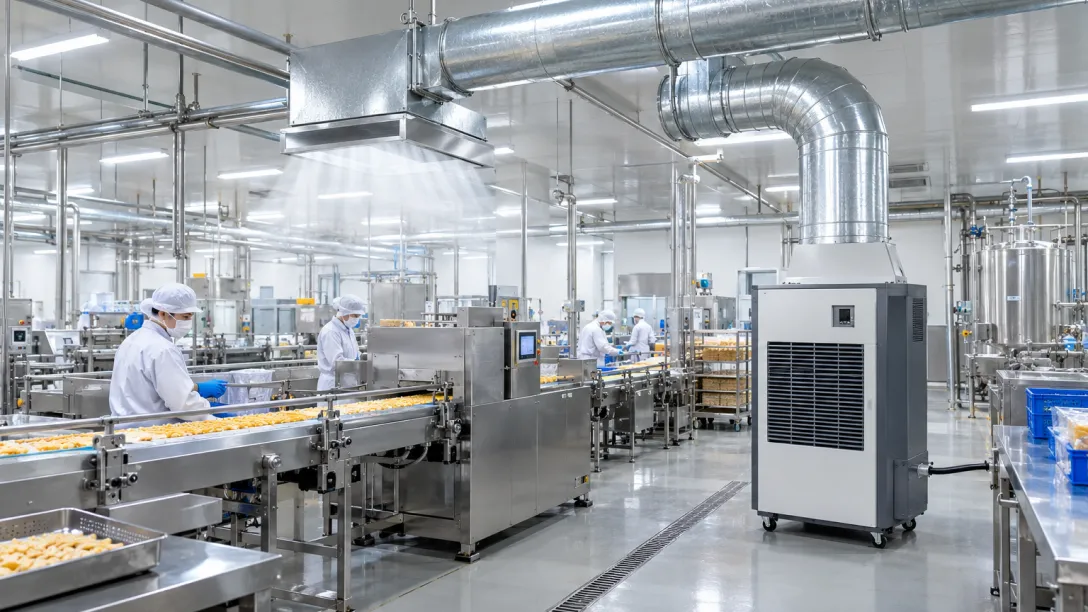
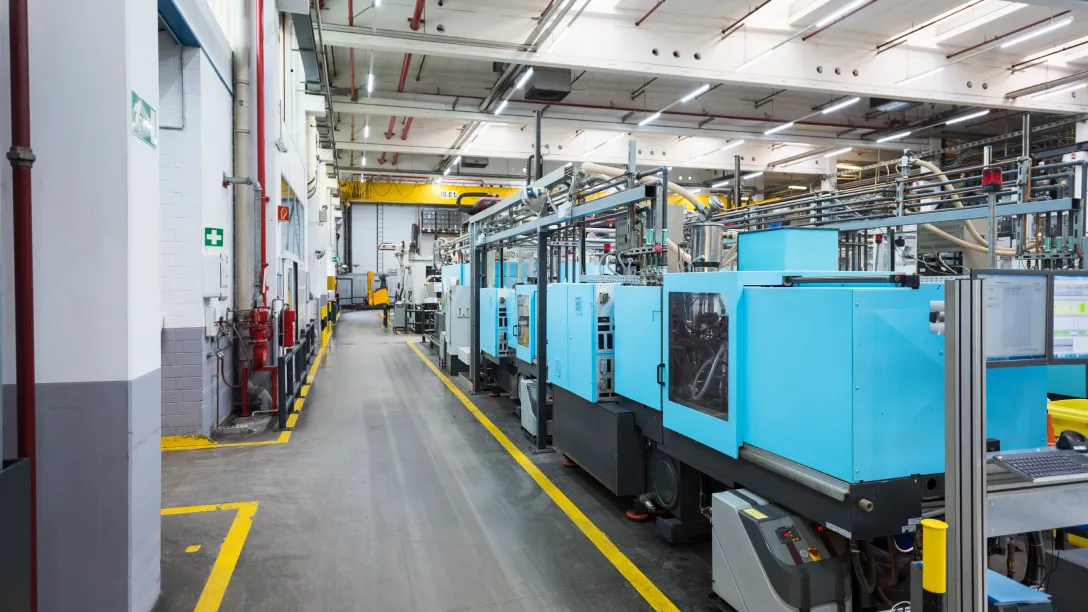
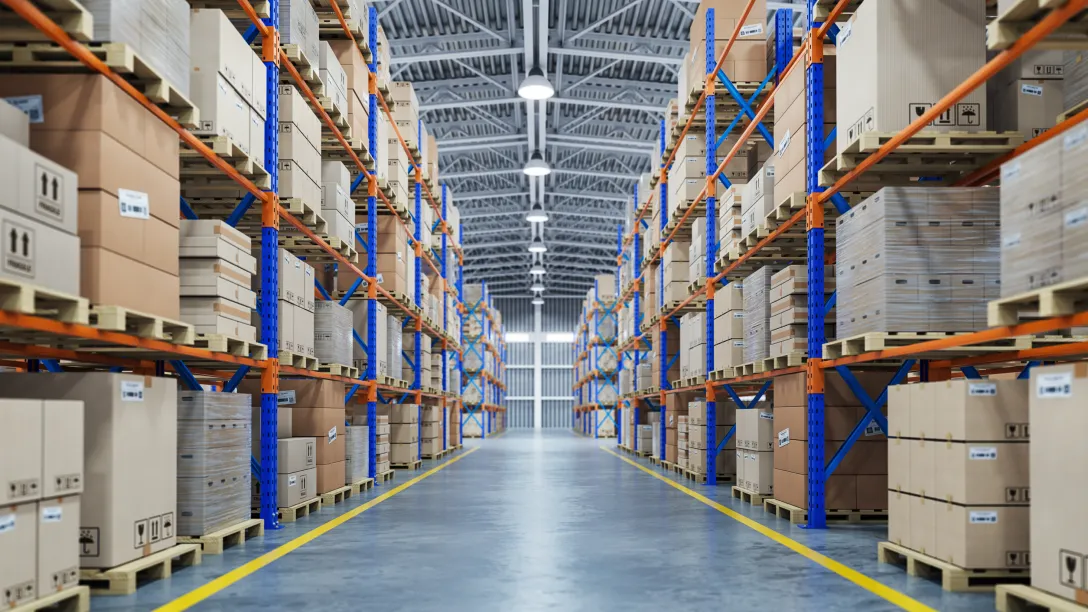
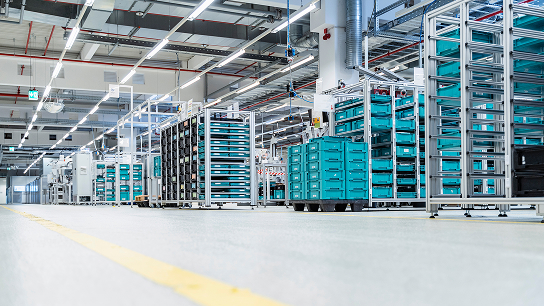
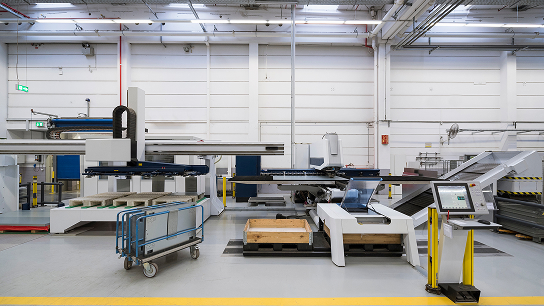
Air conditioning a 40,000-square-foot factory to protect eight workers at a welding line is like heating a stadium to keep the substitutes' bench warm. Most industrial buildings cannot justify whole-space cooling: ceilings are high, doors are open, and machinery adds heat faster than any central system removes it. Spot cooling sidesteps the problem entirely by conditioning the zone where people and equipment actually work, using portable units that roll to the hotspot and start cooling within minutes.
This guide covers what unmanaged heat costs a facility, the three portable cooling technologies and where each belongs, and a working method for sizing spot cooling by heat load rather than by guesswork.
What Heat Costs on the Floor
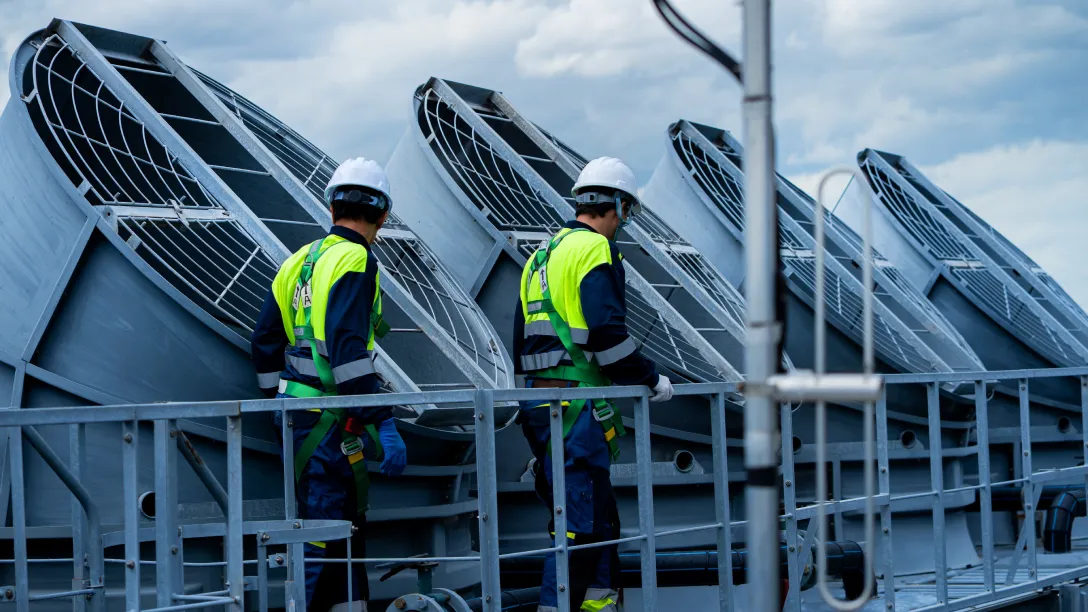
The World Meteorological Organization confirmed 2024 as the hottest year on record, and the productivity numbers behind heat exposure are no longer abstract. Research cited by WMO puts the loss at roughly 2–3% of output for every degree above 20°C. On a production line, that decline shows up as slower cycle times, more errors, and more near-misses as the afternoon wears on.
The safety threshold is defined by wet bulb globe temperature (WBGT), the ISO 7243 index that combines air temperature, humidity, radiant heat, and airflow. OSHA's recommended exposure limits for continuous work are 30°C WBGT for light work, 27°C for moderate work, and 25°C for heavy work. OSHA's heat illness prevention guidance places engineering controls at the top of the response hierarchy, explicitly including air conditioning and increased airflow, because fixing the environment outperforms relying on behavior. Spot cooling is the fastest engineering control a facility can deploy.
The Three Portable Cooling Technologies
Portable industrial cooling comes in three forms, and choosing between them is a building question before it is a price question:
| Type | How It Works | Moisture Effect | Best Environment | Watch Out For |
|---|---|---|---|---|
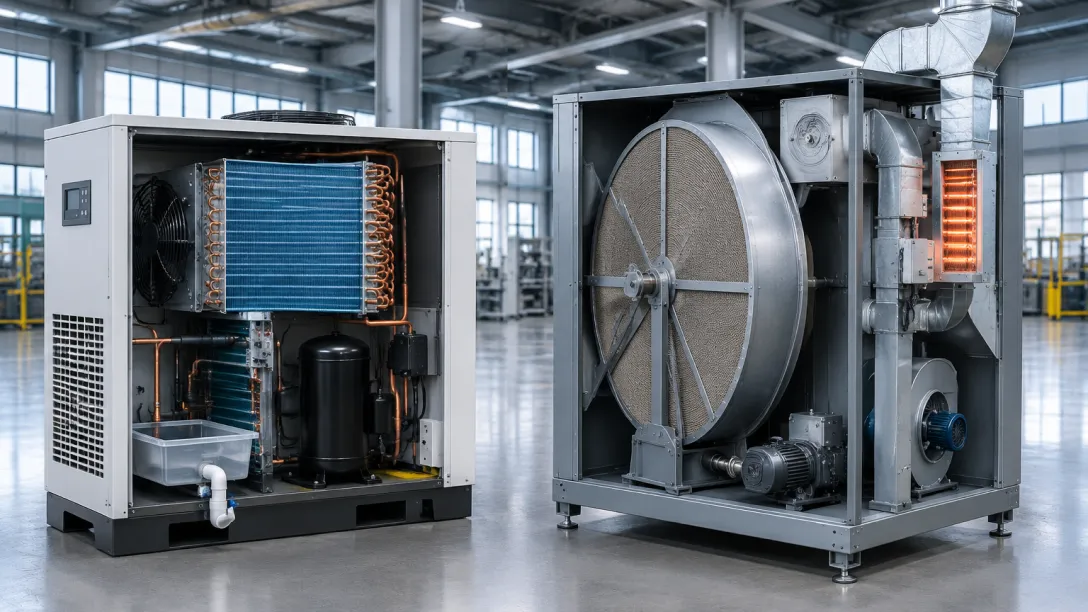
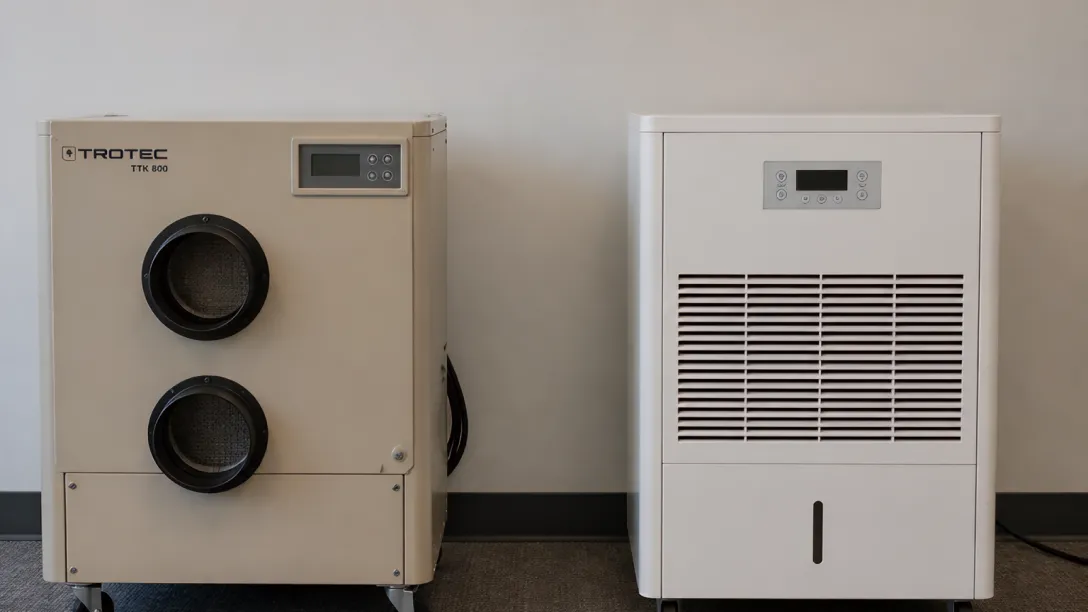
| Air-cooled spot cooler (refrigerant) | Conditions air over refrigerant coils; rejects heat through an exhaust duct | Removes moisture | Enclosed spaces, server rooms, humid climates | Exhaust air needs a route out of the conditioned zone |
| Water-cooled portable AC | Rejects heat into a water loop instead of an air duct | Removes moisture | Sealed rooms with no exhaust path; facilities with cooling water available | Needs a continuous water connection |
| Evaporative cooler | Draws air across wetted media; evaporation absorbs heat | Adds moisture | Dry climates, open or semi-open areas, docks | Loses effect as humidity rises; never for moisture-sensitive processes |
Field data shows targeted deployment of an industrial spot cooler typically drops the temperature in the treated zone by around 6°C. That margin is often the difference between a workstation above the heavy-work WBGT limit and one below it.
Sizing: BTU per Person and per Machine
Spot cooling capacity is a heat-removal rating, so size it against the heat the zone generates. The working allowances:
- People: 400–600 BTU/h per occupant, using the upper figure for sustained physical work
- Equipment: total nameplate watts × 3.413 = BTU/h. A workstation with 3 kW of machinery contributes about 10,200 BTU/h before anyone stands at it
- Lighting: total lighting watts × 4.25 = BTU/h
- Envelope and infiltration: in open industrial bays this term dominates, which is exactly why spot cooling beats room cooling there. Treat the zone boundary generously and add a margin rather than chasing the whole building's load
A worked example: a packing cell with four workers (4 × 500 = 2,000 BTU/h), 4.5 kW of machinery (15,400 BTU/h), and 800 W of lighting (3,400 BTU/h) carries roughly 21,000 BTU/h of internal load. A 2-ton class unit covers it with margin, aimed at the occupied zone. Scale the same arithmetic across a row of cells and a fleet of portable units outperforms one oversized fixed system, because capacity follows the work as shifts and layouts change. Layouts for factory floor spot cooling and warehouse dock areas follow this zone-by-zone logic.
Deployment Details That Decide Success
Most disappointing spot cooling installations fail on logistics, not capacity. Four details matter:
- Exhaust routing. An air-cooled unit returns its collected heat to the room unless the exhaust duct reaches outside the conditioned zone: through a window kit, a ceiling plenum, or a wall penetration. Dual-duct models avoid pulling the room into negative pressure and reject heat more efficiently.
- Condensate. Refrigerant units dehumidify as they cool. Plan for a drain line, a pump, or scheduled tank emptying before the first shift, not after the first puddle.
- Airflow aim. Cold air should wash the worker or the equipment intake, not the general area. Adjustable nozzles and extension ducts put the cooling where the heat stress actually is.
- Power. Larger units need dedicated circuits, and industrial three-phase models need matching supply. Confirm power at the intended position before delivery.
Where Spot Cooling Pays for Itself
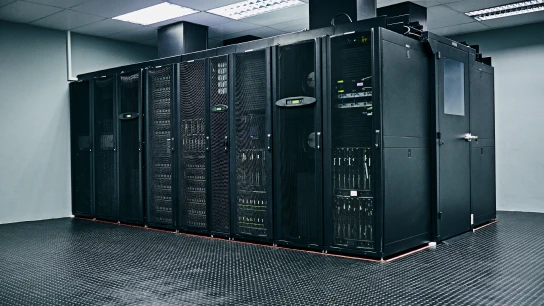
The strongest cases share one pattern: concentrated heat, dispersed people. Welding and heat-treat cells, packing and inspection stations, and loading docks where workers absorb both outdoor heat and trailer radiation. IT infrastructure is the other classic: a server room or network closet that shares the building's comfort HVAC fails first on weekends and holidays, and a dedicated portable unit sized to the equipment load is cheap insurance against thermal shutdown. Our server room spot cooling configurations cover that duty, and outdoor-rated units serve tent and event cooling where no fixed system exists at all. Emergency response is the third case: when a chiller fails in August, portable capacity deployed in hours keeps production running while repairs take weeks.
Get a Spot Cooling Plan for Your Facility
Send us your floor layout, the workstations or equipment zones that overheat, headcount per zone, and available power. Our engineers will return a zone-by-zone heat load estimate and a unit selection with positioning layout. Contact the technical team to start before the next heat wave does.
Frequently Asked Questions
What is spot cooling?
Spot cooling is targeted air conditioning of a specific work zone, workstation, or piece of equipment rather than an entire building. A portable refrigerant-based unit delivers conditioned air directly to the hotspot through adjustable nozzles or ducting, so a facility cools only the square footage where heat causes harm, at a fraction of the cost of conditioning the whole space.
How many BTU do I need per worker?
Allow 400–600 BTU/h per person, using the higher figure for sustained physical work, then add equipment load at watts × 3.413 and lighting at watts × 4.25. A four-person packing cell with 4.5 kW of machinery needs roughly 21,000 BTU/h, which is a 2-ton class unit. Add margin for open bays where outside heat infiltrates freely.
What is the difference between a spot cooler and an evaporative cooler?
A spot cooler is a true air conditioner: it removes heat and moisture with a refrigerant circuit and works in any climate, including humid and sealed spaces. An evaporative cooler adds moisture while cooling, delivers only a 5–15°F temperature drop, and loses effectiveness as humidity rises. Evaporative units suit dry climates and open areas; spot coolers suit enclosed, humid, or process-sensitive environments.
Do portable spot coolers need exhaust ducting?
Air-cooled models do: the heat they collect must leave the conditioned zone through an exhaust duct routed to a window kit, ceiling plenum, or wall penetration, and dual-duct designs perform best. Water-cooled portable units reject heat into a water loop instead, so they need no exhaust duct but do need a continuous water connection.
Can a spot cooler protect a server room?
Yes, and it is one of the most common industrial uses. Size the unit against the IT equipment load (watts × 3.413) plus envelope gains, provide a condensate drain, and route the exhaust outside the room. A dedicated portable unit also covers the weekend and holiday gap when building comfort HVAC is set back or offline.
Air-cooled or water-cooled: which should I choose?
Choose air-cooled for flexibility: plug-and-play setup, easy relocation, and no plumbing, as long as you can duct the exhaust out of the zone. Choose water-cooled for sealed rooms with no exhaust path or facilities with economical cooling water. For most factory and warehouse spot duty, air-cooled is the practical default.