In pharmaceutical solid dosage manufacturing, nutraceutical production, and specialized food processing, the physical behavior of the product is entirely dictated by the surrounding psychrometric conditions. Hygroscopic materials—such as active pharmaceutical ingredients (APIs), effervescent compounds, and spray-dried dairy proteins—possess a natural thermodynamic affinity to absorb moisture directly from the ambient air. When atmospheric humidity fluctuates, these dry powders change state, resulting in severe processing bottlenecks, exact weight inconsistencies, and total batch rejections.
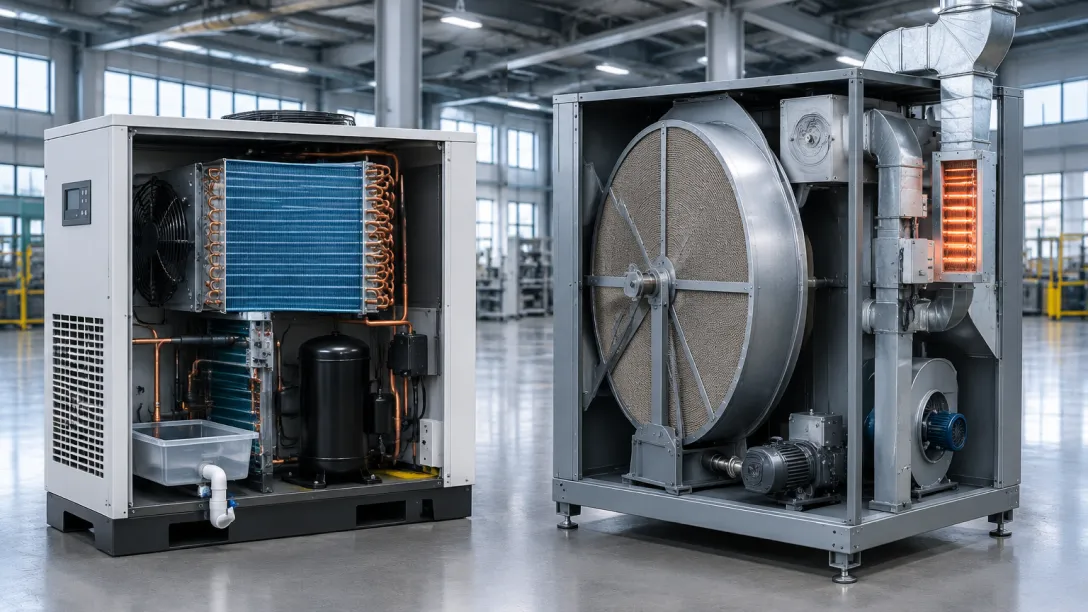
Standard comfort air conditioning systems cannot maintain the 10% to 20% relative humidity required in these critical manufacturing zones. Attempting to chill the air enough to condense that volume of moisture results in frozen evaporator coils and unacceptable sensible temperature drops. Active chemical adsorption provides the only reliable engineering solution. This guide details the integration of industrial desiccant dehumidifiers across various stages of powder processing, addressing equilibrium moisture content, pneumatic conveying challenges, and cleanroom pressurization.
Equilibrium Moisture Content and Capillary Condensation
Every dry powder possesses a specific Equilibrium Moisture Content (EMC). This metric defines the exact point where the powder neither absorbs moisture from the air nor releases moisture into it. If the relative humidity of the manufacturing room exceeds the material's EMC, the powder acts as a desiccant itself, stripping water vapor from the atmosphere.
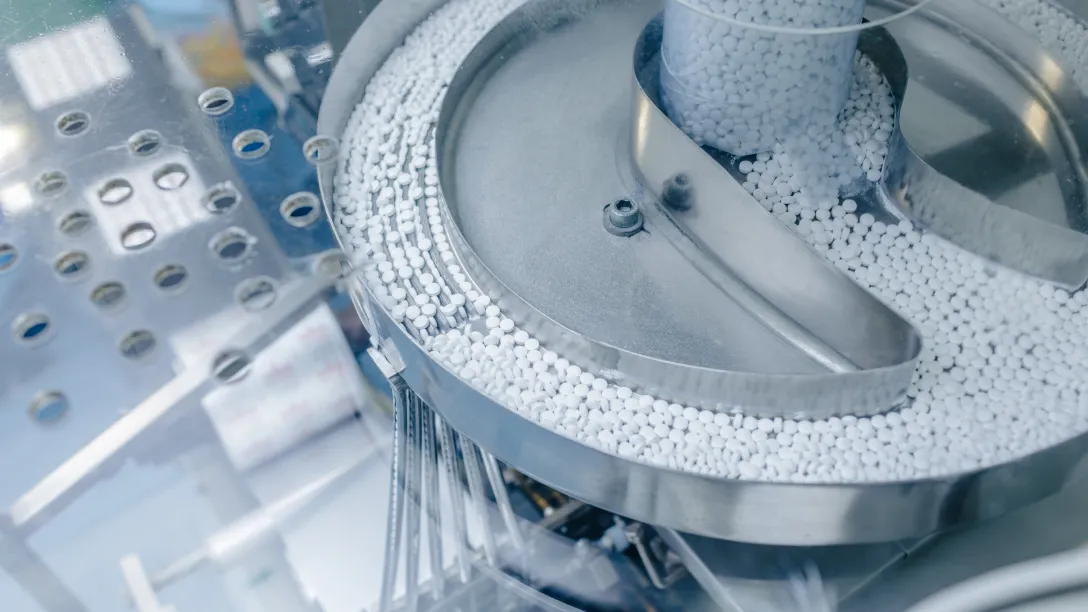
As the powder absorbs moisture, a phenomenon known as capillary condensation occurs. Microscopic layers of water form on the surface of individual particles. This liquid bridges the gap between adjacent particles, creating immense surface tension and inter-particle cohesion. In practical manufacturing terms, this cohesion manifests as clumping. Powders lose their flowability, refusing to drop uniformly from hopper silos into tablet presses. This erratic flow causes weight variations in the final solid dosage forms, leading to immediate quality control failures. Desiccant dehumidifiers prevent capillary condensation by continuously stripping the ambient air of moisture, maintaining the room's vapor pressure well below the specific EMC of the processed compounds. By supplying bone-dry air directly to the dosing hoppers and pressing suites, the system guarantees consistent powder rheology and precise tablet weights.
Pneumatic Conveying and Transport Blockages
Modern pharmaceutical and food processing facilities utilize pneumatic conveying systems to transport bulk powders through enclosed piping networks. These systems use high-velocity compressed air or centrifugal blower air as the transport medium. If the conveying air contains ambient moisture, the pressure changes within the piping will force that moisture into the powder.
Moisture-laden conveying air creates a catastrophic failure mode known as "bridging" or "ratholing" within the silos, and severe fouling along the interior walls of the transport pipes. As hygroscopic particles strike the pipe walls, the absorbed moisture causes them to adhere. Over hours of operation, this accumulation narrows the pipe diameter, increases the pressure drop, and eventually chokes the entire pneumatic line. Clearing a blocked pneumatic system requires total production shutdown and aggressive physical cleaning.
Integrating a desiccant dehumidifier at the air intake of the pneumatic blower eliminates this risk completely. By deep-drying the conveying air to a sub-zero dew point before it ever contacts the powder, the transport medium actually acts as a continuous drying agent. The piping network remains perfectly clear, and the bulk powder arrives at the destination hopper exactly as dry as it was when it entered the system.
Thermodynamics of Fluid Bed Drying and Aqueous Coating
Fluid bed dryers and tablet coating pans operate on the principles of mass heat and moisture transfer. In aqueous film coating, a water-based polymer solution is sprayed directly onto a bed of rotating tablets. The objective is to evaporate the water instantly, leaving only a uniform, microscopically thin polymer film on the tablet surface.
The speed and quality of this evaporation depend entirely on the moisture capacity of the supply air. If the air supplied to the coating pan already contains a high volume of water vapor, its capacity to absorb additional moisture from the spray solution is severely limited. This results in overwetting, where tablets stick together (twinning), the coating peels (picking), or the moisture penetrates the tablet core, degrading the API.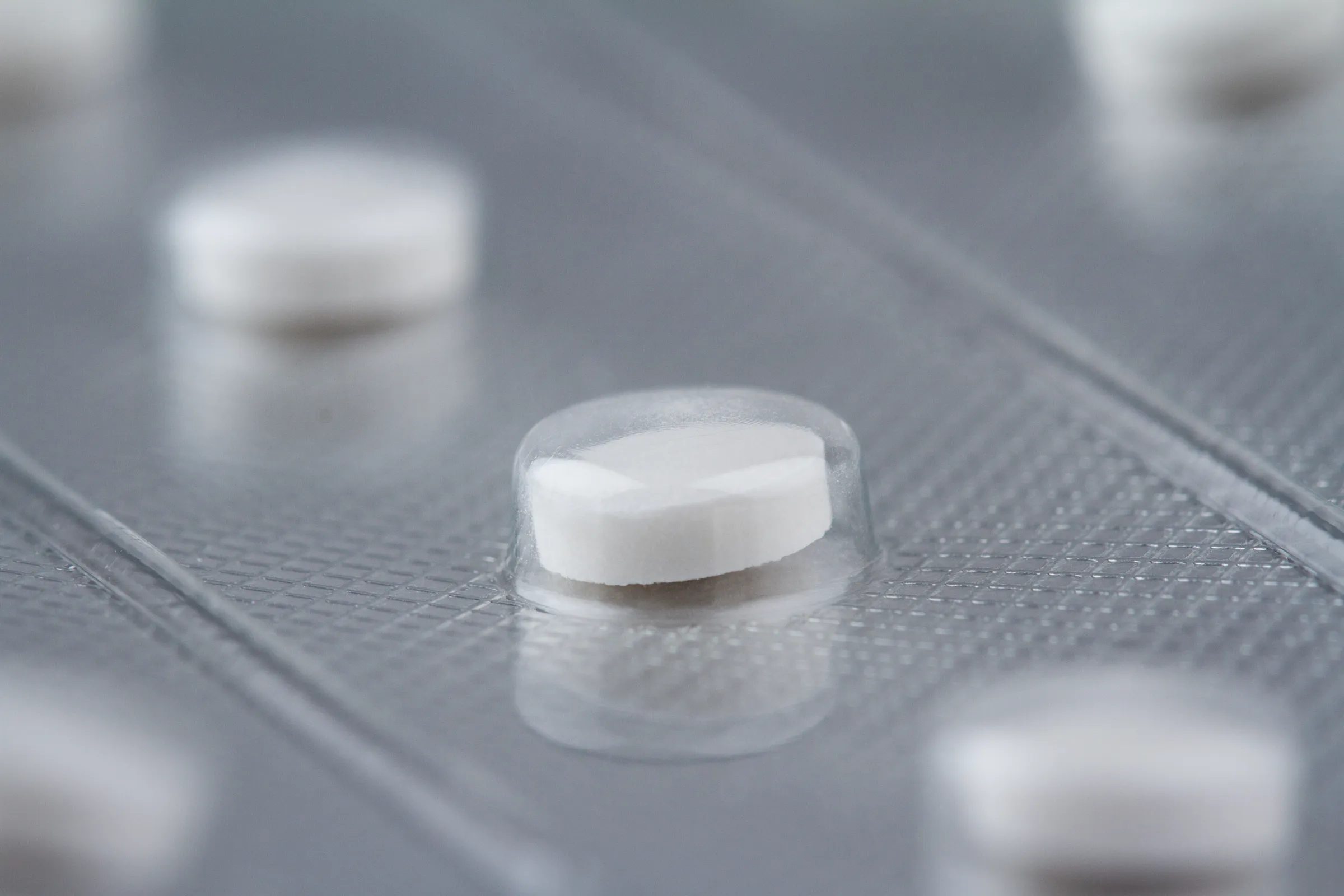
Desiccant dehumidifiers deliver air with an ultra-low moisture content, maximizing the vapor pressure deficit within the coating pan. This bone-dry supply air acts like a sponge, instantly absorbing the aqueous solvent the moment it contacts the tablet. This precise control over the evaporation rate allows facility managers to increase the spray rate significantly, drastically reducing batch processing times while eliminating cosmetic and structural defects in the final coated product.
Cleanroom Make-Up Air and Positive Pressurization
Pharmaceutical manufacturing suites operate under strict positive air pressure. This pressure differential ensures that when a door opens, air flows outward into the corridors, preventing airborne contaminants and unconditioned ambient air from infiltrating the sterile processing zone. To maintain this outward pressure, the HVAC system must constantly introduce outside make-up air.
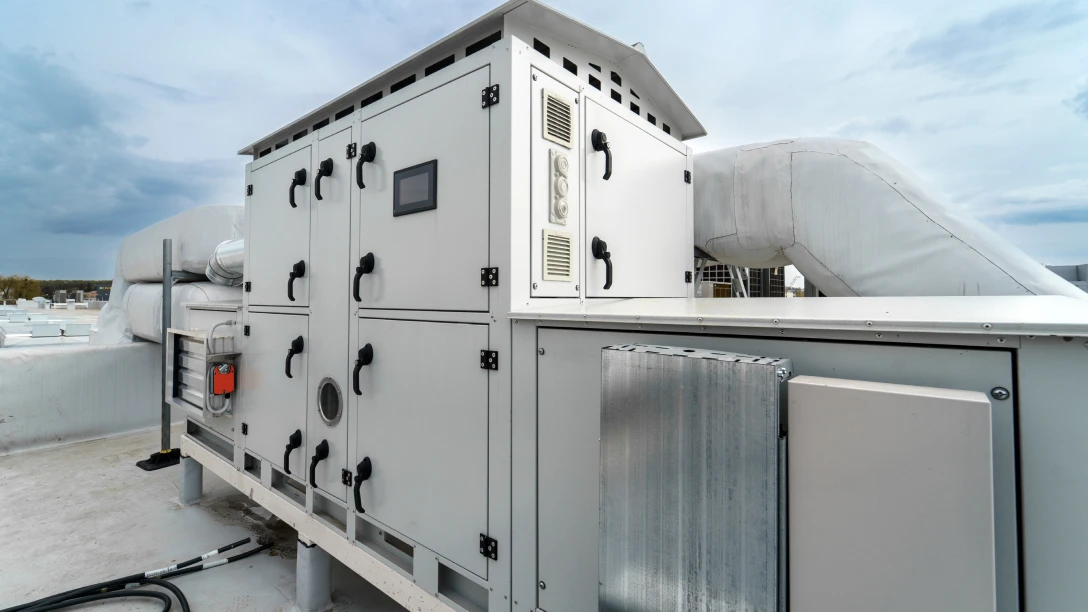
During summer months or rainy seasons, this outside air carries a massive latent moisture load. Pushing this humid air directly into the cleanroom destroys the carefully maintained low-humidity environment required for effervescent or hygroscopic production. Industrial desiccant systems are deployed specifically to treat this fresh make-up air. By processing 100% outside air through the active silica gel rotor, the system strips the weather-related moisture load completely before injecting the air into the central cleanroom HVAC system. This strategy isolates the internal manufacturing environment from all external seasonal weather fluctuations, guaranteeing continuous, uninterrupted production schedules year-round.
Rapid Recovery After CIP (Clean-In-Place) Washdowns
Sanitation is non-negotiable in processing environments. Between batches, production suites undergo rigorous Clean-In-Place (CIP) or manual washdown procedures, introducing hundreds of gallons of hot water and liquid sanitizers directly into the room. Before the next batch of dry powder can be introduced, the room must be completely dry. Any residual moisture on equipment surfaces or trapped in floor drains will immediately contaminate the incoming hygroscopic materials and promote dangerous microbial growth.
Standard HVAC systems lack the capacity to dry a soaked room quickly. The evaporation process is too slow, causing significant operational downtime. High-capacity desiccant dehumidifiers accelerate this drying phase exponentially. By flooding the wet room with aggressively dry air, the system forces the standing water to evaporate rapidly. The moisture is continuously extracted and exhausted outside the facility. This rapid washdown recovery minimizes the turnaround time between production batches, increasing overall facility throughput and ensuring a bio-burden-free environment prior to the introduction of sensitive APIs.
Integrate Moisture Control for Powder Processing
Controlling atmospheric moisture is the foundational requirement for consistent, high-yield solid dosage manufacturing and food powder processing. Eliminating capillary condensation ensures accurate dosing, prevents pneumatic blockages, and accelerates fluid bed operations. For specific capacity engineering, psychrometric evaluations, and system integration tailored to your manufacturing suites, explore our professional desiccant dehumidifier systems engineered exclusively for stringent industrial processing standards.
Frequently Asked Questions
Why does hygroscopic powder clump in high humidity?
Hygroscopic powders naturally absorb water vapor from the surrounding air to reach equilibrium. This absorbed moisture forms microscopic liquid layers on the surface of the particles, known as capillary condensation. The liquid creates surface tension that binds the particles together, causing the powder to lose its flowability, form hard clumps, and bridge inside hoppers.
Can a standard air conditioner provide the humidity control needed for pharmaceutical tableting?
No. Standard air conditioning removes moisture through condensation, which requires cooling the air below its dew point. Pharmaceutical tableting often requires environments of 15% to 20% relative humidity at 68°F (20°C). Achieving this with refrigeration would require chilling the coils well below freezing, resulting in solid ice formation and system failure. Desiccant systems bypass this physical limit through chemical adsorption.
How does conveying air affect pneumatic powder transport?
If the compressed or blower air used to transport powders contains moisture, the pressure dynamics inside the piping force that moisture into the product. The powder becomes sticky and adheres to the inner walls of the pipe, eventually restricting airflow and choking the entire system. Deep-drying the conveying air with a desiccant rotor prevents this fouling and keeps the transport lines clear.
What is the role of a desiccant dehumidifier in tablet coating?
During aqueous film coating, water must evaporate from the tablet surface instantly to prevent the moisture from penetrating the core or causing tablets to stick together. A desiccant system supplies bone-dry air to the coating pan, maximizing the air's capacity to absorb the spray solvent. This accelerates the evaporation process, allowing for faster spray rates and shorter batch times.
How do desiccant systems handle outside make-up air for cleanrooms?
Cleanrooms require constant outside air to maintain positive pressure. Introducing this air untreated brings massive amounts of seasonal humidity into the facility. A desiccant dehumidifier acts as a pre-conditioner, intercepting the outside make-up air and stripping its latent moisture load entirely through the silica gel rotor before it enters the main sterile environment, isolating production from external weather.
Why is rapid drying after a washdown critical?
Following a Clean-In-Place (CIP) procedure, any standing water or residual moisture in the processing room creates an immediate risk for microbial growth and cross-contamination of the next batch of dry powder. Desiccant dehumidifiers flood the room with ultra-dry air, accelerating the evaporation of residual water and significantly reducing the operational downtime required between production batches.