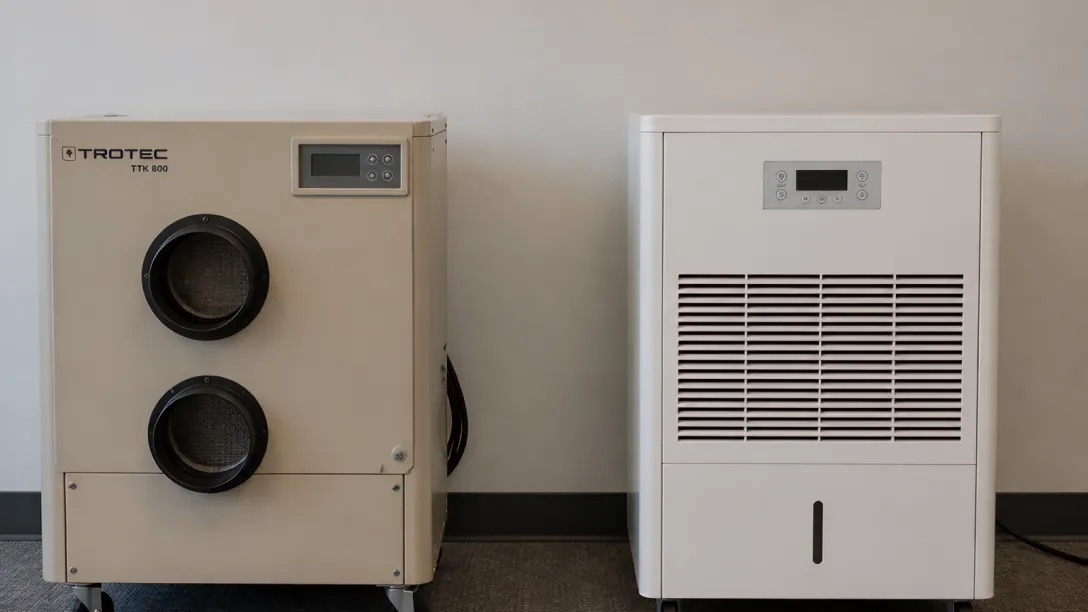
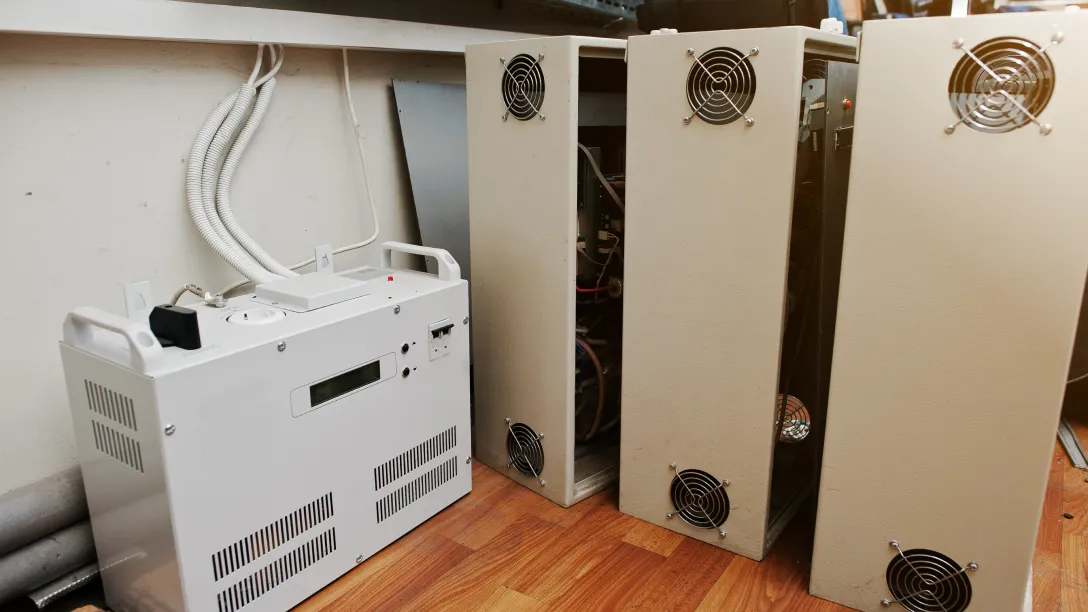
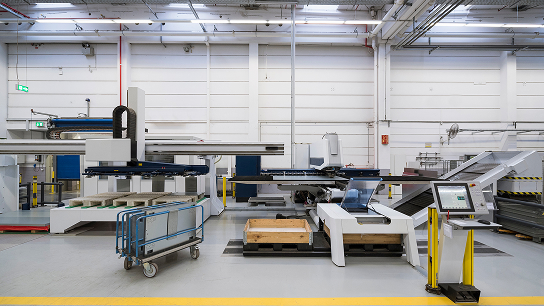
The globalization of HVAC and climate control equipment manufacturing has firmly established China as the primary hub for scalable, high-tolerance production. For international brands, commercial distributors, and heavy-industry engineering firms, sourcing from an industrial dehumidifier manufacturer is no longer merely a cost-reduction exercise. It is a strategic deployment of advanced manufacturing capabilities, rapid prototyping, and robust supply chain integration. Delivering precise psychrometric performance in harsh commercial environments requires a manufacturing partner capable of executing complex thermodynamic engineering and adhering to strict international compliance standards.
Navigating cross-border procurement in the industrial HVAC sector requires rigorous technical due diligence. A successful partnership relies on the precise alignment of engineering specifications, quality control protocols, and legal frameworks protecting intellectual property. This technical guide outlines the critical parameters for evaluating and establishing high-yield Original Equipment Manufacturer (OEM) and Original Design Manufacturer (ODM) partnerships, ensuring international certification compliance, and securing long-term supply chain resilience.
Distinguishing OEM and ODM Manufacturing Frameworks
Establishing a clear manufacturing framework is the foundational step in international procurement. The HVAC sector strictly differentiates between OEM and ODM models based on the origin of the engineering blueprints and the ownership of the intellectual property.
Under an Original Equipment Manufacturer (OEM) agreement, the procuring brand retains complete ownership of the product design, internal layout, thermodynamics calculations, and the precise Bill of Materials (BOM). The Chinese manufacturing facility acts strictly as the executor of these blueprints. This model is utilized by tier-one international brands that possess internal R&D departments but require the capital efficiency and massive production scale of offshore assembly. The manufacturer must demonstrate advanced capabilities in custom sheet metal fabrication, custom coil winding, and precise replication of proprietary control logic.
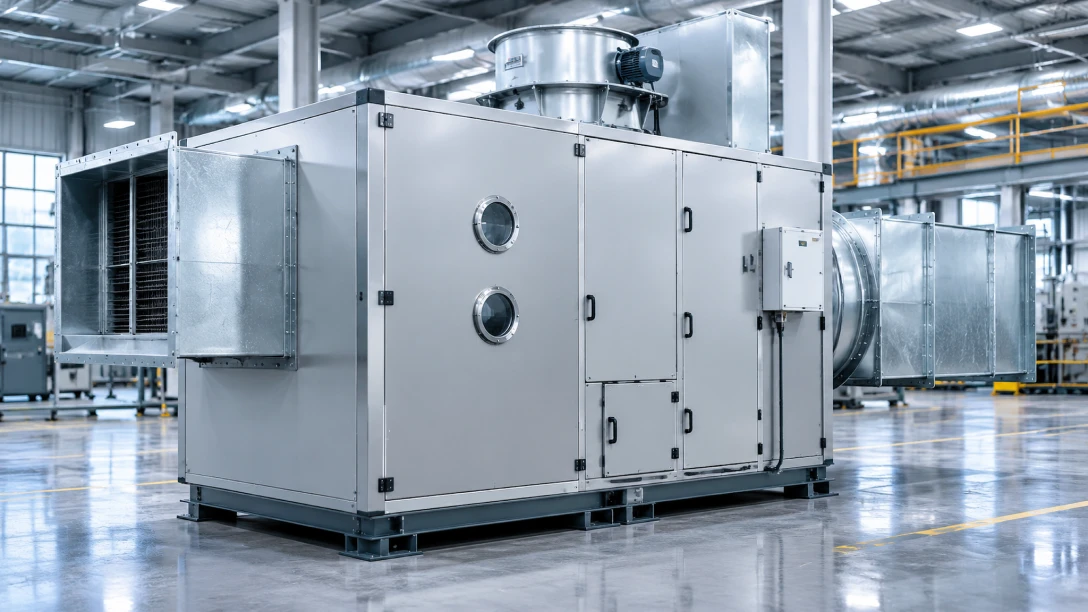
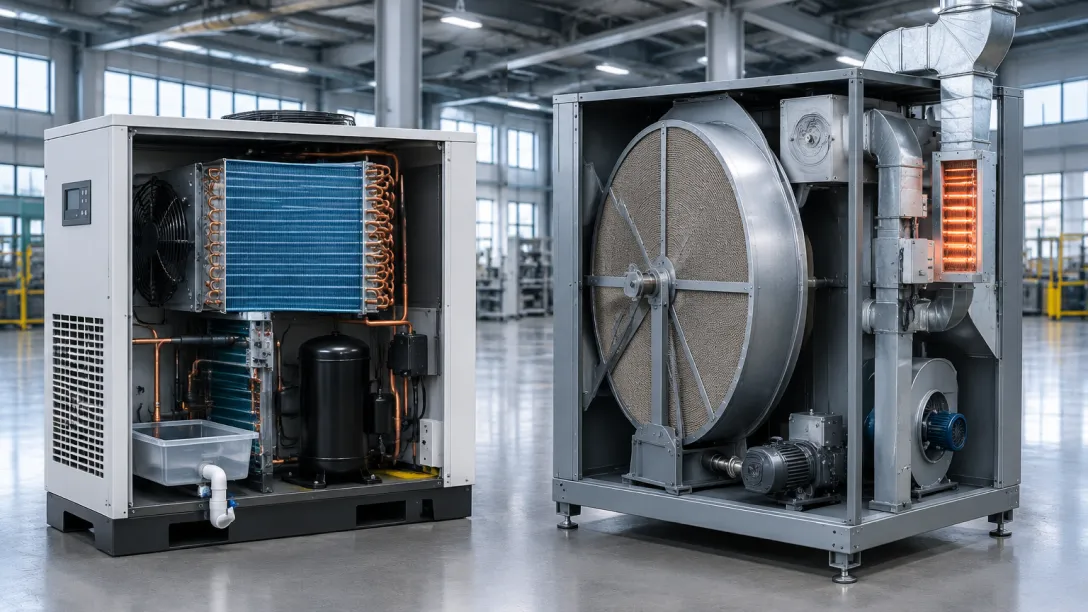
Conversely, the Original Design Manufacturer (ODM) model involves the factory providing a fully engineered, proven hardware platform that the client subsequently customizes and rebrands. This is universally recognized as OEM/ODM white label commercial dehumidifier production. For distributors aiming to launch a private-label product line without the massive capital expenditure of ground-up R&D, ODM is the optimal vector. The manufacturer provides a baseline chassis—such as a 150-pint LGR restoration unit or a 5000-CFM desiccant rotor system—and allows the client to customize specific parameters including outer casing colors, branding, HMI interface languages, and specific component upgrades (e.g., swapping a standard compressor for a high-efficiency variable-speed model).
Core Vectors of Technical Customization
Whether operating under an OEM or ODM framework, industrial climate control equipment demands high degrees of technical customization to meet localized market requirements. A competent manufacturing partner must possess the engineering depth to modify equipment across three primary vectors: mechanical, electrical, and control logic.
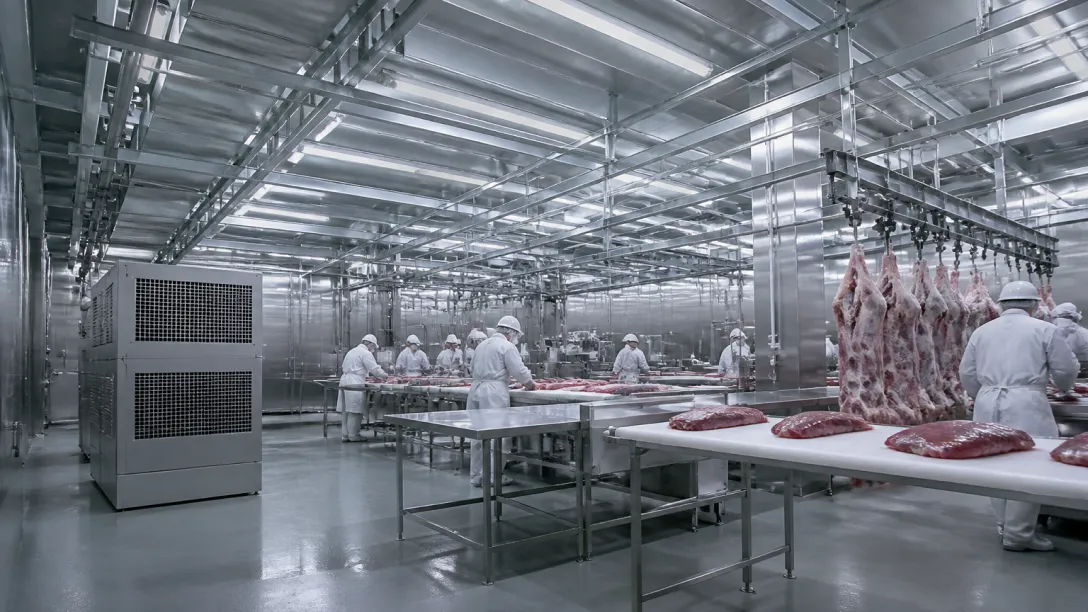
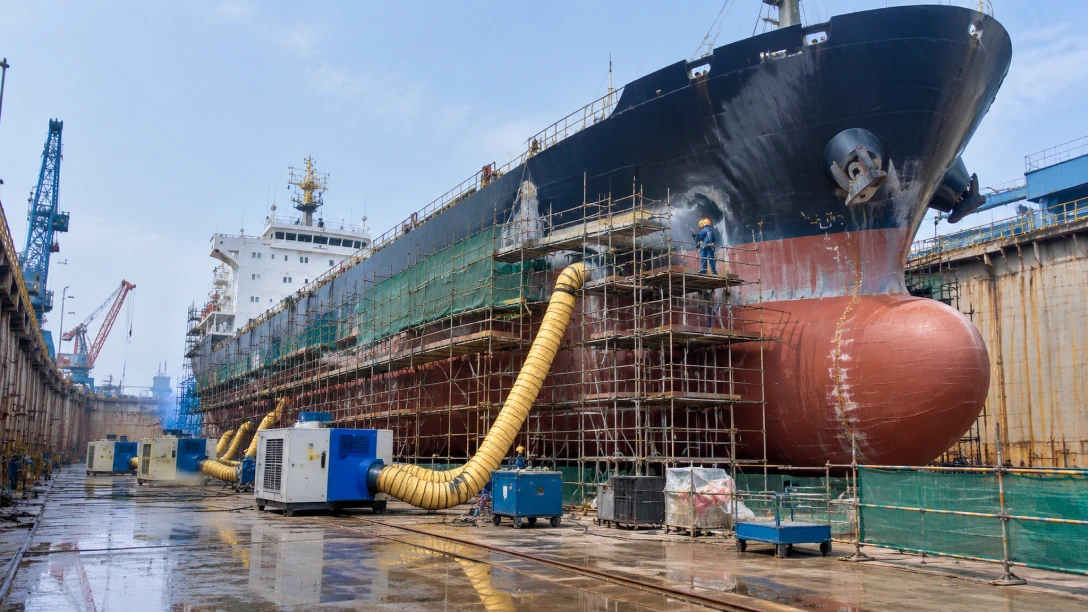
Mechanical and Metallurgical Customization: Industrial dehumidifiers are deployed in hostile environments ranging from highly corrosive meat processing plants to abrasive construction sites. The standard galvanized steel casing is often insufficient. Factories must offer metallurgical upgrades, including fully welded 304 or 316 stainless steel enclosures for food-grade applications, or high-density roto-molded polyethylene housings for heavy-duty rental fleets. Coil customization is equally critical. To prevent premature failure in maritime or chemical environments, manufacturers must provide hydrophilic coatings or electrophoretic deposition (e-coating) on all evaporator and condenser coils.
Psychrometric Component Integration: The core extraction performance of the unit depends on component selection. Clients must have the flexibility to specify compressor brands (such as Copeland, Panasonic, or Danfoss) and fan motor types (standard AC vs. highly efficient EC fans from ebm-papst). For desiccant systems, the factory must allow for specific rotor matrix selections, utilizing either standard silica gel for general moisture control or advanced molecular sieves for ultra-low dew point applications like lithium-ion battery production.
Control Systems and IoT Integration: Modern building management demands intelligent HVAC equipment. Standalone "plug and play" operation is no longer sufficient for large-scale industrial deployment. Factories must be capable of integrating custom Programmable Logic Controllers (PLCs) with open communication protocols, specifically Modbus RTU, BACnet, or LonWorks. This allows the dehumidification fleet to communicate seamlessly with centralized Building Management Systems (BMS). Furthermore, the integration of cellular or Wi-Fi IoT modules for remote diagnostics and predictive maintenance is rapidly becoming a standard requirement for private-label brands.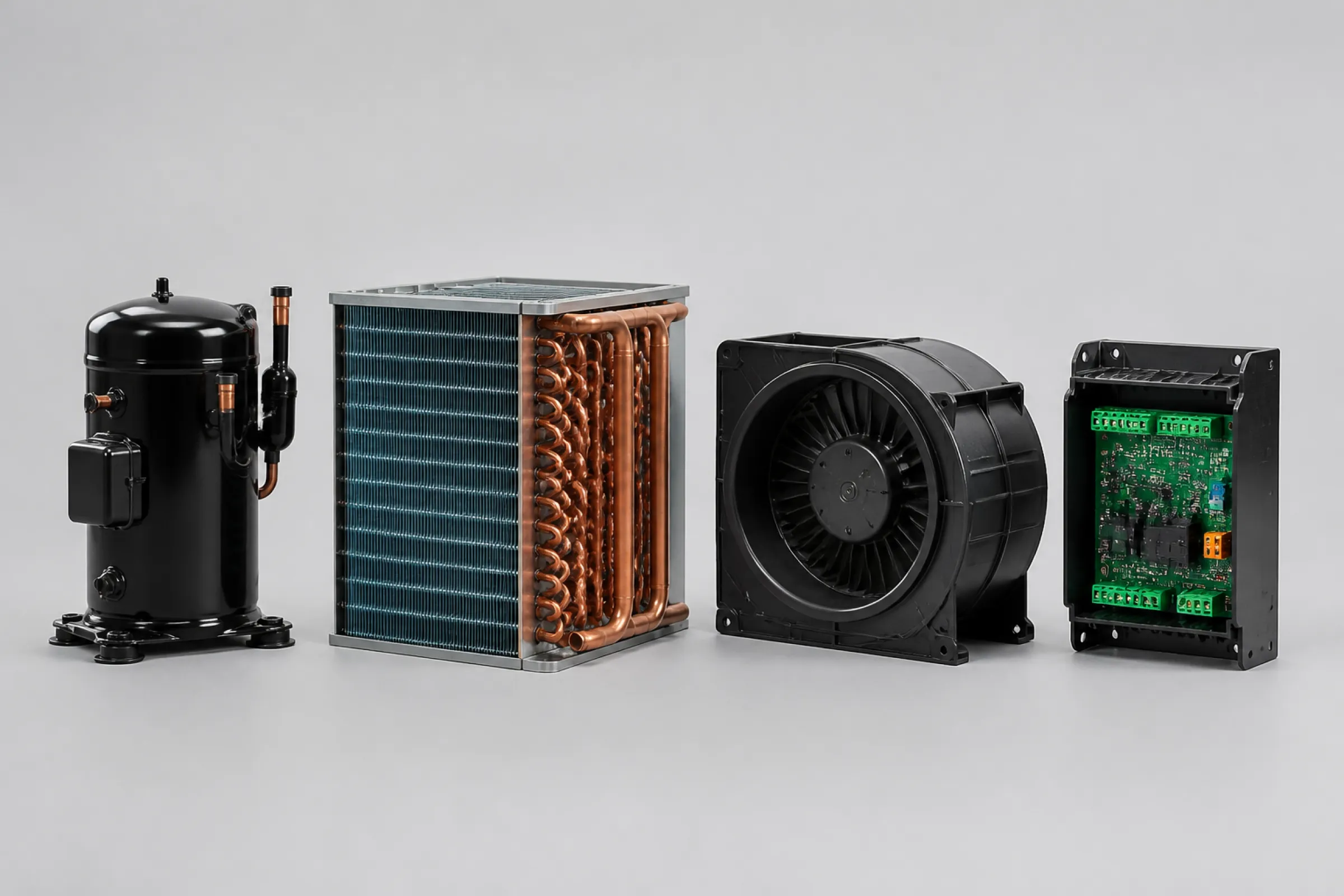
Navigating International Certifications and Compliance
A fatal error in global sourcing is developing a technically superior product that cannot legally enter the target market due to certification failures. Industrial dehumidification equipment intersects with strict electrical safety codes, pressure vessel regulations, and stringent environmental directives. Evaluating a factory's existing certifications is a non-negotiable prerequisite.
For the North American market, equipment must bear a UL (Underwriters Laboratories) or ETL (Intertek) mark, verifying compliance with electrical safety standards such as UL 60335-2-40 for electrical heat pumps, air-conditioners, and dehumidifiers. Entering the European Union mandates the CE mark, requiring adherence to the Low Voltage Directive (LVD) and Electromagnetic Compatibility (EMC) directive. Additionally, pressure-bearing components within the refrigeration cycle must comply with the Pressure Equipment Directive (PED).
Environmental compliance has become the most disruptive regulatory force in the HVAC sector. The global phase-down of high-GWP (Global Warming Potential) hydrofluorocarbons (HFCs) under the Kigali Amendment forces manufacturers to re-engineer their thermodynamic cycles. A reliable Chinese partner must actively support the transition from legacy refrigerants like R-410A to low-GWP alternatives such as R-32 or R-454B. This requires the factory to adapt their assembly lines for slightly flammable (A2L) refrigerants, implementing advanced leak detection and explosion-proof testing protocols on the factory floor.
Factory Auditing and Quality Assurance (QA) Protocols
Verifying the operational reality of a manufacturing facility requires physical or comprehensive third-party auditing of the production bases. The presence of sophisticated hardware is meaningless without strict Quality Assurance (QA) architecture governing the assembly process.
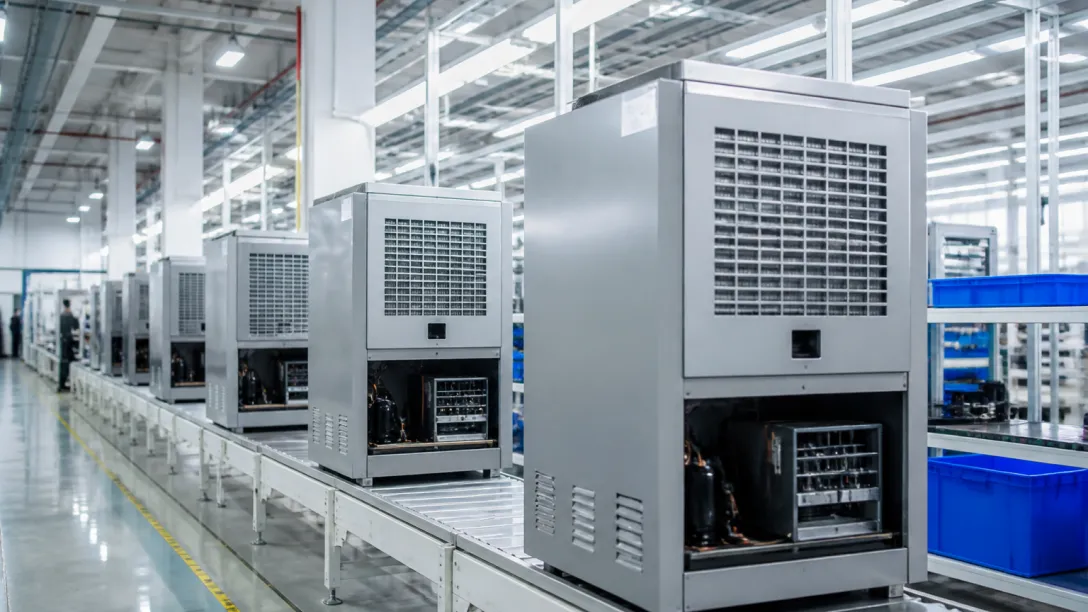
A tier-one facility operates under ISO 9001 quality management standards and enforces a rigid three-tier inspection protocol. Incoming Quality Control (IQC) tests raw materials and third-party components (compressors, sensors) before they reach the floor. In-Process Quality Control (IPQC) conducts critical milestone checks, such as high-pressure nitrogen leak testing of brazed copper refrigeration lines and dielectric withstand (Hi-Pot) testing of electrical harnesses. Finally, Outgoing Quality Assurance (OQA) requires every single unit to undergo an operational run-test in an enthalpy chamber, verifying actual moisture extraction rates against the AHAM or specific operational benchmarks before packaging.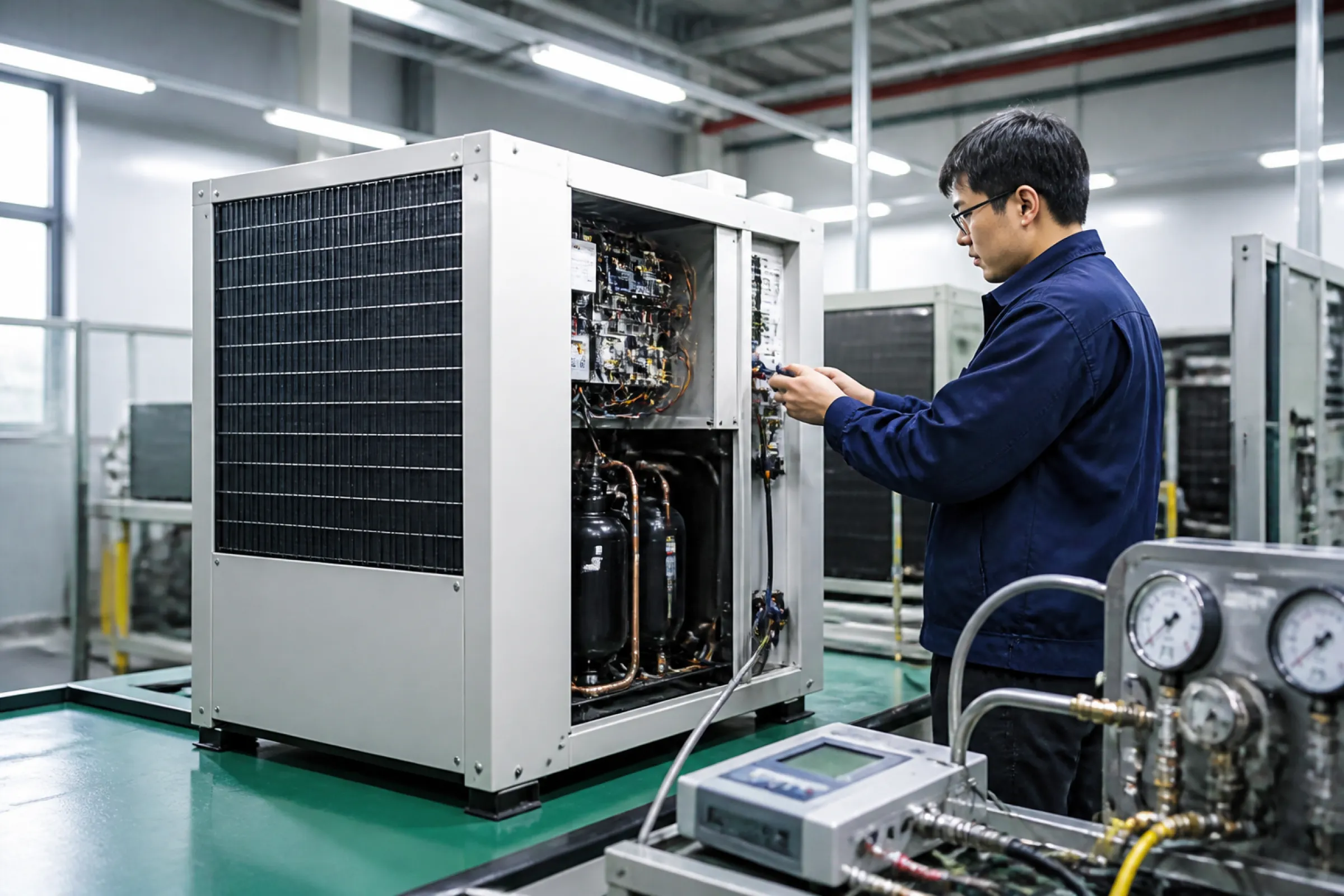
Intellectual Property Security and Procurement Logistics
Protecting proprietary engineering designs when sourcing offshore requires robust legal frameworks. Standard Western Non-Disclosure Agreements (NDAs) are often difficult to enforce internationally. Savvy procurement teams utilize NNN Agreements (Non-Disclosure, Non-Use, and Non-Circumvention) specifically drafted in bilingual formats and subjected to the jurisdiction of Chinese courts. This legally binds the factory from replicating the client's proprietary modifications or bypassing the brand to sell directly to the client's localized distributors.
Logistical resilience is the final pillar of a successful sourcing partnership. A reliable factory maintains strategic buffer stocks of critical raw materials (copper tubing, microprocessors, desiccant rotors) to shield clients from sudden commodity price spikes or component shortages. They provide transparent, synchronized production schedules, ensuring that container loads of finished goods are dispatched predictably, enabling the client to optimize their domestic warehouse inventory and fulfill major commercial contracts without delays.
Establish a Tier-One Manufacturing Partnership
Transitioning to an offshore manufacturing strategy requires partnering with an entity that provides engineering depth, not just assembly capacity. By establishing strict OEM/ODM parameters, demanding rigorous psychrometric testing, and ensuring total certification compliance, commercial brands can scale their climate control product lines rapidly and profitably. To evaluate our integrated production capabilities, request our component BOM structures, or initiate an NDA for custom equipment engineering, consult our international supply chain team.
Frequently Asked Questions
What is the difference between OEM and ODM in dehumidifier manufacturing?
In an OEM (Original Equipment Manufacturer) model, the client provides the complete proprietary design, engineering blueprints, and Bill of Materials, and the factory strictly executes the assembly. In an ODM (Original Design Manufacturer) model, the factory provides a pre-engineered, proven dehumidifier platform that the client customizes with their own branding, colors, and specific component upgrades to sell as a white-label product.
How can I verify the actual moisture extraction capacity of a manufacturer's unit?
You must require the manufacturer to provide testing data generated from an in-house psychrometric enthalpy chamber. This specialized testing room perfectly simulates standardized environmental conditions (such as the AHAM standard of 80°F and 60% RH). A reputable tier-one manufacturer will provide a verified enthalpy test report for the equipment prior to mass production.
What certifications are required to import industrial dehumidifiers into the US and Europe?
To legally import and install commercial electrical equipment in North America, the units must carry a recognized NRTL mark, most commonly UL (Underwriters Laboratories) or ETL, which guarantees electrical safety. For the European market, the equipment must bear the CE mark, proving compliance with the Low Voltage Directive (LVD), Electromagnetic Compatibility (EMC), and relevant F-Gas regulations.
How do manufacturers ensure quality control on the assembly line?
Tier-one factories implement a strict, multi-stage Quality Assurance protocol governed by ISO 9001 standards. This includes IQC (testing raw materials and compressors upon arrival), IPQC (conducting pressure leak tests and electrical safety tests during assembly), and OQA (running every completed unit in a test chamber to verify water removal performance before boxing).
How do I protect my intellectual property when using a Chinese OEM?
Standard NDAs are insufficient. You must execute an NNN Agreement (Non-Disclosure, Non-Use, Non-Circumvention) drafted by legal counsel experienced in Chinese manufacturing law. This agreement explicitly prevents the factory from sharing your designs, using your proprietary molds for other clients, or attempting to sell your customized units directly to your end-market competitors.
Can ODM factories integrate custom smart controls and BMS protocols?
Yes. Advanced industrial dehumidifier manufacturers offer extensive electrical customization. They can upgrade standard digital controllers to advanced PLCs that communicate via Modbus RTU or BACnet protocols. This integration is critical for commercial clients who need the dehumidification fleet to tie seamlessly into centralized Building Management Systems (BMS) for remote monitoring and automation.