The longevity of a marine vessel is fundamentally dictated by the integrity of its protective coatings. In the aggressive maritime environment, steel structures are subjected to relentless chloride exposure, galvanic action, and mechanical wear. To establish an impermeable barrier against these destructive forces, shipyard engineers rely on high-performance epoxy and polyurethane coating systems. However, the application of these advanced polymers requires a pristine, highly reactive steel substrate. Achieving and maintaining this substrate during dry-dock operations presents a complex psychrometric challenge. Atmospheric moisture acts as an invisible contaminant, jeopardizing coating adhesion and initiating premature substrate failure before the vessel ever touches the water.
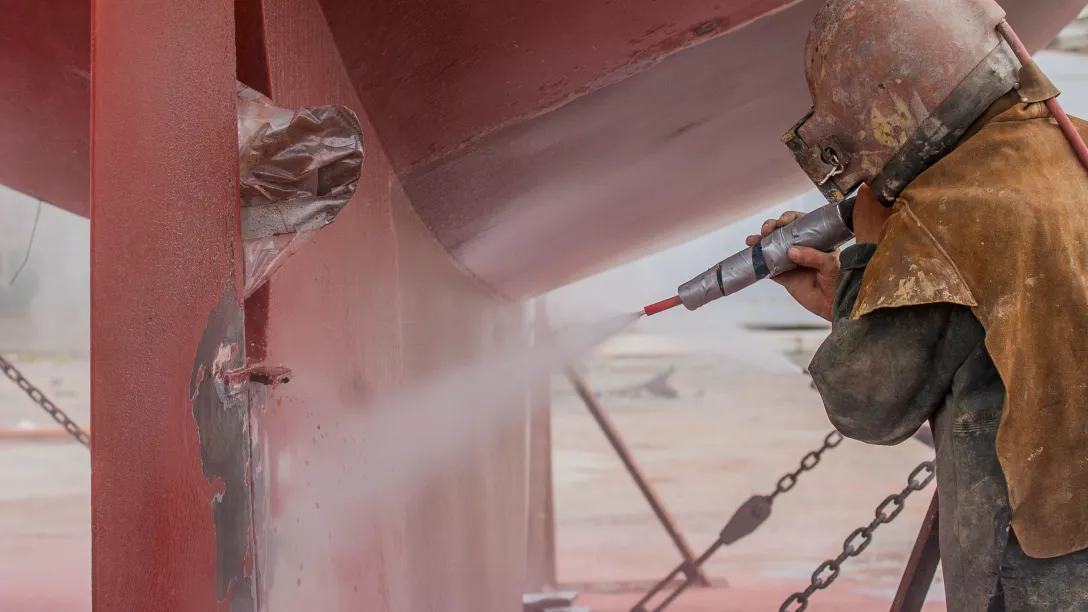
During abrasive blasting, mill scale and existing oxides are stripped away, exposing the raw molecular lattice of the steel. This newly profiled surface is highly unstable and will immediately attempt to return to its lower-energy oxidized state by reacting with water vapor in the surrounding air. Managing the microclimate surrounding the steel is a non-negotiable parameter in modern shipyard specifications. This technical analysis details the thermodynamics of flash rusting, the implementation of international dew point standards, and the engineering of active moisture extraction systems required to guarantee coating performance in marine construction and repair facilities.
The Kinetics of Steel Oxidation and Flash Rust
Surface preparation typically involves abrasive grit blasting to achieve standards such as ISO 8501-1 SA 2.5 or SA 3. This process creates a jagged surface profile, or anchor pattern, which increases the total surface area and provides mechanical keying for the subsequent coating. While optimal for adhesion, this amplified surface area simultaneously maximizes the steel's exposure to atmospheric moisture.
Flash rust is the immediate electrochemical oxidation of bare steel. It occurs when a microscopic layer of moisture condenses on the active steel surface. The water acts as an electrolyte, facilitating the transfer of electrons from the anodic iron to cathodic areas, resulting in the rapid formation of iron oxide. This process can transform a pristine, white-metal blast into a heavily rusted surface within minutes if the ambient relative humidity is high. Coating over flash rust is a critical procedural failure. The trapped iron oxide acts as a weak boundary layer. When the vessel enters service, moisture will eventually permeate the coating via osmotic blistering, causing massive delamination and structural degradation. Preventing this reaction requires isolating the bare steel from airborne water molecules using an industrial desiccant dehumidifier.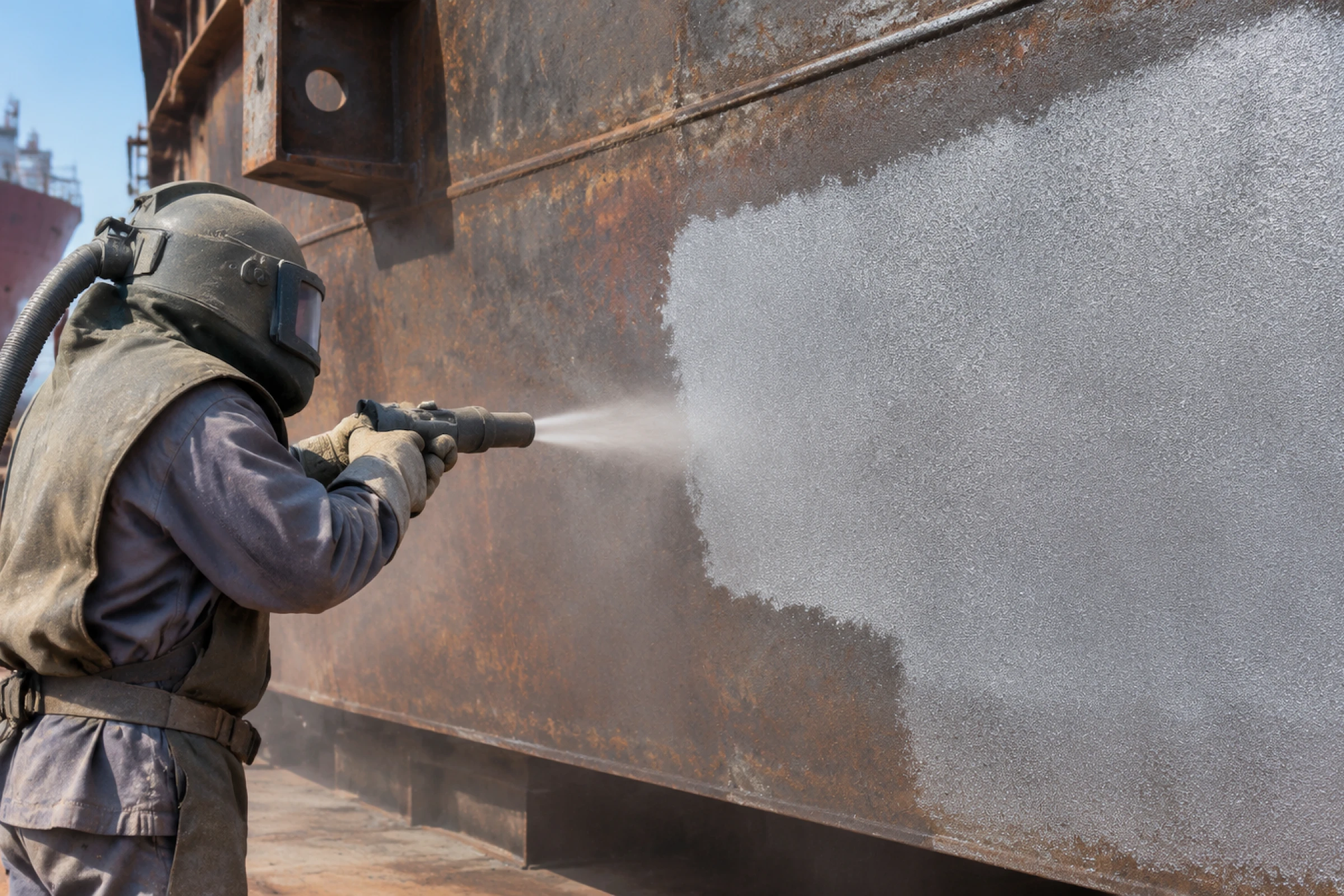
The ISO 8502-4 3°C Dew Point Differential Standard
To eliminate the risk of micro-condensation and flash rust, international marine coating protocols strictly enforce the 3°C (5°F) dew point rule, formalized in standards such as ISO 8502-4. This specification dictates that the surface temperature of the steel must remain a minimum of 3°C above the ambient dew point of the surrounding air throughout the entire blasting, coating, and initial curing process.
Meeting this specification in an open shipyard environment is notoriously difficult. Coastal facilities inherently experience high ambient humidity and rapid temperature fluctuations. As night falls, the massive thermal mass of a ship's hull cools quickly. If the ambient air holds significant moisture, the dew point remains high, and the cold steel inevitably triggers condensation. To maintain the 3°C differential, engineers cannot rely on heating the enormous mass of the hull. Instead, they must suppress the dew point of the surrounding air. By continuously purging the workspace with deep-dried air, the dew point is artificially lowered far below the lowest expected surface temperature of the steel, completely neutralizing the condensation threat.
Confined Space Psychrometrics: Ballast Tanks and Cargo Holds
The most severe psychrometric challenges in marine coating occur within the internal compartments of a vessel, specifically ballast tanks, cargo holds, and double-bottom voids. These are confined spaces with minimal natural ventilation. During the grit blasting process, operators generate significant body heat and moisture. When applying solvent-based or solvent-free epoxy coatings, the curing process often requires specific temperature windows.
If the ambient air inside a ballast tank is stagnant, the moisture emitted by workers, combined with standard coastal humidity, quickly raises the dew point. Furthermore, the steel walls of these tanks are often in direct contact with the external environment, meaning their surface temperatures fluctuate wildly. Attempting to blast and paint inside these compartments without active climate control inevitably leads to coating failures. Shipyards deploy portable dehumidifiers to establish a continuous flow of conditioned air through these confined spaces. The dry air sweeps away respiratory moisture, lowers the dew point, and actively accelerates the volatilization of coating solvents, ensuring a uniform, defect-free cure.
Chemical Adsorption vs. Mechanical Refrigeration in Shipyards
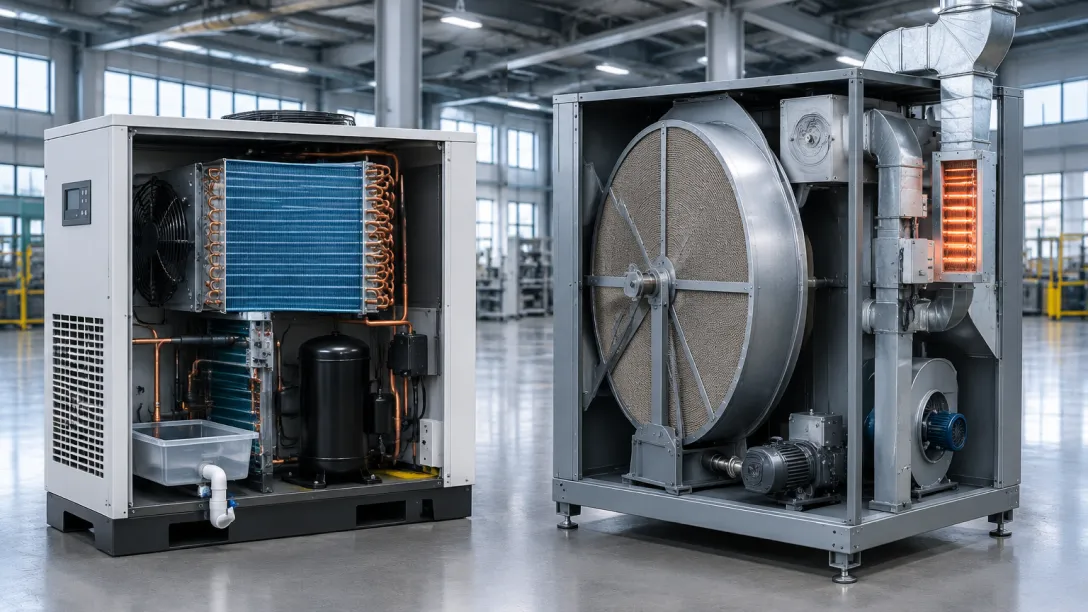
Selecting the appropriate moisture extraction technology is critical for shipyard operations. Facility managers often attempt to use standard refrigerant-based air conditioning units to dry the air. These systems operate by chilling the air below its dew point to force condensation. However, they suffer massive performance drop-offs in low-temperature environments. During winter or early spring dry-docking, the ambient temperature is often already low. To extract moisture, a refrigerant coil must drop below freezing, causing the coils to rapidly encase in ice, choking off airflow and rendering the unit useless.
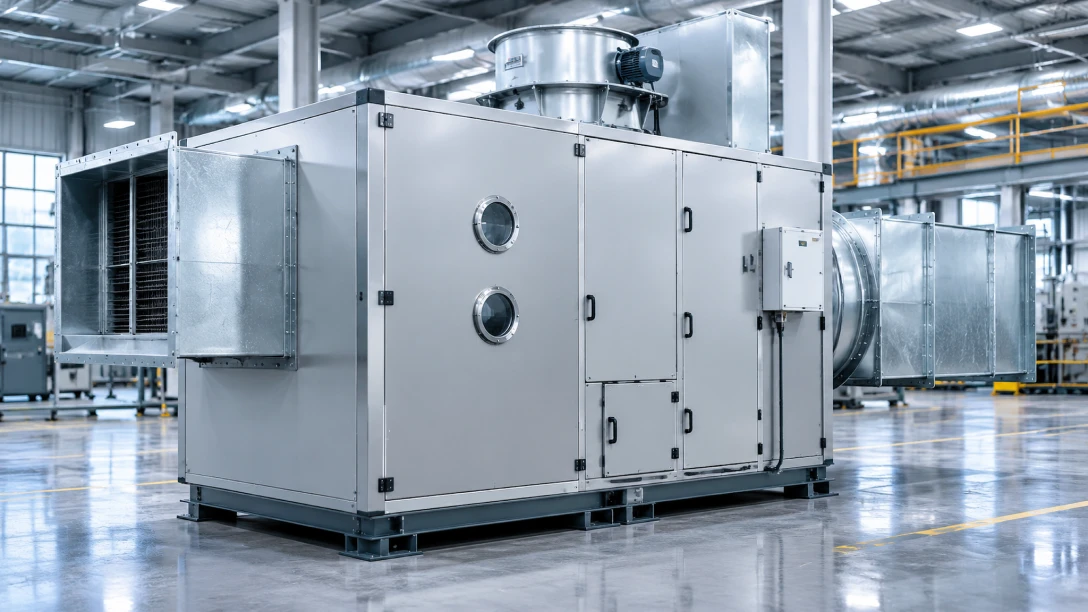
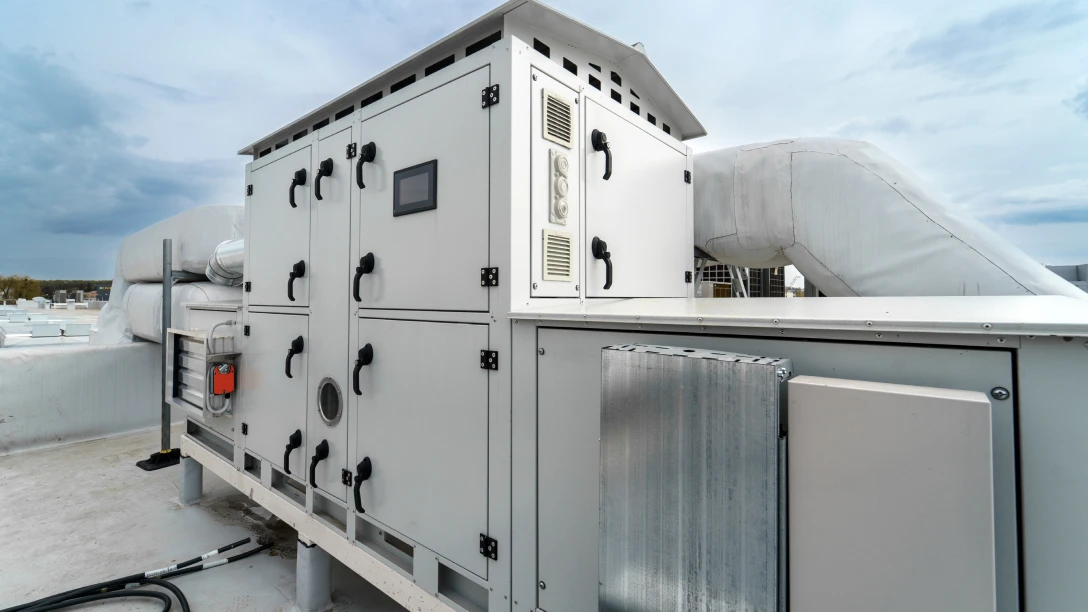
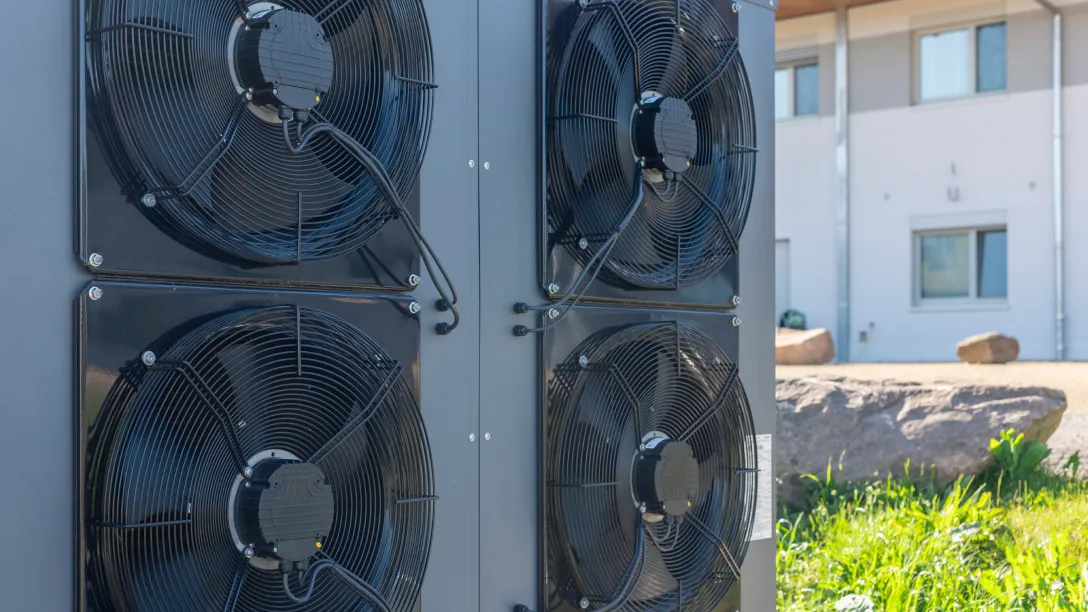
Marine environments require chemical adsorption. A high-capacity rotary desiccant dehumidifier utilizes a slowly rotating silica gel wheel to chemically strip water vapor from the airstream. This process relies on vapor pressure differentials rather than thermal condensation. Consequently, desiccant technology operates with extreme efficiency regardless of the ambient temperature, capable of delivering sub-zero dew point air even in freezing shipyard conditions. This technological distinction is what allows shipyards to operate continuously year-round, decoupling their production schedules from seasonal weather constraints.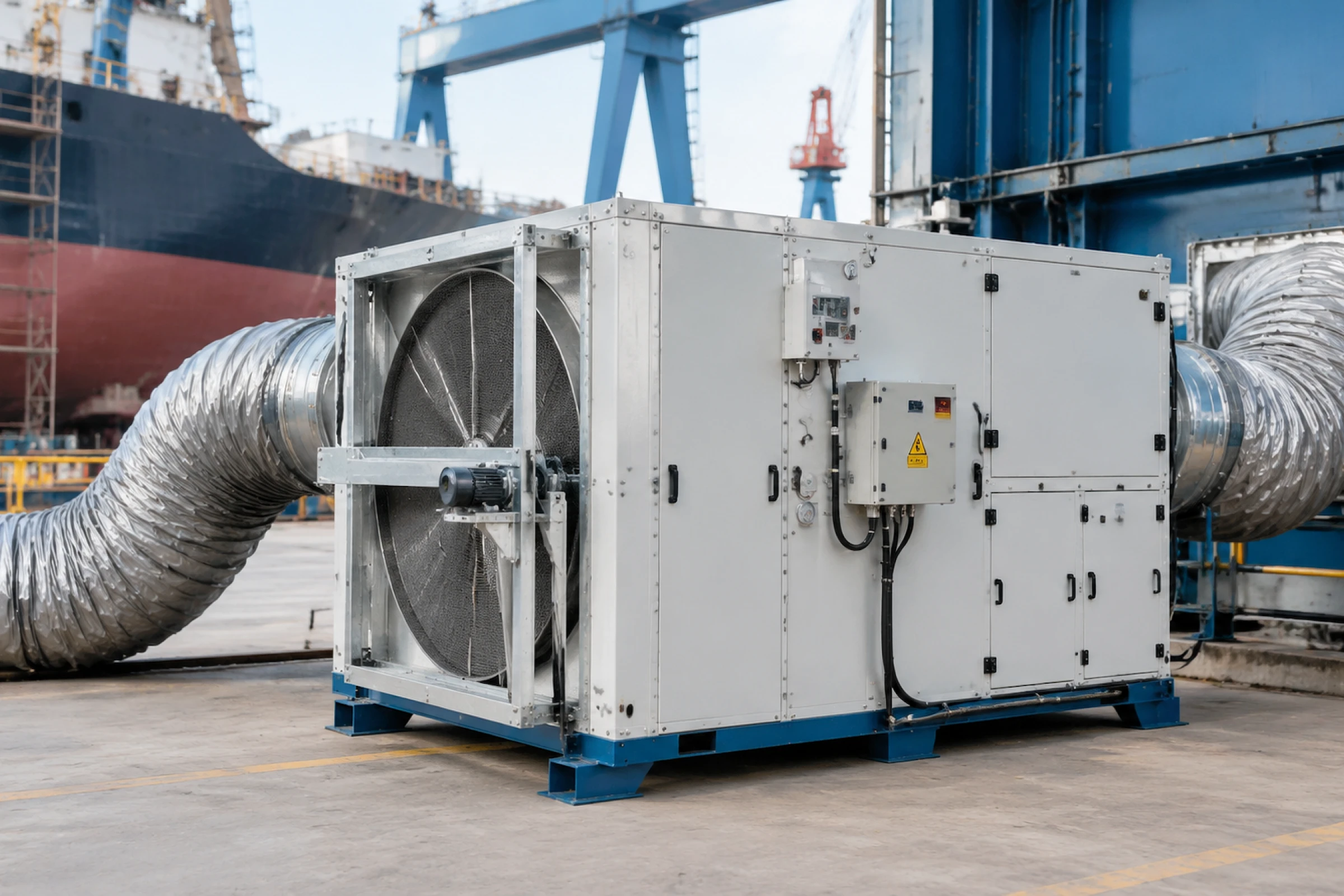
Enclosure Microclimates for Superstructure Coating
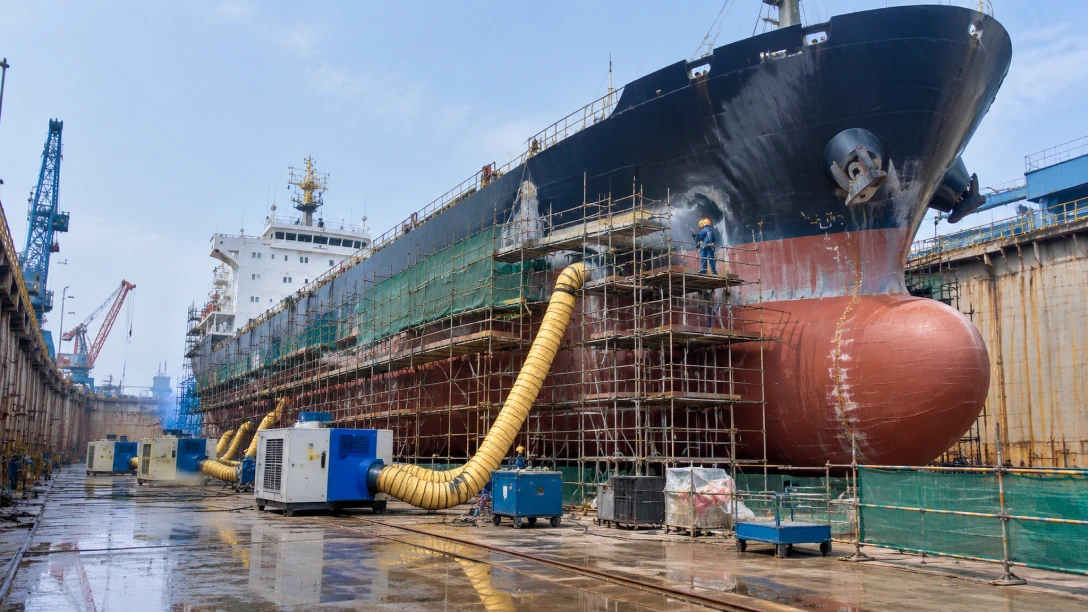
Coating the exterior superstructure of a vessel presents a different set of logistical variables. The sheer size of the hull prohibits enclosing the entire ship in a permanent structure. Shipyards construct temporary containment habitats using heavy-duty shrink-wrap or scaffolding tarpaulins. These enclosures serve a dual purpose: containing hazardous blasting abrasives and providing a defined volume of air to condition.
Once the enclosure is sealed, engineers connect large-diameter flexible ducting from external heavy-duty climate units to pump ultra-dry air into the containment zone. This creates a slightly positively pressurized microclimate. The positive pressure ensures that any leaks in the containment structure result in dry air escaping, rather than wet coastal air infiltrating. Utilizing a heavy-duty dehumidifier designed for the physical abuse of a dry-dock guarantees that the massive volume of air within the superstructure enclosure is recycled and maintained at the required specification, allowing blasting crews to hold a white-metal finish for days at a time.
Financial Implications of Coating Failures and Dry-Dock Delays
The economics of shipyard operations are heavily penalized by schedule overruns. Marine vessels, whether commercial freighters, offshore rigs, or military assets, represent massive capital investments that only generate revenue when deployed. Dry-dock contracts include severe financial penalties for delayed undocking. If a coating inspector identifies flash rust or non-compliant environmental conditions, the shipyard is forced to halt operations, re-blast the affected steel, and re-apply the coating.
This rework consumes expensive blasting media, wastes high-value marine coatings, and burns critical man-hours. More importantly, it extends the vessel's time in dry-dock, triggering penalty clauses. Proactively engineering the microclimate is a low-cost insurance policy against catastrophic schedule delays. By ensuring the substrate is permanently protected from atmospheric moisture, shipyard managers guarantee continuous, uninterrupted workflow from the initial blast profile to the final topcoat application.
Implement Industrial Shipyard Climate Engineering
Managing the psychrometric variables in marine construction eliminates weather-related delays and ensures the multi-decade lifespan of vessel coatings. Deploying active chemical adsorption guarantees compliance with ISO 8502-4 standards across all confined spaces and exterior enclosures. For precise equipment sizing, airflow calculations, and the integration of ruggedized desiccant systems into your dry-dock operations, consult our engineering team to secure your coating specifications.
Frequently Asked Questions
Why does steel flash rust immediately after abrasive blasting?
Abrasive blasting removes existing oxidation and mill scale, exposing the raw, highly reactive molecular lattice of the steel. Because the physical profile (anchor pattern) increases the total surface area, this bare steel will instantly react with any microscopic water vapor in the air, creating an electrolytic cell that initiates immediate iron oxidation, known as flash rust.
What is the ISO 8502-4 dew point standard in marine coatings?
ISO 8502-4 is an international standard mandating that the surface temperature of the steel substrate must remain at least 3°C (5°F) above the ambient dew point of the surrounding air. This strict differential physically prevents moisture from condensing on the bare steel during the blasting, coating, and curing phases.
Why do standard refrigerant dehumidifiers fail in winter shipyard conditions?
Refrigerant systems extract moisture by chilling air until water condenses on cold coils. In cold shipyard environments, the air is already at low temperatures. To extract further moisture, the machine's coils must drop below freezing. This causes the extracted moisture to immediately turn to solid ice, blocking airflow and halting the dehumidification process.
How do desiccant dehumidifiers maintain dry conditions in ballast tanks?
Desiccant units pump large volumes of ultra-dry air through flexible ducting directly into confined spaces like ballast tanks. This continuous purge forces out damp, stagnant air and respiratory moisture from workers, artificially depressing the dew point within the tank and accelerating the volatilization of coating solvents.
What are the consequences of applying marine epoxy over flash rust?
Painting over flash rust traps an unstable layer of iron oxide between the steel and the epoxy coating. In a marine environment, moisture will eventually permeate the coating. The trapped oxide acts as a failure point, leading to osmotic blistering, massive coating delamination, and rapid structural corrosion of the hull.
How do temporary enclosures assist in superstructure coating?
Shipyards build temporary shrink-wrap or tarpaulin enclosures around external structures to create a manageable air volume. By pumping dry air into this enclosure, engineers create a positively pressurized microclimate. This positive pressure blocks ambient coastal humidity from entering, allowing blasting crews to maintain a pristine steel profile for multiple days without degradation.