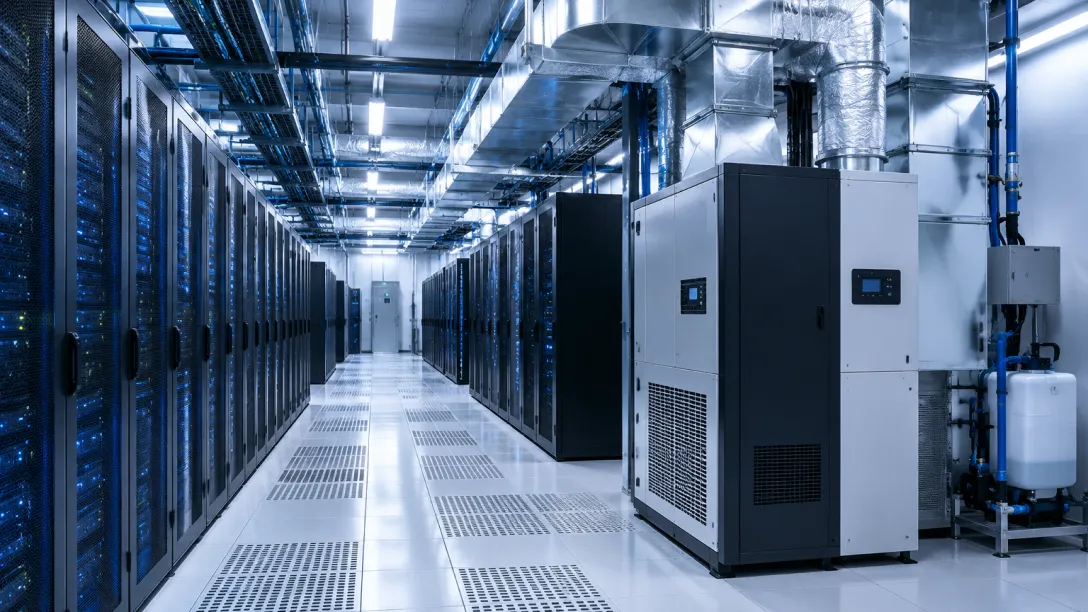
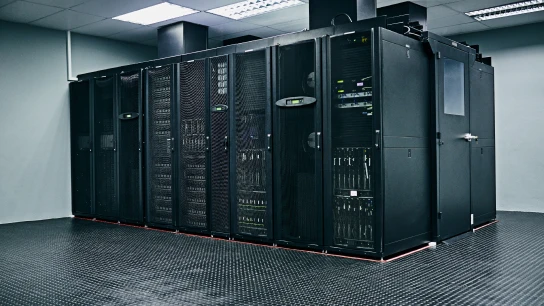
Modern hyperscale data centers and enterprise colocation facilities function as the physical backbone of the global digital economy. Within these mission-critical environments, hardware reliability is synonymous with uninterrupted revenue generation. While the sensible heat loads generated by high-density server racks dominate facility engineering discussions, the management of latent heat—specifically, atmospheric humidity—remains a highly complex and often mismanaged variable. Operating outside of strict psychrometric parameters exposes IT infrastructure to two distinct, catastrophic failure modes: Electrostatic Discharge (ESD) in ultra-dry conditions, and Conductive Anodic Filament (CAF) growth or condensation in high-humidity environments.
As processor architectures shrink to sub-nanometer nodes and rack power densities exceed 30 kilowatts, the thermal tolerance of IT equipment narrows significantly. Standard commercial air conditioning systems lack the precision required to maintain the rigorous environmental envelopes mandated by bodies such as the American Society of Heating, Refrigerating and Air-Conditioning Engineers (ASHRAE). This technical paper examines the thermodynamics of server room microclimates, the physics of humidity-induced hardware failure, and the implementation of precision computer room air conditioning (CRAC) and humidification systems required to guarantee zero-downtime operations.
The ASHRAE TC 9.9 Psychrometric Envelope
Facility engineers rely on the guidelines established by ASHRAE Technical Committee 9.9 (TC 9.9) to dictate data center environmental parameters. The standard defines both "Recommended" and "Allowable" psychrometric envelopes. The Recommended envelope for Class A1 to A4 data centers typically restricts relative humidity (RH) to a tight band, often targeting a lower limit dew point of 5.5°C (41.9°F) and an upper limit of 60% RH or a 15°C (59°F) dew point.
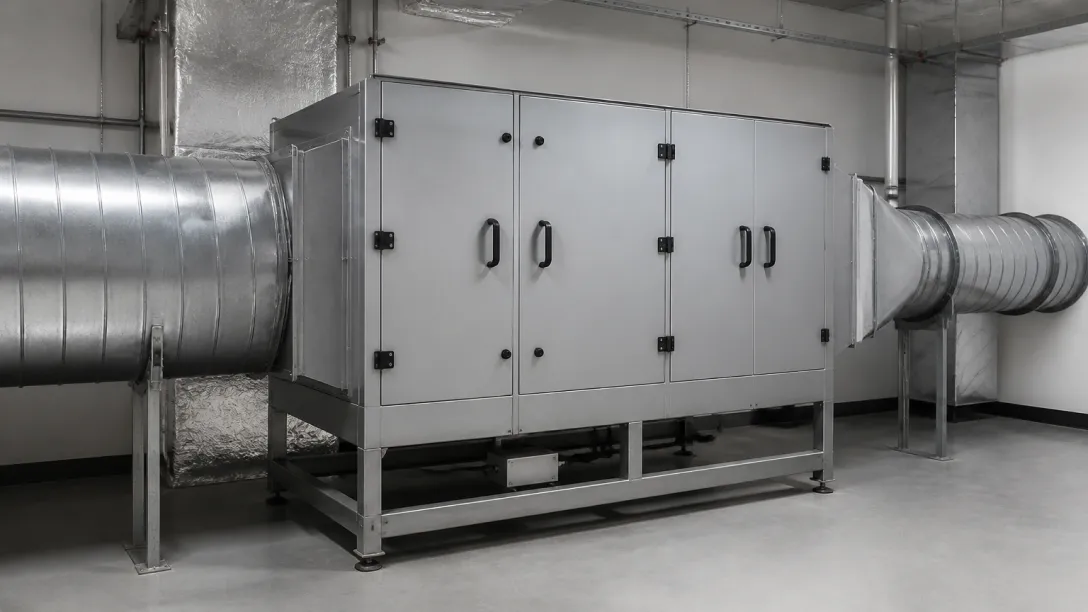
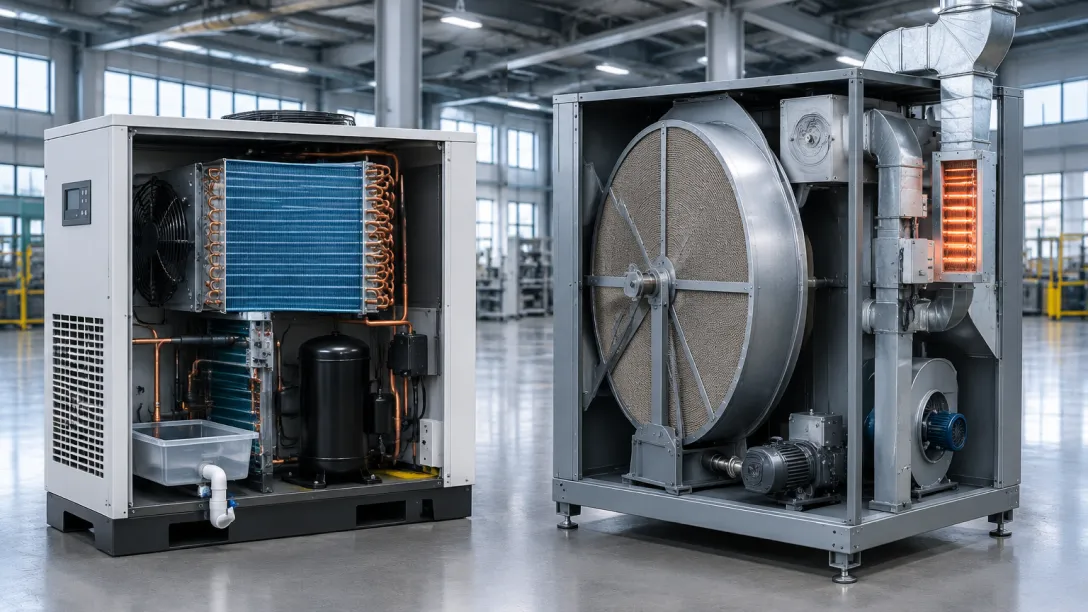
Maintaining this specific envelope is not merely a suggestion; it is a prerequisite for maintaining server warranties from major original equipment manufacturers (OEMs). Operating outside these limits accelerates metallurgical degradation and increases the probability of spontaneous component failure. Achieving this strict control requires constant, simultaneous management of both sensible cooling and latent moisture addition or extraction, a capability exclusively found in an industrial precision air conditioner designed specifically for constant temperature and humidity applications.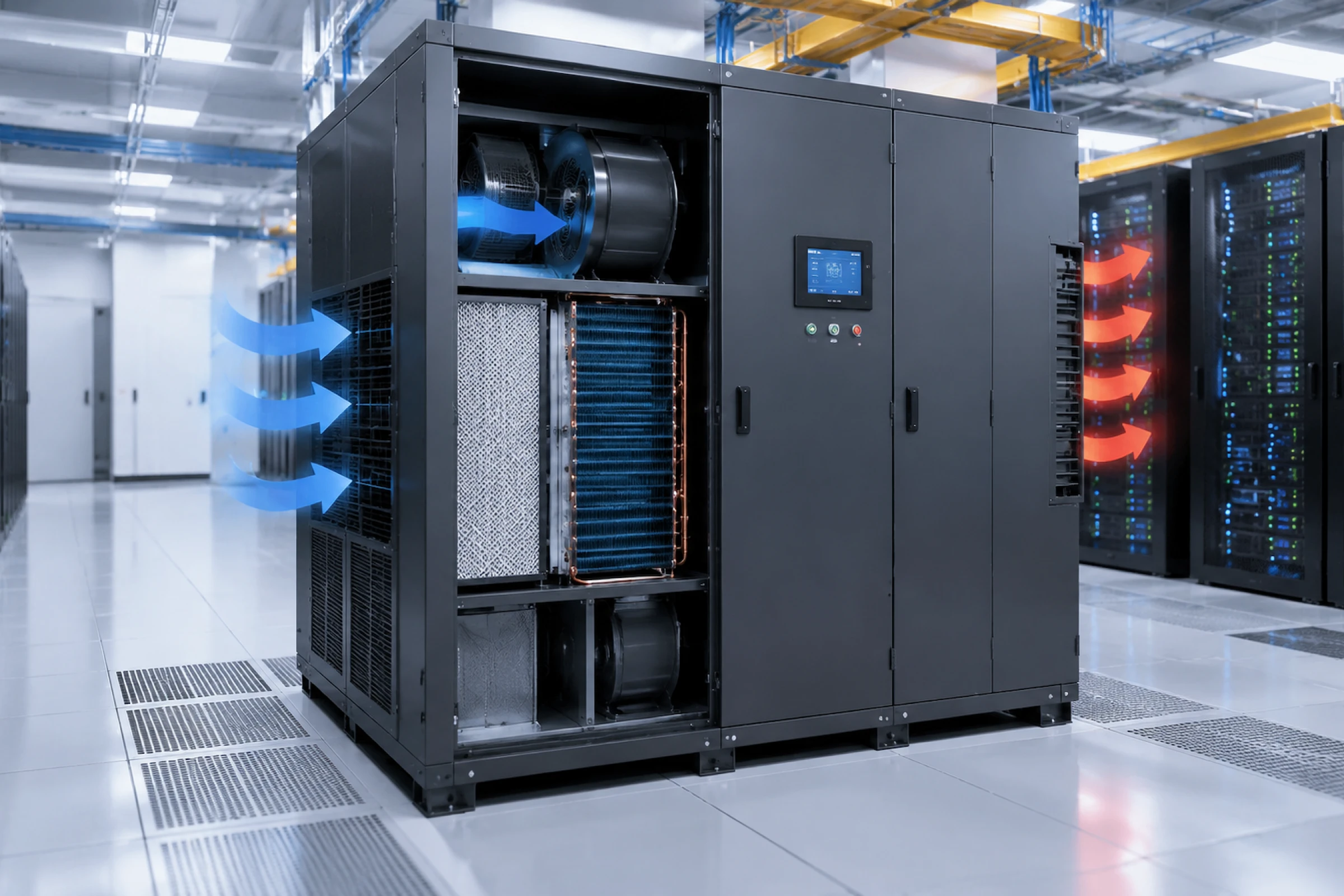
The Threat of Low Humidity: Triboelectric Charging and ESD
When the absolute humidity in a server room drops below the ASHRAE minimum threshold, the air becomes highly insulative. This environment facilitates the rapid accumulation of static electricity through the triboelectric effect—the generation of a static charge via the friction of two dissimilar materials. In a data center, this occurs continuously as cooling air rushes past plastic server chassis, or as technicians walk across raised floor tiles.
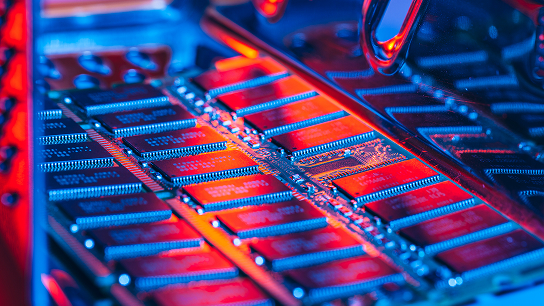
In adequately humidified environments, a microscopic layer of water molecules coats all surfaces, providing a conductive path for static charges to safely dissipate to the facility ground. In dry environments, this protective moisture layer evaporates. Consequently, personnel and equipment can accumulate static potentials exceeding 10,000 volts. When a technician touches a grounded server rack, or when a charged component comes into close proximity to a delicate semiconductor, a rapid dielectric breakdown occurs. This Electrostatic Discharge (ESD) event can instantly melt the microscopic silicon pathways within a CPU or memory module.
Furthermore, "latent ESD damage" is a widespread issue where the component is not destroyed entirely but is severely weakened, leading to unpredictable, intermittent server crashes weeks or months later. To neutralize triboelectric charging, facility managers integrate a commercial ultrasonic humidifier into the CRAC system. These units utilize high-frequency piezoelectric transducers to atomize water into a 1-to-5 micron cold mist. This mist is rapidly absorbed by the airstream, elevating the ambient humidity to safe levels instantly without adding unwanted thermal energy (sensible heat) to the cooling cycle.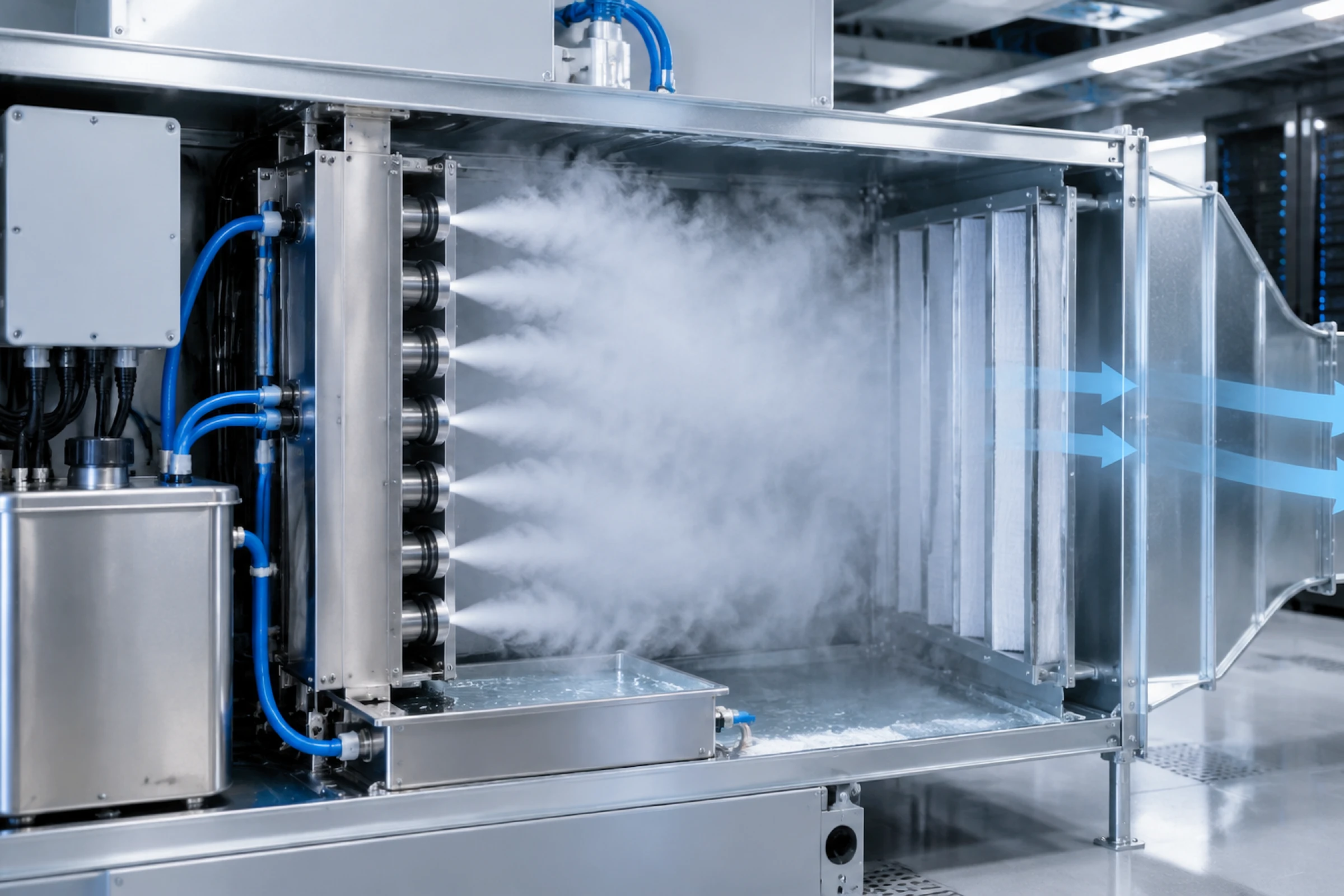
High Humidity Risks: Condensation, Zinc Whiskers, and CAF Growth
Conversely, excessive moisture presents an equally destructive threat matrix. If the ambient dew point exceeds the temperature of the cooling surfaces—such as the chilled water piping under the raised floor or the metal casing of the server racks—micro-condensation occurs. Liquid water in a high-voltage environment immediately threatens catastrophic short circuits.
Beyond gross condensation, sustained high humidity triggers insidious electrochemical reactions at the printed circuit board (PCB) level. Dust particulates within data centers are often hygroscopic. When relative humidity exceeds 60%, these dust particles absorb moisture, reaching their deliquescence point and turning into conductive microscopic puddles across the motherboard. This electrolyte bridge facilitates Conductive Anodic Filament (CAF) growth, where copper ions migrate across the fiberglass substrate of the PCB, creating unintended circuits that corrupt data processing and trigger hardware failure.
Additionally, high humidity accelerates the growth of "zinc whiskers" on electroplated floor tiles and structural supports. These microscopic, highly conductive metal filaments can break off, become airborne in the under-floor plenum, and get pulled directly into server chassis fans, causing massive internal short circuits. Managing this risk requires the continuous moisture extraction capabilities of a dedicated precision air conditioner constant temperature humidity unit, which monitors return air dew points and actively cycles its cooling coils to strip latent moisture before it reaches critical thresholds.
Free Cooling Economizers and Variable Moisture Loads
To reduce power usage effectiveness (PUE) metrics, modern hyperscale facilities extensively deploy air-side economizers, commonly known as "free cooling." This technique utilizes external ambient air to cool the data center when outside temperatures are sufficiently low, bypassing the energy-intensive mechanical chillers.
However, free cooling introduces massive, highly variable latent moisture loads into the facility. Pumping millions of cubic feet of winter air into a server room drastically plummets the internal humidity, causing an immediate ESD hazard. Conversely, using outside air during humid spring days can spike the internal moisture levels past the 60% RH limit. Facilities utilizing economizers must have incredibly robust, rapid-response humidification and dehumidification systems integrated directly into their air handling units to temper the incoming air in real-time, stripping excess moisture or atomizing water vapor before the air stream hits the IT payload.
Cold Aisle Containment and High-Density Spot Cooling
Data center layouts increasingly utilize hot aisle/cold aisle containment structures to physically separate chilled supply air from exhausted hot air, maximizing cooling efficiency. However, in localized areas where high-density compute clusters (such as AI training servers or blade chassis) are concentrated, the standard under-floor air delivery may fall short, creating dangerous thermal anomalies known as "hot spots."
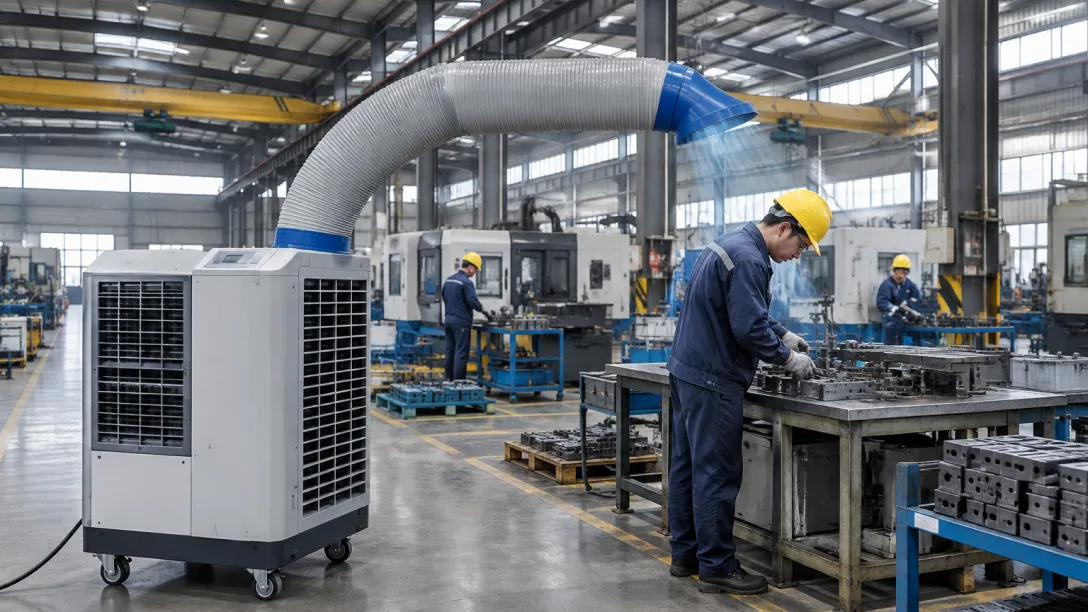
When a server rack exceeds its thermal threshold, internal logic boards automatically throttle processing speeds to prevent melting, causing severe network latency. To address isolated thermal loads without over-cooling the entire data hall—which risks dropping the overall room temperature below the dew point and causing condensation—engineers deploy an industrial spot cooler. These units provide localized, high-velocity sensible cooling directly to the face of the affected rack, resolving the thermal anomaly efficiently while maintaining the broader psychrometric balance of the containment aisle.
Implement Integrated IT Climate Engineering
Treating data center HVAC as standard commercial air conditioning guarantees hardware degradation. Securing IT infrastructure requires engineering a precise psychrometric envelope that balances high sensible heat removal with instantaneous latent moisture adjustment. By integrating ultrasonic humidification and precision CRAC technology, facility managers can eliminate ESD threats, prevent electrochemical corrosion, and maximize their infrastructure lifecycle. For advanced load calculations, containment psychrometrics, and equipment specification, consult our specialized climate engineering team.
Frequently Asked Questions
What are the ASHRAE Recommended environmental guidelines for data centers?
ASHRAE Technical Committee 9.9 sets strict environmental parameters for IT equipment. For most enterprise facilities, the recommended envelope targets a temperature range of 18°C to 27°C (64.4°F to 80.6°F) and dictates a strict dew point control, typically requiring a lower limit dew point of 5.5°C and an upper limit of 60% relative humidity or a 15°C dew point.
How does low humidity cause Electrostatic Discharge (ESD) in server rooms?
In dry air, surfaces lose their microscopic layer of moisture, which normally helps safely dissipate static electricity to the ground. Consequently, normal movements, such as walking across the floor or air rushing past server chassis, generate massive static charges through the triboelectric effect. When this accumulated voltage discharges into a sensitive microchip, it instantly destroys the semiconductor pathways.
What is Conductive Anodic Filament (CAF) growth?
CAF growth is an electrochemical failure mode in printed circuit boards caused by high humidity. When ambient moisture is high, hygroscopic dust on the motherboard absorbs water, creating an electrolyte. This allows copper ions to migrate across the board's substrate, forming microscopic conductive filaments that eventually cause short circuits between adjacent traces.
Why is commercial air conditioning unsuitable for data center cooling?
Standard commercial HVAC units are designed primarily for human comfort, meaning they remove a large amount of latent heat (moisture) along with sensible heat. Data centers generate almost entirely sensible heat (dry heat). Using commercial AC quickly strips too much moisture from the room, dropping humidity to dangerous ESD-prone levels. Precision CRAC units are engineered specifically for high sensible heat ratios.
How do ultrasonic humidifiers benefit data center operations?
Ultrasonic humidifiers use high-frequency vibrations to atomize water into an ultra-fine cold mist. Unlike isothermal (steam) humidifiers, ultrasonic units do not introduce boiling water or thermal energy into the data center. This allows facility managers to rapidly increase ambient humidity to prevent ESD without simultaneously increasing the cooling load on the air conditioning system.
What are the psychrometric risks of using free cooling (economizers)?
Free cooling saves energy by bringing outside air into the data center. However, outside air carries the ambient weather's moisture load. Pumping in sub-zero winter air will instantly dry out the server room, while damp spring air can cause condensation. Facilities using economizers must have heavy-duty, rapid-response humidification and dehumidification systems to instantly condition the make-up air before it reaches the servers.