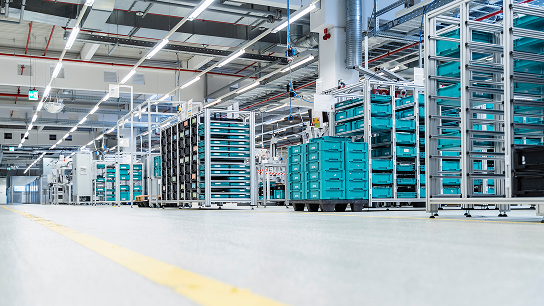
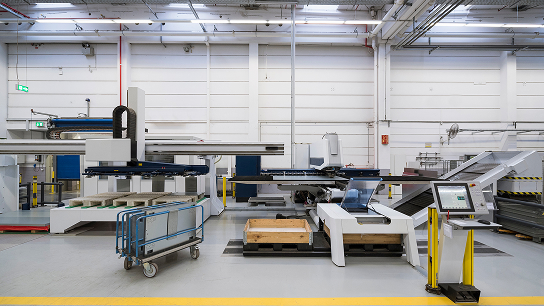
Most industrial buildings were never designed to be cooled. High rooflines, open dock doors, and heat-generating process equipment make whole-building air conditioning impractical in warehouses, fabrication shops, and production halls. Yet the heat problem is real: summer interior temperatures above 35°C are common, heat stress incidents rise with them, and temperature-sensitive equipment and processes fail at the margins. The engineering answer in most of these facilities is targeted spot cooling rather than conditioning the entire volume.
This guide covers the mechanism behind workplace heat stress, the economics of cooling people and processes instead of buildings, equipment selection, and the installation details that determine whether a spot cooling system performs to its rating. It reflects the conditions our engineers encounter when specifying factory portable air conditioners and spot cooling systems for industrial clients.
Why Heat Becomes a Production Problem
Heat stress is a measurable physiological load, not a comfort complaint. As the wet-bulb globe temperature of a workspace climbs, the body diverts blood flow to the skin and sweat evaporation becomes the primary cooling mechanism. NIOSH publishes recommended exposure limits that tie allowable work time directly to WBGT, and work-rest cycles become mandatory once thresholds are crossed. The consequences show up in production data well before they show up in incident reports: error rates, rework, and accident frequency all climb with sustained heat exposure, and output per labor hour falls through the afternoon peak.
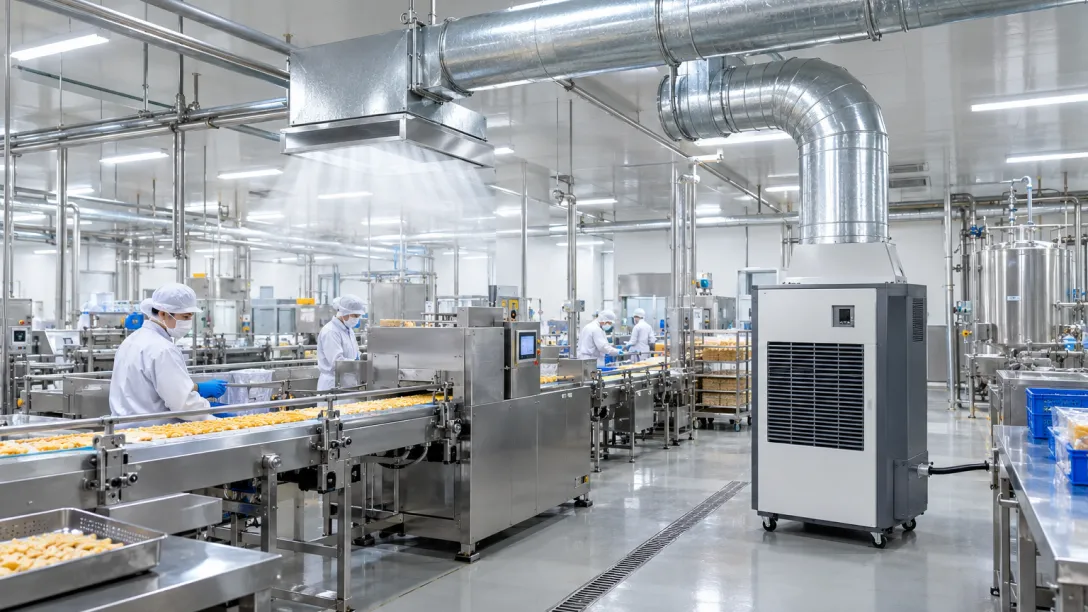
Equipment and processes fail on their own schedules. Variable frequency drives, motor starters, and control electronics derate or trip on overtemperature, typically in the hottest hours of the hottest weeks. Adhesives, coatings, and food products drift out of specification. Compressed air systems lose capacity as intake temperatures rise. These failures concentrate in small zones: the welding cell, the control cabinet row, the packaging line. That concentration is exactly what makes spot cooling effective.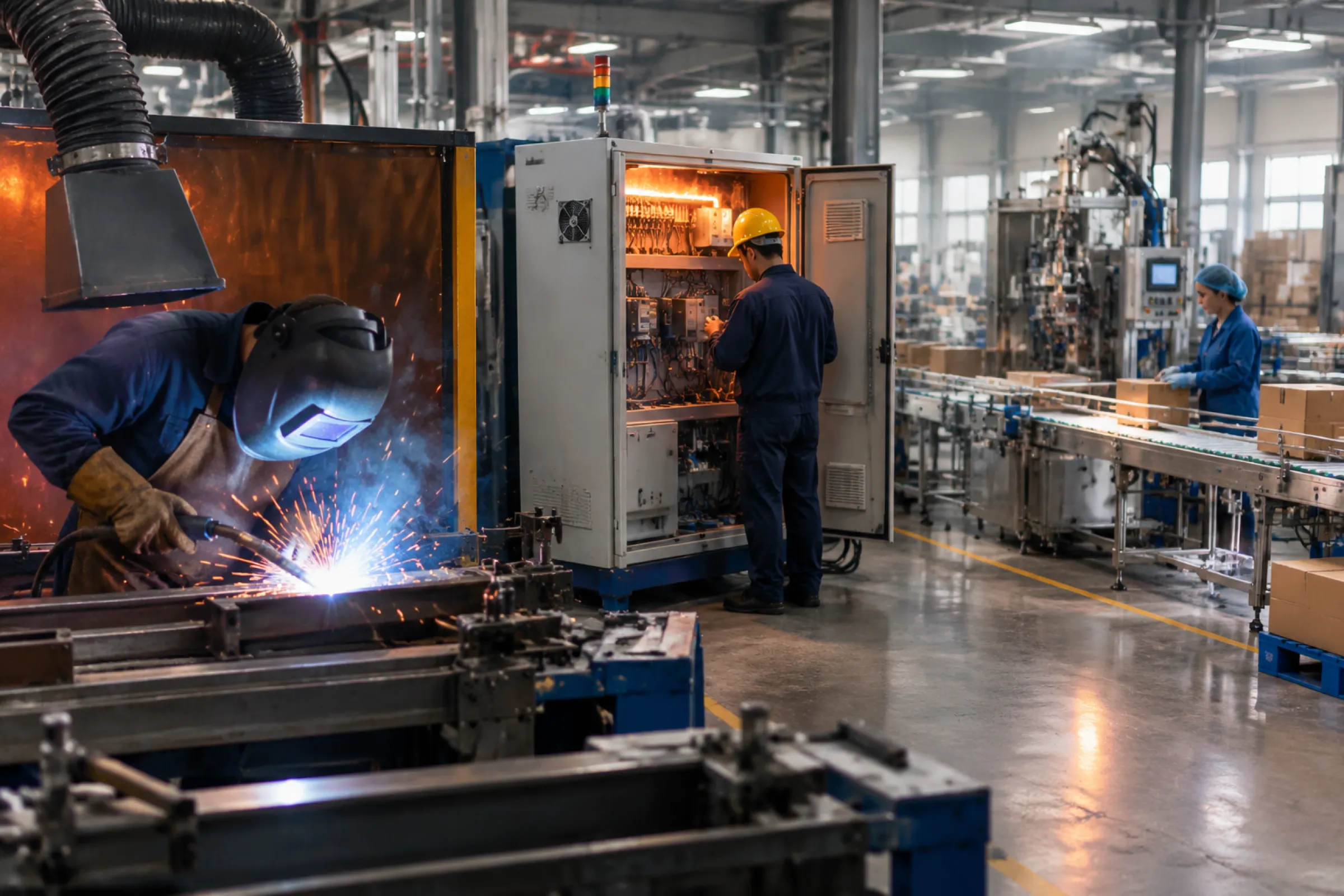
The Economics of Cooling 5 Percent of the Building
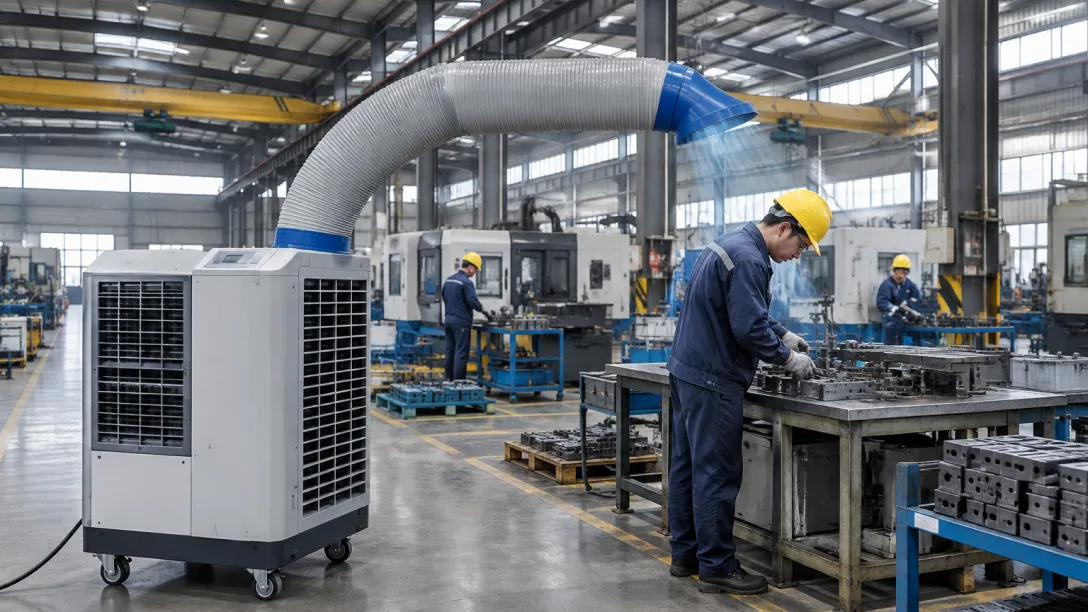
Conditioning an entire 10,000 square meter warehouse to 26°C is a multi-megawatt refrigeration problem with matching capital and energy costs, and the investment buys comfort in vast unoccupied volumes of air. Spot cooling inverts the calculation. Occupied workstations, quality control areas, and heat-sensitive equipment typically occupy 5% to 10% of the floor area. Delivering conditioned air directly to those zones, through a industrial spot cooler positioned at the point of need, achieves the working condition at a small fraction of the whole-building cost.
The same logic applies to buildings with no practical cooling option at all. Facilities with open bays, rented space, or temporary operations cannot justify fixed HVAC infrastructure. Portable units move with the production layout, and capacity follows headcount rather than building volume. For logistics operations, our warehouse portable air conditioner guidance covers the specific layout issues in racked storage environments.
Spot Cooling Within a Heat Stress Management Program
Engineering controls sit at the top of the heat stress hierarchy, ahead of administrative measures, because they remove the hazard rather than schedule around it. ACGIH threshold limit values and NIOSH criteria both frame heat management as a combination of environmental control, work-rest cycles, acclimatization, and hydration. Spot cooling addresses the environmental term directly. A cooled workstation or a cooled rest area changes the WBGT exposure calculation for the entire shift: recovery in a conditioned zone restores the work capacity that hot ambient conditions consume, and work-rest schedules designed around cooled recovery areas allow longer effective work periods within the same exposure limits.
New and returning workers deserve specific attention in this calculation. Heat acclimatization takes one to two weeks of graduated exposure, and most serious heat illness incidents involve workers in their first days on a hot job. Cooled rest areas and targeted workstation cooling provide the margin that protects crews through the acclimatization period and through heat waves that exceed the design assumptions of the building.
Equipment Types and Selection
Refrigerated Spot Coolers
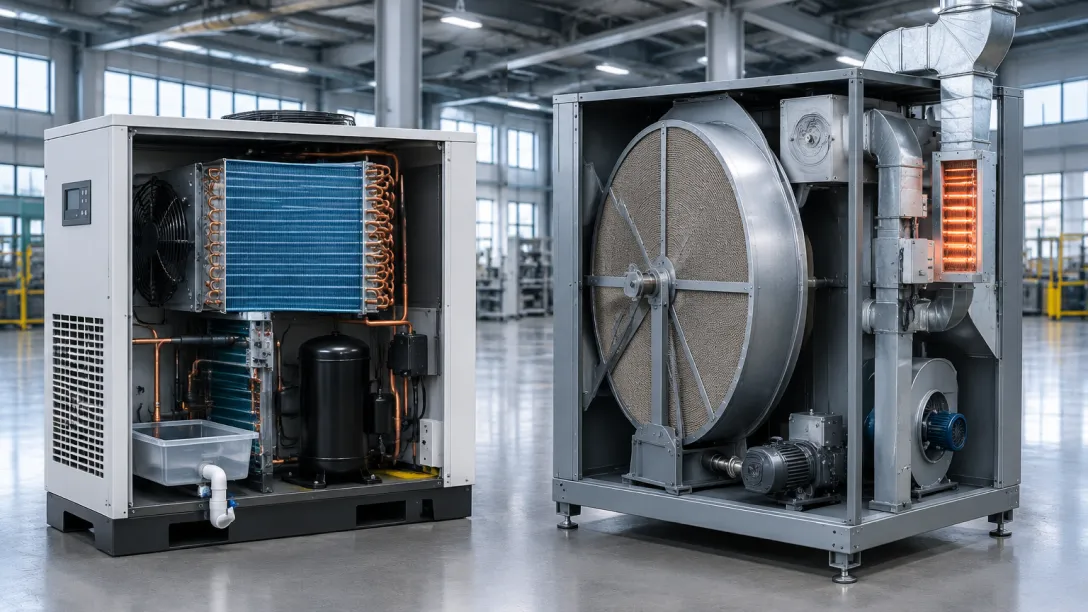
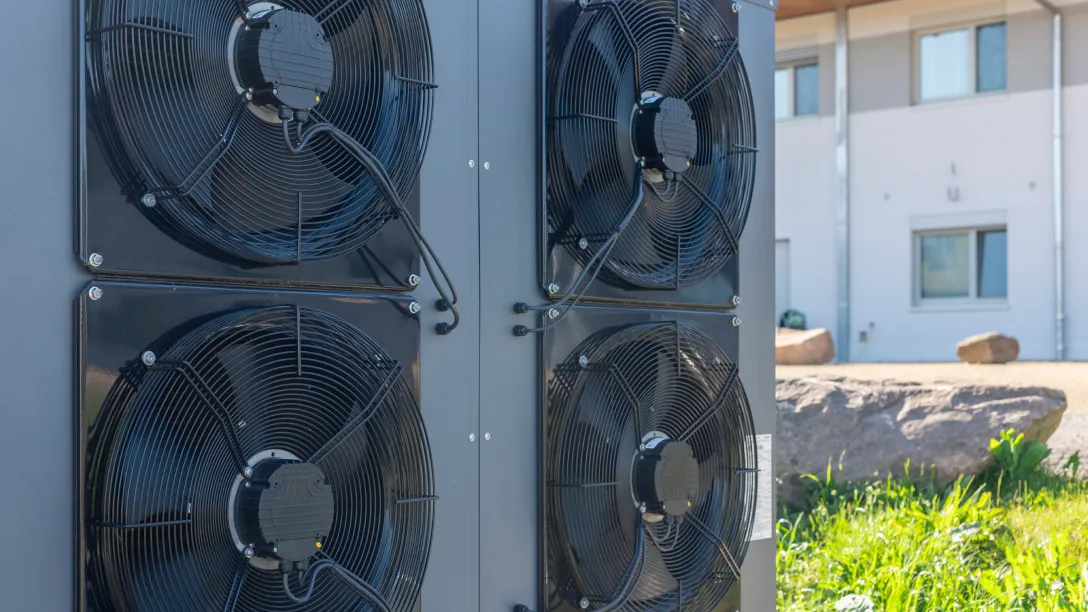
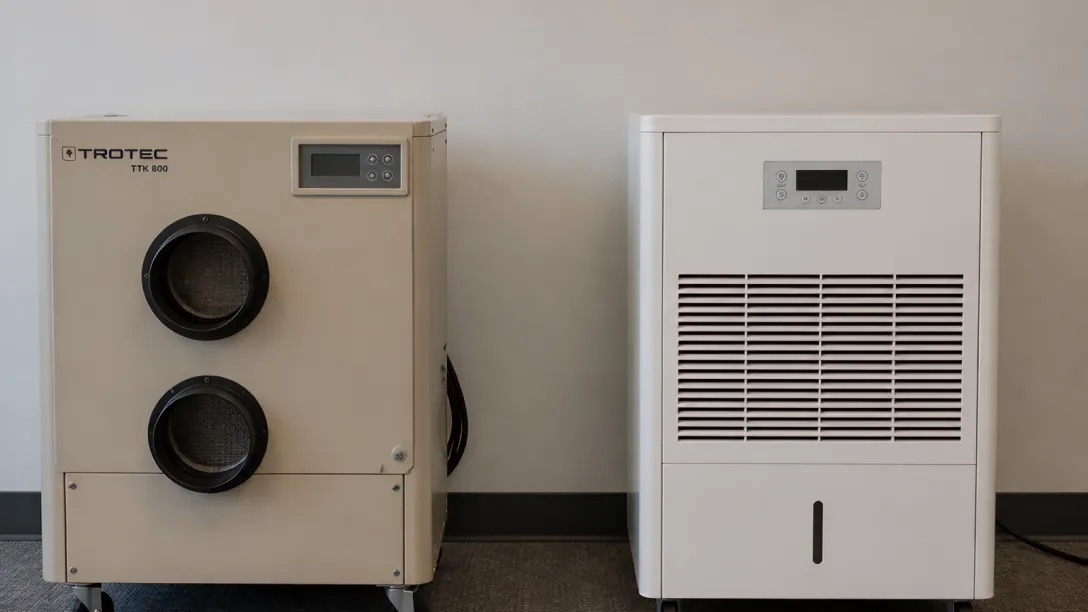
A refrigerated spot cooler is a self-contained air conditioner on casters: a compressor, evaporator, and condenser in one cabinet, discharging cool air through adjustable nozzles or a duct and rejecting heat through a separate hot air exhaust. The exhaust duct is the defining installation requirement. Hot condenser air must leave the cooled zone, through a ceiling tile, window panel, wall port, or existing ventilation opening, or the unit simply moves heat around the room and adds its own compressor heat to the space. Net cooling capacity, after exhaust losses and duct gains, is the figure that matters in selection, not the nominal nameplate.
Electrical supply is the second selection filter. Units in the 3 to 7 kW cooling range typically run on single-phase power and suit offices, server closets, and light workstations. Units from 10 kW upward move to three-phase supplies and deliver the capacity needed for production cells and multi-person workstations.
Evaporative Coolers
Evaporative units cool air through water evaporation rather than refrigeration, consuming a fraction of the electrical power and requiring no exhaust duct. The limitation is physics: cooling capacity depends on how dry the ambient air is. In arid climates, evaporative cooling delivers large temperature drops at very low operating cost. In humid climates, the achievable drop shrinks to a few degrees, and the added humidity works against sweat evaporation, the mechanism workers depend on. Evaporative units also add continuous moisture to the space, which matters where corrosion or product humidity limits apply.
Fixed Industrial Air Conditioners
Where a zone is permanent, such as an electrical room, control enclosure row, or enclosed operator cabin, a fixed industrial air conditioner replaces portable equipment with hard-ducted distribution and higher duty ratings. Fixed systems tolerate the dust, vibration, and ambient temperatures of mill and foundry environments that shorten the life of commercial-grade portables.
Sizing the Installation
Spot cooling capacity is sized from the heat load at the zone, not the building. The load calculation aggregates people, process equipment, lighting, solar gain through roof and walls above the zone, and any hot product or vessels radiating into the workspace. As a working reference, each worker under moderate physical load adds roughly 400 to 500 watts of sensible and latent heat, and a welding or heat-treat station can add several kilowatts in a few square meters.
Two sizing errors recur in the field. The first is selecting on nameplate capacity without subtracting the penalty from long or poorly insulated exhaust ducts, which can consume 10% to 15% of net cooling in hot ceiling voids. The second is undercounting the number of zones: a facility that needs eight cooled workstations and buys three units rotates the same heat stress problem between crews rather than solving it.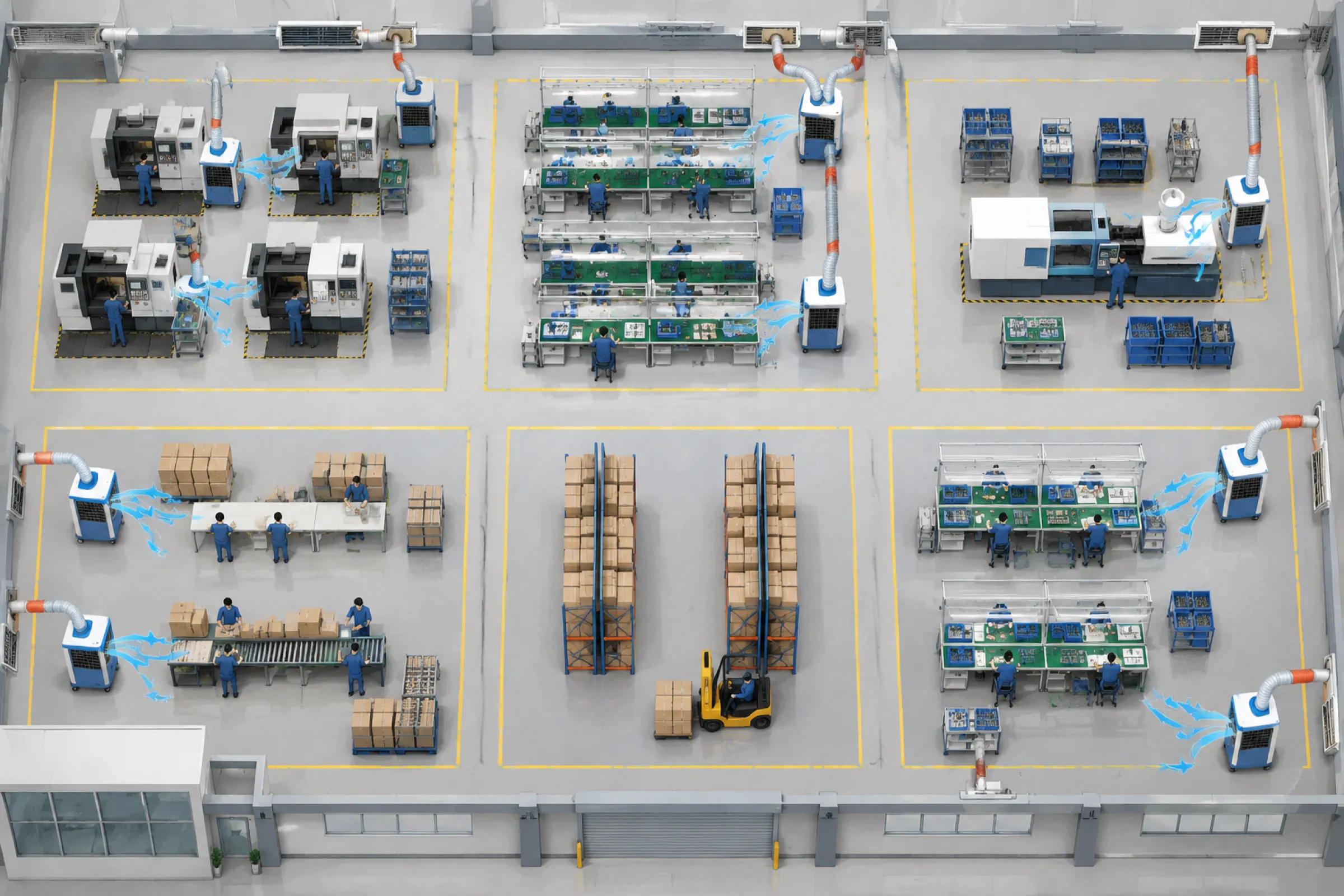
Deployment Patterns That Work
Successful spot cooling installations share a set of practices. Cool air discharge is aimed at the worker zone from close range, typically two to four meters, because cold air thrown across open space mixes and dissipates before it arrives. Units are positioned so the hot exhaust duct runs are short and vertical where possible. In multi-unit layouts, supply streams are arranged to avoid short-circuiting one unit's discharge into another's intake. For outdoor and semi-outdoor applications such as event structures, the placement and ducting logic differs, and our guidance on tent and event portable air conditioners covers those layouts in detail.
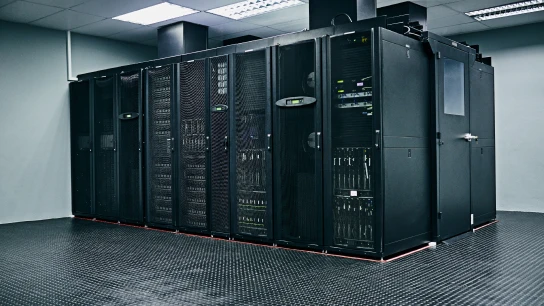
Enclosed heat-sensitive spaces follow a stricter pattern. Server and telecom rooms within unconditioned industrial buildings need dedicated, continuously rated cooling with condensate management and alarm outputs, as covered on our server room spot cooler page.
Getting a Sized Proposal
A correct spot cooling specification starts with the zone list: which workstations, processes, and enclosures need conditioning, at what target temperature, with what heat load. From there, the selection balances refrigerated capacity against available electrical supply, exhaust routing, and mobility requirements. Send your floor plan, zone list, and available power details through the contact page, and our engineers will return a sized equipment schedule with net capacity figures at your actual installation conditions.