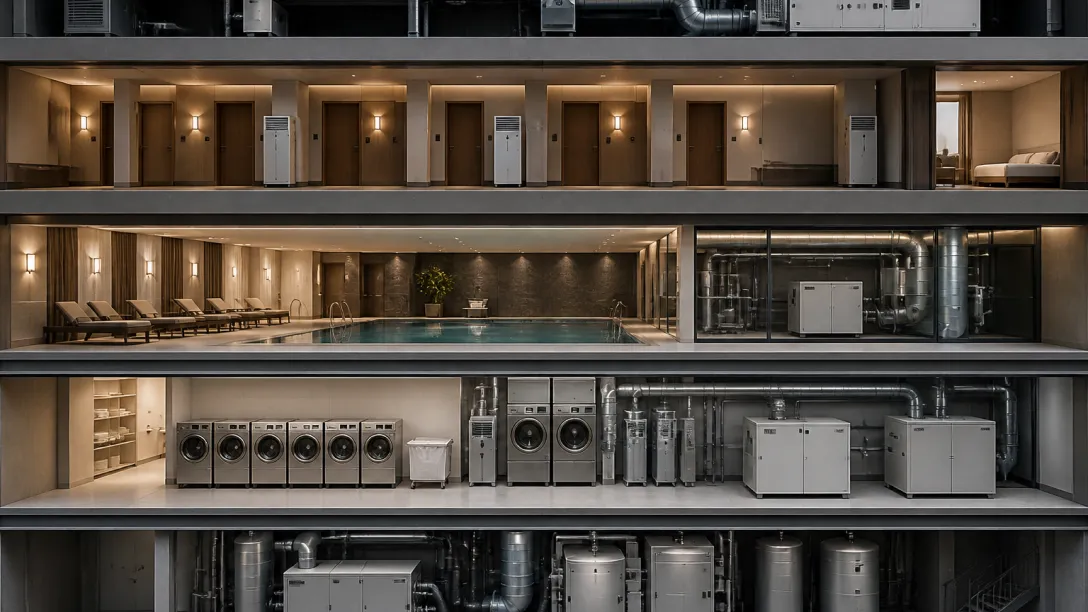
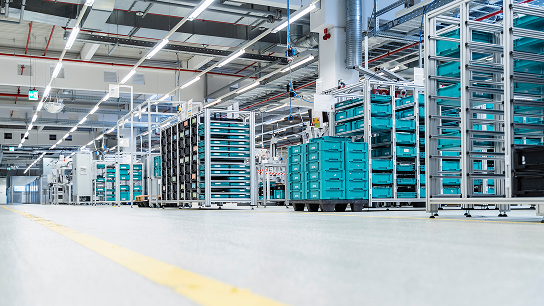
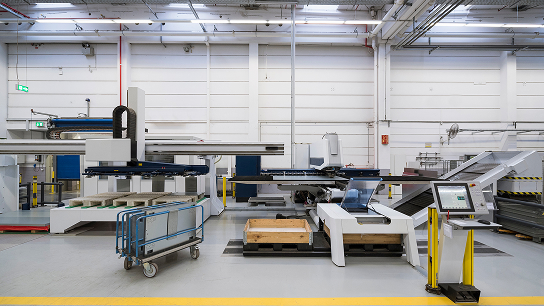
Hotels generate moisture around the clock. Every occupied room adds shower steam and occupant respiration to the building load, while pools, spas, laundries, and kitchens push far larger volumes of water vapor into the back-of-house and amenity areas. When that moisture migrates into corridors, wall cavities, and guest rooms held at cooling setpoints, it condenses. The visible results are mold on vinyl wall coverings, musty odors that guests mention by name in reviews, and swelling in case goods and millwork. The invisible result is a compounding maintenance bill.
This guide covers where hotel moisture loads come from, what uncontrolled humidity costs in revenue and asset life, the target conditions by building zone, and the dehumidification engineering that holds those conditions year-round. It reflects the conditions our engineers encounter when specifying hotel dehumidifier systems for full-service properties, resorts, and extended-stay facilities.
Where the Moisture Load Comes From
Guest rooms are the most distributed source. Each occupied room behaves like a small, continuous humidifier that operates on the guest's schedule rather than the engineering team's. A single occupied room releases several kilograms of water per day through showers, respiration, and laundering of linens in-room. Bathroom exhaust fans are supposed to capture shower moisture at the source, but fan performance degrades with lint and years of service, and makeup air paths under doors pull humid bathroom air into the room and then into the corridor. Multiply a degraded exhaust system across two or three hundred rooms and the corridor becomes the collection point for the property's moisture.
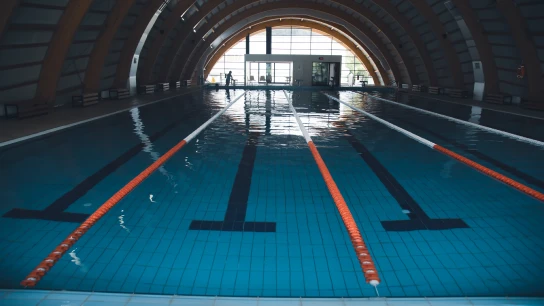
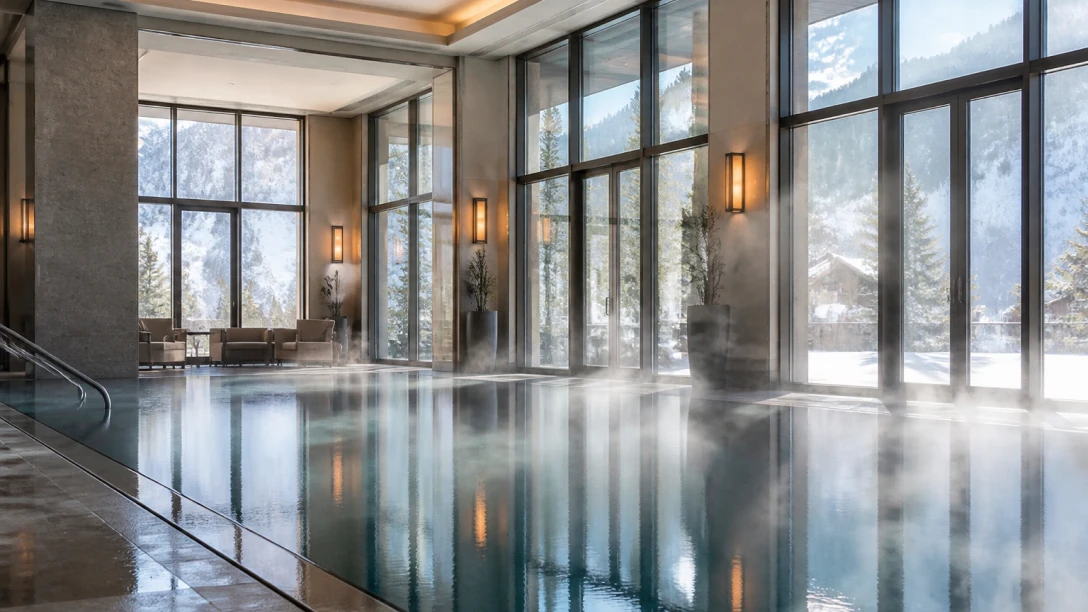
The amenity and back-of-house zones carry concentrated loads that dwarf the room-level sources. An indoor pool or spa evaporates water continuously at a rate driven by water temperature, air velocity across the surface, and room dew point. Commercial laundries release moisture from washers and dryers even with functional venting. Kitchens add steam from cooking and dishwashing. Each of these zones borders conditioned corridors and guest areas, and without pressure control the humid air travels toward the coldest surfaces it can find.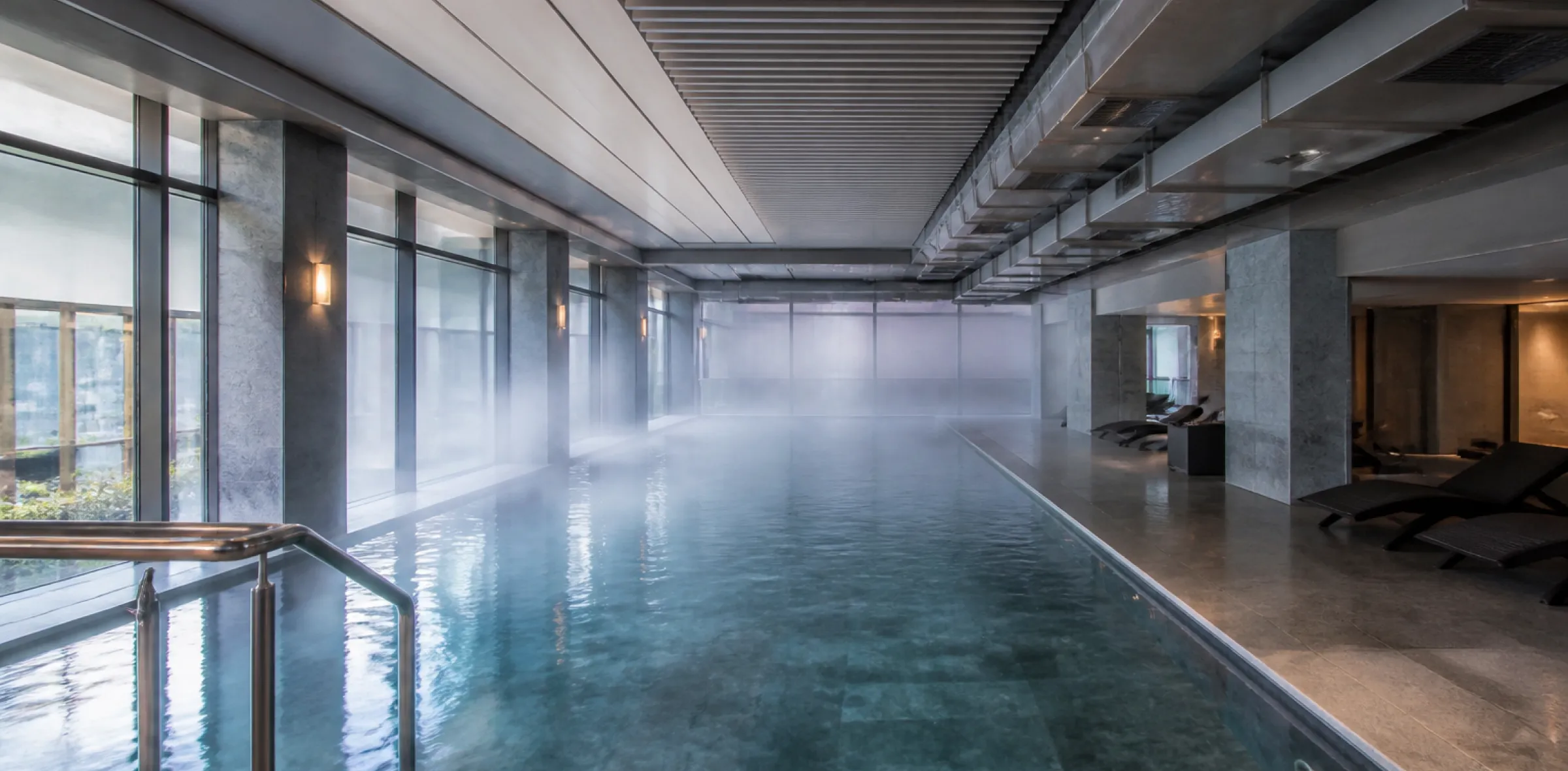
What Uncontrolled Humidity Costs a Property
Guest Experience and Revenue
Humidity problems surface first as complaints: a musty smell at the room entry, clammy bedding, condensation on windows during cooling season. Odor complaints concentrate in reviews and are difficult to answer, because the underlying cause sits in the wall assembly rather than in housekeeping. Rooms taken out of order for mold remediation lose their full revenue contribution for the duration of the work, and remediation in occupied buildings costs a multiple of the same work done during construction.
Asset Deterioration
Sustained humidity above 60% RH attacks the physical plant. Vinyl wall covering delaminates as mold grows behind it on the gypsum surface, a failure pattern well documented in hospitality construction litigation. Wood case goods swell and drawers bind. Corrosion accelerates on HVAC components, door hardware, and balcony structures in coastal properties. FF&E replacement cycles shorten, and the capital reserve absorbs costs that were budgeted as routine wear.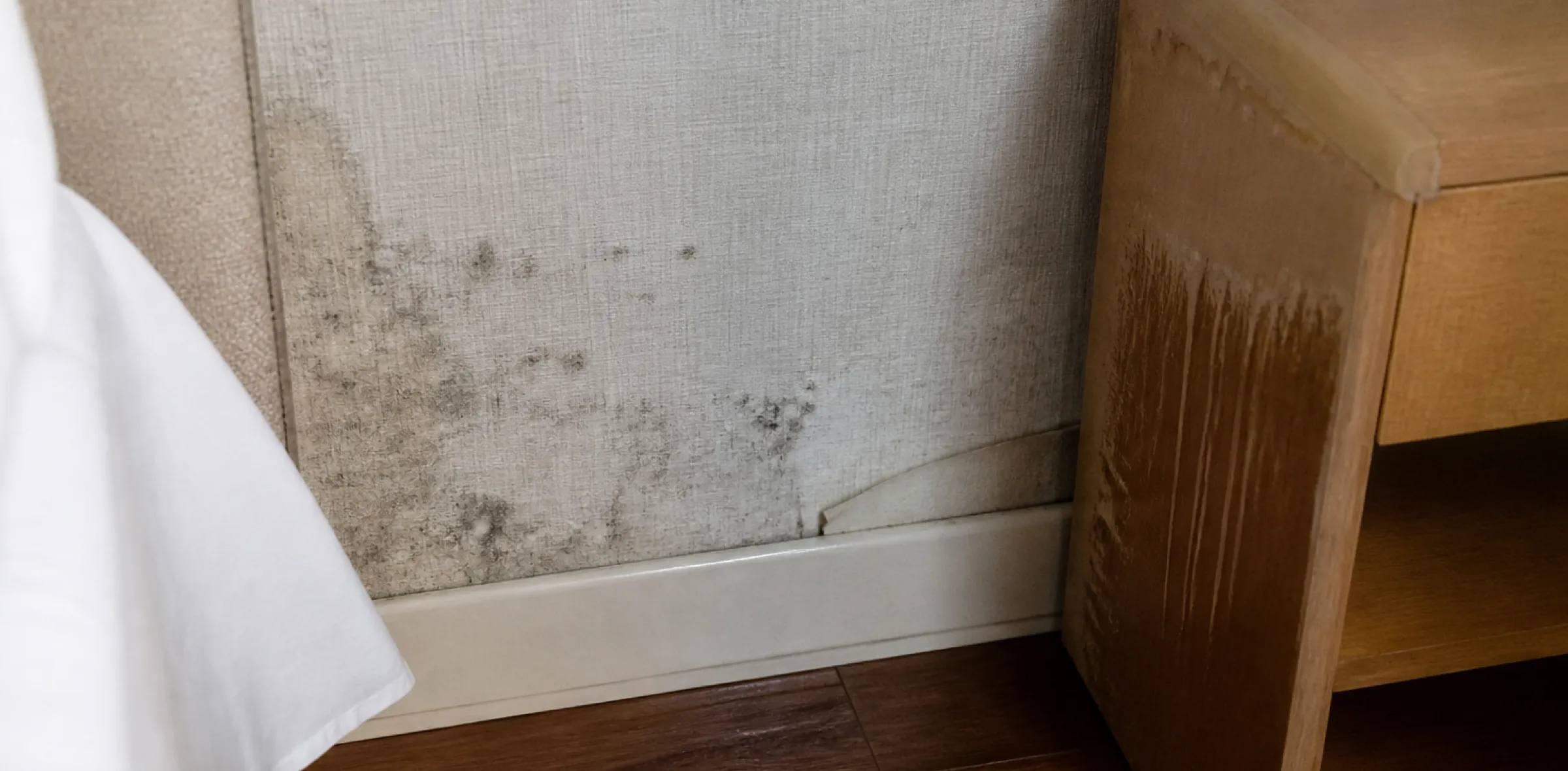
Target Conditions by Zone
| Zone | Humidity Target | Primary Risk Controlled |
|---|---|---|
| Guest rooms | 40% to 55% RH | Mold, odor, guest comfort complaints |
| Corridors and lobbies | 45% to 55% RH | Wall covering mold, condensation on diffusers |
| Indoor pool and spa halls | 50% to 60% RH; dew point below structure temperature | Structural corrosion, condensation damage |
| Laundry and linen rooms | Below 60% RH with dedicated exhaust | Mold, linen reabsorption of moisture |
| Kitchens and dishwashing areas | Below 60% RH, negative to adjacent areas | Condensation, grease-moisture fouling |
The governing principle matches other building types: the dew point of the air must stay below the temperature of the coldest surface in each zone. In guest room towers the critical surfaces are exterior wall assemblies behind headboards and PTAC discharge grilles; in pool halls they are roof structures and window frames.
Dehumidification Equipment by Zone
Guest Room Towers and Corridors
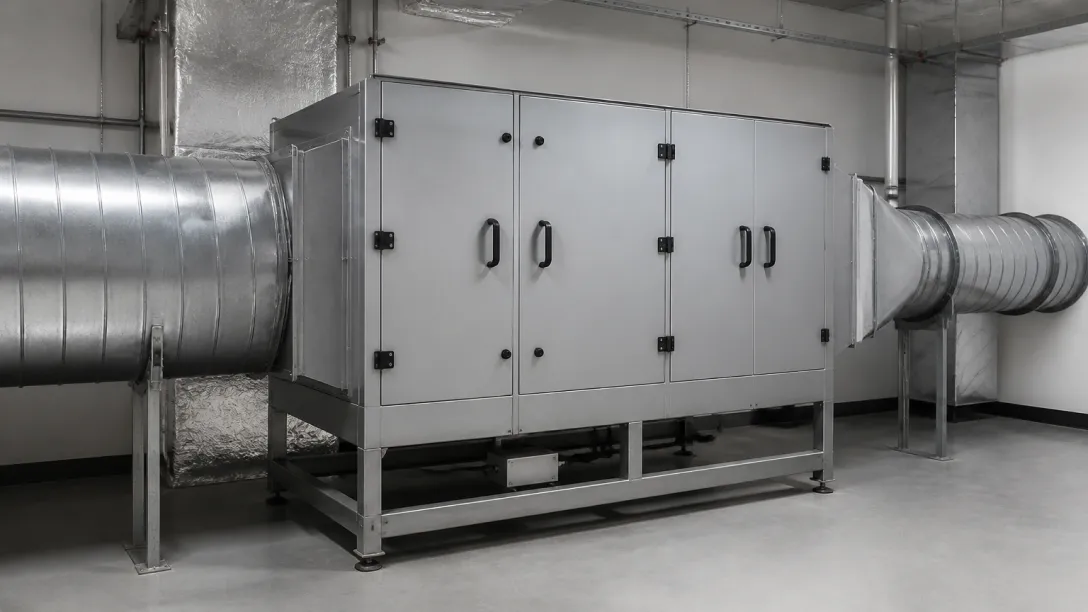
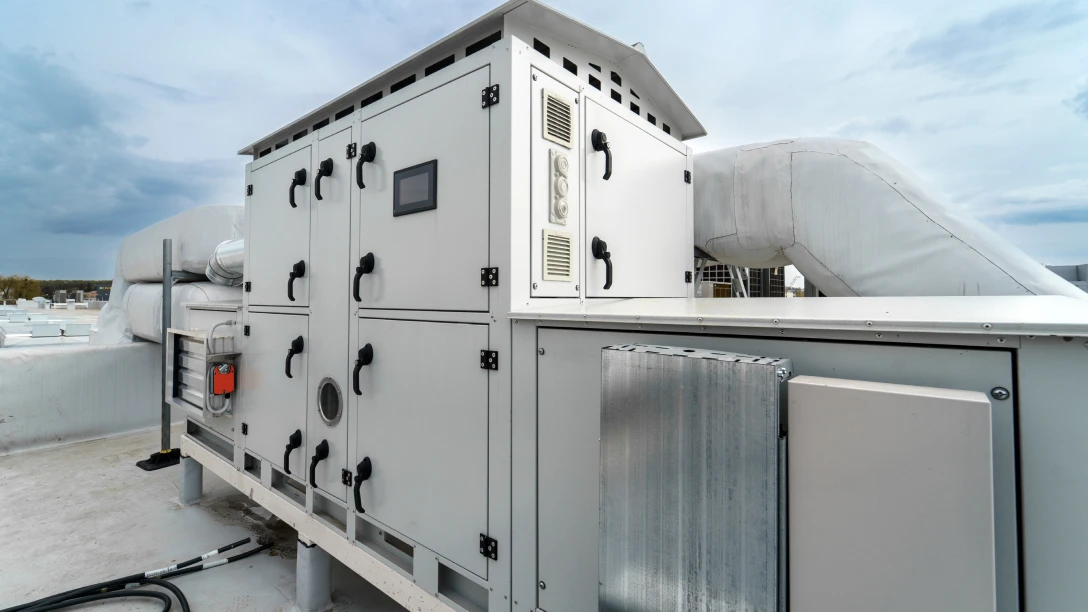
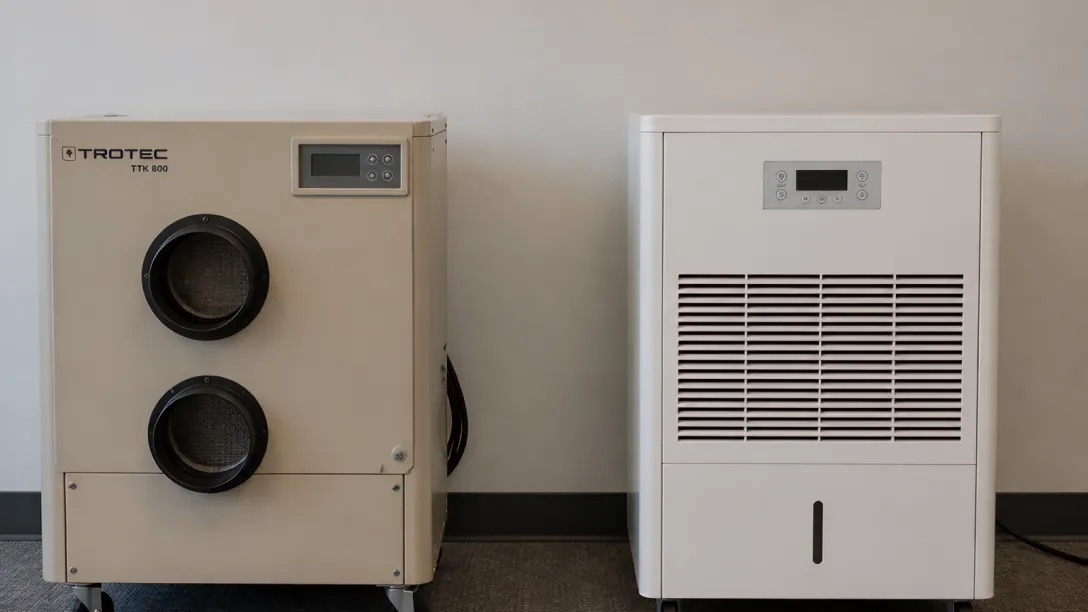
Corridor dehumidification is the highest-leverage intervention in an existing property. Conditioned, dried air supplied to corridors at slight positive pressure migrates into guest rooms under doors, displacing the humid air that bathroom exhaust fails to capture. Ducted and ceiling-mounted dehumidifier units serve this duty without consuming floor space or altering the corridor finish. Where outdoor air ventilation is ducted directly to corridors, dehumidifying that makeup air stream handles the ventilation moisture load before it enters the building.
Indoor Pool and Spa Areas
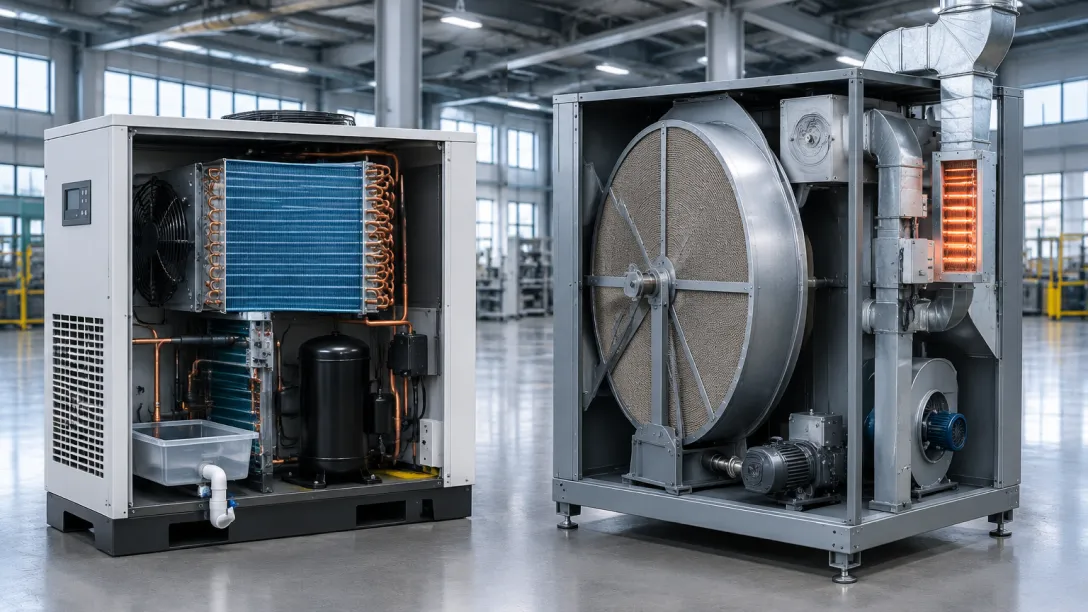
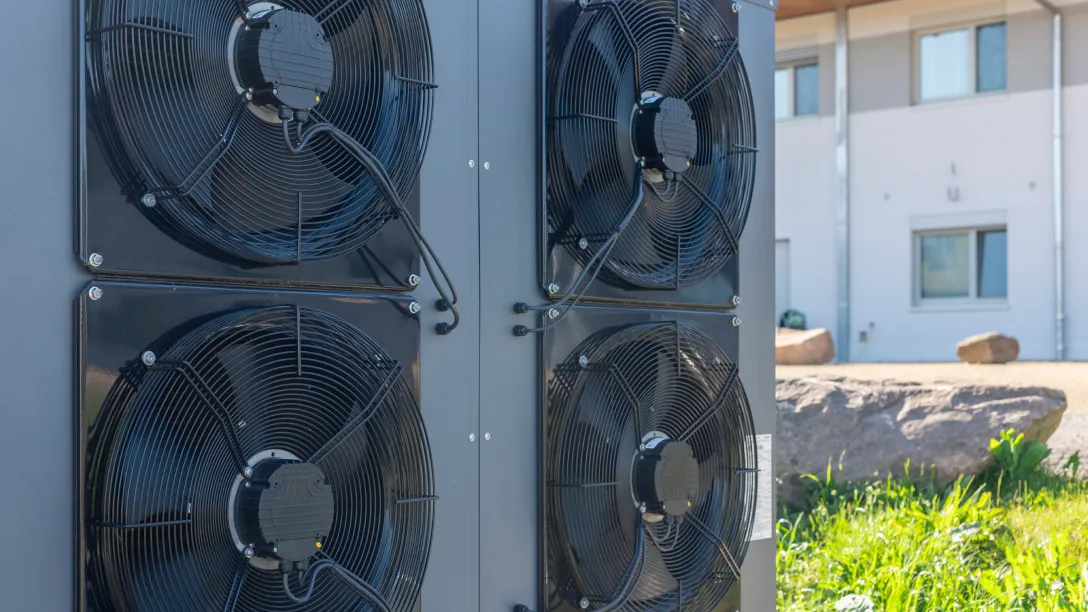
Pool halls require purpose-built equipment. The evaporation load runs continuously, chlorinated air attacks standard coils and cabinets, and the rejected heat has value: modern pool dehumidifiers recover condenser heat to the pool water or the supply air, cutting both the dehumidification and water heating bills. Sizing follows the evaporation calculation covered in our guide to indoor pool dehumidifier sizing, and equipment metallurgy follows the corrosion protection practices detailed on the corrosion-resistant dehumidifier page.
Laundry and Back of House
Laundry rooms need capture at the source: functioning dryer venting, exhaust over washers, and then a commercial dehumidifier sized for the residual load. These spaces tolerate industrial-grade equipment without finish requirements, and floor-standing units with ducted discharge usually cover the duty. Kitchens are primarily an exhaust and makeup-air problem; dehumidification enters the specification when makeup air is conditioned.
Humidity Control and Energy Use
Dehumidification in hotels interacts directly with ventilation, and the interaction runs in both directions. Code-required outdoor air is the largest single moisture source in most climates: in a humid summer, every cubic meter of ventilation air carries water vapor that the cooling system must condense before the room reaches setpoint. Properties that dehumidify the makeup air stream centrally remove this load once, at high efficiency, instead of distributing it across hundreds of room-level units that were never sized for latent duty.
Room-level packaged terminal units illustrate the limitation. A PTAC controls temperature only; its coil removes moisture as a side effect when it happens to run, and during mild, humid weather it barely runs at all. These shoulder-season weeks produce the worst humidity conditions of the year in guest rooms, precisely when the cooling plant is under the least stress. Dedicated dehumidification, whether at the corridor or the makeup air unit, decouples moisture removal from the temperature call and closes this gap. In pool and spa zones, the energy balance improves further because the dehumidifier's rejected heat replaces purchased water heating energy rather than adding to the cooling load.
Retrofit Realities in Occupied Properties
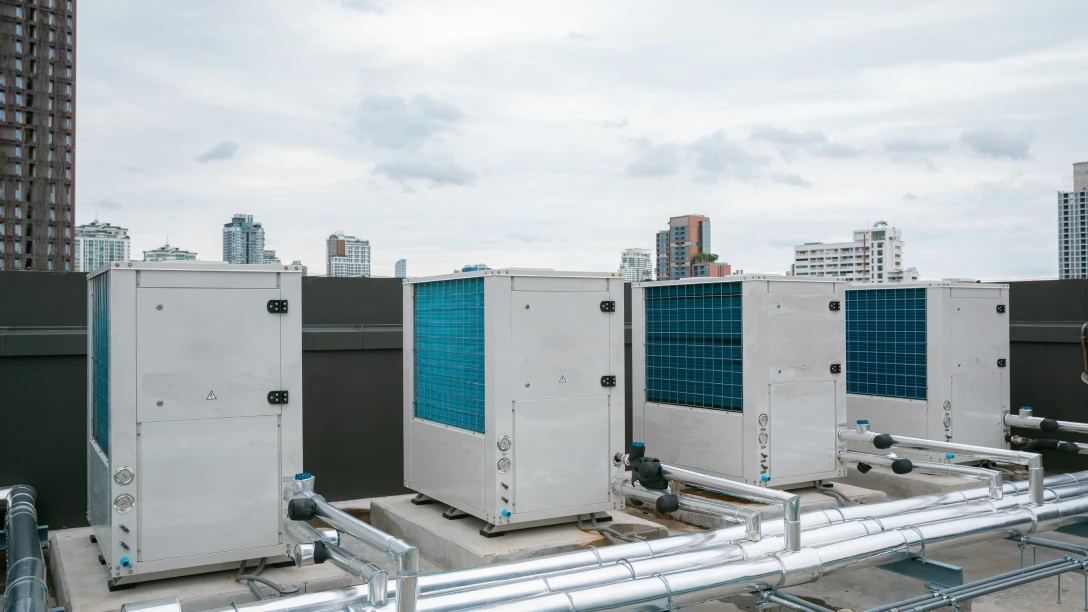
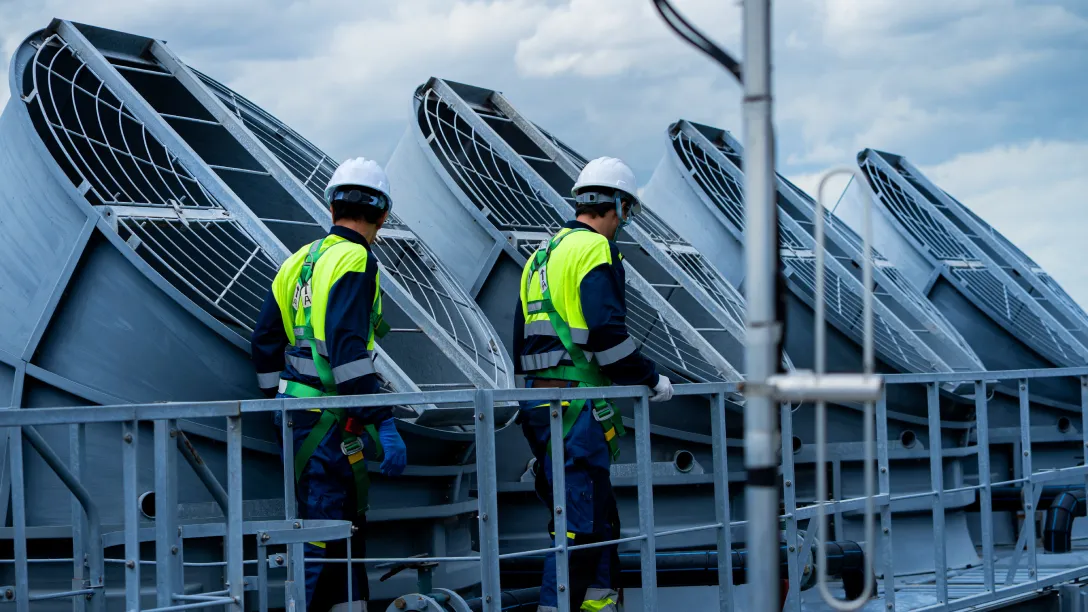
Most hotel dehumidification projects are retrofits in buildings that stay open during the work. Three practices determine whether these projects succeed. First, zone by zone phasing: corridor systems can be installed floor by floor with guests relocated within the building rather than displaced. Second, rooftop or plant room equipment placement with ducted distribution, which keeps noise and maintenance activity away from guest areas. Third, controls integration: dehumidifiers that report into the building management system let engineering staff verify zone conditions from one screen instead of discovering problems through complaints.
Mistakes That Recur in Hotel Projects
Three errors account for most of the underperforming installations our team reviews. The first is treating humidity as a guest room problem and buying portable units, when the moisture physics live in corridors, wall cavities, and amenity zones. The second is specifying pool dehumidification on evaporation rate alone while ignoring the corrosion environment, which returns as coil failures in the third or fourth year. The third is dehumidifying without pressure control: a dried corridor at neutral pressure still receives humid air from every zone that runs negative to it.
A correct specification starts with a zone-by-zone load survey, addresses corridors and makeup air before individual rooms, and pairs pool equipment with the corrosion protection the environment demands. Our engineers perform this survey as part of every quotation. Send your property layout, zone list, and current HVAC configuration through the contact page, and we will return a sized equipment schedule with the load figures documented.