In industrial operations, the most destructive forces are often invisible. While raw material shortages and supply chain delays are highly visible, uncontrolled ambient moisture silently devastates profit margins through accelerated metal corrosion, rampant microbial growth, and total packaging failure. For procurement officers and facility engineers, investing in a robust moisture extraction system is not merely an equipment purchase—it is a critical strategy to safeguard the integrity of the entire production line.
1. The Financial Impact of Uncontrolled Humidity
Before analyzing technical specifications, it is vital to assess the specific threats your facility faces. Moisture acts as a catalyst for catastrophic material degradation across various sectors:
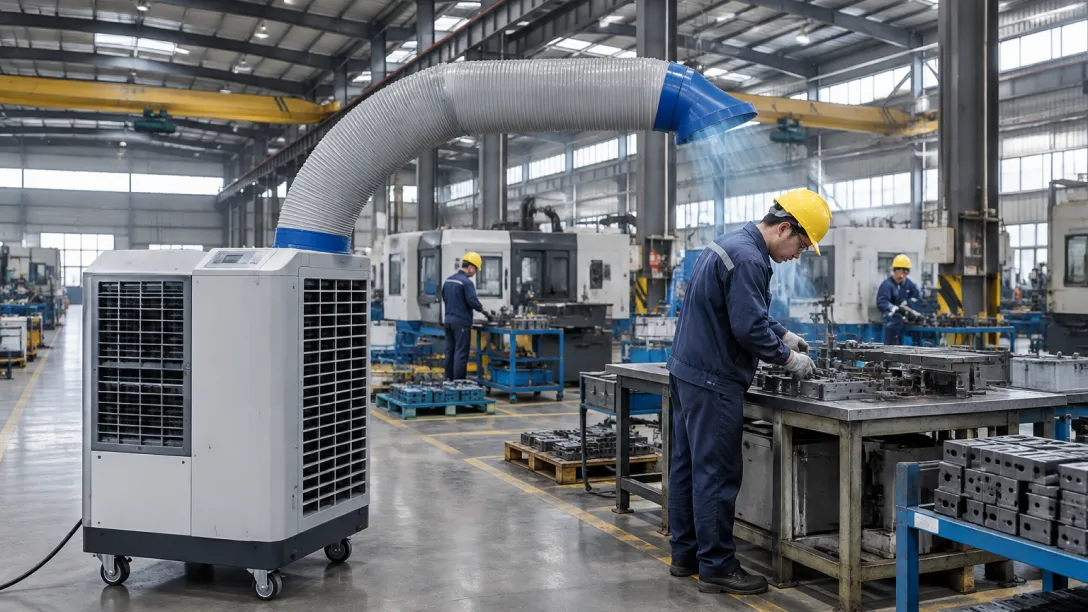
- Metal & Electronics Oxidation: In precision manufacturing, relative humidity (RH) exceeding 50% exponentially accelerates oxidation. Sensitive PCBs and heavy machinery can suffer irreversible rust damage before leaving the factory floor.
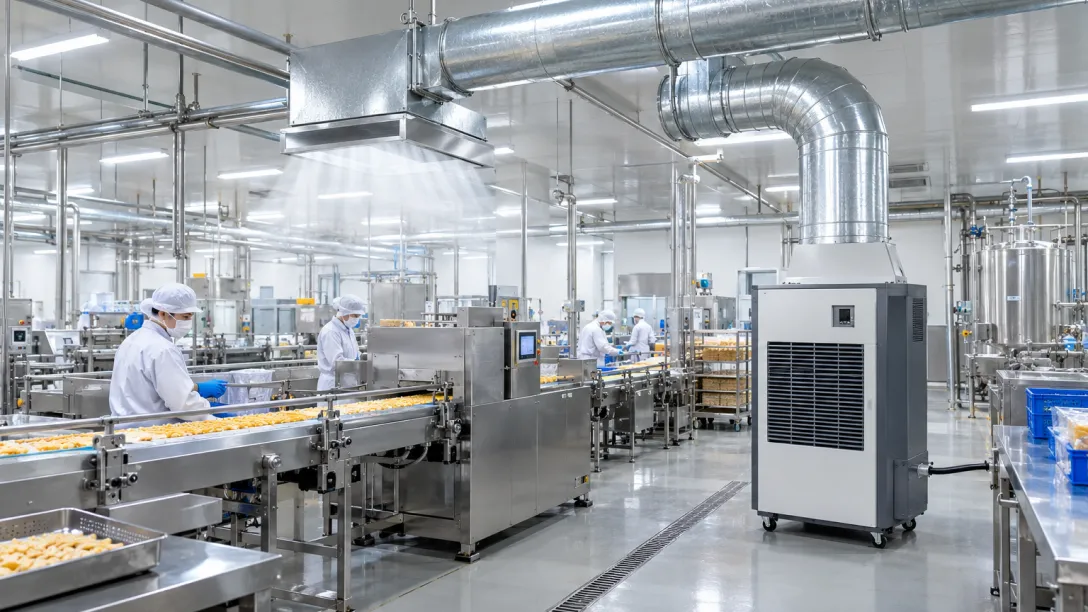
- Spoilage and Compliance Failures: Unmanaged condensation creates a fertile breeding ground for mold. Failing to combat microbial growth in food processing and storage environments leads to health hazards, failed FDA/HACCP audits, and devastating product recalls.
- Logistics and Packaging Fatigue: High humidity strips corrugated cardboard of up to 50% of its stacking strength. To prevent dangerous stack collapses and product loss, deploying heavy-duty moisture control strategies is essential for modern distribution centers.
2. Technology Breakdown: Refrigerant vs. Desiccant Systems
Understanding the thermodynamic differences between cooling-based and adsorption-based drying is the foundation of proper equipment selection.
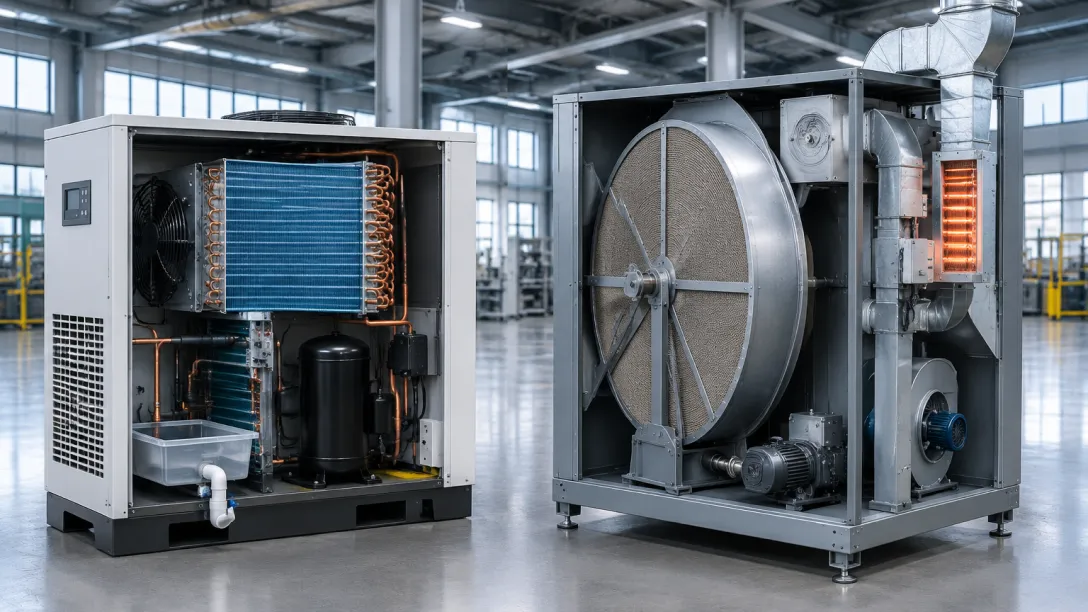
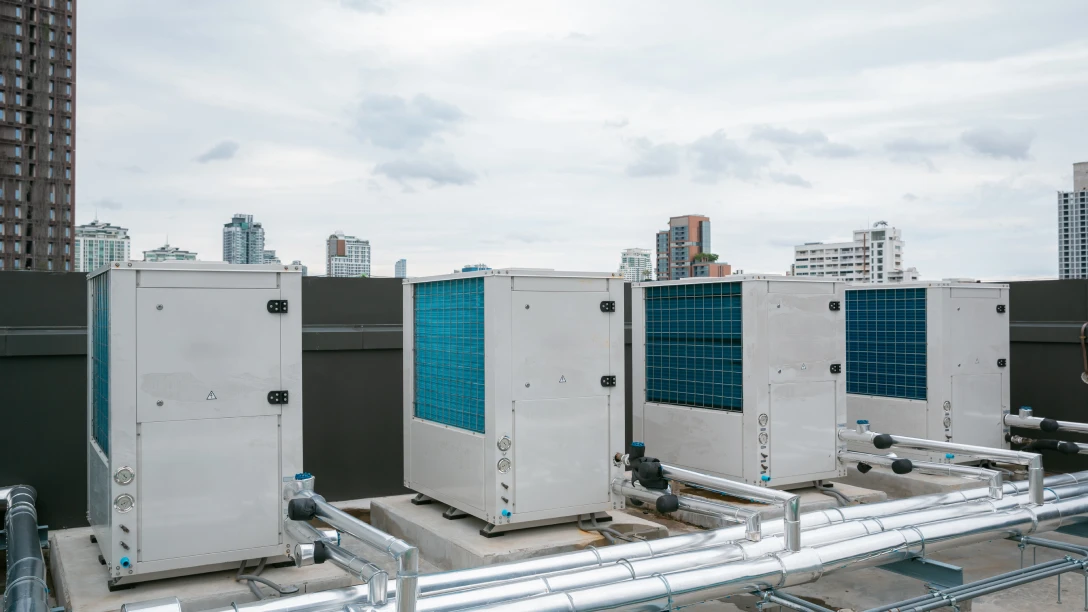
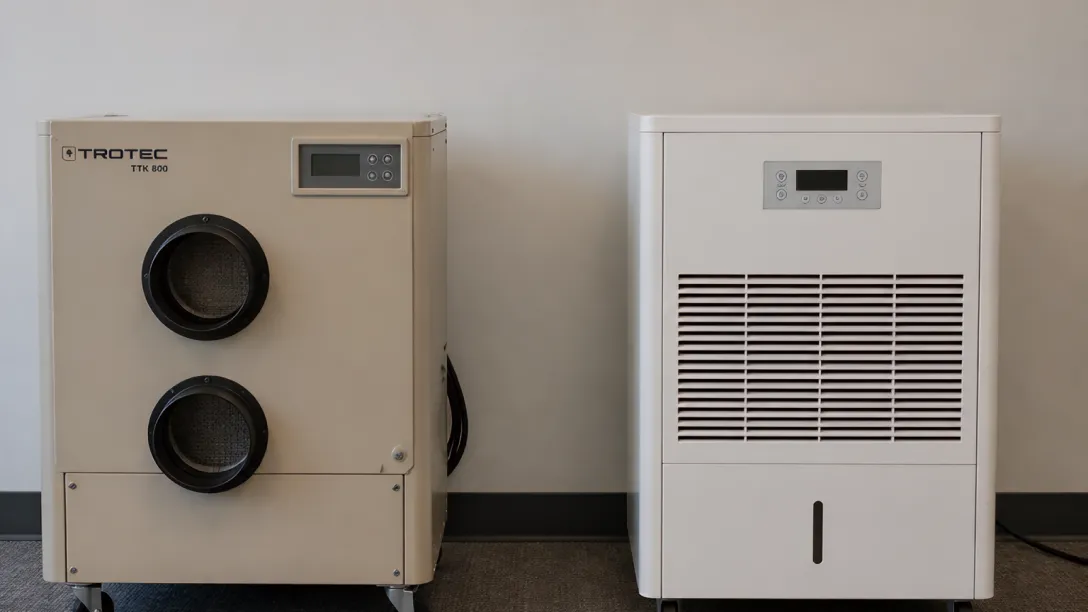
Refrigerant (Compressor) Dehumidifiers: These are the workhorses of general industry. They operate like air conditioners, chilling the air to its dew point to force condensation. They are highly energy-efficient in warm, humid environments (above 20°C and 45% RH), making them ideal for standard warehousing and manufacturing spaces.
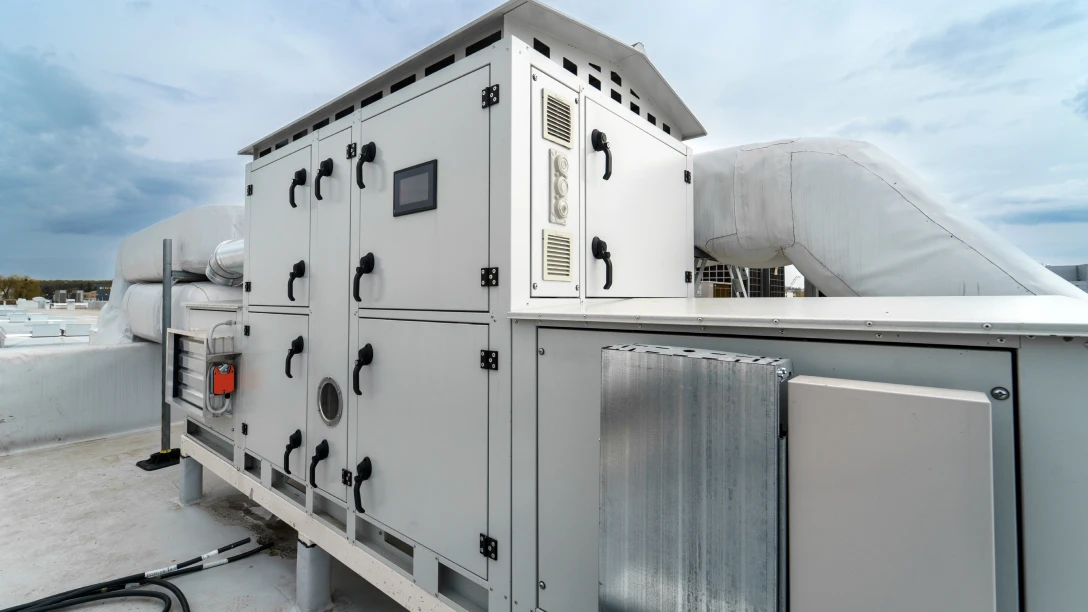
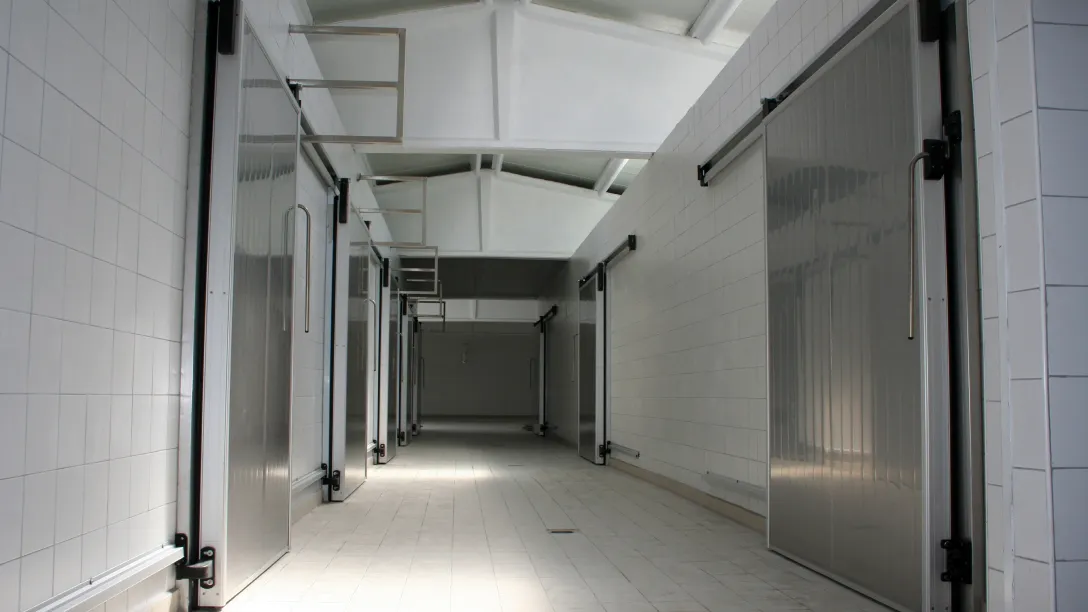
Desiccant (Rotary) Dehumidifiers: When a facility requires ultra-low humidity (below 35% RH), condenser coils freeze up and fail. In these scenarios, transitioning to adsorption-based drying equipment is necessary. Utilizing a slowly rotating silica gel wheel, these systems chemically capture moisture directly from the air, allowing them to operate flawlessly in freezing temperatures—perfect for lithium-ion battery dry rooms and cold storage logistics.
3. Calculating the True Moisture Load
A common and costly engineering mistake is sizing equipment based purely on square footage. Effective sizing requires a comprehensive moisture load calculation that accounts for:
- Infiltration: Volume of humid outdoor air entering through loading docks, poor sealing, and ventilation.
- Internal Generation: Moisture released by open water tanks, washing processes, steam valves, and human respiration.
- Product Load: The water weight evaporating off wet raw materials entering the space.
4. Manufacturing Resilience and Anti-Corrosion Engineering
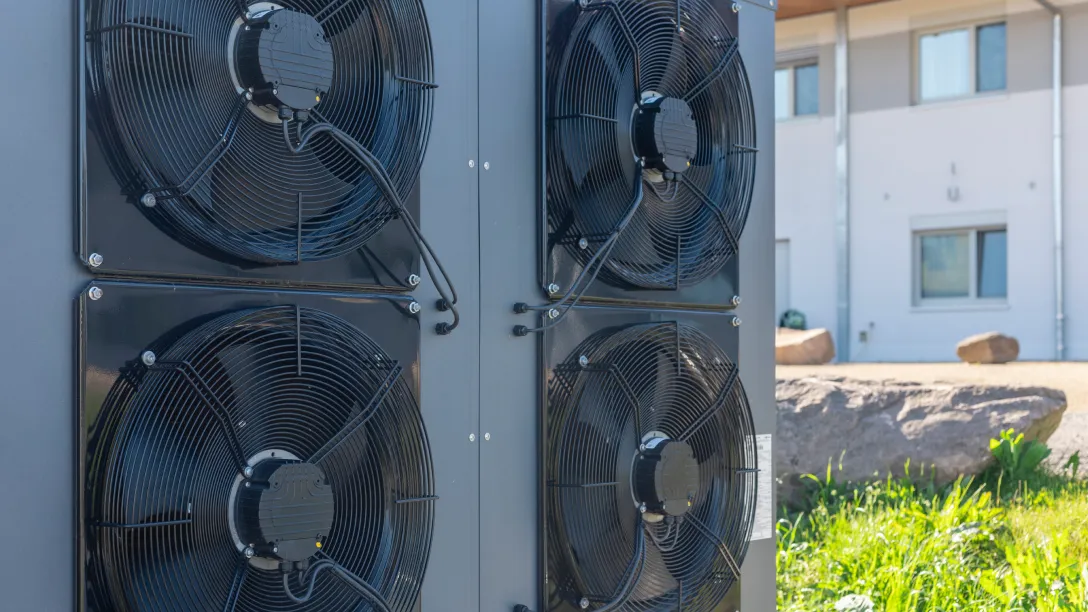
Industrial environments are harsh. A unit placed in a coastal facility exposed to salt air, or a chemical plant dealing with acidic fumes, will rot within months if not properly protected. Equipment must be built to withstand chemical exposure with specialized anti-corrosion engineering, featuring epoxy-coated coils, heavy-gauge steel chassis, and hermetically sealed electrical enclosures.
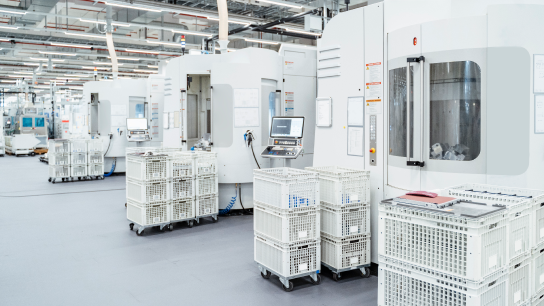
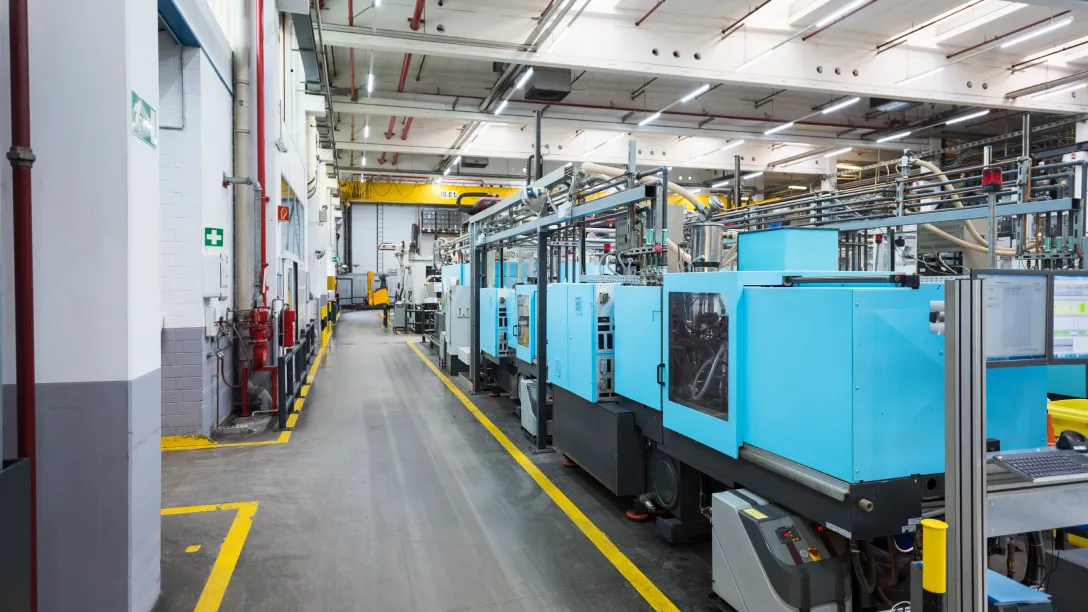
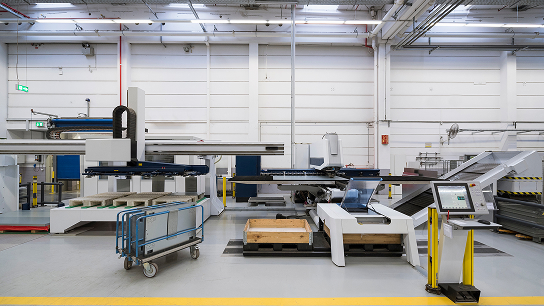
Reliability starts on the assembly line. At our advanced manufacturing facilities, every unit is subjected to a rigorous 72-hour continuous full-load aging test. This burn-in phase simulates extreme environmental conditions, ensuring infant mortality failures are identified and resolved before the equipment is ever crated for shipping.
5. Industry 4.0 and Energy Optimization
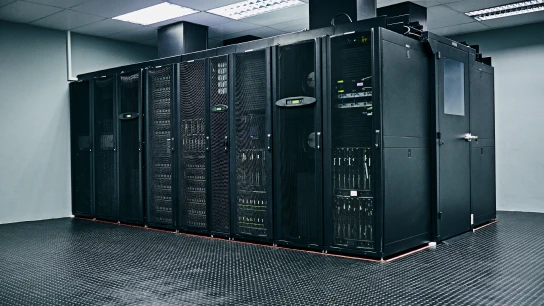
As operational expenditures (OPEX) rise, energy efficiency and automation are no longer optional. Modern units support RS485 communication protocols, seamlessly integrating into Building Management Systems (BMS). This allows facility managers to monitor dew point trends in real-time—a level of precision management essential for data center climate preservation and archival storage. Furthermore, by utilizing SCR (Silicon Controlled Rectifier) energy-saving algorithms, these systems dynamically modulate power consumption based on real-time demand, significantly reducing long-term electrical costs.
Next Steps for Your Facility
Do not let humidity dictate your production limits or compromise your product quality. Whether you need an off-the-shelf high-capacity unit or want to leverage our custom manufacturing capabilities for a unique structural layout, expert guidance is available. If you require assistance executing a precise moisture load calculation, connect with our engineering team to design a resilient, energy-efficient solution tailored to your exact specifications.