The global requirement for data center cooling is expected to increase significantly over the next decade. A new report by ABI Research, published on August 27, 2026, projects that data center thermal cooling demand will rise from 28.8 million tons in 2025 to 194.6 million tons by 2035. This growth represents a 20.1% compound annual growth rate.
AI Workloads and Infrastructure Expansion
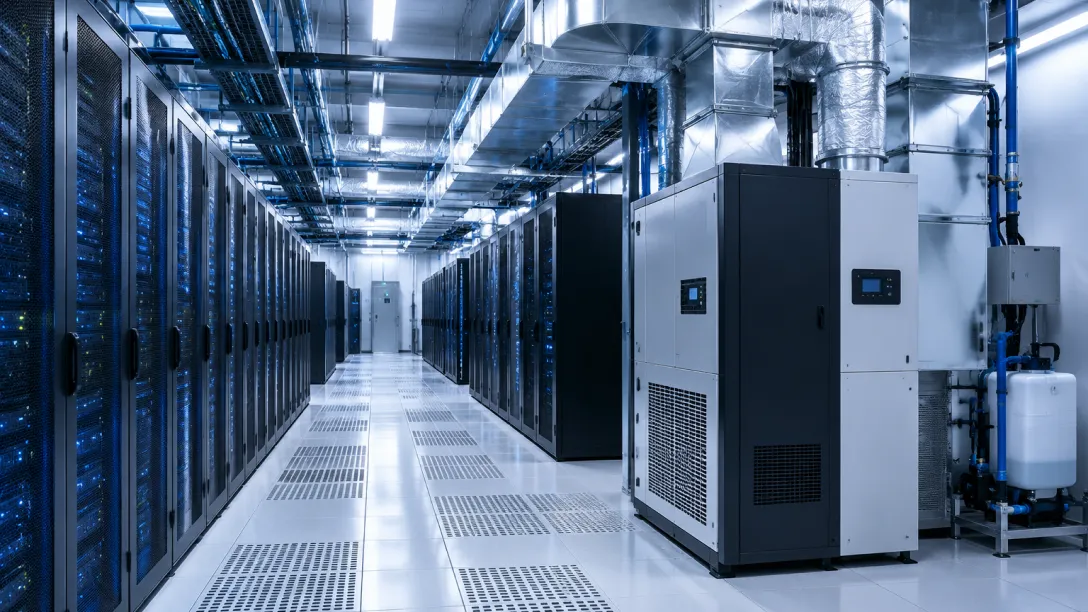
The primary driver for this thermal demand is the rapid adoption of artificial intelligence (AI) and high-performance computing. These technologies require higher rack densities, which generate intense localized heat. To accommodate these workloads, the total physical footprint of global data centers is forecast to expand from approximately 2 billion square feet in 2025 to more than 5 billion square feet by 2035.
Retrofitting Existing Facilities
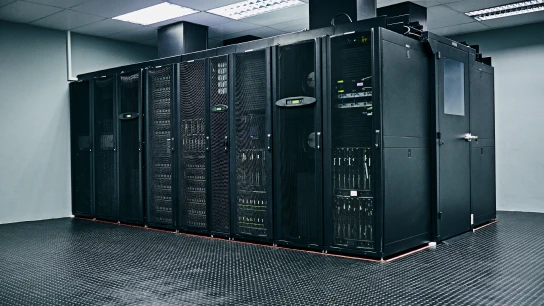
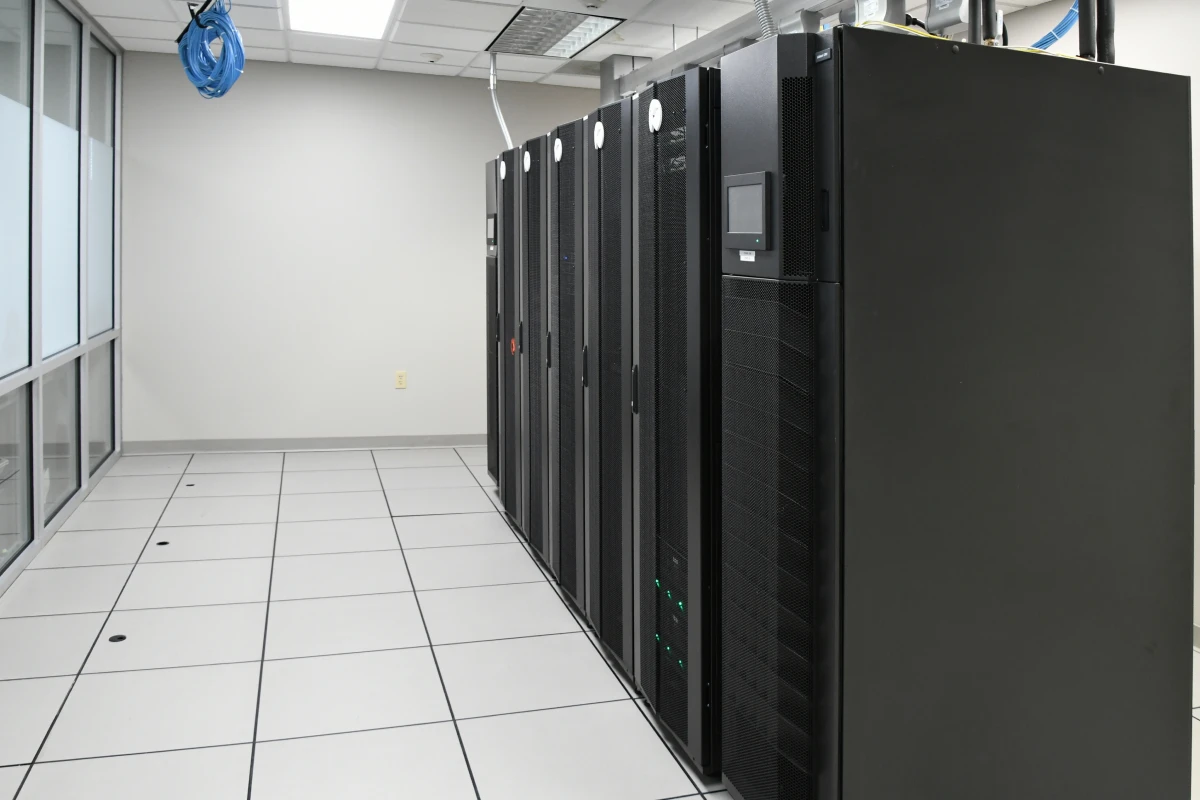
Building new facilities is only part of the industry response. Many operators must modernize existing commercial buildings and server rooms to handle increased heat loads. Retrofitting often requires minimally disruptive technologies because shutting down the central HVAC system for an upgrade is not feasible for continuous operations.
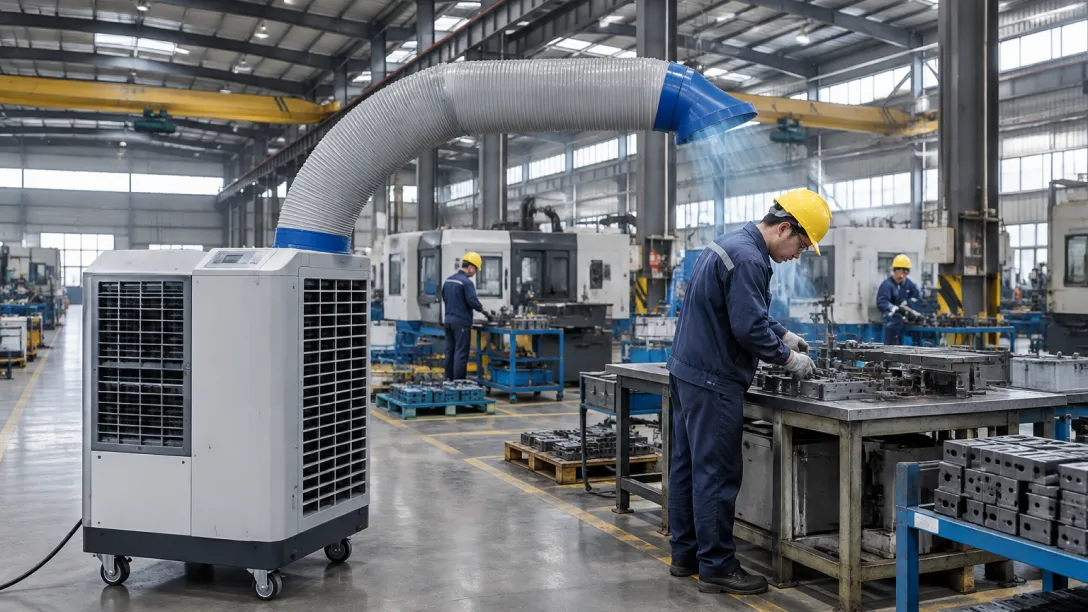
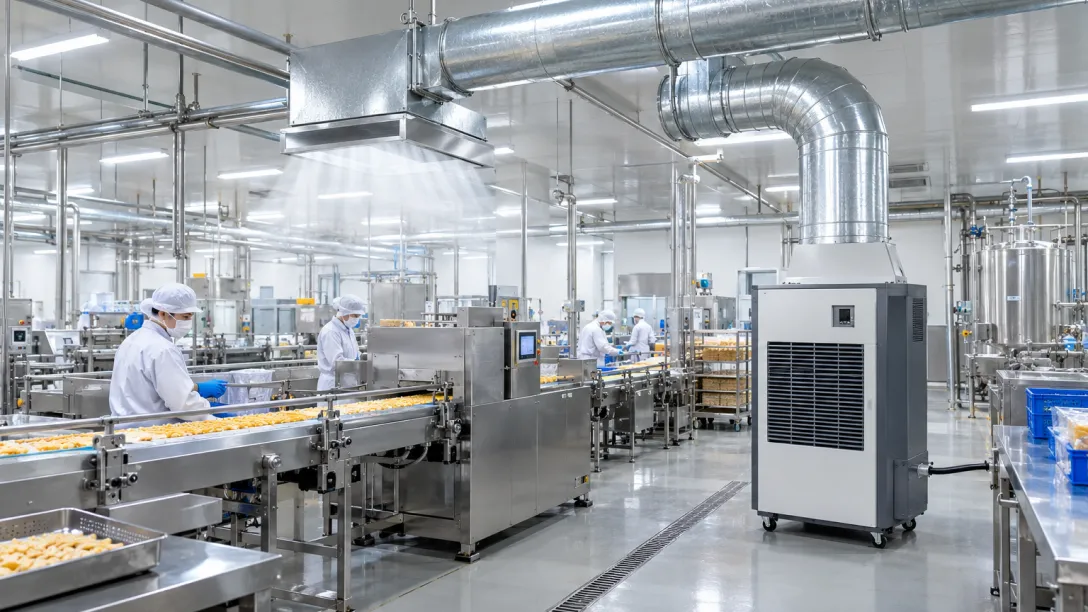
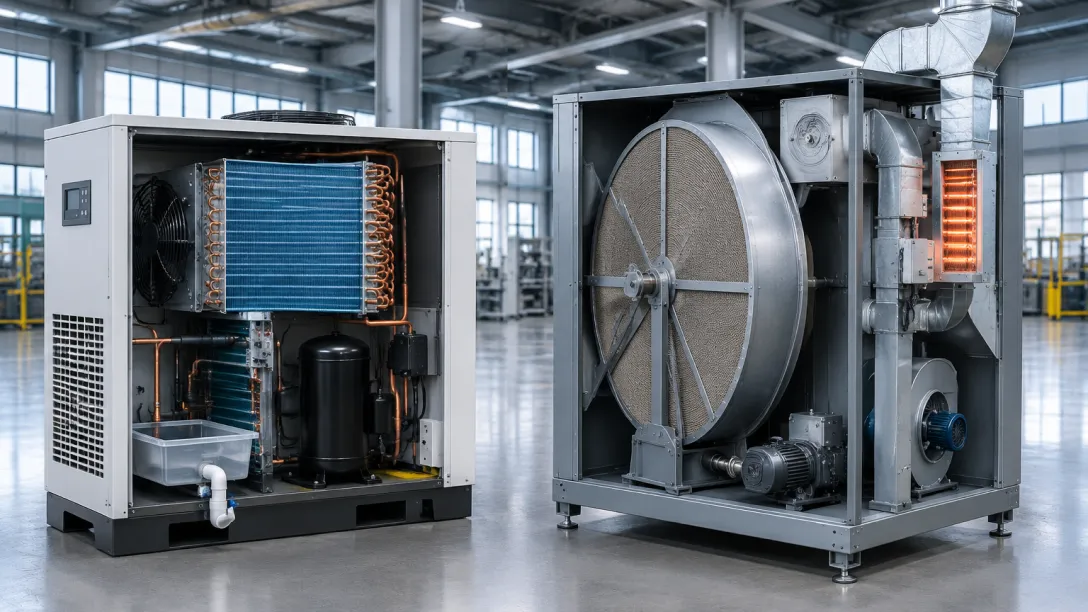
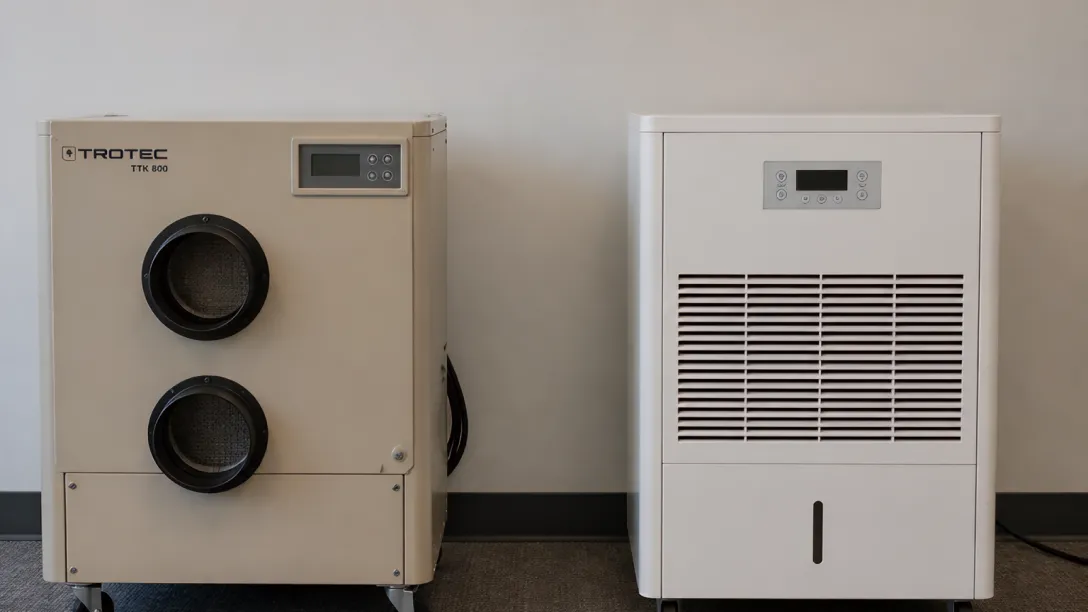
To manage localized heat generated by high-density server racks, facilities implement targeted thermal management strategies. Deploying a dedicated server room spot cooler provides immediate, localized heat extraction without requiring a complete overhaul of the central air conditioning system. This targeted approach ensures continuous equipment operation, prevents thermal shutdowns during periods of high computing demand, and serves as critical backup cooling when primary chillers require maintenance.
Facility managers increasingly utilize an industrial spot cooler to direct high-velocity cold air straight into the equipment intakes. This method addresses the exact zone where heat stress occurs, lowering the equipment temperature quickly while keeping retrofit costs manageable.