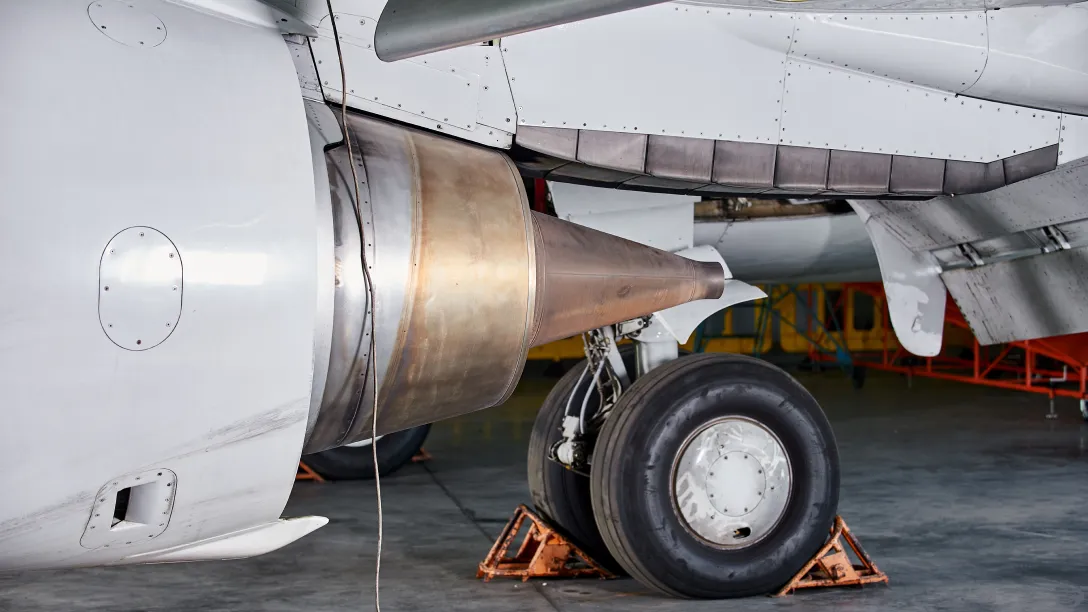
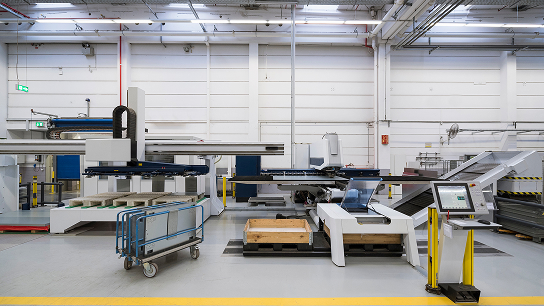
When multi-million-dollar industrial assets—such as combined cycle gas turbines, Heat Recovery Steam Generators (HRSGs), and offshore drilling rigs—are taken offline for maintenance, seasonal standby, or long-term cold stacking, they face immediate structural threats from atmospheric moisture. During active operation, extreme operational heat keeps internal steam cycles and combustion chambers perfectly dry. Upon shutdown, these massive steel structures cool rapidly. As the internal temperature drops below the ambient dew point, outside air is drawn through exhaust stacks and failing isolation dampers. This sudden introduction of moisture creates an electrolyte layer across highly machined tolerances, initiating aggressive oxidation, pitting, and galvanic corrosion.
Traditional preservation protocols, such as wet lay-up using toxic chemical oxygen scavengers (like hydrazine) or pressurized nitrogen blanketing, introduce severe environmental hazards and lethal confined-space asphyxiation risks. Active dry air lay-up, achieved through continuous desiccant dehumidification, provides a superior, biologically safe engineering alternative. By manipulating the fundamental thermodynamics of corrosion, facility engineers can suspend oxidation indefinitely without compromising worker safety. This technical document examines the Critical Relative Humidity (CRH) threshold for carbon steel, the thermodynamic advantages of chemical adsorption over nitrogen purging, and the precise routing strategies for preserving complex industrial turbine geometries.
The Thermodynamics of Standby Corrosion and CRH
Corrosion is an electrochemical process requiring three components: an anode, a cathode, and an electrolyte. In heavy industrial machinery constructed of carbon steel and low-alloy metallurgies, the steel serves as both the anode and cathode due to microscopic impurities in the crystalline structure. Water vapor from the ambient air condenses to form the required electrolyte. Without this moisture layer, the ion exchange necessary for oxidation physically cannot occur.
Metallurgical science defines the Critical Relative Humidity (CRH) as the precise moisture threshold at which atmospheric corrosion accelerates. For bare carbon steel, the CRH is universally recognized as 40% at standard atmospheric temperatures. If the localized environment is maintained strictly below 40% RH, the moisture film on the metal surface remains too thin to support electrical conductivity. The oxidation rate drops to near zero. Therefore, the primary engineering objective during an equipment lay-up is not to seal the machinery hermetically, but to continuously flush the internal voids with air conditioned well below this 40% threshold.
Evaluating Nitrogen Blanketing vs. Active Adsorption
For decades, the power generation sector relied on nitrogen blanketing to preserve offline boilers and steam drums. This method involves purging the atmospheric air from the vessel and replacing it with pressurized nitrogen gas, effectively starving the environment of oxygen. While theoretically sound, nitrogen blanketing presents massive operational failures in practice.
First, industrial boilers and turbine casings are not perfectly sealed pressure vessels when offline. Valves leak, access hatches loosen, and the nitrogen inevitably escapes. Once the nitrogen pressure drops, oxygen and moisture immediately re-enter the system. Secondly, nitrogen is an invisible, odorless asphyxiant. Opening a nitrogen-blanketed vessel for inspection requires rigorous purging, gas monitoring, and extensive downtime before a human can safely enter the space. A single procedural error results in immediate fatality.
Dry air lay-up utilizing active adsorption eliminates both the leakage failure and the asphyxiation hazard. Desiccant systems pump continuous, high-volume, ultra-dry air through the machinery. Because the system is continuously running, minor leaks in the boiler casing are irrelevant; the constant positive pressure of dry air forces any infiltrating moisture back out. Furthermore, the preservation medium is simply breathable atmospheric air. Maintenance personnel can open inspection hatches, enter the turbine casing, and perform maintenance without any risk of suffocation, drastically reducing outage turnaround times.
Routing Dry Air Through Heat Recovery Steam Generators (HRSG)
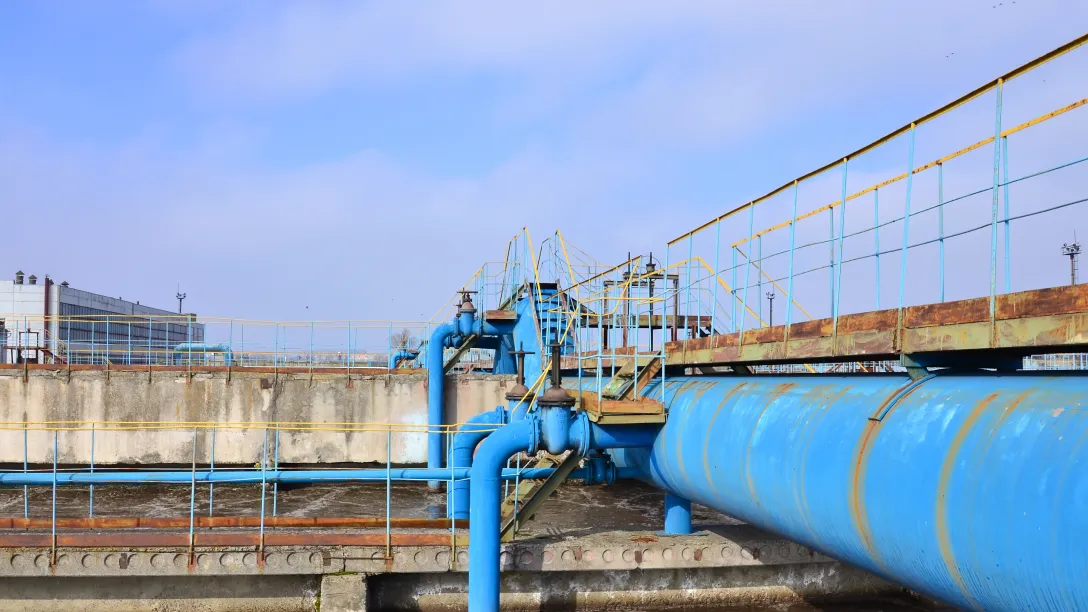
Preserving a massive combined-cycle power plant requires moving dry air through thousands of linear feet of complex piping. An HRSG contains high-pressure, intermediate-pressure, and low-pressure steam drums, superheaters, and extensive evaporator tube bundles. Water inherently pools in the low points (U-bends) of these systems during drain-down.
A properly engineered dry air lay-up system connects directly to the highest points of the steam cycle, typically the steam drum vents. A large industrial desiccant dehumidifier forces high-velocity dry air down through the superheaters, evaporating the residual pooled water in the U-bends through the latent heat of vaporization. The moisture-laden air is then exhausted through the low-point blowdown valves. Once the initial drying phase is complete and the exhaust air reads below 30% relative humidity, the system transitions into a maintenance mode. The variable frequency drives (VFDs) on the dehumidifier reduce the blower speed, continuously trickling just enough dry air into the system to maintain the protective vapor pressure deficit against the external environment.
Marine Lay-up and Offshore Rig Cold Stacking
The offshore oil and gas industry faces the most hostile corrosive environment on earth: salt-laden oceanic air. When drilling rigs or offshore support vessels are "cold stacked" (taken out of service and anchored), the financial depreciation due to marine corrosion can destroy the asset's residual value within 12 months. Engine rooms, switchgear compartments, and complex dynamic positioning (DP) control systems are devastated by salt-accelerated galvanic corrosion.
Preserving an offshore rig requires establishing a secure, low-humidity envelope across the entire internal structure. However, standard equipment cannot survive the highly corrosive coastal atmosphere. Deploying a specialized corrosion-resistant dehumidifier—constructed with 316L stainless steel panels, e-coated condenser coils, and fully encapsulated NEMA 4X electrical enclosures—is mandatory. These ruggedized units are placed on the main deck, pumping dry air down through the ship's existing HVAC ductwork. This dry air cascades through the accommodation blocks, the bridge, and finally into the engine rooms, preventing moisture from reacting with the airborne chlorides and halting marine pitting corrosion entirely.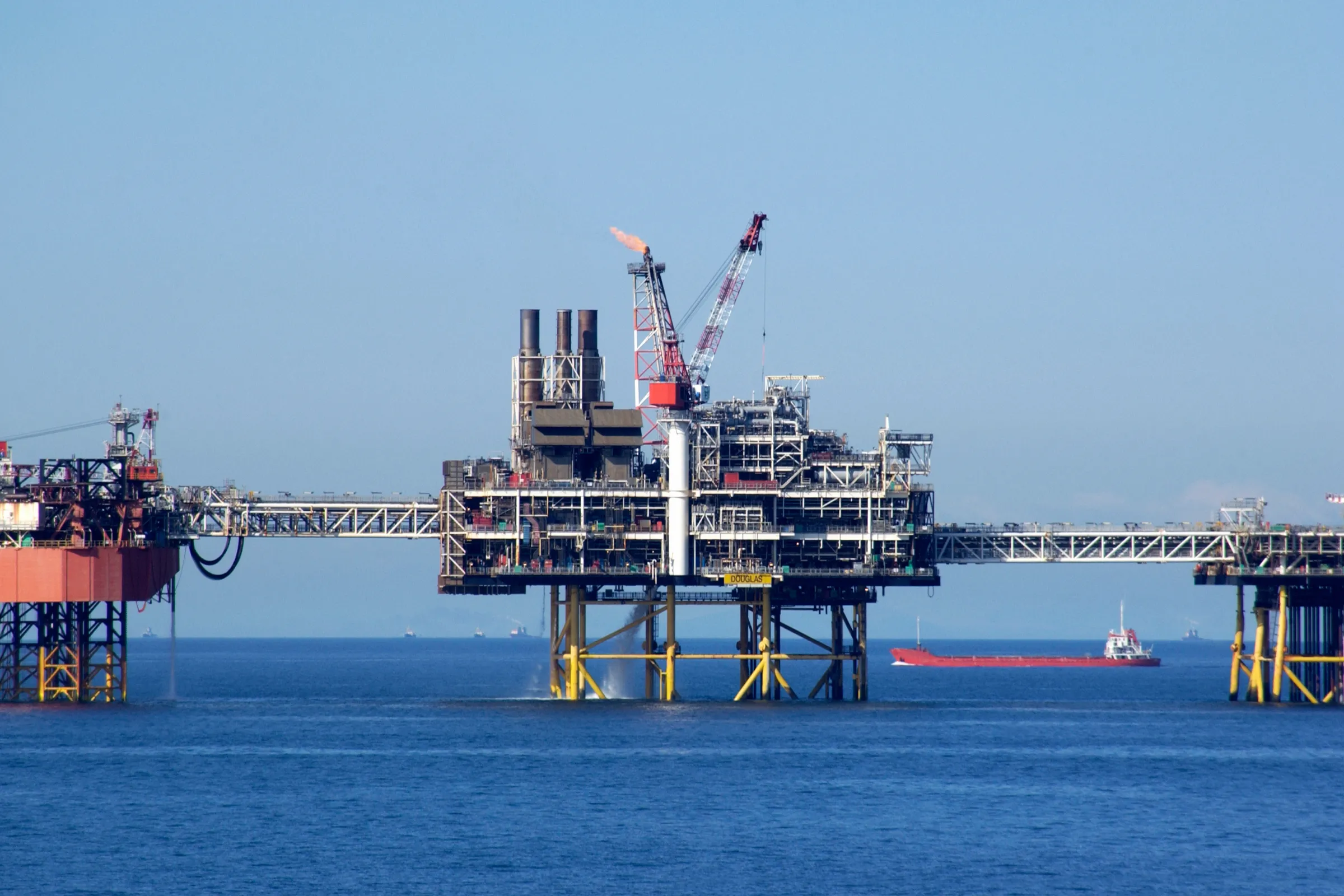
Protecting Switchgear and High-Voltage Insulation
While the focus of lay-up is often on mechanical steel, electrical degradation is equally catastrophic. High-voltage transformers, switchgear cabinets, and variable frequency drives rely on delicate insulation materials. In unconditioned standby environments, these materials absorb moisture, causing a drastic drop in their megohm resistance readings. When the plant is eventually brought back online, energizing moisture-compromised switchgear results in immediate, explosive arc flash failures.
Routing a branch line of desiccant-dried air directly into the electrical control rooms and motor control centers (MCCs) guarantees that the copper busbars remain free of oxidation and the insulation resistance stays perfectly stable. This proactive moisture control eliminates the need for prolonged baking-out procedures before re-energizing the plant, significantly accelerating the restart sequence.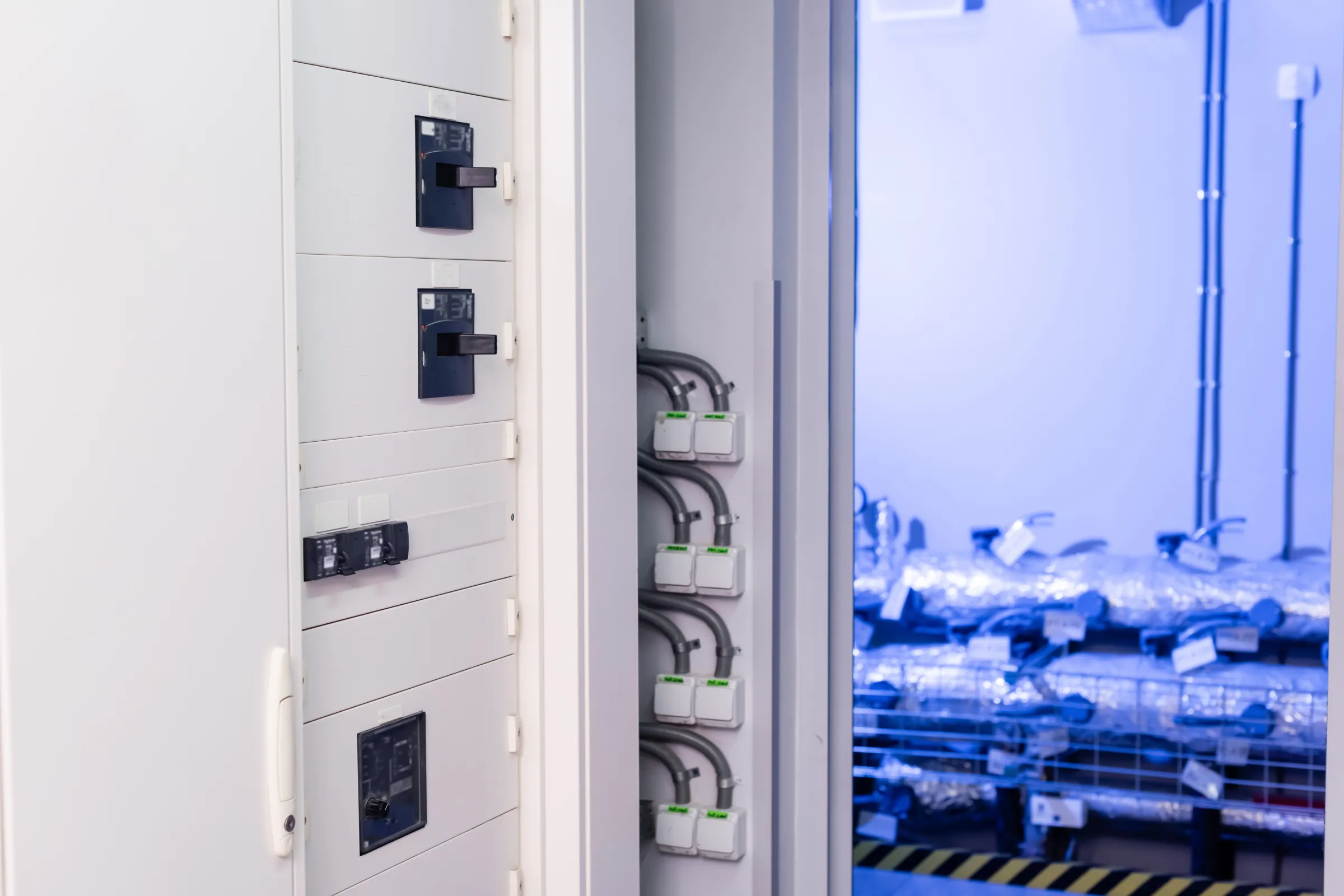
Integrate Professional Asset Preservation Systems
Leaving critical industrial infrastructure to the mercy of ambient dew points guarantees severe mechanical and financial degradation. Implementing a continuous, active dry air lay-up system ensures that turbines, boilers, and offshore platforms remain in pristine, ready-to-run condition regardless of how long they remain offline. For psychrometric lay-up calculations, airflow routing strategies, and heavy-duty equipment specifications engineered for hazardous industrial environments, consult our professional engineering team to secure your offline assets.
Frequently Asked Questions
What is the Critical Relative Humidity (CRH) for carbon steel?
The Critical Relative Humidity (CRH) for carbon steel is 40%. At this precise atmospheric threshold, the microscopic layer of moisture on the metal surface becomes too thin to conduct the electrical ion exchange required for oxidation. Maintaining an environment below 40% RH essentially halts atmospheric corrosion, regardless of the ambient temperature or the duration of the lay-up.
Why is dry air lay-up safer than nitrogen blanketing?
Nitrogen blanketing involves pumping pure nitrogen into a boiler to displace oxygen, creating a lethal, oxygen-deficient atmosphere that can cause immediate asphyxiation if personnel enter the space or if a leak occurs in a confined area. Dry air lay-up uses breathable, deep-dried atmospheric air. It provides superior corrosion protection while allowing maintenance personnel to safely enter and inspect the equipment at any time without breathing apparatus.
How does a desiccant system remove pooled water from a turbine?
When a steam turbine or HRSG is drained, water inevitably pools in the low points and U-bends of the piping. A high-capacity desiccant dehumidifier forces massive volumes of bone-dry air through the system. This ultra-dry air maximizes the vapor pressure deficit, causing the pooled liquid water to evaporate rapidly. The moisture is then carried out of the system as a vapor through the exhaust valves.
Can dry air lay-up protect electronic switchgear?
Yes. Electrical components are highly susceptible to moisture absorption, which degrades insulation resistance and causes short circuits or arc flashes when re-energized. Pumping dry air into motor control centers (MCCs) and switchgear rooms prevents moisture ingress, keeping copper contacts bright and ensuring that insulation megohm readings remain safely within operational specifications during the entire offline period.
Why are specialized dehumidifiers required for offshore rig preservation?
Offshore rigs and marine vessels sit in salt-laden oceanic environments. Salt (chlorides) acts as a violent catalyst for galvanic corrosion and will rapidly destroy standard commercial HVAC equipment. Preserving offshore assets requires specialized corrosion-resistant dehumidifiers built with 316L stainless steel casings, epoxy-coated internal components, and sealed electrical panels that can withstand constant exposure to marine salt spray.
What happens if a leak occurs in the boiler casing during dry air lay-up?
Unlike nitrogen blanketing—where a leak causes the protective pressure to drop and allows humid air to enter—a dry air lay-up system operates continuously to maintain positive pressure. If a minor leak exists in an access hatch or valve, the dehumidifier simply pushes the dry air out through the leak. The continuous outward flow of dry air physically prevents external ambient moisture from penetrating the system.