In the highest echelons of modern manufacturing, achieving a standard "dry" environment simply isn't enough. For forward-thinking sectors such as lithium-ion battery production and pharmaceutical processing, eliminating virtually all moisture is a critical production mandate. This is where conventional climate systems break down, requiring a shift toward more resilient technologies designed for ultra-low dew points and freezing temperatures.
1. The Limitations of Traditional Refrigerant Systems
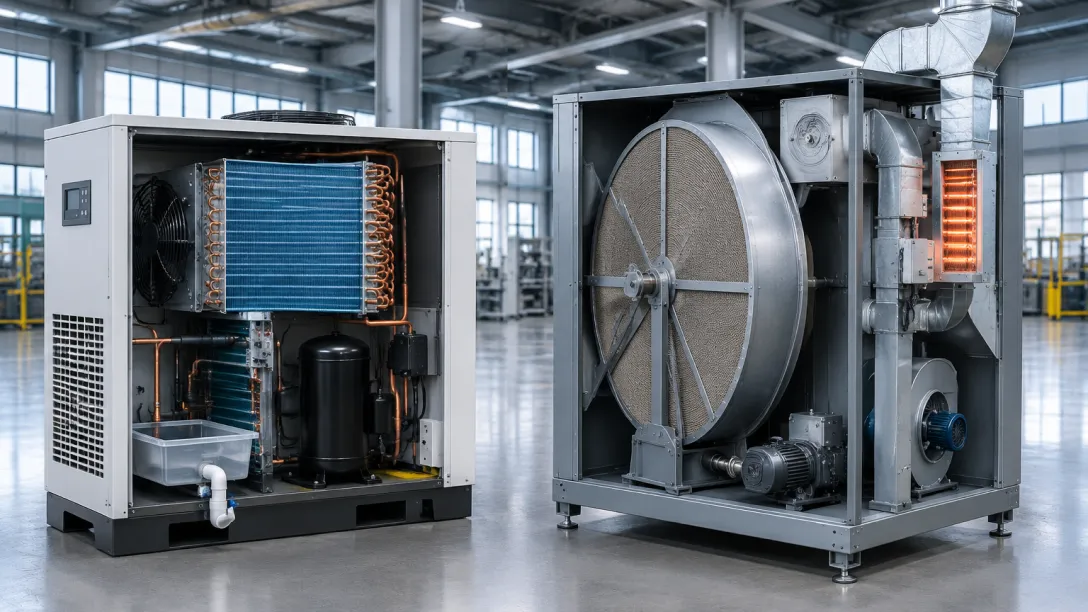
Most standard dehumidification equipment relies on cooling coils to condense and remove water from the air. However, these systems have an inherent physical limitation. When ambient temperatures drop below 10°C, or when target humidity levels dip below 35% RH, the condenser coils freeze up. The equipment enters a perpetual defrost cycle, crippling efficiency and causing disastrous humidity spikes in sensitive environments.
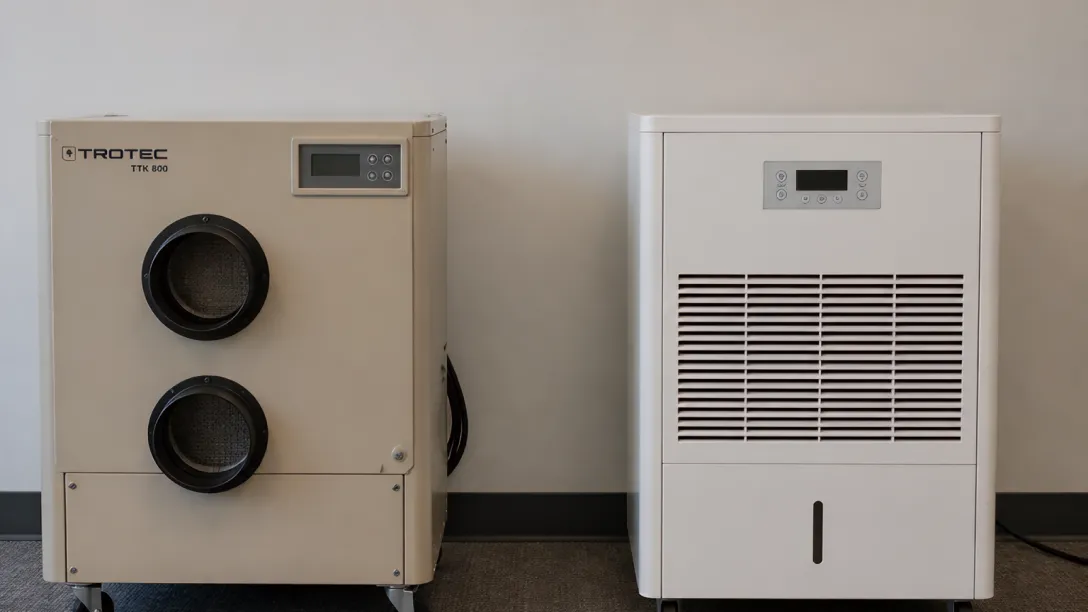
To bypass these physical limitations, facilities must transition to advanced adsorption technology. Unlike compressors, these systems don't rely on condensation, allowing them to extract moisture seamlessly from the air regardless of how low the ambient temperature falls.
2. Managing Extreme Moisture Requirements: The Battery and Pharma Sectors
The stakes are incredibly high in the lithium battery sector. Because lithium reacts violently with water, even trace atmospheric moisture inside a "dry room" will degrade battery electrolytes, forming corrosive hydrofluoric acid. To prevent this catastrophic failure, production environments mandate strict dew points often plunging between -40°C and -60°C.
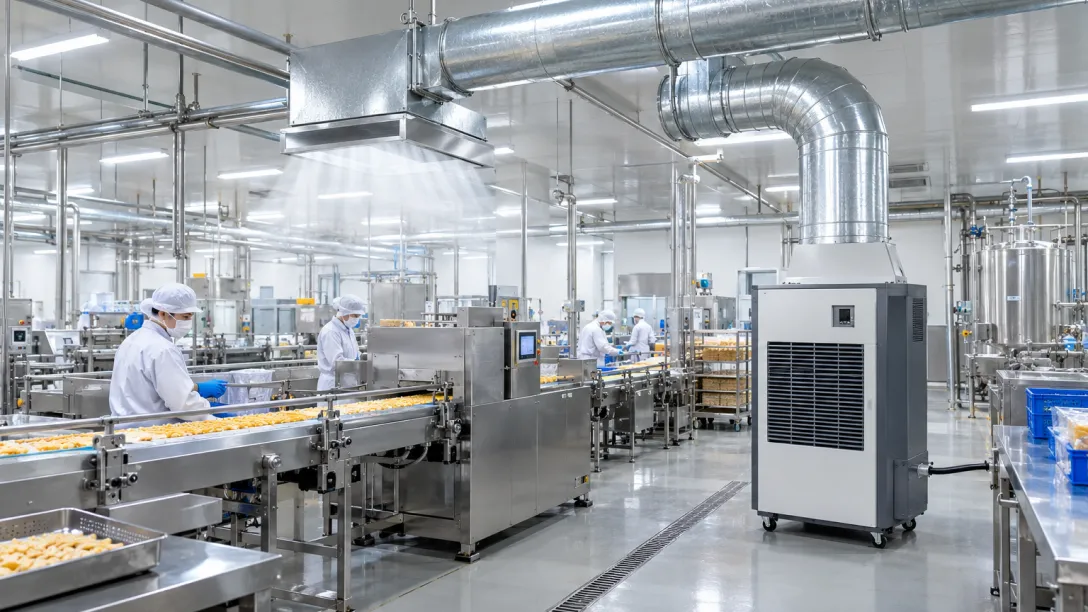
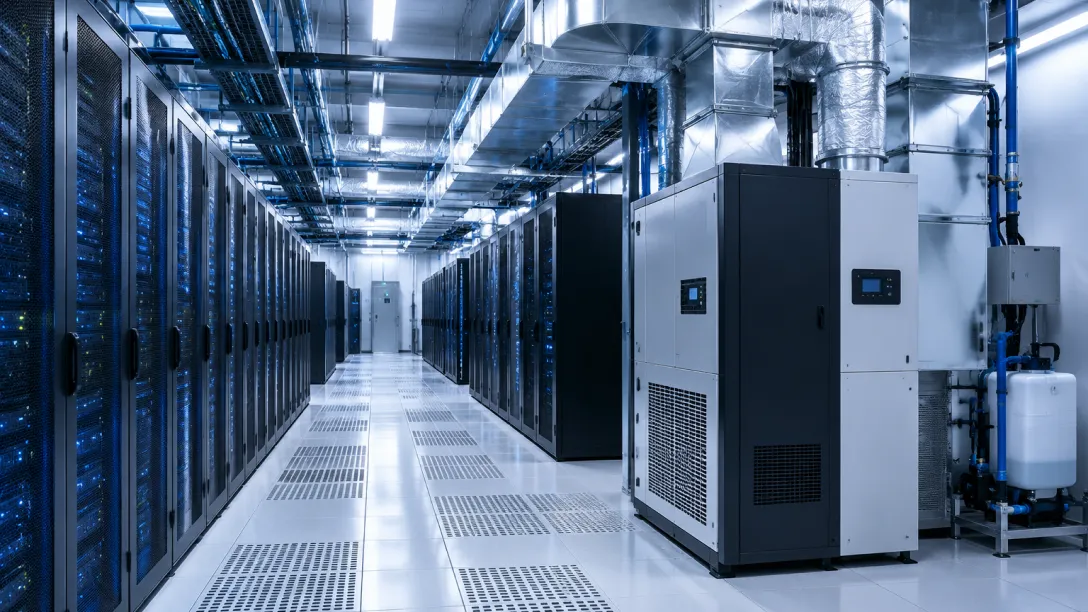
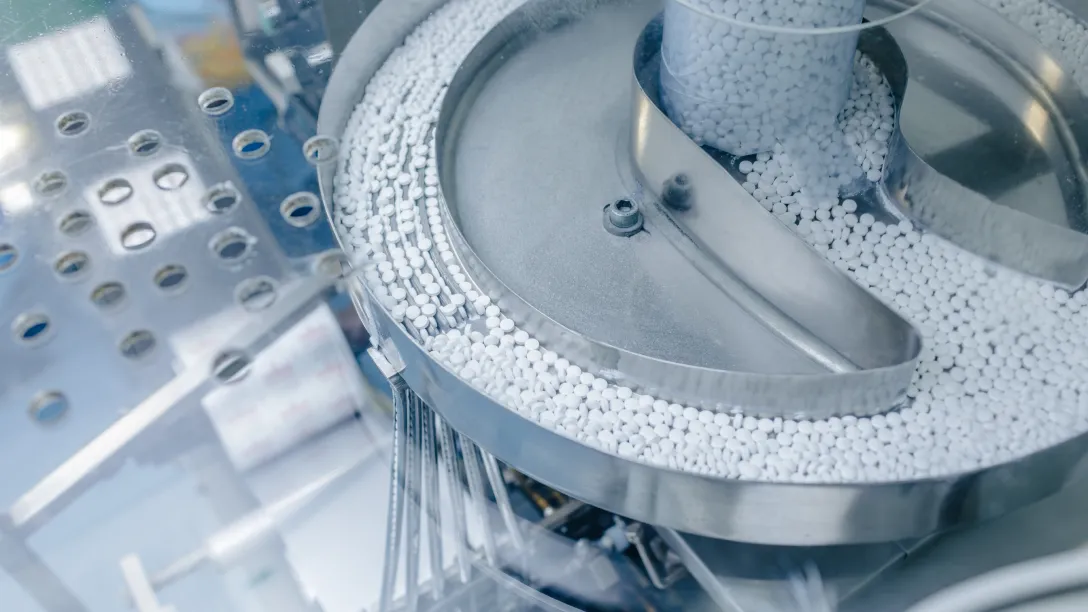
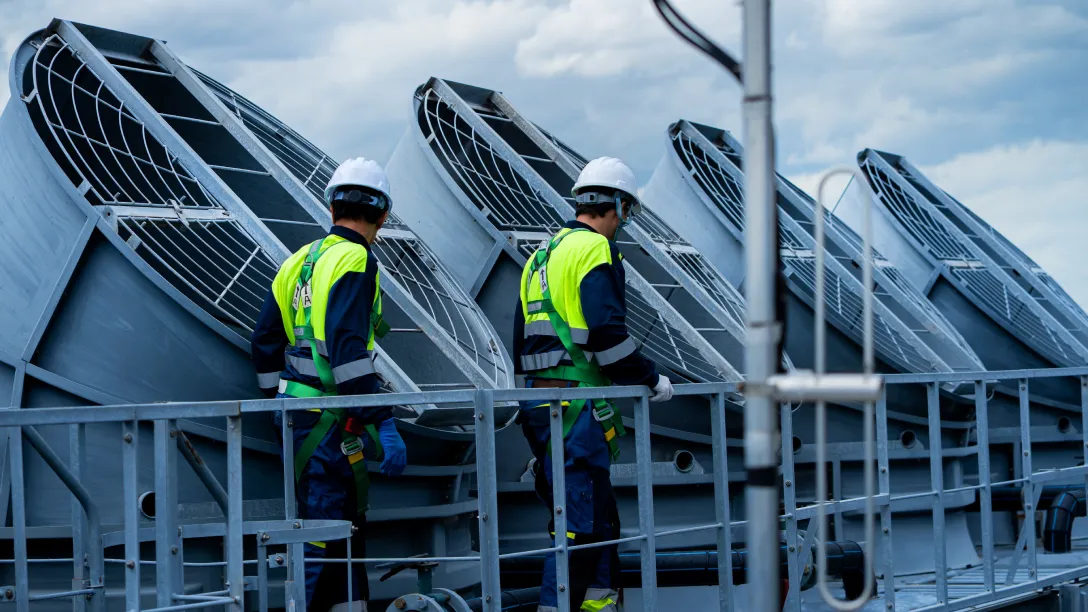
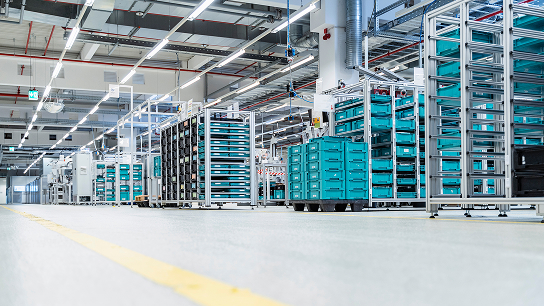
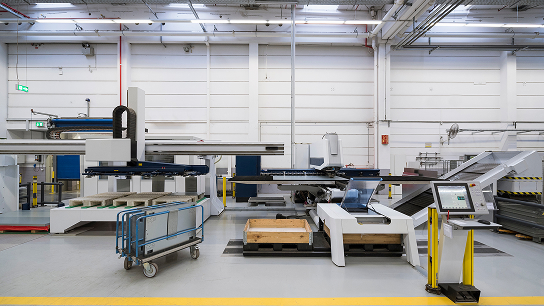
Similarly, pharmaceutical plants face moisture-related challenges during tablet coating and pneumatic powder conveying, where excess humidity causes critical raw materials to clump and spoil. In these massive facilities, standard commercial units are inadequate. Instead, facility engineers deploy heavy-duty climate control infrastructure designed to continuously process immense volumes of air without failure.
3. Mastering Sub-Zero Cold Storage Environments
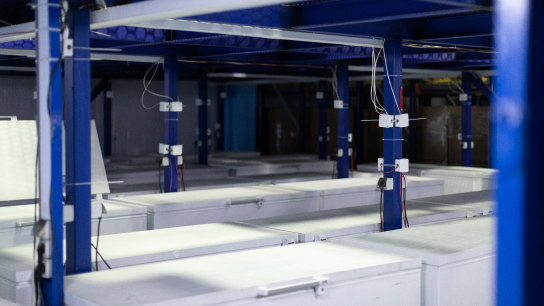
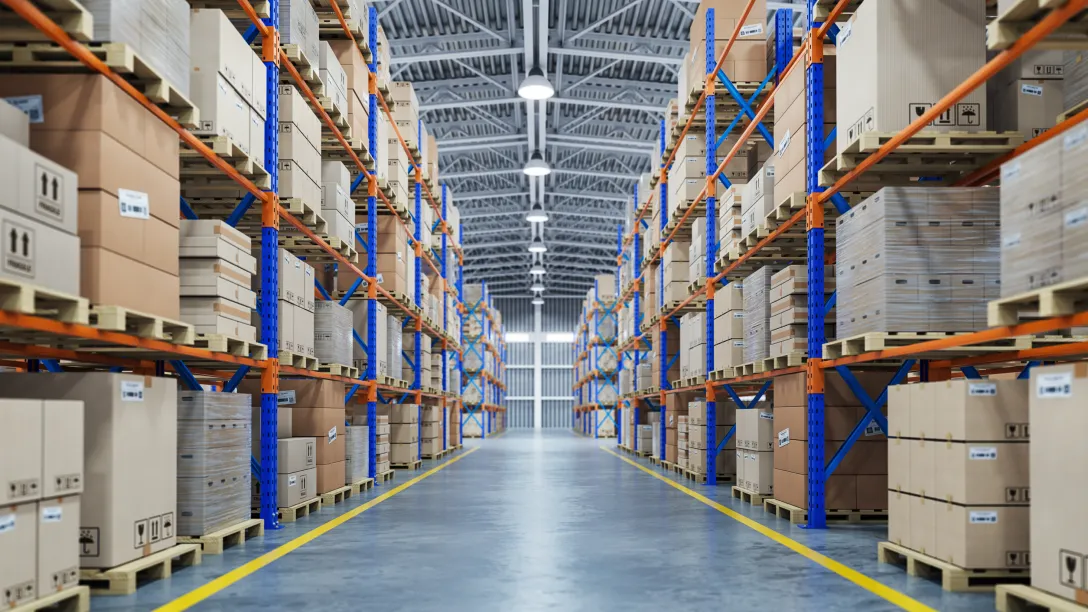
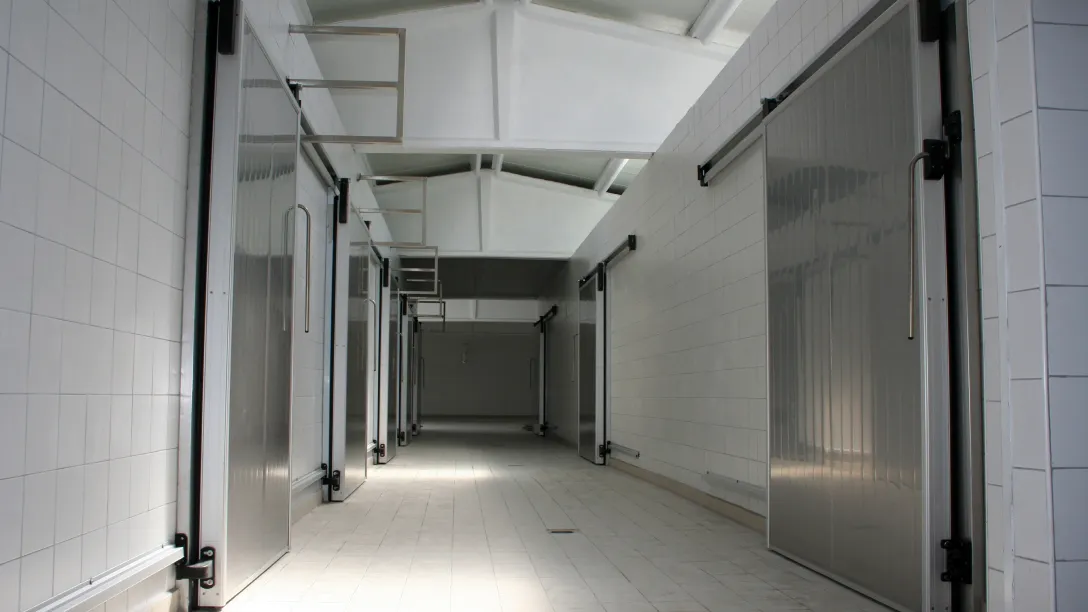
Another major challenge lies in logistics and food processing. In large walk-in freezers and blast chillers, moisture entering through loading dock doors immediately condenses and freezes. This leads to dangerous ice buildup on floors, impaired visibility, and frozen evaporator coils that skyrocket energy bills.
Addressing this requires specialized units tailored for sub-zero conditions. By removing moisture before it has a chance to solidify, these systems are highly effective at combating ice accumulation in deep-freeze logistics centers, ensuring safer operations and significantly reducing maintenance downtime.
4. Core Technology and Unmatched Energy Efficiency
The heart of an effective adsorption system is its silica gel wheel (the rotor), which continuously captures moisture. However, these systems require heat to "regenerate" or dry out the wheel for reuse. Because thermal regeneration can be energy-intensive, modern units implement advanced efficiency upgrades:
- Premium Rotors: Built for a 10-year lifespan, ensuring zero desiccant dust shedding to maintain cleanroom integrity.
- PTC Heating Technology: German PTC thermistors increase regeneration heating efficiency by 10-15% over standard electrical heaters.
- SCR Control: Silicon Controlled Rectifier (SCR) technology precisely modulates heating power to eliminate energy waste and stabilize regeneration temperatures.
5. Engineering for the Future
Maintaining a critical environment requires absolute precision. State-of-the-art systems utilize independent airflows with stringent sealing to guarantee zero cross-contamination. Intelligent controls provide real-time monitoring and trigger automatic alerts if a rotor belt slips or an electrical fault is detected.
Every manufacturing facility has a unique layout and thermal load. This is why off-the-shelf options rarely suffice for high-end applications, making it essential to partner with manufacturers who offer custom-engineered design and fabrication solutions tailored to specific architectural and processing requirements.
Whether you are designing a massive lithium-ion dry room, upgrading a pharmaceutical cleanroom, or trying to eliminate ice in a commercial freezer, having the right moisture control strategy is vital. If you need assistance configuring the optimal system for your facility's unique dew point targets, feel free to speak with our specialized engineering team to start planning your upgrade today.